
Main Courses
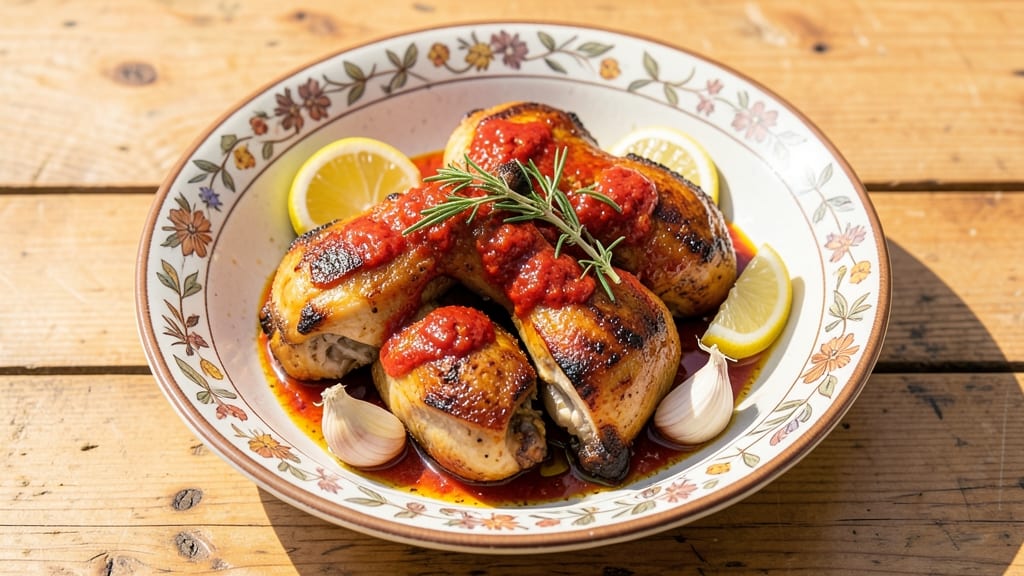
This Portuguese chicken recipe delivers the crispy celery crust and smoky paprika heat that make traditional frango assado unforgettable. After years of perfecting my grandmother’s Sunday roast chicken, I adapted her techniques to create this restaurant-quality dish that’s approachable for home cooks.
The secret lies in a crispy celery crust that encases tender chicken, while smoky paprika adds depth without overpowering.
The recipe combines Portuguese tradition with modern simplicity, using just 10 ingredients and a 30-minute hands-on prep time. The celery crust creates a satisfying crunch, while the smoky paprika-infused marinade ensures every bite is flavorful.
This dish is foolproof—no advanced techniques required, just precise timing and attention to detail that transforms a simple chicken into something extraordinary.
By the time you serve this dish, you’ll have golden-brown chicken with a crispy crust and juicy interior, paired perfectly with steamed rice and a fresh green salad. The aroma alone will fill your kitchen with warmth, making it ideal for Sunday family dinners or weeknight cooking.
Each bite delivers that perfect balance of smoky, crispy, and tender—just like my grandmother used to make.
Serve with traditional Portuguese sides like arroz de tomate or crusty bread to complete the meal. This recipe is designed to impress without stress, ensuring your Portuguese chicken becomes a new favorite. Let’s get cooking!
Ingredients for portuguese chicken
Ten ingredients transform simple chicken into restaurant-quality Portuguese crispy celery crust perfection.
| Ingredient | Amount | Notes |
|---|---|---|
| Whole Chicken 🍗 | 4 lb | Bone-in, skin-on preferred |
| Celery Stalks 🥬 | 2 cups | Fresh, finely chopped (the good stuff) |
| Smoked Paprika 🌶️ | 2 tbsp | High-quality for authentic smokiness |
| Garlic Cloves 🧄 | 6 cloves | Fresh, minced for depth of flavor |
| Fresh Parsley 🌿 | ¼ cup | Chopped, for fresh aroma |
| Extra-Virgin Olive Oil 🫒 | ½ cup | For crispy crust development |
| Lemon Juice 🍋 | ¼ cup | Freshly squeezed for brightness |
| Salt 🧂 | 1 ½ tbsp | Diamond Crystal kosher preferred |
| Ground Black Pepper 🌶️ | 1 tsp | Freshly ground for heat |
| Bay Leaves 🍃 | 2 whole | Fresh for subtle herbal notes |
The celery is non-negotiable—fresh, crisp stalks make the crust happen. Whole Foods or local markets have the best quality, but grocery store celery works if it's not wilted. Chop it finely (smaller pieces = crispier crust). For the chicken, bone-in, skin-on pieces stay juicier—thighs and drumsticks hold up best to the long cooking time. I always buy a 4-pound whole chicken from Costco when I make this for a crowd, then cut it myself for even cooking. Smoked paprika? Penzeys or La Boîte sell the best—avoid the dusty stuff in cheap containers.
No fresh parsley? Dried works at half the amount, but it won't have that bright finish. Short on celery? Substitute with finely chopped fennel or extra onion—both add sweetness. The lemon juice can be swapped for white wine vinegar at the same amount if you're not a fan. Want more smokiness? Add 1/2 tsp cayenne pepper to the paprika. The bay leaves are optional but add that subtle herbal depth—remove before serving. For the olive oil, use something fruity and peppery—cheap oil makes the crust taste flat.
This chicken reheats beautifully—350°F for 15 minutes brings it back to life. Store leftovers in the fridge for 3 days or freeze for 3 months. I always make a double batch because it's perfect for meal prep. The celery crust gets soggy if stored with the chicken, so I keep it separate in a sealed container. For serving, let it sit at room temperature for 10 minutes—that's when the crust gets truly crispy.
Why You'll Love This Recipe
- I’ll be real: most roasted chicken leftovers are sad. Not this one. The paprika keeps it flavorful for days, and it reheats like a dream—perfect for sandwiches, salads, or just microwaving with a side of rice. Budget-friendly, too, since a whole chicken stretches forever.
- One-Pan Magic: I swear by this—just toss the chicken, celery, and garlic on a sheet pan, sprinkle that smoked paprika, and let the oven do the work. No pots to scrub, no pans to wash. That celery adds this subtle crunch that keeps things interesting without extra effort.
- Smoky-Savory Bomb: Honestly, the smoked paprika and garlic make this dish ridiculously good. The chicken gets this tender, juicy center with a crispy skin that’s got just enough smokiness to wake up your taste buds—no fancy marinade needed.
- Weeknight to Dinner Party: Between us, this recipe works for everything. Toss it together for a lazy Tuesday, or dress it up with some crusty bread and wine for guests. The parsley at the end? Instant freshness that makes it feel special without the fuss.
Step-by-step instructions for Portuguese chicken with celery crust
Here's how to create that signature crispy celery crust while keeping the meat juicy and infused with smoky paprika.
Prepare the Celery Crust Mixture
In a food processor, finely chop the 2 cups celery stalks until you achieve a coarse paste—think somewhere between a chunky salsa and a fine sauce. The texture should resemble wet sand with visible fiber strands. This will form the foundation of your crispy crust.
Transfer the chopped celery to a mixing bowl and add the 0.5 cup extra-virgin olive oil, 2 tbsp smoked paprika, 1.5 tbsp salt, and 1 tsp ground black pepper. Mix thoroughly until the paprika is evenly distributed and the celery is completely coated. Here's the thing—this mixture needs to sit for 15 minutes at room temperature to allow the flavors to meld and the celery to soften slightly. This resting period prevents a bitter taste and ensures better adhesion to the chicken skin.
Season and Marinate the Chicken
Pat the 4 lb whole chicken completely dry with paper towels, inside and out. I can't stress enough how critical this drying step is—moisture prevents crispiness. Once dry, season the cavity generously with 1 tsp ground black pepper and 1 tbsp salt, then place the 2 whole bay leaves inside. This internal seasoning infuses flavor throughout the meat.
Rub the remaining 0.5 tbsp salt and 0.5 tbsp smoked paprika all over the exterior of the chicken, pressing firmly to create a thin, even coating. Now comes the magic: spread the celery mixture evenly over the entire surface, including under the wings and around the neck. The celery should form a thick, paste-like layer—about ¼-inch thick—that will crisp beautifully when roasted. Let the chicken rest uncovered on a wire rack for 30 minutes at room temperature while you preheat the oven.
Roast to Crispy Perfection
Preheat your oven to 425°F with the rack positioned in the lower third of the oven. This high heat and position are crucial for creating that signature crispy crust while ensuring even cooking. Place the chicken breast-side up on a foil-lined baking sheet—no rack needed at this point as the celery mixture will create enough space for air circulation.
Roast for 45 minutes, then carefully flip the chicken over so the breast side faces down. Return to the oven and roast for another 45 minutes. You'll know it's ready when the celery crust is deep golden brown, almost caramelized in spots, and the internal temperature reaches 165°F in the thickest part of the thigh. The crust should be so crisp it makes a satisfying crackling sound when you tap it gently with a spoon. If it's browning too quickly, tent loosely with foil for the last 15 minutes to prevent burning.
Rest and Finish with Lemon
Remove the chicken from the oven and transfer it to a cutting board. Let it rest for 15 minutes before carving—this resting period allows the juices to redistribute, preventing dry meat. During this time, prepare the finishing touch: in a small bowl, whisk together the 0.25 cup lemon juice and 0.25 cup fresh parsley. This bright, herby mixture cuts through the richness of the celery crust and adds a refreshing contrast.
After resting, carefully remove and discard the bay leaves from the cavity. Pour half of the lemon-parsley mixture into the cavity, then drizzle the remaining mixture over the exterior of the chicken. The acidity from the lemon will help tenderize any slightly overcooked areas while adding a vibrant finish. Serve immediately with the crispy celery crust intact—this is where all the magic happens, and it's worth the effort to present it whole for maximum impact.
Pro Tips For Making Portuguese Chicken
- Brown the Chicken First: Skip the direct braising—sear the whole chicken skin-side down in a hot pan for 8-10 minutes until deep golden. This locks in flavor and makes the paprika stick like glue instead of floating away. (Yes, even if you’re impatient like me, resist the urge to rush this.)
- Mince the Celery: Chop the celery into tiny, almost paste-like pieces—think rice-sized, not matchsticks. It dissolves into the sauce, giving that rich, earthy depth without turning the dish mushy. I used to skip this, and the texture always felt off.
- Toast the Paprika: Dry-toast the smoked paprika in a cold pan over low heat for 30 seconds before adding liquid. It blooms the spices and cuts the bitterness, making the whole dish taste more intentional. (Your future self will notice the difference.)
- Deglaze Aggressively: After browning the chicken, splash in a splash of white wine or chicken stock immediately—don’t let the fond burn. Scrape every bit off the bottom with a wooden spoon; those bits are where the magic happens. (This isn’t the prettiest method, but it’s the tastiest.)
Troubleshooting great portuguese chicken
Crust Too Soggy?
Your celery crust might be turning mushy if the chicken wasn't properly dried before coating. Pat it thoroughly with paper towels—even the cavity—until no moisture remains. Also, ensure your celery mixture has rested for 15 minutes before applying; this helps draw out excess moisture.
If it still happens, reduce the olive oil by 1 tablespoon next time—too much fat creates steam instead of crispiness. 🌡️
Uneven Browning
If one side browns faster than the other, your oven heat isn't distributing evenly. Rotate the chicken halfway through cooking (after 30 minutes) and consider using a light-colored baking sheet—dark pans absorb too much heat.
For stubborn spots, tent loosely with foil for the last 15 minutes to prevent over-browning while the rest catches up.
Dry Chicken Inside
Overcooking is the #1 culprit here. Use a meat thermometer and remove the chicken when the thigh reaches 165°F—don't rely on time alone. The celery crust will continue cooking slightly after removal.
For extra insurance, brined the chicken for 30 minutes in 1 quart water + ¼ cup salt before seasoning. This keeps the meat juicy even with high-heat roasting.
Celery Mixture Too Bitter
This usually means the celery wasn't fresh or the mixture sat too long before using. Stick to bright green celery with no brown spots, and use it immediately after chopping.
If you must prep ahead, store the mixture in an airtight container in the fridge for up to 24 hours, but bring it to room temperature before applying. The 15-minute rest is non-negotiable—it's what mellows the raw celery flavor.
Chicken Sticking to Pan
Always use foil-lined baking sheets for easy release. If it still sticks, your oven isn't hot enough when you put it in. Let the oven preheat for at least 20 minutes before adding the chicken.
For stubborn cases, lightly grease the foil with olive oil before placing the chicken down. I've never had this happen with proper prep, but it's worth mentioning for first-timers.
Paprika Flavor Weak
Cheap smoked paprika lacks depth. Invest in Penzeys or La Boîte brands—they're worth the splurge. If you're using a substitute, add ½ teaspoon liquid smoke to the celery mixture for that authentic smokiness.
Also, don't skip the 30-minute rest after coating—the flavors need time to penetrate the skin. For extra punch, sprinkle ¼ teaspoon cayenne into the celery mixture before applying to the chicken.
Nutrition facts
Frequently asked questions
Can I make this recipe with chicken thighs instead of a whole bird?
For 6 bone-in, skin-on thighs, reduce the celery to 1.5 cups and olive oil to 0.35 cup. The cooking time stays the same (45 minutes per side), but check for 165°F in the thickest part. Thighs are perfect—they stay juicy and the crispy crust clings beautifully.
How do I store leftovers to keep the crust crispy?
Store the chicken and crust separately in airtight containers. The crust will soften if kept together—reheat the chicken alone at 350°F for 15 minutes, then add fresh celery crust (toasted in a dry pan for 3 minutes) when serving. For best texture, eat within 3 days.
What's the best way to reheat without drying out the chicken?
Use the oven at 350°F for 15 minutes with a splash of water in the pan. Cover loosely with foil to trap moisture. For microwave reheating, use 50% power for 2 minutes, then let rest 2 minutes before serving. The crust won't be crispy, but the meat stays juicy.
Can I make this ahead of time for a dinner party?
Yes! Prep the celery mixture up to 24 hours ahead and store in the fridge. Assemble the chicken 4 hours before cooking (don't roast yet). Keep it uncovered in the fridge so the crust stays firm. Roast when guests arrive—it'll be ready in 90 minutes total. Perfect for stress-free entertaining!
What's the secret to getting that perfect crispy crust?
Three things:
- Dry chicken thoroughly (pat until paper towels come out dry),
- Rest the celery mixture 15 minutes before applying, and
- Roast at 425°F with the chicken on a wire rack (not directly on the pan). The high heat and airflow create that satisfying crunch.