
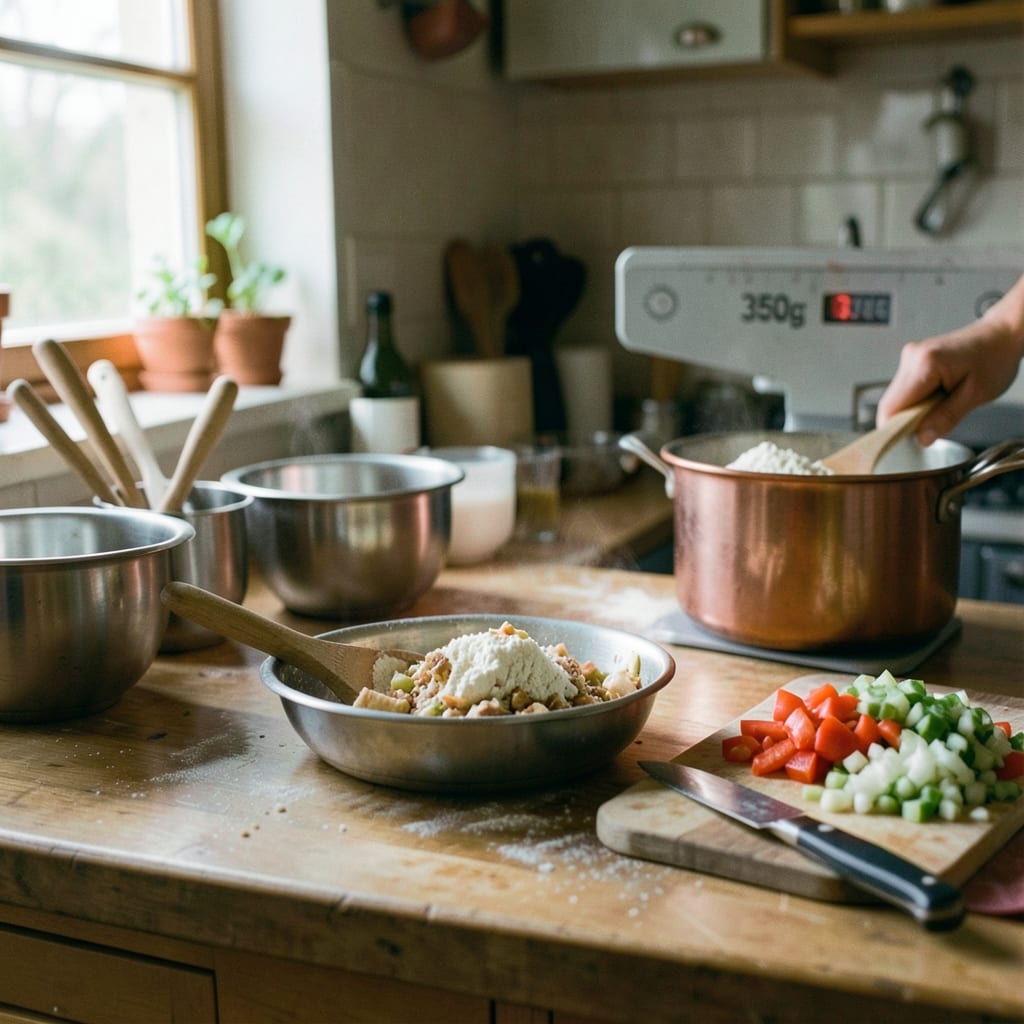
Welcome to Chicken Recipes Duo
There’s a moment in every cook’s life when a dish turns out wrong—not because of the ingredients, but because the recipe missed the mark. The chicken is dry, the skin isn’t crisp, or the sauce clings like glue.
You start over, wondering if the problem was the heat, the time, or just the way the words were written.
This site exists for the times when you need more than a list of steps. Here, every recipe is tested twice, adjusted for real kitchens, and written so the result matches what you taste. No shortcuts, no assumptions. Just the way it should be.
Our story
The first draft of this site was a messy notebook full of scribbled recipes, half of which had been abandoned after three failed attempts.
Estelle Calderon had spent years collecting dishes from family gatherings, only to realize most of them were missing critical details—like how long to rest the meat or when to baste.
The turning point came at 3 a.m. in a tiny kitchen in Brooklyn, where a batch of fried chicken turned out rubbery because the oil temperature had been guessed, not measured.
The next version was a private blog for friends, where she posted recipes with exact timings and troubleshooting tips. Within a year, people started asking for the notes she’d scribbled in the margins. That’s when she realized the real problem wasn’t the recipes—it was how they were written.
By 2024, the site had grown beyond a hobby. The first paid tester—a college student with a cast-iron skillet and no patience for vague instructions—became the model for how every recipe would be written: for people who want results, not guesswork.
What we stand for
This site believes in recipes that work the first time, not the tenth. We stand for honesty—no fake shortcuts, no overpromises. Every dish is built on techniques that hold up under real conditions, whether you’re cooking for one or ten.
What you will always get here
- Recipes tested in multiple kitchens, with adjustments for common mistakes.
- Step-by-step instructions that explain *why* each part matters.
- Troubleshooting notes for when things go wrong (because they always do).
- No unnecessary ingredients—just what’s needed for the best result.
Meet the team

Behind *Chicken Recipes Duo* is a small team of cooks who treat recipes like crafts—not magic. We’re here to share the methods that turn good food into great food, without the guesswork.
Every writer brings their own background—whether it’s years of restaurant work or a lifetime of home cooking—but the goal is the same: dishes that work.
Estelle Calderon
Estelle Calderon is the founder and editor of *Chicken Recipes Duo*, a role that blends her background in culinary technique with a no-nonsense approach to recipe writing.
Before launching the site, she worked as a line cook in New Orleans, where she learned the importance of precise timing and temperature control—lessons she now applies to every recipe here.
Her desk is always cluttered with a stack of butcher paper, a digital thermometer, and a notebook full of scribbled adjustments from test cooks.
She’s the one most likely to over-salt a dish in the first draft, then spend the next hour fixing it. Her philosophy is simple: if a recipe doesn’t work on the third try, it’s not ready to be shared.
I still remember the first time my grandmother’s fried chicken turned out right—the way the skin crackled and the meat stayed juicy. That’s the kind of result this site is built for. Not perfection, but the kind of food that makes people pause and say, *‘This is how it’s done.’*
Estelle Calderon
How we create our content
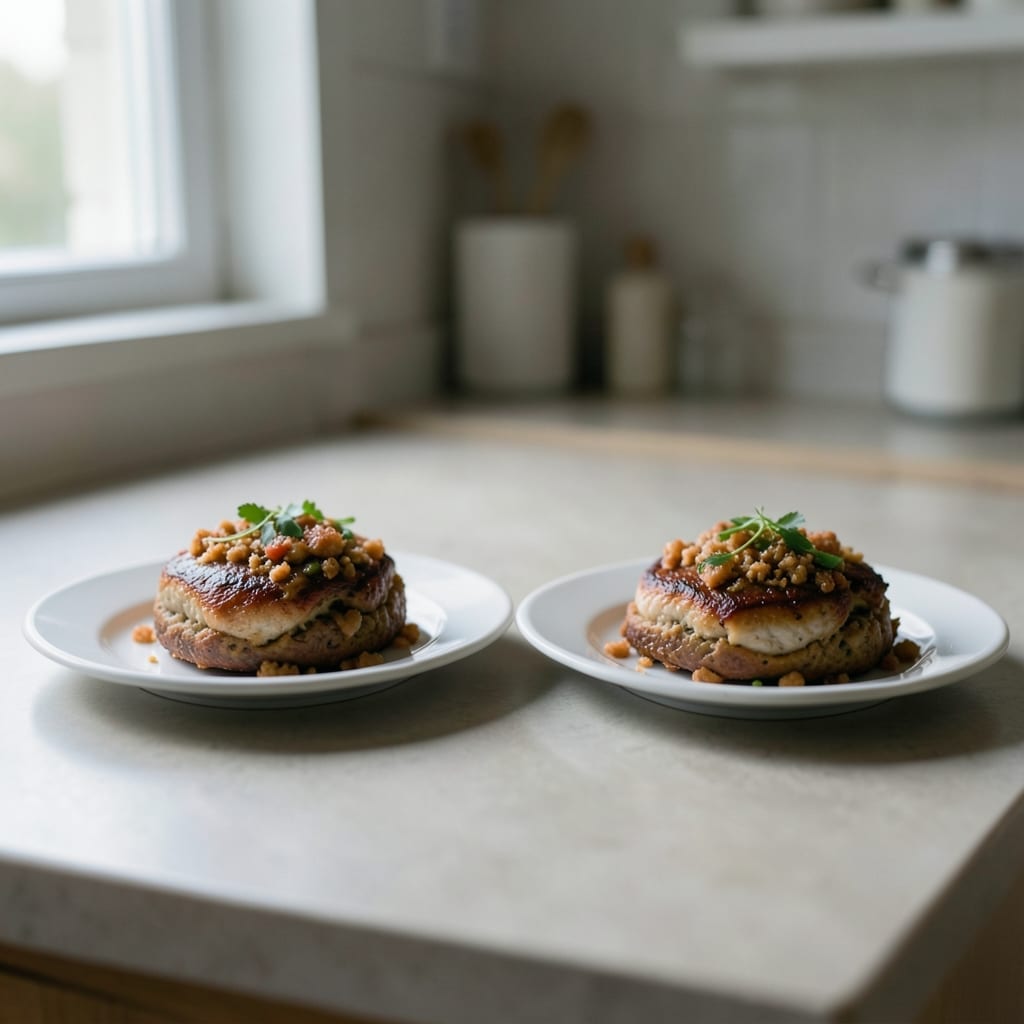
Every recipe starts with a question: *‘What’s the one thing that usually goes wrong with this dish?’* The answer determines the testing process. If it’s a fried chicken recipe, we’ll test it at three different oil temperatures. If it’s a slow-cooked roast, we’ll track the internal temp every hour.
The goal isn’t just to find what works—it’s to find *why* it works, so we can explain it clearly.
The first test: raw to done
The first round of testing happens in Estelle’s kitchen, where every variable is controlled. For a roasted chicken, that means brining for exactly 12 hours, using a meat thermometer every 15 minutes, and basting with rendered fat at 350°F (175°C) until the skin hits 165°F (74°C) internally.
If the skin tears or the meat dries out, the method is adjusted—sometimes by adding a second basting, sometimes by reducing the oven temp by 25°F (14°C).
The second test is the real challenge: sending the recipe to a volunteer tester with no culinary experience. Their feedback—*‘I burned the garlic’* or *‘The sauce was too thin’*—goes into the final notes. This is where the recipe either survives or gets rewritten.
The second fix: the real-world edit
After the tester’s feedback, the recipe gets a second review. If the issue was timing, we’ll add a chart for different oven types. If it was a missing step (like resting the meat), we’ll include a reminder in bold.
The final version isn’t just corrected—it’s rewritten to prevent the same mistake from happening again. The result? A recipe that works the first time, even for cooks who’ve never made it before.
Join our community
This site thrives on the questions you don’t see elsewhere. Need help adapting a recipe for a Dutch oven? Wondering why your chicken turned out dry?
Send in your own tweaks, and if they’re useful, they might end up in the official notes.
Let's connect
We love hearing about the dishes you’ve made—and the ones that didn’t go as planned. What worked? What failed? What would you change? Share your stories on the contact page, and let’s talk about how to make it better next time.
The best conversations start here.
The recipes are grouped by category: Appetizers, Beverages, Breakfast & Brunch, Desserts, Main Courses and Reviews.