
Sauces & Condiments
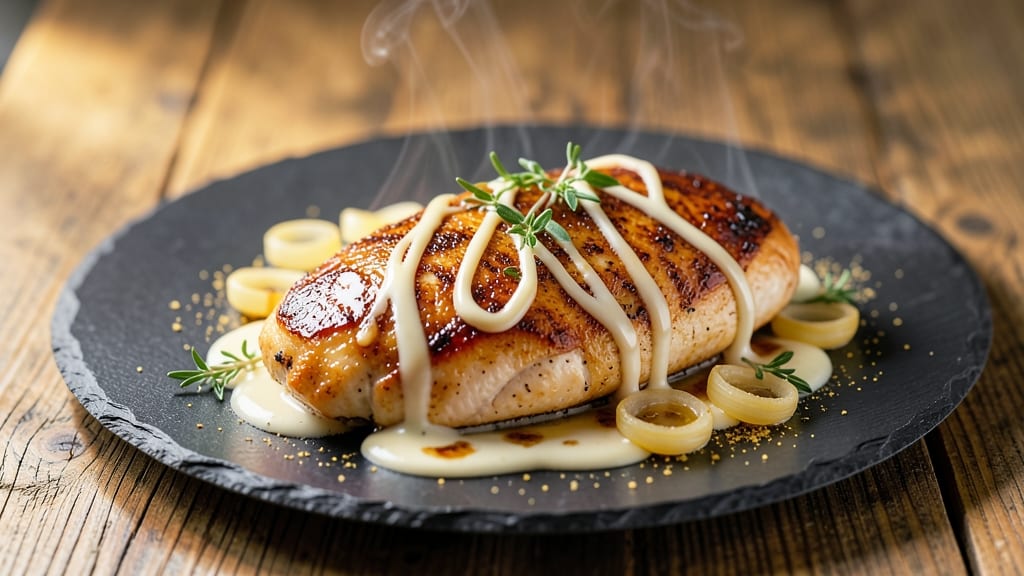
This chicken breast with white wine sauce recipe delivers restaurant-quality results in just 30 minutes—juicy, perfectly seared chicken paired with a velvety sauce that's rich yet bright. The secret lies in high-heat searing followed by a quick deglaze with white wine, butter, and fresh herbs.
I developed this technique after years of refining my sauce reduction methods, ensuring every bite is balanced between tender protein and aromatic sauce.
The process starts with seasoning the chicken generously—salt, pepper, and a touch of garlic powder create the perfect foundation. While the chicken rests, you'll build the sauce by deglazing the pan with white wine, then reducing it with butter, shallots, and thyme.
This method transforms simple ingredients into something elegant without requiring advanced skills. The result? Chicken that stays moist with a golden crust, paired with a sauce that's silky yet packed with flavor.
What makes this dish truly special is how effortlessly it comes together—no complicated techniques, just precise timing and a few key steps. The white wine sauce cuts through the richness of the chicken while adding depth, and the herbs infuse freshness.
Serve it with roasted asparagus or creamy mashed potatoes to complete the meal, and you'll have a dish that feels both impressive and approachable.
This recipe is perfect for weeknight dinners or special occasions, offering a balance of simplicity and sophistication. The technique scales easily, so you can adjust the portion size without sacrificing quality.
Whether you're cooking for two or hosting a dinner party, this chicken breast with white wine sauce will be the star of the table.
Ingredients for chicken breast with white wine sauce
Restaurant-quality chicken with a velvety white wine sauce—just 12 ingredients, 30 minutes.
| Ingredient | Amount | Notes |
|---|---|---|
| Boneless, Skinless Chicken Breast 🍗 | 1 ½ lb | Pounded to even thickness |
| Unsalted Butter 🧈 | 4 tbsp | Cold, cut into pieces |
| Dry White Wine 🍷 | ½ cup | Sauvignon Blanc or Pinot Grigio |
| Shallots 🧅 | 2 whole | Minced, about 2 tbsp |
| Fresh Thyme Leaves 🌿 | ¼ cup | Stems removed, chopped |
| Garlic Powder 🧄 | ½ tsp | Freshly ground preferred |
| Kosher Salt 🧂 | 1 ½ tsp | Divided for seasoning |
| Ground Black Pepper 🌶️ | ½ tsp | Freshly cracked |
| Heavy Cream 🥛 | ¼ cup | Full-fat for richness |
| Fresh Lemon Juice 🍋 | 1 tbsp | From 1 small lemon |
| All-Purpose Flour 🌾 | 1 tsp | For sauce thickening |
| Fresh Parsley 🌿 | 2 tbsp | Chopped, for garnish |
The chicken breast is where this dish starts and ends. Buy bone-in, skin-on pieces if available—they stay juicier, but boneless works too. Pound the breasts to even thickness (about ½-inch) so they cook uniformly. Whole Foods or Trader Joe's carry high-quality chicken, but any reputable grocery store will do. For the white wine, Sauvignon Blanc or Pinot Grigio are ideal—they're crisp and won't overpower the sauce. Avoid sweet wines like Riesling. Thyme and shallots are non-negotiable here; they're the aromatic backbone of the sauce. Grab fresh thyme from the grocery store's produce section—it's more potent than dried.
No white wine? Chicken broth with a splash of apple cider vinegar works in a pinch, though the flavor won't be identical. Dried thyme can substitute at one-third the amount of fresh, but fresh is worth the effort. Short on shallots? One small yellow onion, finely minced, does the trick. The heavy cream adds richness, but if you're watching calories, half-and-half or coconut cream lightens it up. For the flour, all-purpose works fine, but if you're gluten-free, use cornstarch instead. The lemon juice brightens the sauce—freshly squeezed is best, but bottled works if you're in a hurry.
This sauce reheats beautifully—simmer gently on the stove for 2-3 minutes until warmed through. Store leftovers in an airtight container in the fridge for 3-4 days or freeze for up to 3 months. The chicken itself is best served immediately, but you can reheat it gently in the sauce to keep it moist. For meal prep, cook the chicken and sauce separately, then combine when ready to eat. The parsley garnish is optional but adds a fresh pop of color—store it in a sealed container with a damp paper towel to keep it vibrant for up to 5 days.
Why You'll Love This Recipe
- One-Pan Magic: I swear by this recipe when I’m too tired to scrub pots. The chicken sears right in the same skillet where the sauce builds—no extra dishes, no fuss. Just slice the shallots, pour the wine, and let the butter do the heavy lifting while you stir.
- Wine’s Secret Weapon: That splash of dry white wine isn’t just for show—it cuts through the richness of the butter and shallots, leaving behind a sauce that’s bright, tangy, and just herbal enough from the thyme. Honestly, it’s the kind of flavor that makes you pause mid-bite.
- Weeknight to Dinner Party: Same recipe, totally different vibes. Toss it over pasta for a lazy Tuesday, or plate it with roasted veggies and crusty bread for guests. The sauce clings to everything, so you’re covered whether it’s a solo dinner or a crowd.
- Leftovers That Don’t Suck: Cold chicken with white wine sauce? Surprisingly good. I’ll repurpose it into salads, wraps, or even a quick frittata the next day. And since chicken breast is budget-friendly, you’re not breaking the bank for seconds (or thirds).
Step-by-step instructions for chicken breast with white wine sauce
Here's how to create a restaurant-quality white wine sauce that transforms simple chicken into an elegant dish.
Prep and Season the Chicken
Begin by pounding the 1.5 lb boneless, skinless chicken breast between two sheets of plastic wrap to an even ½-inch thickness using a meat mallet. This ensures even cooking and prevents dryness. Season both sides generously with ½ teaspoon kosher salt and ¼ teaspoon ground black pepper, pressing the seasoning into the meat so it adheres well.
Let the seasoned chicken rest at room temperature for 15 minutes while you prepare the aromatics. This brief rest allows the seasoning to penetrate the meat and ensures more even cooking. The chicken should feel slightly cooler than your hands when ready to cook.
Sear the Chicken in Butter
Heat 2 tablespoons unsalted butter in a large skillet over medium-high heat until the butter foams and bubbles. Add the chicken and cook for 4-5 minutes per side until the chicken reaches an internal temperature of 160°F and the exterior is golden brown. Press down gently on the chicken during the first minute to prevent curling, which ensures even contact with the pan.
Remove the chicken from the skillet and set it aside on a plate, tented loosely with aluminum foil to keep warm. The residual heat will carry the chicken to 165°F while you prepare the sauce. If the butter in the pan begins to smoke, reduce the heat slightly to maintain control without burning the aromatics you're about to add.
Build the White Wine Sauce
Reduce the heat to medium and add the remaining 2 tablespoons unsalted butter to the skillet. Toss in the 2 minced shallots and cook for 2-3 minutes until softened and translucent. Stir in the ½ teaspoon garlic powder and cook for an additional 30 seconds until fragrant—this step develops the aromatic foundation of your sauce.
Pour in the ½ cup dry white wine, scraping up any browned bits from the bottom of the pan with a wooden spoon. This deglazing step captures all the concentrated chicken flavor that would otherwise stick to the pan. Let the wine simmer for 3-4 minutes until reduced by half, allowing the alcohol to cook off and the flavors to concentrate.
Finish with Cream and Thicken
Sprinkle the 1 teaspoon all-purpose flour over the reduced wine and stir vigorously for 1 minute to remove any lumps. Gradually whisk in the ¼ cup heavy cream, then add the ¼ cup fresh thyme leaves and 1 tablespoon fresh lemon juice. Simmer the sauce for 2-3 minutes until it thickens slightly and coats the back of a spoon.
Return the chicken to the skillet, spooning the sauce over the top. Let it simmer together for 1-2 minutes to heat through and allow the chicken to absorb some of the sauce's richness. Taste and adjust the seasoning with additional kosher salt or ground black pepper as needed—this sauce should be bright, slightly tangy, and well-balanced.
Serve with Fresh Parsley
Transfer the chicken to a warm serving platter and drizzle generously with the remaining sauce. Garnish with 2 tablespoons chopped fresh parsley just before serving to add a pop of color and freshness. The sauce should cling beautifully to the chicken, offering a velvety texture with subtle herbal notes and a touch of acidity from the lemon.
Serve immediately with your choice of sides, such as roasted vegetables or mashed potatoes. The chicken should be tender and juicy, with a golden-brown crust, while the sauce delivers a harmonious blend of white wine, cream, and thyme that elevates the dish to restaurant quality.
Pro Tips For Making Chicken Breast With White Wine Sauce
- Sear First, Then Rest: Hit the chicken with high heat until deep golden brown—about 3-4 minutes per side—before pulling it off. I learned this the hard way: skipping the sear leaves you with bland, rubbery chicken. Let it rest 5 minutes under foil after cooking, or the sauce will turn into a sad, watery bath.
- Sweat Shallots Slow: Don’t rush the shallots—cook them on medium-low with a splash of wine (or water in a pinch) for 8-10 minutes until soft and translucent. I used to crank the heat, and they’d just burn before adding flavor. Patience here makes the sauce taste richer.
- Deglaze with Wine: As soon as you remove the chicken, pour in the white wine and let it bubble for 2 full minutes before adding butter or thyme. This step caramelizes the fond stuck to the pan, turning a simple sauce into something velvety. Skip it, and you’re left with flat-tasting butter floating in wine.
- Use Cold Butter: Whisk in cold unsalted butter at the end, a tablespoon at a time, until the sauce thickens but doesn’t break. I was skeptical until I tried it—hot butter makes the sauce separate, while cold butter emulsifies like a dream. Yes, even if you’re impatient like me.
Flavor customization for chicken breast with white wine sauce
Herb Variations
Swap thyme for fresh tarragon or parsley stems to brighten the sauce—both add an anise-like note that pairs beautifully with white wine. I often use 1 tbsp chopped tarragon instead of thyme for a more refined flavor.
For a Mediterranean twist, add ½ tsp dried oregano alongside the thyme, then finish with a pinch of crushed red pepper flakes for subtle heat. 🌿
Spice Infusions
For warmth, stir in ½ tsp smoked paprika with the shallots—it deepens the sauce’s complexity without overpowering. A pinch of ground nutmeg (just ⅛ tsp) adds a subtle earthiness that complements the wine’s acidity.
If you love heat, add 1 tsp hot honey at the end for a sweet-spicy balance. I’ve found smoked paprika works best with Chardonnay-based wines for a richer profile.
Cream Alternatives
For a lighter sauce, replace heavy cream with ½ cup coconut cream—it adds richness without dairy. Or, use ¼ cup Greek yogurt for tanginess, thinning it with 1 tbsp water to mimic the sauce’s consistency.
For a vegan option, sub ½ cup unsweetened almond milk and 1 tsp cornstarch to thicken. The coconut cream version pairs perfectly with Sauvignon Blanc’s citrus notes. 🥛
Acid Adjustments
Boost brightness with 1 tsp balsamic vinegar instead of lemon juice—it adds depth and a touch of sweetness. Or, use ½ tsp Dijon mustard for a subtle tang without acidity.
For a tropical twist, swap lemon for lime juice and add ½ tsp grated ginger to the sauce. These tweaks work especially well with Pinot Grigio, balancing its crispness.
Umami Boosters
Stir in 1 tsp fish sauce or ½ tsp soy sauce with the wine to add depth—it’s a secret I picked up from Southeast Asian cooking. For a vegetarian option, use 1 tsp miso paste (white or red) dissolved in the wine.
These umami-rich additions elevate the sauce’s complexity, especially when paired with buttery, rich wines like Viognier. 🍚
Nutrition facts
Frequently asked questions
Can I use chicken thighs instead of breasts?
Yes, but adjust your cooking time! Chicken thighs are more forgiving and stay juicier, but they take 10-12 minutes per side to reach 165°F internal temp. Since they're darker meat, they pair beautifully with the bright white wine sauce. Just skip the pounding step—they don't need it.
What if I don't have white wine?
No problem! Use ½ cup chicken broth + 1 tbsp apple cider vinegar for acidity. For extra depth, add ½ tsp dried thyme and 1 tsp Dijon mustard to mimic the wine's complexity. The sauce will taste different but still delicious—just slightly less refined.
How do I prevent the chicken from drying out?
Three key tips:
- Pound to even thickness (½-inch),
- Don't overcook—remove at 160°F and let carry to 165°F,
- Rest for 5 minutes before slicing. Also, keep the pan heat at medium-high (not high) to avoid burning before the chicken's done. The sauce will help keep it moist too!
Can I make this ahead of time?
Cook the chicken and sauce separately, then store in airtight containers. Reheat the sauce gently on the stove for 2-3 minutes, then warm the chicken in the sauce for 1-2 minutes to prevent drying. The sauce reheats beautifully—just avoid boiling it. For best texture, serve within 2 days of cooking.
What's the best wine to use if I want to drink it?
For drinking and cooking, choose a dry, crisp white wine like Sauvignon Blanc or Pinot Grigio—they're bright enough to stand up to the dish. Avoid sweet wines like Riesling. Pro tip: Use a bottle you'd drink yourself—the cooking process won't ruin it!