
Main Courses
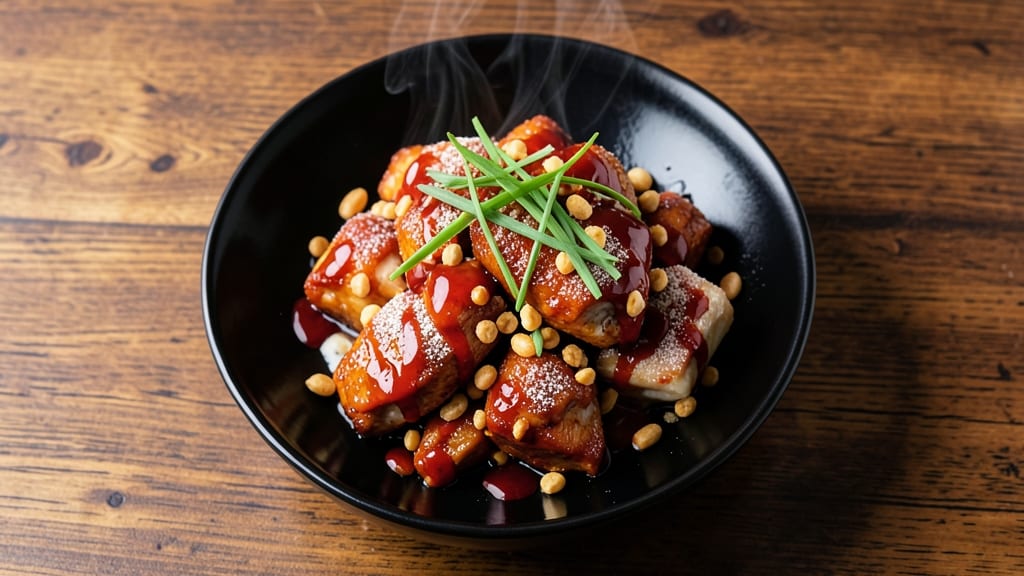
P.F. Chang’s Kung Pao Chicken delivers that perfect balance of spicy-sweet crunch and silky stir-fry magic we all crave. The secret lies in the sauce—where Sichuan peppercorns, chili, and soy create a symphony of heat and depth, while wok hei (breath of the wok) transforms simple ingredients into restaurant-quality flavor.
I’ve adapted this dish to work in home kitchens, using precise timing and high heat to mimic the smoky aroma that makes it unforgettable.
The key to success is in the technique: velveting the chicken first ensures tender bites, while a hot wok or cast-iron skillet delivers that signature char. The sauce needs to be sticky but not syrupy, with a texture that clings to every piece of chicken and vegetable.
This isn’t just a recipe—it’s a method that transforms a weeknight dinner into something that tastes like it came from a bustling Chinese restaurant.
What you’ll end up with is a dish bursting with crispy edges, tender chicken, and a glossy sauce that’s perfectly balanced between sweet, spicy, and umami. The Sichuan peppercorns add a subtle tingling heat, while the chili brings bold flavor.
It’s the kind of meal that disappears faster than you can say “more rice,” and leftovers reheat beautifully—just add a splash of water to restore that silky texture.
Serve it over steamed jasmine rice or noodles, and don’t forget the garnish: toasted peanuts for crunch, sliced scallions for freshness, and a drizzle of sesame oil for that final touch of aroma. This is kung pao chicken that’ll have your whole table asking for seconds. Let’s get cooking!
Ingredients for pf chang's kung pao chicken
Here’s what you’ll need to recreate P.F. Chang’s signature spicy-sweet stir-fry at home.
| Ingredient | Amount | Notes |
|---|---|---|
| Boneless Skinless Chicken Thighs 🍗 | 1 ½ lb | Cut into 1-inch pieces |
| Cornstarch 🌾 | ¼ cup | For velveting chicken |
| Soy Sauce 🍶 | ½ cup | Light or regular, not low-sodium |
| Oyster Sauce 🍜 | 2 tbsp | High-quality preferred |
| Rice Vinegar 🍶 | 2 tbsp | White or seasoned |
| Sesame Oil 🫒 | 1 tbsp | Toasted for aroma |
| Sichuan Peppercorns 🌶️ | 1 tbsp | Toasted and crushed |
| Dried Red Chili Peppers 🌶️ | 2 tbsp | Or 1 tbsp chili flakes |
| Garlic Cloves 🧄 | 6 cloves | Minced finely |
| Fresh Ginger 🌿 | 2 tbsp | Grated finely |
| Brown Sugar 🍬 | 2 tbsp | Light or dark |
| Vegetable Oil 🫒 | ½ cup | High smoke point |
| Green Bell Peppers 🌶️ | 1 whole | Cut into 1-inch pieces |
| Red Bell Peppers 🌶️ | 1 whole | Cut into 1-inch pieces |
| Toasted Peanuts 🥜 | ¼ cup | For garnish |
| Scallions 🧅 | 3 whole | Sliced thinly |
The chicken is the star, so thighs over breasts—they stay juicier during the stir-fry. Look for bone-in, skin-on thighs at the grocery store’s butcher counter if you can, but boneless works too. Costco or Whole Foods often have good prices on bulk chicken. For the Sichuan peppercorns, Penzeys or Asian markets carry the best quality—if you can’t find them, sub a pinch of black pepper (but you’ll miss that signature tingling heat). The bell peppers should be firm and vibrant—Trader Joe’s has great pre-cut ones if you’re short on time.
No Sichuan peppercorns? Double the black pepper and add a pinch of cinnamon for depth. Swap oyster sauce for hoisin plus a splash of soy sauce. The rice vinegar can be skipped if you’ve got apple cider vinegar or lime juice. For the peanuts, raw or roasted works—just toast them in a dry pan for 3-4 minutes until fragrant. The sauce needs to be sticky but not gloppy—if it’s too thick, add a splash of water. And trust me, don’t skip the velveting step (cornstarch + soy sauce marinade)—it’s what makes the chicken tender.
This reheats like a dream—just add a splash of water to the sauce and warm through. Keeps for 3-4 days in the fridge, or freeze portions for up to 3 months. Double the recipe if you’re feeding a crowd—it disappears fast. The sauce gets even better the next day as flavors meld. Store leftovers in an airtight container with the peanuts and scallions on top to keep them fresh.
Why You'll Love This Recipe
- One-Pan Magic: I swear by this recipe because it’s all about effortless cleanup—just toss the chicken thighs in a bowl with cornstarch, let them sit while you chop peppers and broccoli, then dump everything into one screaming-hot pan. No extra bowls, no stress, just that signature PF Chang’s crunch and sauce in under 30 minutes.
- Sauce That Sticks: Here’s what sold me—the way the soy and oyster sauces marry with rice vinegar for that just-right tangy-sweet kick. The cornstarch coating? It’s the secret weapon—crispy outside, juicy inside, and that sauce? It clings like it’s been simmering for hours (but it’s not).
- Weeknight to Party: Between us, this is my go-to for lazy Tuesdays and when my in-laws drop by. Double the batch, serve it over rice, and suddenly you’ve got a crowd-pleaser that feels fancy without the fuss. My daughter picks out the chicken pieces first—every single time.
- Budget-Friendly Leftovers: Chicken thighs are forgiving, and this recipe actually improves the next day. Toss leftovers in a container, reheat with a splash of water, and boom—crispy, saucy lunch or dinner. Honestly, I make it once a month just to have a backup meal that doesn’t taste like a backup meal.
Step-by-step instructions for kung pao chicken
Here's how to recreate that signature Pf Chang's balance of spicy, sweet, and nutty crunch at home.
Velvet the Chicken for Silky Texture
In a medium bowl, combine the 1.5 lb boneless skinless chicken thighs cut into 1-inch pieces with the 0.25 cup cornstarch. Toss until every piece is evenly coated and let sit for 15 minutes. This velveting process creates a tender, almost silky texture that stands up to the bold flavors.
After 15 minutes, transfer the chicken to a plate and shake off any excess cornstarch. Here's the thing—don't skip this step. The cornstarch creates a protective barrier that keeps the chicken juicy while absorbing the sauce. If you're short on time, a 10-minute marinade still works, but 15 minutes gives you that perfect texture.
Build the Flavor Base with Aromatics and Sauce
Heat the 0.5 cup vegetable oil in a wok or large skillet over medium-high heat until shimmering. Add the 6 cloves minced garlic and 2 tbsp fresh ginger, cooking for 30 seconds until fragrant. You'll smell that garlic release—this is where all the magic starts.
Add the 2 tbsp dried red chili peppers and 1 tbsp toasted and crushed sichuan peppercorns, stirring constantly for 20 seconds. Immediately pour in the 0.5 cup soy sauce, 2 tbsp oyster sauce, 2 tbsp rice vinegar, and 2 tbsp brown sugar. Let this mixture simmer for 1 minute until slightly thickened. This is your flavor foundation—don't rush it or the spices won't bloom properly.
Stir-Fry the Chicken and Vegetables
Working in batches if needed, add the velveted chicken to the wok in a single layer. Stir-fry for 2-3 minutes until the chicken is cooked through and the sauce begins to coat the pieces. Remove the chicken and set aside, leaving the sauce in the wok.
Add the 1 whole green bell pepper and 1 whole red bell pepper cut into 1-inch pieces to the wok. Stir-fry for 2 minutes until the peppers soften slightly but still retain some bite. Return the chicken to the wok and toss everything together for 1 minute to combine. The vegetables should be bright and vibrant—this ensures they don't turn mushy.
Finish with Sesame Oil and Garnish
Drizzle the 1 tbsp sesame oil over the entire dish and toss gently to distribute. The aroma will fill your kitchen—that nutty, toasty scent is what makes this dish sing. Add the 3 whole scallions sliced thinly and toss once more to incorporate.
Remove from heat and immediately transfer to serving plates. Top each serving with 1 tbsp toasted peanuts for that signature crunch. Here's where it gets fun—serve immediately while the peanuts are still crisp and the chicken is piping hot. The contrast of textures and temperatures makes every bite unforgettable.
Pro Tips For Making Pf Chang'S Kung Pao Chicken
- Double-Dredge the Chicken: DESCRIPTION: Skip the lazy single dip—coat those chicken thighs twice in cornstarch for that signature crisp. First toss in cornstarch, shake off excess, then dip again before frying. The second layer sticks better and guarantees that golden-brown shatter when you toss it in the wok. Trust me, I once skipped this and ended up with sad, limp chicken.
- Fry Fast, Then Rest: DESCRIPTION: High heat. Seriously, crank it up until the oil smokes before adding the chicken. Fry just until golden (2-3 minutes), then transfer to a plate and let it sit for 5 minutes—this keeps the meat juicy instead of turning it into rubber. I used to pull it out too soon and wondered why my dish tasted like dry cardboard.
- Balance the Sauce First: DESCRIPTION: Mix your soy sauce, oyster sauce, and rice vinegar before adding the chicken. Taste it—adjust salt or vinegar now while it’s just liquid, not clinging to meat. I learned this the hard way after burning my tongue on a sauce that was way too salty because I waited until the end to check.
- Stir-Fry in Batches: DESCRIPTION: Skip the crowding—overloading the wok steams the chicken instead of searing it. Work in two batches: fry half, set aside, then cook the rest. The first batch will get that deep brown color while the second stays tender. I burned my first batch because I was too impatient to wait, and now I always do this.
Pro cooking tips for pf chang's kung pao chicken
Wok Hei Essentials
That signature smoky aroma—wok hei—comes from high heat and proper equipment. Use a carbon steel wok or cast iron skillet (I love my Lodge 12-inch) for maximum heat retention. Heat the wok until it’s smoking hot before adding oil—this creates the perfect sear.
If you don’t have a wok, a heavy-bottomed stainless steel skillet works too, but preheat it for 5 minutes on high before cooking. 🔥
Velveting Perfection
The cornstarch marinade isn’t just about tenderness—it’s a flavor lock. Toss the chicken with cornstarch and let it rest for the full 15 minutes (no cutting corners!). This step prevents the chicken from drying out in the hot wok.
Pro tip: Pat the chicken dry before velveting—moisture is the enemy of crisp edges. I’ve ruined a stir-fry or two by skipping this step—don’t make my mistake!
Sauce Balance
Your sauce should coat the back of a spoon but still drizzle lightly. If it’s too thick, add 1 tsp water at a time while simmering. The sweetness from brown sugar should complement the heat, not overpower it.
Taste as you go—I adjust my sauce with an extra ½ tsp rice vinegar if it’s too sweet. The Sichuan peppercorns add that tingling heat, so don’t skip crushing them fresh (a mortar and pestle works best).
Batch Control
Overcrowding the wok steams the chicken instead of searing it. Cook in single layers—add chicken in batches if needed. I use a slotted spoon to remove cooked chicken and keep the sauce hot for the next batch.
The peppers should hit the wok last, just before serving, to keep them crisp-tender. This is where home cooks often go wrong—rushing the stir-fry turns it into a sad, soggy mess.
Peanut Crunch
Toast your peanuts in a dry pan for 3-4 minutes until fragrant—this amplifies their nutty flavor. Sprinkle them over the dish right before serving so they stay crisp. For extra crunch, lightly toast ½ cup crushed peanuts in the same pan and mix into the sauce at the end.
Garnish with scallions too—their freshness cuts through the richness. 🥜
Heat Management
Keep your wok at high heat the entire time—this is non-negotiable. If the heat drops, your chicken will steam instead of sear. I’ve learned this the hard way: a lukewarm wok means mushy peppers and bland chicken. Use a wok thermometer if you’re unsure—aim for 400-450°F. If your stove doesn’t get hot enough, preheat the wok on the burner for 2 minutes before adding oil.
Nutrition facts
Frequently asked questions
Can I use chicken breast instead of thighs for this recipe?
Chicken breast works, but thighs are ideal because they stay juicier during the stir-fry. If using breast, cut into ½-inch pieces and reduce cooking time to 1-2 minutes to prevent drying. For extra tenderness, marinate in 1 tbsp cornstarch + 1 tbsp soy sauce for 10 minutes before cooking.
How do I adjust the spice level for kids or sensitive eaters?
Remove the dried chili peppers and reduce Sichuan peppercorns to ½ tbsp (or omit entirely). Add 1 extra tbsp brown sugar to balance flavors. For extra mildness, swap the rice vinegar for apple cider vinegar—it’s gentler on palates. The sauce will still pack flavor without the heat.
What’s the best way to reheat leftovers without drying out the chicken?
Reheat in a wok or skillet over medium heat with 1 tbsp water or chicken broth for 2-3 minutes. Stir constantly to restore that silky texture. Microwaving works too—cover with a damp paper towel and heat in 30-second bursts until warmed through. Add a splash of sesame oil before serving to revive aroma.
Can I make this dish vegetarian?
Swap chicken for extra-firm tofu (pressed and cubed) or king oyster mushrooms. Toss tofu in 1 tbsp cornstarch before cooking. Add ½ cup bell pepper strips earlier in the stir-fry (they’ll soften more) and increase peanuts to ⅓ cup for crunch. The sauce ratios stay the same—just reduce cooking time by 1 minute.
Why did my sauce turn too thick or runny?
Thick sauce? Add 1 tsp water at a time while simmering. Runny sauce? Simmer uncovered for 1-2 extra minutes to reduce. The key is balance—your sauce should coat the back of a spoon but still drizzle lightly. Pro tip: Taste as you go! Adjust with ½ tsp rice vinegar (for sweetness) or ¼ tsp soy sauce (for depth).