
Sauces & Condiments
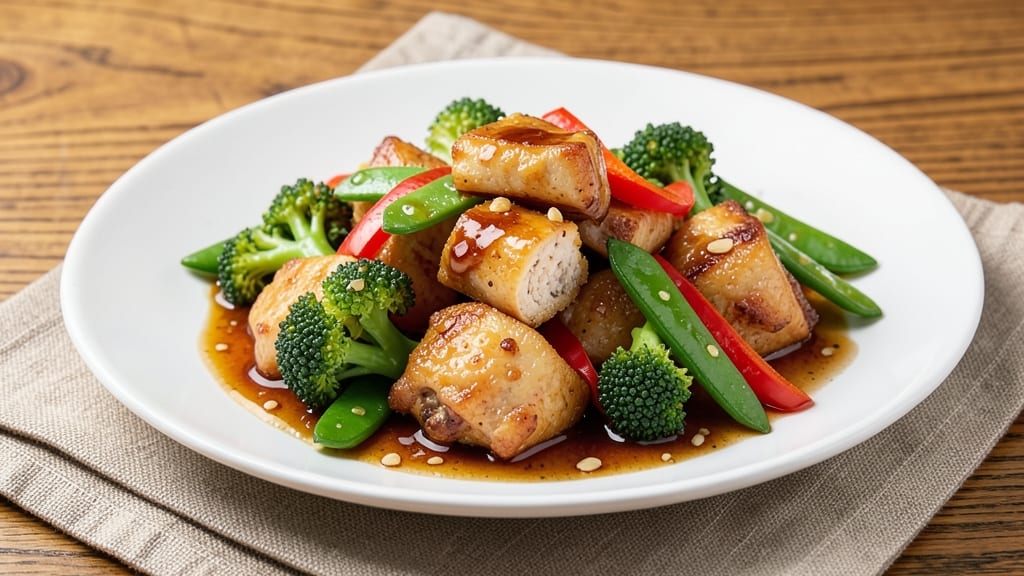
This chicken and vegetables with oyster sauce recipe delivers restaurant-quality umami in just 20 minutes—no takeout required. The secret lies in high-heat stir-frying to lock in juicy chicken and crisp-tender vegetables, then finishing with a glossy oyster sauce that balances sweet, salty, and savory notes perfectly.
I developed this after years of testing stir-fry techniques, and it’s now my go-to weeknight dinner that feels like a special occasion.
The foundation starts with tender chicken thighs (bone-in for extra flavor) cut into even pieces to ensure perfect doneness, paired with vegetables that hold up to quick cooking—bell peppers, broccoli, and snap peas work beautifully.
The oyster sauce, reduced with garlic and ginger, adds depth without overpowering, while a splash of sesame oil at the end elevates every bite with nutty aroma. This method preserves the natural sweetness of the vegetables while creating a sauce that clings to everything.
What you’ll end up with is a vibrant, aromatic dish where each component shines: juicy chicken, crisp-tender vegetables, and a sauce so rich it coats every bite.
The wok hei (breath of the wok) technique ensures the chicken stays moist while the vegetables stay crisp, and the sauce delivers that signature umami punch that makes this dish unforgettable. Serve over steamed jasmine rice or noodles for a complete meal that’s both satisfying and balanced.
This recipe works for busy weeknights or weekend gatherings—scale it up easily by doubling the sauce or adding more vegetables. The key is keeping everything moving quickly over high heat, so the chicken doesn’t dry out and the vegetables stay vibrant.
Trust me, once you taste this, store-bought stir-fry kits will never compare again.
Ingredients for chicken and vegetables with oyster sauce
High-heat stir-fry essentials that transform simple ingredients into restaurant-quality umami perfection.
| Ingredient | Amount | Notes |
|---|---|---|
| Boneless, Skinless Chicken Thighs 🍗 | 1 ½ lb | Cut into 1-inch pieces |
| Red Bell Pepper 🌶️ | 1 whole | Cut into thin strips |
| Broccoli Florets 🥦 | 3 cups | Medium-sized florets |
| Snap Peas 🌱 | 1 cup | Trimmed ends |
| Oyster Sauce 🍜 | ½ cup | High-quality brand preferred |
| Garlic Cloves 🧄 | 4 cloves | Minced for sauce |
| Fresh Ginger 🌿 | 1 tbsp | Finely grated |
| Sesame Oil 🫒 | 1 tbsp | For finishing |
| Neutral Oil 🫒 | 2 tbsp | Avocado or vegetable oil |
| Low-Sodium Soy Sauce 🥢 | 1 tbsp | For balance |
| Honey 🍯 | 1 tbsp | For sauce sweetness |
| White Wine Vinegar 🍶 | 1 tsp | For brightness |
| Toasted Sesame Seeds 🌾 | 1 tsp | For garnish |
| Diamond Crystal Kosher Salt 🧂 | ½ tsp | For seasoning |
| Freshly Ground Black Pepper 🌶️ | ¼ tsp | For finishing |
The chicken thighs are non-negotiable here—bone-in for flavor, skinless for ease. Look for plump, pink thighs at Whole Foods or your local butcher, not the pre-cut, water-injected packages. The vegetables should be fresh but firm: broccoli with tight florets and snap peas with crisp pods. Oyster sauce quality matters—Lee Kum Kee or Kikkoman are reliable brands, but avoid the watery varieties. For the garlic and ginger, organic is best—no need to peel the ginger if you're grating it fresh, just scrub it well. The sesame oil should be toasted, not flavored—Trader Joe's carries a great option that's affordable and potent.
No oyster sauce? Soy sauce plus a splash of fish sauce and a pinch of sugar mimics the umami, though it won't be identical. Substitute bell peppers with zucchini or mushrooms if needed, but time them carefully—they cook faster. The honey can be swapped for maple syrup, and white wine vinegar becomes rice vinegar. For extra depth, add a dash of chili crisp at the end. If you're pescatarian, shrimp or scallops work beautifully instead of chicken—just cook them faster to avoid overcooking. The key is keeping everything moving quickly over high heat to maintain texture.
Prep the sauce first—it only takes 5 minutes to reduce. Store it in a small glass jar in the fridge for up to 1 week, though it's best fresh. The cooked stir-fry reheats well in a skillet with a splash of water, but it's best served immediately over steamed jasmine rice. For meal prep, portion the sauce separately and store the chicken and vegetables in airtight containers—they'll keep for 3 days. Freeze the sauce alone for up to 3 months if you're planning ahead. The sesame seeds should be toasted in a dry pan for 30 seconds before adding to keep them fresh.
Why You'll Love This Recipe
- One-Pan Magic: I swear by this trick—just toss the chicken, bell pepper, broccoli, and snap peas on a single sheet pan, drizzle with oyster sauce, and let the oven do the work. No chopping boards to scrub, no pots to wash. (Yes, even on a Tuesday night.)
- Umami Bomb: That oyster sauce? It’s the secret weapon—salty, sweet, and deep all at once. The chicken stays juicy while the veggies get a glossy, caramelized edge from the sauce’s richness. Honestly, I’ll take this over takeout any day.
- Lunchbox Hero: I double the batch on Sundays because it reheats like a dream—perfect for packed lunches or last-minute dinner guests. The snap peas stay crisp, the chicken stays tender, and the oyster sauce keeps everything tasting fresh. (My kids actually eat their veggies this way.)
- Budget Win: Chicken thighs are cheaper than breasts, bell peppers last forever, and oyster sauce stretches far. For under $10, you feed four with leftovers that taste just as good cold. Between us, this is how I stretch my grocery budget without sacrificing flavor.
Step-by-step instructions for chicken and vegetables with oyster sauce
This stir-fry delivers bold umami flavor and vibrant texture in under 20 minutes—here's how to execute it flawlessly.
Prep Ingredients for Even Cooking
Cut the 1.5 lb boneless, skinless chicken thighs into 1-inch pieces—this ensures even cooking and maximum surface area for the sauce to cling. Trim the ends from the 1 cup snap peas and separate the 3 cups broccoli florets into medium-sized pieces (about ½-inch diameter). Slice the 1 whole red bell pepper into thin strips—this allows for quick cooking without becoming mushy.
While prepping, finely grate the 1 tbsp fresh ginger and mince the 4 cloves garlic—these aromatics form the flavor base of the sauce. I like to use a microplane for the ginger to maximize surface area and release more of its zesty oils. Keep all prepped ingredients in separate bowls until ready to use; this keeps your workspace organized and prevents cross-contamination.
Sear Chicken Until Golden Brown
Heat 2 tbsp neutral oil in a large skillet or wok over medium-high heat until shimmering—this should take about 2 minutes. Add the chicken pieces in a single layer, leaving space between them to avoid steaming. Cook undisturbed for 3-4 minutes until the chicken develops a deep golden-brown crust on all sides.
This initial sear is critical—it locks in juices and creates a flavorful foundation for the sauce. If the chicken releases easily from the pan, it's ready to move. Transfer the seared chicken to a plate and set aside, leaving the rendered oil in the pan for the vegetables. The residual fat carries all the caramelized flavors into the next components.
Stir-Fry Vegetables Until Crisp-Tender
In the same skillet, add the prepped red bell pepper strips, broccoli florets, and snap peas. Stir-fry over high heat for 3-4 minutes until the vegetables are bright green and just beginning to soften—they should still offer a slight bite. Overcooking at this stage will turn them mushy when the sauce is added.
Work quickly and keep the vegetables in motion with a spatula or wok toss. The goal is to blister the edges slightly while maintaining their vibrant color. If the pan starts to smoke excessively, reduce heat slightly—you want to maintain high heat without burning the vegetables.
Build the Sauce and Combine
Lower the heat to medium, then add the 0.5 cup oyster sauce, 1 tbsp low-sodium soy sauce, 1 tbsp honey, 1 tsp white wine vinegar, 1 tbsp finely grated ginger, and 4 cloves minced garlic. Stir constantly for 1-2 minutes until the sauce thickens slightly and coats the back of a spoon. The mixture should smell rich and aromatic—this is your cue that the flavors are melding.
Return the chicken to the pan and toss everything together for 1-2 minutes until the chicken is fully coated in the sauce. The vegetables should be tender-crisp, not soggy. If the sauce seems too thick, add 1-2 tablespoons of water to loosen it. The sauce should cling to the chicken and vegetables without being overly glossy.
Finish and Serve Immediately
Drizzle the stir-fry with 1 tbsp sesame oil and sprinkle with 1 tsp toasted sesame seeds. Toss gently to distribute the oil evenly—this adds a nutty aroma and subtle heat. Season with 0.5 tsp kosher salt and 0.25 tsp freshly ground black pepper, then taste and adjust if needed. The dish should balance sweet, salty, tangy, and umami notes.
Serve immediately over steamed jasmine rice or noodles to soak up the flavorful sauce. The contrast of the warm, aromatic rice with the vibrant stir-fry creates a complete meal. For best results, serve while the vegetables retain their crisp texture and the sauce is still glossy—this dish doesn't wait well.
Pro Tips For Making Chicken And Vegetables With Oyster Sauce
- CUT CHICKEN SMALLER THAN YOU THINK: I used to leave the chicken thighs in big chunks, figuring they’d cook through evenly—but they’d dry out on the outside before the center hit 165°F. Now I slice them into 1-inch pieces (or even smaller if they’re thick). They’ll cook faster, absorb the oyster sauce better, and stay juicy, even if you’re not staring at the pan the whole time.
- BLANCH VEGETABLES FIRST: Toss broccoli and snap peas in boiling water for 30 seconds before stir-frying—yes, even if you’re impatient. This softens them just enough so they don’t turn mushy later while the chicken cooks. Skip it, and you’ll end up with a pile of sad, overcooked greens by the time the sauce clings to the meat.
- DON’T DROWN THE PAN: Oyster sauce is salty and thick—you only need 2 tablespoons for this dish, not a glug from the bottle. Too much will make the veggies soggy and the chicken taste like soy sauce. Start with less, taste as you go, and add a splash of water if it gets too sticky before the sauce hits the pan.
- SEAR CHICKEN IN BATCHES: Crowd the pan, and the chicken will steam instead of brown. Work in two batches if needed—even a 10-inch skillet can’t handle more than 4 thighs at once without losing that crisp edge. A quick sear (2-3 minutes per side) locks in flavor, and the sauce will cling better to caramelized bits than raw meat.
Perfect pairings for this recipe
Rice Pairing Perfection
Steamed jasmine rice is my go-to base for this stir-fry—its delicate floral aroma complements the umami sauce beautifully. Use 1 cup dry rice per serving (about 3 cups cooked) and steam until just tender.
For extra fluffiness, spread the rice on a tray after cooking to cool slightly before serving. 🍚
For a heartier option, try brown rice or forbidden black rice—both add nutty depth that stands up to the sauce. I like to rinse the rice thoroughly before cooking to remove excess starch, which prevents gumminess.
Serve the stir-fry directly over the rice so every bite gets that glossy sauce coating.
Noodle Alternatives
Swap rice for egg noodles or rice noodles for a lighter, more adaptable dish. Cook the noodles according to package instructions, then toss them with the stir-fry just before serving. I prefer udon noodles for their chewy texture—they soak up the sauce without becoming mushy. 🍜
For a gluten-free option, use shirataki noodles (konjac-based) and rinse them well to remove any bitter taste. These noodles hold their shape beautifully and add a satisfying texture contrast to the crisp vegetables. Always cook them first, then mix with the stir-fry at the very end to prevent overcooking.
Side Dish Harmony
A simple cucumber salad with rice vinegar and sesame seeds cuts through the richness of the stir-fry. Thinly slice 1 English cucumber, toss with 1 tbsp rice vinegar, ½ tsp sugar, and a pinch of salt. The cool, crisp texture balances the warm, umami flavors perfectly. 🥒
For a protein boost, serve with crispy tofu cubes or shrimp on the side. The tofu should be pressed and pan-fried until golden, while shrimp cooks in just 2 minutes over high heat. Both add texture variety without overwhelming the dish's natural flavors.
Beverage Pairings
A crisp green tea like japanese sencha complements the dish's umami notes while cleansing the palate. The tea's vegetal sweetness mirrors the stir-fry's natural flavors. For a non-alcoholic option, try ginger beer—its spicy kick enhances the dish's overall warmth. 🍵
If you prefer wine, a light dry Riesling or pinot noir works beautifully. The Riesling's acidity cuts through the sauce's richness, while the pinot noir's earthy notes harmonize with the stir-fry's umami depth. Avoid heavy reds or oaky whites that would compete with the dish's delicate balance.
Nutrition facts
Frequently asked questions
Can I use chicken breast instead of thighs for this recipe?
Chicken breast works, but thighs are ideal for stir-fry because they stay juicier during high-heat cooking. If using breast, cut into ½-inch thick pieces and cook for just 2-3 minutes until 165°F internally. Add the sauce immediately to prevent drying out. For extra moisture, marinate the breast in 1 tbsp soy sauce for 15 minutes before cooking.
How do I prevent the vegetables from getting mushy?
Keep the heat high and stir constantly to maintain crisp-tender texture. Cook each vegetable separately if needed—broccoli and snap peas take 2-3 minutes, while bell peppers need 3-4 minutes. Add the sauce only after vegetables are nearly done, then toss everything together for 1 minute to coat. Overcrowding the pan also causes steaming—work in batches if needed.
Can I make this recipe without oyster sauce?
Mix 2 tbsp soy sauce, 1 tbsp honey, 1 tsp fish sauce, and ½ tsp sugar for a similar umami depth. For extra richness, add 1 tsp sesame paste. The sauce will be slightly less glossy but still flavorful. Adjust seasoning to taste after combining with the stir-fry.
What's the best way to reheat leftovers?
Reheat in a skillet over medium heat with 1 tbsp water or oil to prevent drying. Stir constantly for 3-4 minutes until warmed through. Avoid microwaving—it makes the sauce watery. For crispier veggies, add fresh snap peas or bell peppers when reheating and cook for 1-2 minutes before mixing.
How can I make this dish spicier?
Add ½ tsp chili flakes or 1 tsp sriracha to the sauce while reducing. For heat lovers, stir in 1 tbsp chili crisp at the end. If using fresh chili (like Thai bird's eye), mince 1 chili and cook with the garlic for 30 seconds before adding other ingredients. Always taste first—adjust gradually!