
Main Courses
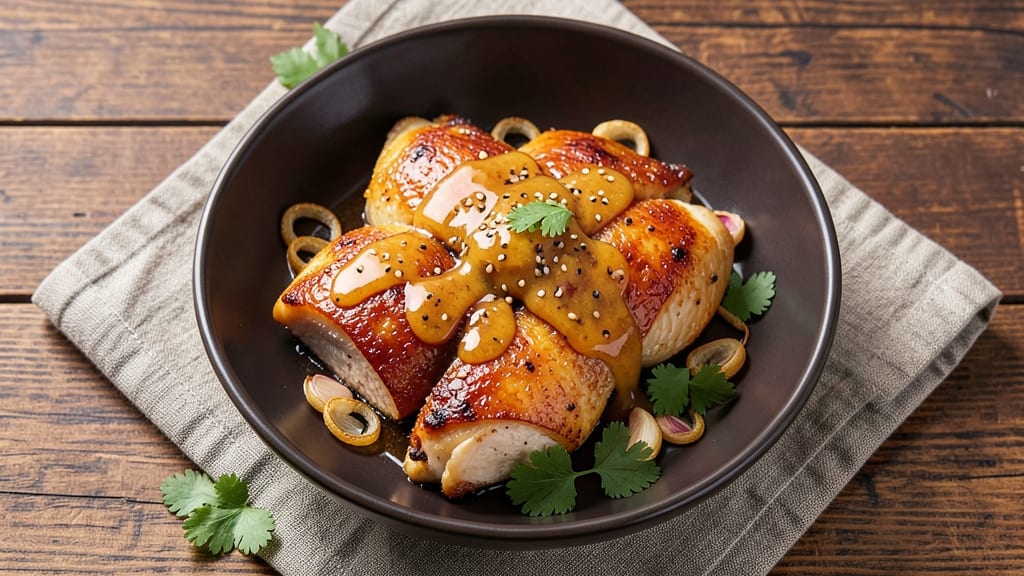
This baked miso chicken recipe delivers restaurant-quality umami depth with a caramelized glaze that clings to every bite like liquid gold. The secret lies in balancing sweet and salty miso with honey and soy, creating a sauce that transforms simple chicken thighs into something unforgettable. I've perfected this technique through countless batches—each one more addictive than the last.
The magic happens when the miso caramelizes in the oven, forming a glossy, sticky crust that's both savory and slightly sweet. This isn't your average baked chicken—it's a dish that builds layers of flavor through slow cooking and precise timing.
The result? Juicy, tender meat with a crust so flavorful it disappears before you can say "umami bomb."
What makes this recipe truly special is its versatility. Serve it over steamed rice for a comforting bowl, slice it for elegant appetizers, or pair it with roasted vegetables for a complete meal.
The glaze works equally well on chicken breasts or thighs, making it adaptable to any occasion without sacrificing depth of flavor.
Ready in about 45 minutes with minimal hands-on time, this dish proves you don't need complicated techniques to achieve restaurant-quality results. The miso glaze keeps well in the fridge, so you can prep ahead and finish cooking when you're ready. Here's how to make it perfectly every time.
Ingredients for baked miso chicken
Restaurant-quality umami starts with these 13 simple, flavor-packed ingredients.
| Ingredient | Amount | Notes |
|---|---|---|
| Boneless, Skinless Chicken Thighs 🍗 | 1 ½ lb | Trimmed of excess fat for cleaner glaze |
| White Miso Paste 🍶 | ½ cup | High-quality, not instant miso |
| Honey 🍯 | ¼ cup | Wildflower preferred for floral notes |
| Soy Sauce 🥢 | ¼ cup | Kosher salt-free preferred |
| Sesame Oil 🫒 | 1 tbsp | Toasted sesame oil for aroma |
| Garlic Cloves 🧄 | 6 cloves | Minced for even distribution |
| Fresh Ginger 🌿 | 1 tbsp | Grated, finely for smooth texture |
| Olive Oil 🫒 | 1 tbsp | Extra-virgin for richness |
| Brown Sugar 🍚 | 2 tbsp | Light or dark variety works |
| Rice Vinegar 🍶 | 1 tbsp | White rice vinegar preferred |
| Diamond Crystal Kosher Salt 🧂 | 1 tsp | For seasoning chicken |
| Fresh Sesame Seeds 🌾 | 1 tbsp | Toasted for garnish |
| Green Onions 🧅 | 3 whole | Sliced for garnish |
The miso is non-negotiable—White miso from Marukome or Hessian brands delivers that perfect balance of sweet and salty. Grab the paste, not powder—it's what creates that caramelized crust. The honey should be wildflower or clover for floral depth, not that cheap grocery store stuff. I always double-check the soy sauce label for kosher salt-free—it throws off the glaze's balance if it's already salty. For the chicken, thighs over breasts—they stay juicier during the long bake. If you can't find thighs, use breasts but bake at 325°F instead of 375°F.
No white miso? Red miso at half the amount works, but expect a deeper color. Substituting honey? Maple syrup or agave at the same quantity—just know it'll be slightly less floral. Sesame oil missing? Toasted peanut oil gives similar nuttiness. The garlic and ginger can be swapped for 1 tbsp each of garlic powder and ground ginger in a pinch, though fresh is ideal. For extra richness, add 1 tbsp of peanut butter to the glaze—trust me, it's a game-changer. The brown sugar can be omitted if you're watching carbs, but I wouldn't recommend it—the glaze loses that perfect balance.
Prep the chicken and glaze ahead—it actually tastes better the next day as flavors meld. Store the uncooked chicken in the fridge for up to 2 days or freeze the glaze separately for 3 months. Once baked, leftovers keep for 4 days in the fridge—slice and reheat in a skillet with a splash of water for that crispy crust. The glaze thickens when chilled, so thin with a splash of water if it's too stiff. Garnish with sesame seeds and green onions right before serving—they add that restaurant-fresh touch.
Why You'll Love This Recipe
- Five-Ingredient Magic: That’s it—just five things in the bowl before baking. No chopping, no fussing, and the miso and honey do all the heavy lifting while you’re scrolling through your phone.
- Umami Bomb: The white miso paste? It’s the secret weapon here—salty, sweet, and deeply savory all at once. One bite and you’ll understand why I keep this recipe on repeat.
- Lunchbox Hero: Make a big batch on Sunday, and you’ve got crave-worthy leftovers for days. The chicken stays juicy, the glaze thickens just right, and it reheats like a dream (microwave or oven, no judgment).
- Budget Flex: Chicken thighs are forgiving and affordable, and miso paste lasts forever. Honestly, this recipe stretches my grocery budget without sacrificing flavor—every penny feels intentional.
Step-by-step instructions for baked miso chicken
Here's how to transform simple chicken thighs into a sticky, caramelized masterpiece with layers of umami and sweetness.
Marinate the Chicken for Maximum Flavor
In a large bowl, combine the 1.5 lb boneless, skinless chicken thighs, 0.25 cup soy sauce, 1 tbsp rice vinegar, 1 tbsp olive oil, 2 tbsp brown sugar, and 1 tsp diamond crystal kosher salt. Mix gently to coat the chicken evenly, ensuring the marinade penetrates the meat. Let it sit at room temperature for 15 minutes—this jumpstarts the flavor infusion.
While the chicken marinates, mince the 6 cloves garlic and grate the 1 tbsp fresh ginger using a microplane. The fine texture ensures these aromatics dissolve completely into the glaze later. I like to press the garlic and ginger through a fine-mesh strainer to eliminate any tough bits that could make the sauce gritty.
Create the Sticky Glaze
In a small saucepan over medium-low heat, whisk together the 0.5 cup white miso paste, 0.25 cup honey, 1 tbsp sesame oil, and the minced garlic and ginger. Cook for 5-7 minutes, stirring constantly, until the mixture thickens slightly and becomes glossy. You're aiming for a smooth, paste-like consistency that will cling beautifully to the chicken.
Remove from heat and stir in 1 tbsp toasted sesame seeds—this adds nutty depth and visual appeal. The glaze should be thick enough to coat the back of a spoon but still pourable. If it thickens too much while baking, we'll adjust with a splash of water later. Let the glaze cool for 10 minutes before using.
Bake to Sticky Perfection
Preheat your oven to 375°F and position a rack in the center position. Line a baking sheet with parchment paper or foil for easy cleanup. Arrange the marinated chicken thighs in a single layer, leaving ½ inch of space between each piece—they'll expand as they bake.
Pour the cooled glaze evenly over the chicken, using about 2 tablespoons per thigh. Bake for 25 minutes, then carefully flip each piece and baste with any accumulated pan juices. Return to the oven for another 10-15 minutes until the chicken reaches an internal temperature of 165°F and the glaze has caramelized to a deep amber color with sticky pockets.
Rest and Garnish
Transfer the baked chicken to a cutting board and let it rest for 5 minutes. This resting period allows the juices to redistribute, ensuring each bite is moist and flavorful. While the chicken rests, slice the 3 whole green onions into ¼-inch pieces for garnish.
Drizzle any remaining glaze from the baking sheet over the chicken, then sprinkle with the sliced green onions. The contrast of fresh green against the rich, caramelized glaze makes this dish visually stunning. Serve immediately with steamed rice or roasted vegetables to soak up every last bit of that sticky, umami-packed sauce.
Pro Tips For Making Baked Miso Chicken
- Preheat Like It’s 1999: Your oven should hit 425°F (220°C) before the chicken goes in—no exceptions. I used to slide the tray in cold and wonder why the miso paste burned before the chicken cooked through. That high heat gets the crust caramelized fast, so don’t skimp.
- Whisk the Miso: Mix the white miso paste with honey and soy sauce until it’s smooth, not lumpy. I learned this the hard way—when you just stir it, you end up with miso clumps that won’t stick to the chicken. A fork or small whisk does the job in seconds.
- Don’t Crowd the Pan: Leave at least ½ inch of space between thighs—otherwise, they’ll steam instead of brown. I used to jam them in like sardines, and the result was sad, soggy edges. A single layer on the tray guarantees crispy, sticky edges.
- Baste Mid-Bake: After 15 minutes, pull the tray out and spoon the pan juices over the chicken. That’s when the miso glaze really starts working its magic. I was lazy about this for years, and the dish never tasted as rich as it could’ve.
Serving suggestions for baked miso chicken
Rice Pairings
Steamed jasmine rice is my go-to pairing—its delicate floral notes complement the miso glaze without overpowering it. Cook 1 cup uncooked rice with 1.25 cups water for a fluffy base that soaks up the sticky sauce beautifully. For extra richness, add 1 tbsp butter during the final rinse. 🍚
For a heartier option, try sushi rice tossed with 1 tsp rice vinegar and ½ tsp sugar while warm. The slight tang cuts through the sweet-salty glaze, balancing each bite perfectly. I often double the recipe to have leftovers for quick miso chicken bowls the next day.
Vegetable Sides
Roasted bok choy with a drizzle of 1 tbsp sesame oil and ½ tsp red pepper flakes adds a peppery crunch that contrasts the glaze's richness. Toss 2 heads bok choy in oil, sprinkle with salt, and roast at 400°F for 12 minutes until tender-crisp. 🥬
Sautéed shitake mushrooms in 1 tbsp butter and 1 tsp soy sauce provide an earthy depth. Cook 8 shiitake caps sliced into ¼-inch pieces for 8 minutes until golden. The umami in mushrooms echoes the miso, creating a cohesive flavor profile.
Appetizer Potential
Slice the baked chicken into ½-inch thick strips for elegant appetizers. Arrange on a platter with pickled ginger and extra sesame seeds for garnish. Serve with wonton strips for crunch—toss 1 package wonton wrappers with 1 tbsp oil and bake at 375°F for 5 minutes until crispy. 🍴
For a fusion twist, pair with cucumber salad made from 1 English cucumber sliced into ¼-inch rounds, tossed with 1 tbsp rice vinegar, ½ tsp sugar, and 1 tsp sesame seeds. The cool, refreshing crunch balances the warm, sticky chicken perfectly.
Drink Pairings
A crisp Japanese sake like Dassai or Kubota enhances the umami flavors without overpowering them. The clean finish cuts through the glaze's richness, making each bite taste brighter. 🍶
For non-alcoholic options, sparkling yuzu soda (like San Pellegrino Yuzu) adds a citrusy brightness that refreshes your palate. The effervescence also helps cleanse the rich flavors between bites, keeping the meal feeling light.
Nutrition facts
Frequently asked questions
Can I use chicken breasts instead of thighs?
Yes, but adjust the baking time and temperature. Chicken breasts cook faster and dry out more easily, so bake them at 325°F instead of 375°F for 20-25 minutes total (flip halfway). The glaze will still caramelize beautifully, but keep an eye on them—they're done when they reach 165°F internally. For extra juiciness, pound the breasts to even thickness before baking.
What if my glaze isn't sticky enough?
The glaze should thicken during baking—if it's too runny, it likely didn't caramelize properly. Try baking longer (5-10 extra minutes) or increase the oven temperature to 400°F for the last 5 minutes to help it reduce. If it's still too thin, simmer the leftover glaze on the stovetop for 2-3 minutes to thicken it before serving.
How long can I store the baked miso chicken?
Store leftovers in an airtight container in the fridge for up to 4 days. The glaze keeps well, but it may thicken when chilled—simmer with 1 tbsp water to restore its pourable consistency before reheating. For longer storage, freeze the cooked chicken (without the glaze) for up to 3 months. Reheat in a skillet over medium heat for 3-4 minutes to restore crispiness.
Can I make this recipe ahead of time?
Prep the chicken and glaze 1 day ahead—store them separately in the fridge. The flavors actually deepen overnight. When ready to cook, bake as directed. For a make-ahead appetizer, bake the chicken fully, let it cool, then slice into strips and store in the fridge. Reheat in a 350°F oven for 10 minutes before serving to restore the glaze's stickiness.
Why does my chicken turn out dry?
Overcooking or skipping the rest time are the most common culprits. Always use a meat thermometer—chicken is done at 165°F, but remove it from the oven when it hits 160°F to allow carryover cooking. Also, never skip the 5-minute rest after baking—this lets juices redistribute. For extra moisture, brine the chicken for 30 minutes in 1 cup water + 1 tbsp salt before marinating.