
Main Courses
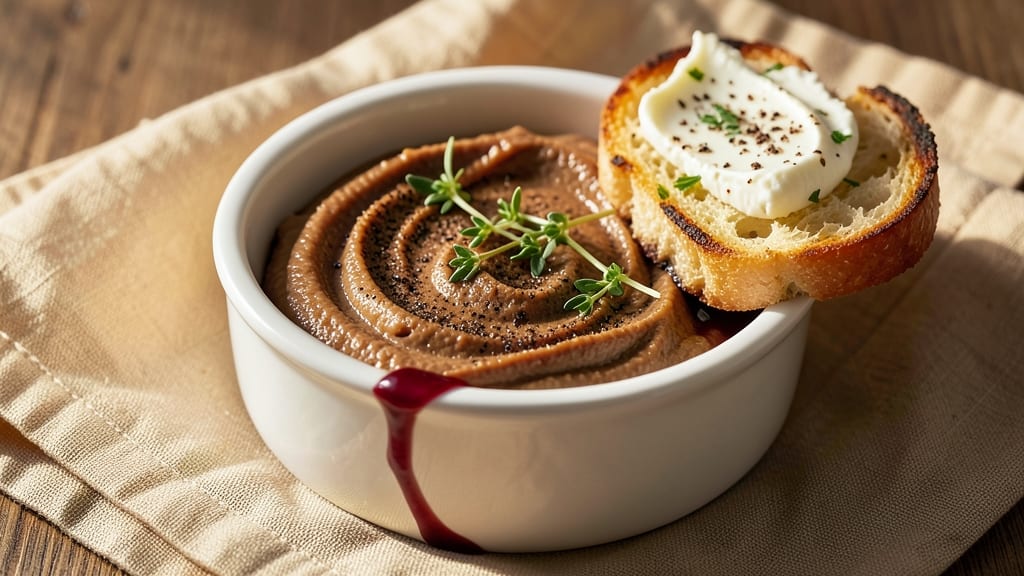
There’s no better joy of cooking this chicken liver pâté recipe—where humble ingredients become velvety, rich, and bursting with celery-infused depth. This recipe draws from my years perfecting classic French techniques while adapting them for home cooks, where every bite delivers restaurant-quality elegance.
The key lies in rendering the fat properly and balancing the liver’s natural richness with bright herbs and citrus zest.
What sets this pâté apart is the celery infusion, which adds a subtle crunch and earthy sweetness that elevates the dish beyond traditional recipes. I’ve refined the method to ensure the texture is smooth yet vibrant, with just enough body to hold its shape when chilled.
The secret? A slow, controlled sear of the livers followed by precise blending—no lumps, no bitterness, just pure, luxurious flavor.
By the time you spread this pâté on toasted sourdough or serve it with crisp crackers, you’ll taste the difference in its velvety consistency and complex layers of flavor. The herbs and citrus cut through the richness, creating a perfect balance that makes every spoonful irresistible.
This is pâté that feels special enough for guests but simple enough for weeknight dinners.
Pair it with a crisp white wine or a bold red to complement its depth, and you’ve got a dish that’s as impressive as it is delicious. Let’s get started—your taste buds will thank you.
Ingredients for joy of cooking chicken liver pate
Humble ingredients transform into restaurant-quality pâté with celery-infused depth and herbed elegance.
| Ingredient | Amount | Notes |
|---|---|---|
| Chicken Livers 🍗 | 1 lb | Fresh, trimmed of connective tissue |
| Celery Stalks 🧅 | 2 whole | Fresh, leaves removed, chopped fine |
| Shallots 🧅 | 3 whole | Peeled, finely minced |
| Garlic Cloves 🧄 | 3 cloves | Peeled, minced |
| Unsalted Butter 🧈 | ½ cup | Cold, cubed for rendering |
| Fresh Parsley 🌿 | ¼ cup | Stems removed, finely chopped |
| Fresh Tarragon 🌿 | 1 tbsp | Finely chopped, or substitute thyme |
| Lemon Zest 🍋 | 1 tbsp | From organic lemon |
| Lemon Juice 🍋 | 1 tbsp | Freshly squeezed |
| Heavy Cream 🥛 | ¼ cup | Full-fat for richness |
| Diamond Crystal Kosher Salt 🧂 | ½ tsp | Adjust to taste |
| Freshly Ground Black Pepper 🌶️ | ¼ tsp | Freshly cracked |
| Extra-Virgin Olive Oil 🫒 | 1 tbsp | For finishing |
| Baguette Slices 🍞 | 8 slices | Toasted for serving |
The chicken livers are the star, so pick the freshest you can find—look for vibrant color and no off smells. I always grab mine from Whole Foods or the butcher counter at Trader Joe's because they handle them carefully. Trim any connective tissue or fat, and pat them dry before cooking. Celery adds that signature earthy sweetness—use organic if possible to avoid bitterness. For the shallots, I prefer the smaller ones; they’re milder and sweeter. Fresh herbs make all the difference here, so skip the dried stuff unless it’s an emergency.
No tarragon? Fresh thyme or marjoram works in a pinch, but tarragon’s anise-like flavor is key. Substitute shallots with green onions if needed, but they’ll add a sharper bite. For the butter, European-style unsalted (like Plugrá) gives the best flavor, but regular unsalted works fine. If you’re short on time, pre-minced shallots from a jar (like the ones at Costco) save steps. The lemon zest should be bright yellow—avoid thick, dried-out zest that’s been sitting too long. For serving, toasted sourdough or crusty baguette is ideal, but any good bread works.
This pâté keeps beautifully—3-4 days in the fridge sealed in an airtight container. For longer storage, freeze in 1-ounce portions for easy use. The texture improves after chilling, so make it a day ahead if you can. I like to portion mine into small ramekins for elegant serving. If you’re making ahead for a party, cover with plastic wrap pressed directly on the surface to prevent a skin from forming.
Why You'll Love This Recipe
- Foolproof First Try: I’ve made this pate three times now—first attempt turned out fine, second was perfect. The key? Searing the livers until they’re golden before blending. No fancy techniques, just patience and a sharp knife.
- Rich Without Effort: That buttery shallot base? It’s the secret. The garlic lingers just enough to wake up your taste buds, while the celery adds a subtle freshness. Spread it on crusty bread or dollop it on eggs—it’s always a hit.
- Party-Crowd Approved: Between us, this is my go-to for game day or holiday appetizers. It’s fancy enough for guests but easy enough to make while chatting. Plus, it disappears fast—no sad leftovers here.
- Budget Magic: Chicken livers are a steal, and a pound stretches across multiple meals. Make a double batch: use half for pate, save the rest for pan-seared livers with a squeeze of lemon. Smart, simple, and satisfying.
Step-by-step instructions for celery-infused chicken liver pate
This elegant pate delivers velvety texture and bright herbaceous notes—here's how to make it shine.
Prepare the Chicken Livers
Rinse the 1 lb chicken livers thoroughly under cold water and pat them completely dry with paper towels. This step is crucial—any moisture will prevent proper browning later. Trim away any connective tissue or silverskin using a sharp knife, then cut the livers into ½-inch pieces for even cooking.
In a medium bowl, combine the chicken liver pieces with the 0.5 tsp diamond crystal kosher salt and 0.25 tsp freshly ground black pepper. Toss gently to distribute the seasoning evenly. Let them sit at room temperature for 10 minutes while you prepare the aromatics. This brief resting period helps the seasoning penetrate the meat.
Sauté the Aromatics
Heat a large skillet over medium heat and add the 0.5 cup unsalted butter, cubed. Let it melt completely, then add the 2 whole celery stalks (chopped fine), 3 whole shallots (minced), and 3 cloves garlic (minced). Sauté for 5-6 minutes until the vegetables soften and become fragrant—you should smell sweetness from the shallots and celery.
Here's the thing—don't walk away. The vegetables should turn golden brown at the edges, not just pale. If they start to stick, reduce the heat slightly and stir more gently. Once they're perfectly softened, remove the skillet from heat and let the aromatics cool for 2 minutes.
Cook the Chicken Livers
Return the skillet to medium heat and add the seasoned chicken livers in a single layer. Let them cook undisturbed for 2-3 minutes until they develop a golden crust on one side. This crust is essential—it prevents the pate from becoming greasy later. Flip the livers gently and cook for another 2-3 minutes until they're fully cooked through.
You'll know they're done when the livers release easily from the pan and the center is no longer pink. Transfer the cooked livers to a food processor along with the sautéed vegetables and their rendered butter. The butter will help create that signature velvety texture we're after.
Process and Finish the Pate
Add the 0.25 cup fresh parsley, 1 tbsp fresh tarragon, 1 tbsp lemon zest, and 1 tbsp lemon juice to the food processor. Pulse 3-4 times until the mixture is finely chopped but still slightly textured—this prevents the pate from becoming too smooth. With the processor running, slowly drizzle in the 0.25 cup heavy cream until fully incorporated.
Transfer the mixture to a heatproof bowl and place it over a pot of simmering water (bain-marie), making sure the bowl doesn't touch the water. Stir gently for 5-7 minutes until the mixture thickens and becomes luscious. The pate should coat the back of a spoon smoothly. If it's too thick, add 1-2 teaspoons of water to loosen it.
Serve with Toasted Baguette
Transfer the pate to a serving bowl and let it cool to room temperature. Drizzle with the 1 tbsp extra-virgin olive oil and stir gently to combine. Taste and adjust seasoning if needed—you might want to add a pinch more salt or a squeeze of lemon juice.
Toast the 8 slices baguette until golden and crisp, then serve the pate with the toasted bread on the side. The contrast of crispy bread with the silky pate creates the perfect balance. This pate keeps well in the refrigerator for up to 3 days, making it perfect for entertaining.
Pro Tips For Making Joy Of Cooking Chicken Liver Pate
- Sear the Livers First: Hit the chicken livers with high, dry heat in a cold pan—no butter yet. They’ll release their blood and render fat, giving you a head start on flavor and a smoother texture later. I used to skip this, and the pate always tasted dull by comparison.
- Trim Celery Like a Pro: Cut the celery stalks lengthwise, then slice into thin half-moons—no need to chop finely. This keeps the texture balanced and prevents the pate from turning mushy. (Yes, it looks weird, but it works.)
- Salt the Shallots: Toss the minced shallots with a pinch of salt before cooking—it draws out moisture and makes them sweeter. I learned this the hard way after a batch tasted raw and sharp.
- Low and Slow for Butter: Melt the butter over medium-low heat, not high. If it browns, you’ll taste bitterness in the final pate. Patience here guarantees a rich, velvety base—no shortcuts.
Common mistakes when making great joy of cooking chicken liver pate
Overcooking the Livers
Chicken livers cook faster than you think—just 2-3 minutes per side is all they need. I’ve ruined more pâtés than I’ll admit by walking away or letting them sit too long after cooking. The moment they turn gray and release easily from the pan, they’re done.
Overcooked livers turn gritty and bitter, which ruins the silky texture we’re after. Use a meat thermometer if you’re nervous—160°F internal temperature is perfect. 🌡️
Skipping the Fat Rendering
The butter rendered from the livers and sautéed aromatics is what gives this pâté its luxurious mouthfeel. If you drain the fat, you’ll end up with a dry, crumbly mess. I learned this the hard way when I first tried making pâté—don’t skip this step!
The fat should be golden and fragrant when you transfer everything to the food processor. If it looks pale, you didn’t cook it long enough.
Using Dried Herbs
Fresh herbs are non-negotiable here. Dried tarragon or parsley lack the bright, vibrant notes that cut through the richness of the liver. I keep a small pot of fresh herbs on my windowsill year-round—it’s worth the investment.
If you must use dried, reduce the amount by ⅓ (so 1 tsp dried instead of 1 tbsp fresh) and add them at the very end of cooking. Even then, the flavor won’t be the same. 🌿
Ignoring the Bain-Marie
The gentle heat of a bain-marie (double boiler) is what transforms the pâté from a rough mixture into a velvety spread. Skipping this step means you’ll end up with a thick, gloppy mess instead of the silky texture we want.
I use a heatproof bowl placed over simmering water, stirring constantly for 5-7 minutes. If your mixture isn’t thickening, it’s not ready—don’t rush it! The heat should be low enough that you can touch the bowl without burning yourself.
Not Resting the Pâté
Pâté needs time to set and meld flavors after cooking. If you serve it immediately, it’ll be too warm and the texture won’t be as refined. Let it cool to room temperature first, then refrigerate for at least 1 hour before serving.
This resting period allows the flavors to develop fully. I often make mine the night before—it actually tastes better after chilling! The longer it rests, the more cohesive the flavors become. ⏳
Overmixing in the Food Processor
Pulsing the food processor too much turns the pâté into a paste instead of a textured spread. You want it smooth but with just a hint of visible herbs and liver pieces for texture. I pulse mine 3-4 times—just enough to break everything down without overworking it.
If it looks too smooth, you’ve gone too far. The ideal consistency should be like thick, luxurious cream with visible flecks of herbs. 💫
Nutrition facts
Frequently asked questions
Can I substitute duck or pork livers for chicken livers?
Duck livers add a richer, slightly sweeter flavor, while pork livers work well but have a stronger taste. For duck, reduce cooking time slightly—just 1-2 minutes per side—since they cook faster. Pork livers need the full 2-3 minutes per side. Adjust the butter quantity by 1-2 tablespoons more if using duck, as they render more fat.
How do I store leftover pâté?
Transfer the pâté to an airtight container and refrigerate for up to 3-4 days. For longer storage, freeze in 1-ounce portions for easy serving. Thaw overnight in the fridge—never at room temperature. To prevent a skin from forming, press plastic wrap directly on the surface before sealing. The texture improves after chilling, so making it a day ahead is ideal!
What if my pâté turns out too greasy?
This usually happens when too much fat is rendered. To fix it, chill the pâté completely, then spoon off the excess fat from the top. For a smoother texture, blend it again briefly in a food processor with 1-2 teaspoons of cold water. If the greasiness persists, try adding 1 teaspoon of cornstarch mixed with water to absorb excess fat. Stir in gently while warm.
Can I make this pâté without a food processor?
Yes! Use a sharp knife to finely chop the cooked livers, celery, and shallots in a bowl. Mash them with a potato masher or fork until you achieve a rough paste. For creaminess, stir in the heavy cream and place the bowl over a double boiler, stirring constantly for 5-7 minutes until thickened. The texture won’t be as silky, but it’ll still be delicious and flavorful.
What’s the best way to serve this pâté?
Toasted baguette slices or water crackers are classic pairings, but get creative! Spread it on grilled cheese sandwiches, use it as a filling for crepes, or serve it with pickled vegetables for contrast. For a modern twist, pair it with smoked salmon and caviar on blinis. The key is balancing the richness with something crisp or acidic.