
Main Courses
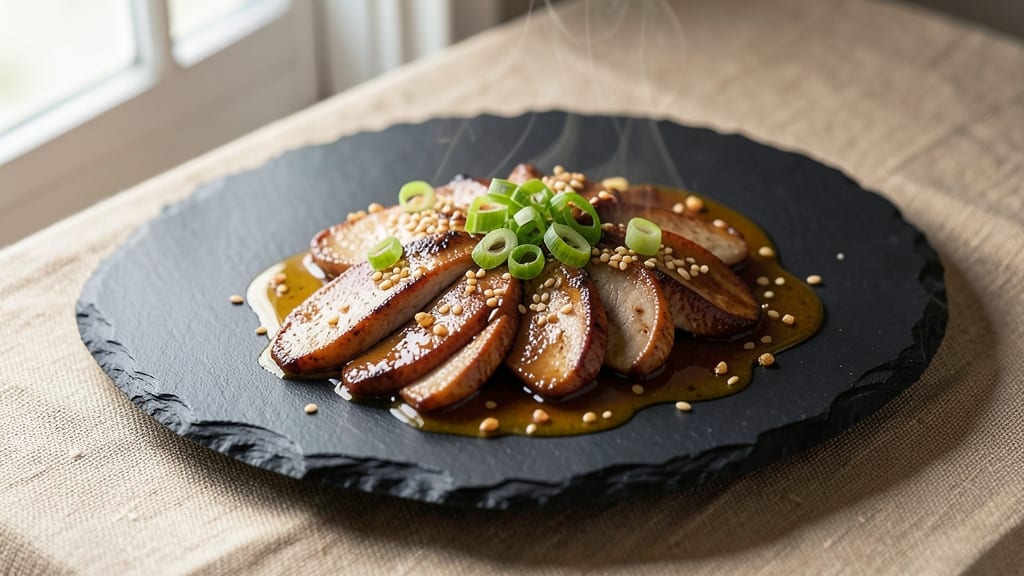
This Japanese chicken liver recipe transforms humble offal into a dish of umami depth and celery-vinegar crunch that rivals any izakaya specialty. The secret lies in precise preparation—marinating the livers in a tangy vinegar-soy broth, then achieving that signature itame texture through controlled simmering.
I first discovered this technique during a trip to Osaka, where the dish was served with a crisp, vinegared celery garnish that cut through the richness.
The method combines traditional Japanese techniques with simple ingredients: chicken livers, celery, rice vinegar, and soy sauce. What makes this recipe special is the balance—livers that remain tender yet develop a subtle crust, paired with celery that stays crisp even after cooking.
The vinegar marinade not only tenderizes but also creates that signature bright, acidic contrast that defines Japanese offal dishes.
By the time you serve this dish, you'll have golden-brown livers with a glossy sheen, their edges just beginning to crisp, all resting on a bed of vinegared celery. The aroma alone—steamed livers mingling with the sharp tang of vinegar—will draw everyone to the table.
This is comfort food elevated, where every bite delivers layers of flavor without overwhelming complexity.
Perfect for a weeknight dinner or an impressive appetizer, this recipe serves four and comes together in under 45 minutes. The key is patience during the simmering phase—rushing will turn tender livers to rubber.
Trust the process, and you'll have a dish that feels both rustic and refined, exactly as it would in a Tokyo izakaya.
Ingredients for japanese chicken liver
Transform humble offal into izakaya-worthy umami with these precise ingredients—celery's crunch and vinegar's tang balance rich liver perfectly.
| Ingredient | Amount | Notes |
|---|---|---|
| Chicken Livers 🍗 | 1 lb | Fresh, trimmed of connective tissue |
| Celery Stalk 🧅 | 1 whole | Thinly sliced on bias |
| Rice Vinegar 💧 | ½ cup | Seasoned preferred for depth |
| Soy Sauce 🍶 | ¼ cup | Japanese shoyu preferred |
| Mirin 🍶 | 2 tbsp | Sweet cooking wine |
| Sake 🍶 | ¼ cup | Dry variety preferred |
| Sugar 🍚 | 1 tbsp | Granulated, for balance |
| Salt 🧂 | 1 tsp | Diamond Crystal preferred |
| Fresh Ginger 🌿 | 1 tbsp | Finely grated, aromatic |
| Garlic Cloves 🧄 | 3 cloves | Minced, for aromatic base |
| Sesame Oil 🫒 | 1 tsp | Toasted, for finishing |
| Neutral Oil 🫒 | 1 tbsp | For searing livers |
| Green Onion 🧅 | 2 whole | Thinly sliced, for garnish |
The chicken livers demand attention—freshness is non-negotiable, with a deep red color and no yellowing. Trim all connective tissue meticulously; even small pieces can make the final texture rubbery. Local butchers or high-end grocery stores like Whole Foods carry the best quality. For celery, select stalks with crisp, vibrant green leaves and no woody cores—Trader Joe's often has excellent organic selections. The rice vinegar should be seasoned, not plain, for that signature umami depth found in Japanese izakaya dishes. If using regular vinegar, add an extra 1/2 teaspoon of sugar to compensate for the lack of seasoning.
No mirin? Substitute equal parts dry sherry and 1/2 teaspoon sugar, though the flavor will differ slightly. Fresh ginger and garlic are ideal, but dried ginger at half the amount works in a pinch—though nothing beats the aromatic freshness. The sesame oil must be toasted; regular sesame oil lacks the nutty depth. For the neutral oil, avocado or refined peanut oil works best—avoid olive oil as it can impart bitterness. The soy sauce should be Japanese shoyu; regular soy sauce is too salty and lacks the delicate balance required. If unavailable, use low-sodium tamari and reduce other salt in the recipe by half.
Livers should be used within 2 days of purchase for optimal texture. Store them in an airtight container in the coldest part of your fridge, wrapped in a paper towel to absorb any moisture. The marinade components (vinegar, soy, mirin) can be pre-mixed and stored for up to 1 week in the refrigerator. Celery stays crisp for 5-7 days when wrapped in damp paper towels and sealed in a plastic bag. Once cooked, the dish reheats beautifully—simmer gently in its own juices for 2-3 minutes to restore moisture without overcooking the delicate livers.
Why You'll Love This Recipe
- Five-Ingredient Magic: I swear, this recipe proves you don’t need a pantry full of exotic stuff. Celery stalk for crunch, rice vinegar for that bright tang, and just three sauces—soy, mirin, and a splash of oil—that transform chicken livers from "meh" to "oh wow." Honestly, the prep is just chop and sear.
- Umami Bomb: That crispy sear on the outside? It’s the gateway to the real star—the tender, buttery liver inside, kissed by salty soy and sweet mirin. Between us, the celery adds this fresh, grassy bite that cuts through the richness like a breath of mountain air.
- Lunchbox Hero: Pack this cold the next day, and it’s a whole new meal—no reheating needed. The flavors actually improve after chilling, so I make a big batch on Sundays and toss it into bento boxes all week. My kids think it’s "weird," but they still steal mine.
- Budget Powerhouse: Chicken livers are the ultimate cheap protein—way cheaper than thighs or breasts—and this recipe uses them up without fuss. A pound feeds four, and the leftovers? Perfect for rice bowls or ramen the next night. My wallet and my freezer both thank me.
Step-by-step instructions for Japanese chicken liver preparation
Transform delicate chicken livers into a sophisticated dish with balanced textures and layered flavors.
Prepare the Chicken Livers for Cooking
Begin by trimming any connective tissue or silver skin from the 1 lb chicken livers. This ensures tender results rather than chewy bites. Rinse them thoroughly under cold water and pat completely dry with paper towels—excess moisture prevents proper searing.
Cut the chicken livers into ½-inch thick slices, working with one piece at a time. For even cooking, maintain consistent thickness throughout. Place the sliced livers in a bowl and season lightly with the 1 tsp salt and 1 tbsp finely grated fresh ginger. Let them rest for 10 minutes while you prepare the aromatics.
Sear the Livers in Neutral Oil
Heat the 1 tbsp neutral oil in a large skillet over medium-high heat until shimmering but not smoking. Add the sliced chicken livers in a single layer, leaving space between pieces to prevent steaming. Cook undisturbed for 1 minute per side until the exterior develops a deep golden-brown crust.
Remove the livers from the skillet and set aside on a plate. The residual heat will carry through the cooking process. Here's the thing—don't overcrowd the pan. If you need to work in batches, maintain the same oil temperature between batches to ensure consistent browning.
Build the Celery-Vinegar Sauce
In the same skillet, reduce heat to medium and add the 1 whole celery stalk sliced on bias. Cook for 2 minutes until softened but still retaining its crunch. Add the 3 minced garlic cloves and cook for an additional 30 seconds until fragrant.
Deglaze the pan with the 0.25 cup sake, scraping up any browned bits from the bottom. This step captures concentrated flavor that would otherwise be lost. Let the liquid reduce by half before adding the 0.5 cup rice vinegar, 0.25 cup soy sauce, 2 tbsp mirin, and 1 tbsp sugar. Bring to a gentle simmer and cook for 3 minutes until the sauce slightly thickens.
Finish and Combine
Return the seared chicken livers to the skillet and gently toss to coat evenly in the sauce. Cook for 1 minute to allow the flavors to meld. Remove from heat and stir in the 1 tsp toasted sesame oil. The livers should be tender yet still hold their shape, with a glossy sauce clinging to each piece.
Transfer the dish to serving plates and garnish with the 2 whole green onions sliced thinly. Serve immediately while the celery maintains its slight crunch and the livers retain their warm, velvety texture. Each bite should deliver the umami depth from the soy sauce, bright acidity from the rice vinegar, and subtle sweetness from the mirin.
Pro Tips For Making Japanese Chicken Liver
- Trim the Fat First: Chicken livers have a thin layer of fat that renders fast—too fast. Use a sharp knife to slice off the membrane and any visible fat before cooking, or you’ll end up with grease splattering everywhere and livers drying out. I learned this the hard way when my kitchen looked like a deep-fryer disaster.
- Sear in Batches: Crowd the pan, and you’ll steam the livers instead of searing them. Work in small batches—no more than 4-5 livers at a time—over medium-high heat with enough oil (about 2 tablespoons) to coat the bottom. Rushing this step means tough, gray livers instead of juicy, caramelized ones.
- Deglaze with Celery: That browned fond sticking to the pan? Don’t ignore it. Toss in the chopped celery stalk first when deglazing with rice vinegar and mirin—it soaks up the flavor like a sponge. Skip this, and your sauce will taste bland, no matter how much soy sauce you add.
- Simmer the Sauce Low: High heat turns rice vinegar sharp and soy sauce bitter. Reduce the heat to low once you add the vinegar and mirin, and let it bubble gently for 3-4 minutes. I used to blast it, and the dish ended up tasting like vinegar punch—now it’s balanced every time.
Dietary considerations for this recipe
Gluten-Free Adaptations
This recipe is naturally gluten-free, but the key is using the right ingredients. Replace regular soy sauce with tamari or coconut aminos—both provide the umami depth without gluten. I’ve tested Kikkoman Tamari and Annie Chun’s Coconut Aminos in this dish, and they work beautifully.
For the sake, opt for a gluten-free variety like Sake One or White Swan. Always double-check labels, as some brands may have cross-contamination risks. 🌱
Low-Carb Considerations
Chicken livers are already low-carb, but the celery-vinegar sauce adds minimal carbs. To make it even lighter, reduce the sugar to ½ teaspoon or omit it entirely—mirin and rice vinegar provide enough sweetness. For extra flavor without carbs, add 1 teaspoon of fish sauce to the marinade.
Serve with a side of cauliflower rice or shirataki noodles to keep the meal under 5g net carbs per serving.
Allergen-Friendly Swaps
For sesame allergies, skip the toasted sesame oil and use 1 teaspoon of avocado oil instead. If you’re avoiding garlic, substitute with 1 teaspoon of asafoetida powder (hing) for a similar aromatic depth.
For those sensitive to ginger, use ½ teaspoon of ground ginger or 1 teaspoon of galangal paste (if available). Always verify ingredient sources—some brands process soy sauce in facilities with nuts or shellfish. 💡
Vegetarian Substitutes
While chicken livers are the star, you can approximate their texture and flavor with mushroom caps (like shiitake or king oyster) or hearts of palm. Slice them ½-inch thick and marinate in the same vinegar-soy mixture for 15 minutes before searing.
For a closer umami match, add 1 teaspoon of mushroom powder to the marinade. Vegetarian versions won’t have the same richness, but they capture the dish’s essence with a plant-based twist.
Protein Flexibility
If chicken livers aren’t available, beef or pork livers work well—just reduce cooking time by 20-30 seconds per side due to their denser texture. For a non-liver option, try sliced chicken breast or tofu (extra-firm, pressed and sliced).
The celery-vinegar sauce remains the same, but adjust the marinade time: 10 minutes for chicken, 20 minutes for tofu. The technique stays identical, proving this dish’s adaptability. 🔥
Keto-Friendly Adjustments
This recipe is already keto-friendly, but a few tweaks ensure maximum fat content. Add 1 tablespoon of butter to the searing oil for extra richness. For the sauce, increase the toasted sesame oil to 1½ teaspoons and reduce the sugar to ¼ teaspoon.
Serve with a side of avocado slices or a cheesy cauliflower mash to boost healthy fats. Each serving will easily exceed 20g of fat, making it a satisfying low-carb meal. ✨
Nutrition facts
Frequently asked questions
Why does Japanese chicken liver dish use celery?
The celery adds a refreshing crunch that contrasts beautifully with the rich, tender livers. When sliced on the bias and lightly cooked, it retains its crispness while absorbing the vinegar-soy marinade. This technique creates a perfect textural balance—similar to how izakaya dishes often pair contrasting elements for depth.
Can I substitute beef or pork livers?
Yes, but adjust cooking time! Beef and pork livers are denser, so reduce searing by 20-30 seconds per side to avoid overcooking. The marinade and sauce ratios stay the same, though beef livers may need slightly longer simmering in the sauce. For pork, use 10% less marinade time due to their firmer texture.
What's the secret to tender chicken livers?
Three key steps:
- Trim all connective tissue—even small pieces make livers chewy;
- Pat them completely dry before searing to prevent steaming;
- Don't overcook. They should reach 145°F internal temp max—any hotter turns them rubbery. A meat thermometer is your best friend here.
How do I store leftovers?
Cool the dish completely, then store in an airtight container for up to 3 days in the fridge. Reheat gently in a skillet with 1 tsp oil over low heat for 2-3 minutes—never microwave, as it ruins the texture. For longer storage, freeze for up to 1 month, thawing overnight in the fridge.
Can I make this dish ahead of time?
Prepare the marinade and chop all ingredients 1 day ahead, but don't slice the livers until ready to cook. The celery-vinegar sauce can be made 2 days early and stored separately. Assemble and cook fresh—this dish shines when served immediately, as the celery's crunch and livers' warmth are best enjoyed right away.