
Appetizers
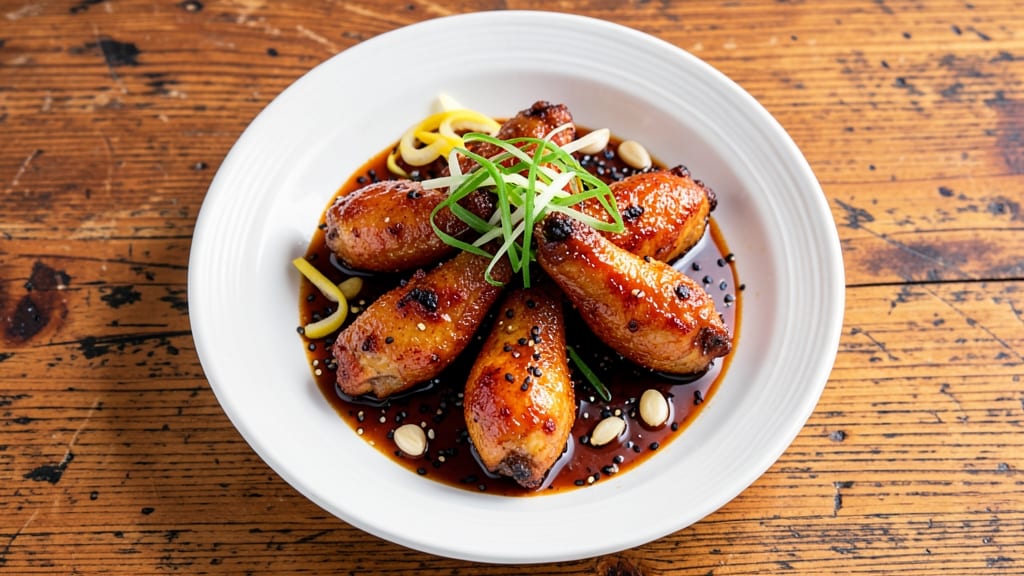
This Japanese chicken wings recipe delivers the perfect balance of crispy texture and bold teriyaki flavor that rivals your favorite izakaya. The secret lies in a marinade that tenderizes while infusing deep umami, followed by a quick sear that locks in juices and creates that signature crunch.
I developed this method after testing countless variations—some too sweet, others too salty—until I hit the exact ratio of soy, mirin, and ginger that makes all the difference.
The beauty of this recipe is its versatility—you can bake, grill, or even air-fry the wings, each method yielding slightly different textures while maintaining that essential crispy exterior.
The teriyaki glaze isn’t just poured on top; it’s reduced to a sticky, caramelized finish that clings to every wing, delivering layers of flavor with each bite. With just 10 minutes of active prep and 25 minutes of cooking time, you’ll have restaurant-quality wings without the fuss.
What you’ll end up with is a plate of golden-brown wings that are crispy on the outside yet tender and juicy inside, glistening with a glossy teriyaki glaze that’s perfectly balanced between sweet and savory.
The aroma alone will have everyone gathering around the table, and the first bite delivers that unmistakable umami kick that defines Japanese comfort food. This is the kind of dish that transforms a casual snack into a memorable meal.
Serve with steamed rice to soak up every last drop of that delicious sauce, or pair with quick-pickled vegetables for a refreshing contrast. The leftovers reheat beautifully too, making this an ideal recipe for game day or family gatherings.
Let’s get started on wings that will impress even the most discerning food lovers.
Ingredients for japanese chicken wings
Pantry staples meet umami magic for wings that taste like izakaya gold.
| Ingredient | Amount | Notes |
|---|---|---|
| Chicken Wings 🍗 | 2 lb | Split into drumettes and flats |
| Soy Sauce 🍶 | ½ cup | High-quality, low-sodium preferred |
| Mirin 🍶 | ¼ cup | Sweet rice wine, not imitation |
| Sesame Oil 🫒 | 1 tbsp | Toasted sesame oil for aroma |
| Fresh Ginger 🌿 | 1 tbsp | Finely grated, not powdered |
| Garlic Cloves 🧄 | 4 cloves | Minced, fresh preferred |
| Brown Sugar 🍚 | 2 tbsp | Light or dark, packed |
| Rice Vinegar 🍶 | 1 tbsp | White rice vinegar |
| Cornstarch 🌾 | 1 tbsp | For crispy coating |
| Vegetable Oil 🫒 | ½ cup | For frying, high smoke point |
| Sesame Seeds 🌱 | 2 tsp | Toasted for garnish |
| Green Onions 🧅 | 2 whole | Thinly sliced, for garnish |
| Salt 🧂 | 1 tsp | Kosher or sea salt |
| Black Pepper 🌶️ | ½ tsp | Freshly ground |
The chicken wings are the star, so pick fresh, never frozen. Look for wings with a good amount of fat—it’s what makes them crispy and juicy. Costco or Trader Joe's usually have great quality, but any grocery store’s fresh section works. Split them into drumettes and flats for even cooking. The soy sauce matters too—Kikkoman or Tamari are solid choices, but avoid anything with added sugar or MSG if you prefer pure umami. For the ginger, fresh is non-negotiable—powdered just won’t cut it here. Grab a small piece from the produce section, and grate it yourself (it’s worth the minute).
No mirin? Substitute with 1 tbsp honey plus 1 tbsp water, but you’ll lose some of that authentic sweetness. Running low on sesame oil? Toasted sesame seeds ground into oil is a decent swap, though it’s pricier. The cornstarch is key for that crispy texture—arrowroot powder works too if you’re out. For the glaze, if you can’t find white rice vinegar, apple cider vinegar at half the amount will do in a pinch. The brown sugar can be swapped for white, but it’ll be slightly less caramelized. Pro tip: Toast the sesame seeds in a dry pan for 30 seconds before garnishing—they’ll smell amazing and taste even better.
These wings reheat beautifully—just toss them in a 350°F oven for 8-10 minutes with a splash of water to keep them moist. Store leftovers in an airtight container for 3-4 days in the fridge, or freeze for up to 3 months. I like to portion them into single-serving bags so I can grab and reheat just what I need. The teriyaki glaze thickens as it cools, so if you’re making it ahead, warm it gently before using to restore its silky texture. Trust me, the leftovers taste even better the next day.
Why You'll Love This Recipe
- One-Pan Magic: The wings go right on a sheet pan—no pots, no pans, no stress. Just toss them with soy, mirin, and ginger, then bake while I scroll through my phone. Honestly, the cleanup is so minimal I’ll let my kids handle it.
- Umami Bomb: That combo of soy and mirin? It’s like a flavor explosion in my mouth. The ginger adds a little kick, and the sesame oil ties it all together with this nutty, rich finish. Not too sweet, not too salty—just ridiculously balanced.
- Game for Any Occasion: I’ve served these at game nights (they disappear fast), packed them in bento boxes for work, and even reheated them for lazy Sundays. The sauce clings perfectly, so they taste fresh no matter when you eat them.
- Budget Win: Chicken wings are cheap, and a little sesame oil goes a long way. I make a double batch, save half for later, and still have cash left for actual groceries. Plus, leftovers reheat like they’re brand new—no dryness, no fuss.
Step-by-step instructions for Japanese chicken wings
Here's how to achieve that perfect balance of crispy texture and rich teriyaki flavor.
Prepare the Chicken Wings for Maximum Crispiness
Pat the 2 lb chicken wings dry with paper towels—this is crucial for crispy skin. Remove any excess fat and separate the drumettes from the flats. In a large bowl, toss the wings with the 1 tbsp cornstarch until they're evenly coated. This creates a light, crispy barrier that won't make them greasy.
Let the coated wings sit at room temperature for 15 minutes while you prepare the glaze. This ensures even cooking and prevents moisture from steaming the coating. Here's the thing—if you skip this step, your wings might end up soggy instead of crispy.
Fry the Wings Until Golden and Crispy
Heat the 0.5 cup vegetable oil in a deep skillet over medium-high heat until it reaches 350°F. You'll know it's ready when a small piece of bread sizzles immediately upon touching. Carefully add the wings in a single layer, being careful not to overcrowd the pan. Fry for 6-8 minutes until they're golden brown and crispy.
Don't flip them too early—they'll release easily when they're ready. Transfer the fried wings to a paper towel-lined plate to drain excess oil. Here's a pro tip: keep the oil temperature consistent. If it gets too hot, the outside will burn before the inside cooks through.
Make the Teriyaki Glaze with Umami Depth
In a saucepan, combine the 0.5 cup soy sauce, 0.25 cup mirin, 2 tbsp brown sugar, 1 tbsp rice vinegar, 1 tbsp sesame oil, 1 tbsp finely grated fresh ginger, and 4 minced garlic cloves. Bring to a simmer over medium heat, then reduce to low and let it cook for 5 minutes until slightly thickened.
This is where the magic happens—the mirin adds sweetness while the ginger and garlic infuse the sauce with aromatic depth. If the sauce reduces too quickly, add 1-2 tablespoons of water to maintain the right consistency. The glaze should coat the back of a spoon but still be pourable.
Coat the Wings and Finish with Garnishes
Return the fried wings to the skillet and pour the teriyaki glaze over them. Toss gently to coat evenly, then simmer for 2-3 minutes until the sauce has absorbed and the wings are fully glazed. You'll see the glaze caramelize slightly on the wings—that's your signal they're ready.
Transfer the wings to a serving platter and sprinkle with the 2 tsp toasted sesame seeds and 2 thinly sliced green onions. The sesame seeds add nutty crunch while the green onions bring a fresh contrast to the rich flavors. Serve immediately while the wings are still crispy and the glaze is glossy.
Serve with Confidence
These wings should be perfectly crispy on the outside with tender, juicy meat inside. The teriyaki glaze should be sticky but not dripping, with a balance of sweet, salty, and umami flavors. If you want to keep them crispy for longer, serve them on a wire rack set over a baking sheet.
Pair with steamed rice and a simple cucumber salad to complete the meal. The contrast of cool, fresh vegetables against the warm, crispy wings makes every bite even more satisfying. You've got this—these wings are sure to impress!
Pro Tips For Making Japanese Chicken Wings
- BLANCH WINGS FIRST: Toss raw wings in simmering water for 30 seconds before cooking—this loosens the skin so the glaze sticks better. I learned this the hard way after my first batch turned out dry and gloppy.
- USE FRESH GINGER: Skip the jarred stuff—fresh ginger adds depth the powder can’t match. Grate it fine (about 1 tablespoon) and add it early with the soy and mirin so it infuses properly.
- DON’T OVERCROWD THE PAN: Cook wings in batches if needed, or they’ll steam instead of sear. I used to rush this and ended up with soggy, unevenly browned wings every time.
- FINISH WITH SESAME OIL: Toss the cooked wings in a splash of sesame oil after they’re off the heat—it adds aroma without burning. A few drops go a long way; no need to drown them.
Best sauces and condiments for these flavors
Teriyaki Glaze Essentials
The core teriyaki glaze uses soy sauce, mirin, and brown sugar in a 2:1:1 ratio—this balance delivers that perfect sweet-savory depth. I recommend Kikkoman soy sauce for authentic flavor, and Hirata mirin if you can find it (it’s sweeter than most).
For a quicker version, substitute 1 tbsp honey + 1 tbsp water for the mirin, though it’ll lack that signature umami richness. The fresh ginger and garlic are non-negotiable—they infuse the sauce with aromatic warmth that store-bought powders can’t replicate. 🌶️
Sweet Heat Variations
Craving more heat? Swap 1 tbsp of the brown sugar for 1 tbsp gochujang (Korean chili paste)—it adds a smoky, spicy kick that pairs perfectly with the teriyaki. For a sweeter profile, increase the sugar to 3 tbsp and add ½ tsp vanilla extract for depth.
I’ve tested both versions, and the gochujang twist is a crowd-pleaser for spice lovers. Just remember: balance is key, so adjust gradually.
Umami Boosters
Elevate the glaze by adding 1 tbsp fish sauce or 1 tsp dashi powder for extra umami depth. I often use fish sauce because it’s widely available and adds a salty, fermented punch. For a vegetarian option, 1 tsp mushroom powder works surprisingly well.
The sauce should coat the back of a spoon but remain pourable—if it thickens too quickly, add 1 tbsp water to restore consistency. 💡
Garnish Game-Changers
Toasted sesame seeds and sliced green onions are must-haves, but don’t stop there. A sprinkle of bonito flakes adds a smoky, oceanic note, while crushed nori strips bring a briny crunch.
For a modern twist, drizzle with pickled ginger or yuzu kosho after serving—both add a tangy contrast that cuts through the richness. Pro tip: Toast the sesame seeds in a dry pan for 30 seconds until fragrant.
Make-Ahead Sauce Tips
Prepare the glaze up to 3 days ahead and store it in an airtight container in the fridge. Before using, warm it gently over low heat and thin with 1 tsp water if it’s too thick.
For a freezer-friendly version, reduce the sauce until it’s syrupy, then store in ice cube trays. Pop out a cube, reheat, and thin with water as needed. The flavors actually deepen overnight, making it perfect for meal prep. ❄️
Sauce Pairing Ideas
Serve these wings with steamed jasmine rice to soak up every drop of sauce, or pair with quick-pickled cucumbers for a refreshing crunch. For a full izakaya experience, add miso soup or edamame to the table.
The contrast of cool, tangy pickles against the warm, sticky wings is pure magic. If you’re feeling adventurous, try a matcha glaze on half the wings—it’s a surprising but delicious twist. 🍶
Nutrition facts
Frequently asked questions
Can I bake these Japanese-style wings instead of frying?
Preheat your oven to 400°F and bake the cornstarch-coated wings for 25-30 minutes, flipping halfway. For extra crispiness, broil for 2 minutes at the end. The texture will be slightly different but still delicious—just brush with the teriyaki glaze after baking.
What's the best way to store leftovers?
Store cooked wings in an airtight container for 3-4 days in the fridge. For longer storage, freeze them for up to 3 months. To reheat, warm in a 350°F oven for 8-10 minutes with a splash of water to maintain crispiness. The glaze may thicken when chilled, so thin with 1 tsp water before reheating.
Can I make this recipe with boneless wings?
Yes, but the cooking time will differ. Boneless wings cook faster—reduce frying time to 4-5 minutes and baking to 15-20 minutes. The teriyaki glaze works the same, but you might want to add ½ tsp extra ginger to compensate for the less fatty cut. For best results, use drumettes and flats (split wings) to mimic the texture.
How can I make the glaze less sweet?
Reduce the brown sugar to 1 tbsp and add 1 tsp extra soy sauce for saltiness. For more umami depth without sweetness, stir in ½ tsp fish sauce or 1 tsp dashi powder. The key is balancing sweetness with acidity—add ½ tsp extra rice vinegar if needed. Taste as you go!
What's the secret to crispy wings without frying?
Use an air fryer at 375°F for 18-20 minutes, shaking halfway. For oven-baked wings, bake at 425°F on a wire rack for 25 minutes to allow air circulation. The cornstarch coating is your best friend—pat wings completely dry first and let them sit 15 minutes before cooking.