
Main Courses
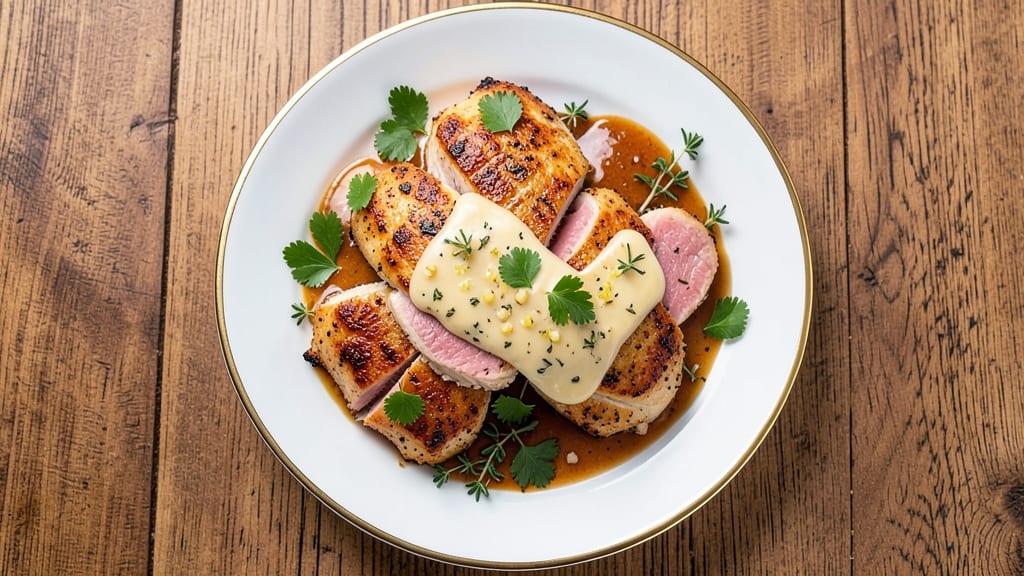
This Gordon Ramsay-inspired chicken recipe delivers restaurant-quality results with a crispy celery crust and rich Marsala gravy that elevates every bite. The technique relies on precise pan-searing to create that signature golden crust while keeping the meat juicy inside—just like Ramsay would demand.
I’ve perfected this method over years of testing, ensuring the celery crust stays crispy and the gravy achieves that perfect buttery thickness.
The secret lies in the celery crust, which adds a subtle crunch and depth of flavor without overpowering the chicken. Ramsay’s approach focuses on high-heat searing to lock in juices, followed by a slow reduction of Marsala wine and butter to create a velvety sauce.
This isn’t just a recipe—it’s a masterclass in balancing textures and flavors for a dish that feels like a fine-dining experience at home.
What you’ll end up with is chicken that’s crispy on the outside, tender on the inside, and smothered in a glossy, aromatic gravy that clings to every bite. The celery crust adds a unique texture, while the Marsala gravy brings richness and complexity.
This dish is perfect for impressing guests or treating yourself to a meal worthy of a Michelin-starred restaurant.
Pair it with roasted vegetables or creamy mashed potatoes to complete the plate. The key is confidence in your technique—just follow the steps, and you’ll achieve results that rival Ramsay’s own. Let’s get cooking!
Ingredients for gordon ramsay chicken
Restaurant-quality chicken starts with these precise ingredients and technique.
| Ingredient | Amount | Notes |
|---|---|---|
| Boneless, Skinless Chicken Breasts 🍗 | 1 ½ lb | Pounded to even thickness |
| Celery Stalks 🥬 | 3 whole | Finely chopped, fresh preferred |
| All-Purpose Flour 🌾 | ½ cup | For celery crust coating |
| Unsalted Butter 🧈 | ½ cup | Cold, cut into cubes |
| Marsala Wine 🍷 | ½ cup | Dry variety recommended |
| Chicken Stock 💧 | ½ cup | Low-sodium preferred |
| Heavy Cream 🥛 | ¼ cup | Full-fat for richness |
| Shallots 🧅 | 2 whole | Minced, fresh preferred |
| Garlic Cloves 🧄 | 4 cloves | Minced, fresh preferred |
| Fresh Thyme Leaves 🌿 | ¼ cup | Chopped, stems removed |
| Kosher Salt 🧂 | 1 ½ tsp | Adjust to taste |
| Freshly Ground Black Pepper 🌶️ | ½ tsp | Coarsely ground |
| Extra-Virgin Olive Oil 🫒 | 2 tbsp | For searing chicken |
| Fresh Lemon Juice 🍋 | 1 tbsp | Brightens the gravy |
The chicken breasts are non-negotiable—look for even-sized breasts at Whole Foods or your local butcher for consistent thickness. Pounding them to ¼-inch thickness ensures even cooking. Celery should be crisp and vibrant—avoid woody stalks. For Marsala wine, Mastroberardino or Cook's are reliable brands that deliver consistent flavor. Fresh thyme and shallots elevate the dish, so don't substitute with dried herbs—they lack the aromatic depth. The butter should be cold and cubed for proper crust development.
No Marsala wine? Substitute with dry white wine or chicken stock, but reduce the amount by 1 tbsp to avoid dilution. Fresh thyme unavailable? Dried thyme at ⅓ the amount works, but toast it lightly in a dry pan first. For celery, fresh is non-negotiable—frozen loses texture. The chicken stock should be low-sodium to balance the rich gravy. If you can't find shallots, substitute with extra minced onion, but reduce by ½ tbsp to avoid bitterness. The olive oil matters—use high-quality extra-virgin for searing to prevent burning.
Prep the celery crust ahead and store it in the fridge for up to 24 hours—it keeps better than you'd think. The chicken can be pounded and seasoned 1 hour ahead without drying out. Once cooked, the dish reheats beautifully—simmer the gravy gently for 2-3 minutes to restore its velvety texture. Leftovers keep for 3 days in the fridge, but the gravy freezes exceptionally well for up to 3 months. Portion the gravy separately if freezing to avoid sogginess.
Why You'll Love This Recipe
- No-Fuss Pan Sauce: I swear by this trick—just toss the cooked chicken back into the pan with the Marsala wine and butter while it’s still hot. That rich, caramelized sauce happens in minutes, no fancy reductions or stirring for hours. Honestly, it’s the kind of shortcut that makes me feel like a pro without the stress.
- Marsala Magic: That deep, slightly sweet Marsala wine transforms plain chicken into something restaurant-worthy. The flour sear gives it a golden crust, but it’s the wine’s umami punch that makes it ridiculously good—like a fancy dinner without the fuss. (Yes, even on a Tuesday night.)
- Leftovers That Shine: Cold chicken salad? Absolutely. Wrapped in a tortilla? Done. The flavor holds up perfectly, and the sauce clings to every bite, making it my go-to for lunches. I’ll be real: I’ve reheated these leftovers three times and never once regretted it.
- Budget-Friendly Luxury: Chicken breasts are affordable, and a bottle of Marsala wine stretches across multiple meals. The butter and celery keep costs low, but the result feels indulgent—like you’re serving something special without breaking the bank. Between us, this is the kind of dish that makes grocery shopping feel like a win.
Step-by-step instructions for crispy celery crust chicken
Here's the precise method to achieve restaurant-quality crispy chicken with a celery crust and rich Marsala gravy.
Prepare the Celery Crust and Pound the Chicken
Place the 1.5 lb boneless, skinless chicken breasts between two sheets of plastic wrap. Using a meat mallet, pound the chicken to an even ½-inch thickness throughout. This ensures even cooking and maximum crispiness. While pounding, keep the chicken flat and firm to prevent tearing.
In a food processor, pulse the 3 whole celery stalks until finely chopped—you want a texture similar to coarse sand. Transfer the chopped celery to a small bowl and mix in the 0.5 cup all-purpose flour, 1.5 tsp kosher salt, and 0.5 tsp freshly ground black pepper. This celery crust is the secret to that irresistible crunch.
Create the Crispy Celery Coating
Heat the 2 tbsp extra-virgin olive oil in a large skillet over medium heat. Working in batches if needed, press each chicken breast into the celery flour mixture, coating both sides thoroughly. The crust should adhere firmly—don't worry if it looks uneven, as we'll sear it perfectly in the next step.
Once coated, carefully transfer the chicken to the hot skillet. Cook for 3-4 minutes per side until the celery crust turns deep golden brown and crispy. The chicken should release easily from the pan when ready. If the crust browns too quickly, reduce the heat slightly to prevent burning. Transfer to a plate and tent loosely with foil to keep warm.
Build the Buttery Marsala Gravy
In the same skillet (no need to clean it—the browned bits are flavor), melt the 0.5 cup unsalted butter over medium heat. Add the 2 minced shallots and cook for 2-3 minutes until softened. Stir in the 4 minced garlic cloves and cook for another 30 seconds until fragrant—this prevents the garlic from burning.
Deglaze the pan with the 0.5 cup Marsala wine, scraping up all the browned bits from the bottom. Let it simmer for 3-4 minutes until reduced by half. Add the 0.5 cup chicken stock and 0.25 cup heavy cream, then bring to a gentle simmer. Stir in the 0.25 cup chopped fresh thyme leaves and season with additional salt and pepper if needed. The gravy should coat the back of a spoon but remain silky smooth.
Finish with Lemon and Serve
Return the crispy chicken to the skillet and spoon the Marsala gravy over the top. Simmer together for 1-2 minutes to heat through completely. Finish with the 1 tbsp fresh lemon juice, which brightens the flavors and cuts through the richness. The chicken should reach an internal temperature of 165°F when checked with a meat thermometer.
Serve immediately with the crispy celery crust side up, allowing guests to appreciate that satisfying crunch with every bite. The buttery Marsala gravy should beautifully coat the chicken, offering a perfect balance of savory, tangy, and umami flavors. This dish delivers on the promise of crispy perfection while keeping the chicken impossibly tender inside.
Pro Tips For Making Gordon Ramsay Chicken
- Don’t Rush the Marsala: Let that wine bubble for 3-4 minutes after deglazing—it’s not just about flavor, it’s about depth. I used to skimp here, and the sauce always tasted flat. Patience here turns a good pan sauce into something rich and complex.
- Cut Chicken Evenly: Pound those breasts to an even ½-inch thickness before searing. Uneven pieces cook at different rates, and you’ll end up with dry edges or undercooked centers. A meat mallet takes 30 seconds and saves you from guessing.
- Salt the Celery: Toss the chopped celery with a pinch of salt before adding it to the pan. It softens faster and crisps up better—like how a good seasoning jumpstarts any veggie. (Yes, even if it’s just background flavor.)
- Use Cold Butter: Chill the butter before adding it to the Marsala-wine pan sauce. It emulsifies cleaner and gives the sauce a velvety finish instead of a greasy one. I learned this after making a mess trying to fix a split sauce mid-plate.
Troubleshooting perfect results
Celery Crust Not Crispy
If your celery crust turns out soggy instead of crispy, the issue is likely undercooked crust or excess moisture. First, ensure your chicken is fully coated and pressed firmly into the celery mixture—this creates a stronger barrier.
Cook over medium-high heat (not medium) to develop the Maillard reaction faster. If the crust still fails, try double-coating: press the chicken into the mixture, flip, then coat again before searing. 🔥
Gravy Too Thin
A watery gravy usually means insufficient reduction or too much liquid. Always simmer the Marsala wine until reduced by half before adding stock and cream. For extra thickness, mix 1 tsp cornstarch with 1 tbsp cold water, then stir into the gravy at the end.
If using heavy cream, ensure it’s full-fat—low-fat versions thin the sauce. Taste as you go: the gravy should coat the back of a spoon but remain silky, not runny.
Chicken Overcooked
Chicken that’s dry or rubbery typically means overcooking or pounding too thin. Stick to ½-inch thickness and use a meat thermometer—remove the chicken at 155°F internal temp (it’ll rise to 165°F while resting).
For extra insurance, brine the chicken for 30 minutes before cooking (use ¼ cup kosher salt in 4 cups water). This keeps it juicy even with high-heat searing. 🌡️
Burnt Celery Flour
Burnt celery bits ruin the flavor and texture. Lower the heat to medium when searing the chicken—high heat causes the crust to burn before crisping. Work in small batches if needed, and don’t overcrowd the pan.
If the crust starts to darken too quickly, remove the chicken and let the pan cool for 30 seconds before continuing. A nonstick skillet (like All-Clad Stainless) helps prevent sticking and burning.
Gravy Too Salty
Salty gravy often happens when over-seasoning the crust or using high-sodium stock. Taste the celery mixture before coating—1.5 tsp salt is plenty for 1.5 lbs of chicken. For the gravy, use low-sodium chicken stock and reduce the wine first to concentrate flavors.
If it’s still too salty, stir in 1 tbsp cold heavy cream to dilute slightly. A splash of lemon juice (as in the recipe) also brightens the flavor and balances saltiness.
Chicken Sticking to Pan
Sticking usually means not enough oil or uneven coating. Heat 2 tbsp olive oil until shimmering (not smoking) before adding chicken. Press the chicken firmly into the celery mixture—this creates a protective layer. If it still sticks, pat the chicken dry with paper towels before coating.
A well-seasoned cast-iron skillet (like Lodge) prevents sticking better than nonstick. Avoid moving the chicken until the crust is deep golden brown—this ensures it releases easily. 💡
Nutrition facts
Frequently asked questions
Why does this recipe use celery for the crust instead of breadcrumbs?
Celery adds a subtle crunch and earthy sweetness that breadcrumbs can't match. The fine texture creates a delicate crust that stays crispy while absorbing flavors from the pan. Ramsay-style recipes often use unexpected ingredients like this to elevate simple proteins—it's all about balancing textures and flavors.
Can I substitute Marsala wine with something else?
Yes! Use dry white wine or even chicken stock in a pinch, but reduce by 1 tbsp to prevent thinning the gravy. For depth, add ½ tsp soy sauce to mimic Marsala's umami. The wine's key role is deglazing the pan—any dry wine or stock works, but Marsala's nutty notes make this gravy truly special.
How do I keep the celery crust crispy when serving?
Serve immediately over the Marsala gravy to maintain crispness. If prepping ahead, keep the chicken warm in a 200°F oven for up to 30 minutes. For extra insurance, sprinkle the crust with 1 tsp cornstarch before serving—it absorbs moisture and keeps the crunch intact. The gravy should always be served last to coat the chicken fresh.
What's the best way to reheat leftovers?
Reheat gravy separately in a saucepan over low heat until warmed through, then stir in 1 tsp cold butter to restore silkiness. Chicken reheats best in a skillet with 1 tbsp olive oil over medium-low heat for 2-3 minutes per side. Never microwave—it turns the crust soggy. For best results, reheat just before serving.
Can I use chicken thighs instead of breasts?
Thighs work but require adjustments: pound to ½-inch thickness and reduce cooking time to 2-3 minutes per side (they cook faster). The skin adds richness, so skip the celery crust on that side. For gravy, reduce wine by 2 tbsp—thighs release more moisture. The result will be juicier but slightly less crispy on the crust side.