
Main Courses
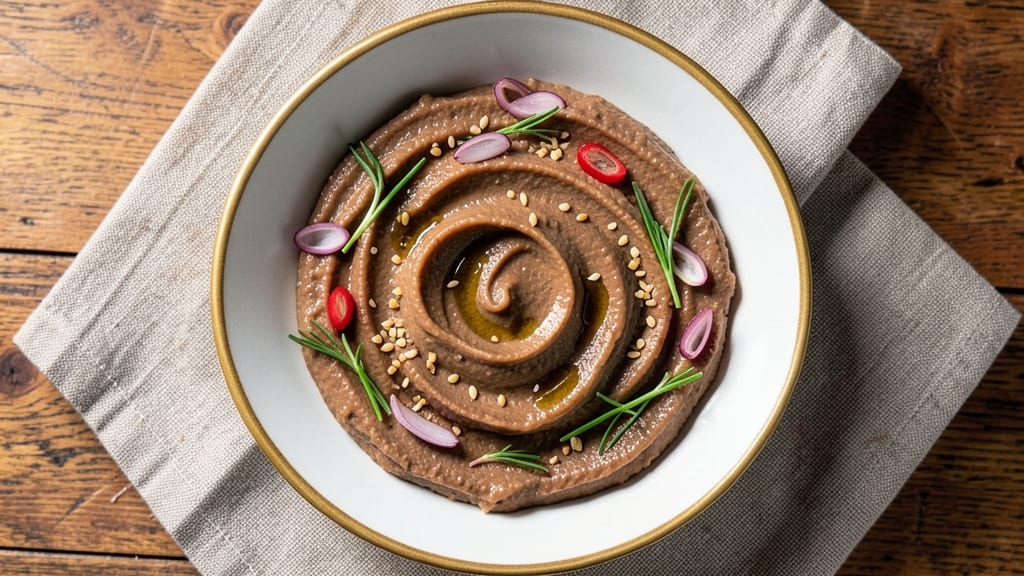
This dairy-free chicken liver pâté delivers all the richness of traditional recipes without dairy, using coconut cream and earthy herbs for depth. The secret lies in rendering the livers properly and blending them with a crispy celery crust that adds satisfying texture.
I developed this version after years of perfecting liver-based dishes, ensuring every bite stays smooth and flavorful while accommodating dietary needs.
The foundation of this pâté starts with high-quality chicken livers, which I render in a cold pan to preserve their natural richness. Coconut cream replaces traditional butter, creating a velvety base that holds its shape when chilled.
Fresh herbs like thyme and parsley elevate the earthy flavor, while a crispy celery crust adds a satisfying crunch that balances the smooth spread.
By the time you're done, you'll have a pâté that's perfectly spreadable, with a rich, herby depth and a crispy crust that makes every bite exciting. Serve it with dairy-free crackers, crusty bread, or fresh vegetables for a sophisticated appetizer that impresses without compromising dietary preferences.
This recipe transforms a traditional dish into a modern, inclusive version that maintains all the classic characteristics while adapting to contemporary needs. The result is a pâté that's as elegant as it is accessible, proving that dietary restrictions don't have to mean sacrificing flavor or texture.
Ingredients for dairy free chicken liver pate
High-quality livers and coconut cream create a velvety, dairy-free pâté with crispy celery crust.
| Ingredient | Amount | Notes |
|---|---|---|
| Chicken Livers 🍗 | 1 lb | Fresh, trimmed of connective tissue |
| Full-Fat Coconut Cream 🥥 | ½ cup | Chilled overnight for best texture |
| Celery Stems 🥬 | 1 cup | Finely chopped for crispy crust |
| Fresh Thyme Leaves 🌿 | ¼ cup | Stems removed, finely chopped |
| Fresh Parsley Leaves 🌿 | ¼ cup | Flat-leaf preferred, finely chopped |
| Shallots 🧅 | 2 whole | Minced, for aromatic depth |
| Garlic Cloves 🧄 | 3 cloves | Minced, for balanced flavor |
| Extra-Virgin Olive Oil 🫒 | ¼ cup | High-quality, fruity variety |
| Diamond Crystal Kosher Salt 🧂 | ½ tsp | For seasoning and rendering |
| Ground Black Pepper 🌶️ | ¼ tsp | Freshly ground for heat |
| Fresh Lemon Juice 🍋 | 1 tbsp | Brightens the finished pâté |
| Dairy-Free Butter Substitute 🧈 | 1 tbsp | For crisping celery crust |
The chicken livers are the star—look for bright red, fresh ones at your butcher or grocery store's seafood counter. Costco and Whole Foods often carry high-quality livers, but any reputable meat department will do. Trim off any connective tissue or silverskin before cooking. For the coconut cream, full-fat is non-negotiable—it creates that luxurious texture. Chill it overnight before using so the thick cream separates from the watery part. The celery stems should be crisp and green, not rubbery or yellowing. If you can't find fresh, frozen works in a pinch, but thaw and drain well.
No fresh thyme? Dried works at one-third the amount, but fresh has that bright aroma you can't replicate. Short on parsley? Fresh cilantro or basil adds a nice twist, though parsley's classic flavor is ideal. The shallots can be swapped for green onions or extra garlic if needed. For the dairy-free butter substitute, Miyoko's or Earth Balance work perfectly. If you're out of olive oil, avocado oil is a great alternative—just use the same amount. The lemon juice can be bottled in a pinch, but freshly squeezed really elevates the flavor. For a deeper umami punch, add a dash of fish sauce or soy sauce to the finished pâté.
This pâté keeps beautifully in the fridge for 5-7 days, though it's best within the first 3 days. For longer storage, portion into small containers and freeze for up to 3 months. Let it sit at room temperature for 10-15 minutes before serving to soften slightly. The crispy celery crust is best enjoyed fresh, so add that just before serving if you're prepping ahead. Serve with dairy-free crackers or toasted baguette slices for the full experience. Any leftovers? It makes fantastic sandwiches or toast toppings the next day.
Why You'll Love This Recipe
- No-Fuss Prep: That coconut cream does all the heavy lifting—just sear the livers, blend, and let the creamy richness shine. No fancy techniques, no stress, and honestly, the hardest part is waiting for it to cool.
- Rich Without Dairy: The full-fat coconut cream makes this pâte velouté-smooth, while the thyme and parsley brighten it up. It’s decadent, but somehow lighter than traditional versions—my dairy-free friends swear by it.
- Party-Ready Spread: Slather it on crackers for a fancy appetizer, dollop it on toast for brunch, or serve it chilled with crusty bread. I’ve taken it to potlucks, game nights, and even my book club—everyone clears their plates first.
- Budget-Friendly Luxury: Chicken livers are a steal, and coconut cream stretches it further than butter ever could. A single batch feeds six, and leftovers? They last in the fridge for days without losing that velvety texture.
Step-by-step instructions for dairy free chicken liver pâté
Here's how to transform tender chicken livers into a velvety pâté with a golden, crispy celery crust—every bite delivers rich flavor and satisfying texture.
Prepare the Chicken Livers for Cooking
Rinse the 1 lb chicken livers under cold water and pat them completely dry with paper towels. This step is crucial—any moisture will prevent proper browning later. Trim away any connective tissue or silver skin using a sharp knife. I like to make a small slit in each liver to help them cook evenly and prevent curling.
Place the prepared livers in a bowl and add 0.5 tsp diamond crystal kosher salt, 0.25 tsp ground black pepper, and 1 tbsp fresh lemon juice. Toss gently to coat evenly. Let them sit at room temperature for 15 minutes while you prepare the vegetables. This brief marinade enhances the natural flavor and tenderizes the meat slightly.
Sauté the Aromatic Vegetable Base
Heat 0.25 cup extra-virgin olive oil in a large skillet over medium heat. Add the 2 whole shallots and 3 cloves garlic cloves, cooking for 3-4 minutes until the shallots become translucent and the garlic releases its fragrant aroma. You'll know it's ready when the garlic just begins to turn golden—don't let it brown or it'll become bitter.
Add the 1 cup finely chopped celery stems and cook for 5-6 minutes, stirring occasionally, until the celery softens and releases its natural moisture. The mixture should look dry and slightly crisp at the edges. Remove the skillet from heat and set aside—this aromatic base will form the flavor foundation for your pâté.
Cook the Chicken Livers to Perfection
Increase the heat to medium-high and add the seasoned chicken livers to the same skillet. Cook undisturbed for 2-3 minutes per side until they develop a deep golden-brown crust. You'll see the edges curl slightly—that's your signal they're ready. The livers should reach an internal temperature of 145°F when checked with a meat thermometer.
Remove the livers from the skillet and set them aside on a plate. They'll continue cooking slightly from residual heat. Here's the thing—don't overcook them. Chicken livers cook quickly and become tough if overdone. They should be just firm to the touch but still tender when pierced with a fork.
Blend the Pâté Mixture
Return the skillet to medium heat and add the 0.25 cup fresh thyme leaves and 0.25 cup fresh parsley leaves. Stir for 1 minute until the herbs release their essential oils. Pour in the 0.5 cup full-fat coconut cream and stir continuously for 2-3 minutes until it begins to thicken slightly.
Transfer the cooked chicken livers to a food processor along with the coconut cream mixture. Pulse until the livers break down into a coarse paste, then process continuously for 1-2 minutes until completely smooth. Scrape down the sides as needed. The texture should be velvety with no visible liver pieces. Taste and adjust seasoning with additional salt or pepper if needed.
Assemble and Crisp the Celery Crust
Preheat your oven to 375°F. Transfer the pâté mixture to a small baking dish and smooth the top. In a separate bowl, combine the 1 tbsp dairy-free butter substitute with the chopped celery from Step 2. Spread this mixture evenly over the pâté, creating a thin, even layer.
Bake for 12-15 minutes until the celery crust turns deep golden brown and crispy. You'll smell that wonderful nutty aroma developing—that's your cue it's ready. Let the pâté rest for 5 minutes before serving to allow the flavors to settle and the crust to set properly.
Serve with Confidence
Scoop the pâté onto serving plates, making sure to include some of that beautiful crispy celery crust. The contrast between the silky pâté and crispy topping is what makes this dish special. Serve immediately with crusty bread or crackers to enjoy the full experience.
This pâté keeps well in the refrigerator for up to 3 days, though I find it's best enjoyed fresh. The flavors deepen slightly as it sits, but the celery crust is always at its best when freshly baked. You've created something truly special—a dairy-free pâté that rivals traditional versions in both texture and flavor.
Pro Tips For Making Dairy Free Chicken Liver Pate
- Trim the Gall Bladders: DESCRIPTION:
- Sear Livers in Batches: DESCRIPTION:
- Whisk the Coconut Cream: DESCRIPTION:
- Pulse Celery Coarsely: DESCRIPTION:
Pro cooking tips for this recipe
Celery Crust Secrets
The crispy celery crust is what elevates this pâté from ordinary to extraordinary. I chop the celery stems into ⅛-inch dice for maximum surface area—this creates more contact with the dairy-free butter substitute, resulting in a deep golden-brown crust.
For extra crunch, I toast the celery in the oven for 3-4 minutes at 375°F before mixing it with the butter substitute. This step removes excess moisture and intensifies the celery's natural nuttiness. 🌟
Perfect Liver Browning
Chicken livers cook in a flash, so patience is key. I use a 12-inch cast iron skillet—it retains heat better than stainless steel and ensures even browning. Cook the livers over medium-high heat for exactly 2-3 minutes per side—any longer and they'll dry out.
The edges should be deep golden brown with just a hint of curl. I check doneness with a meat thermometer at 145°F internal temperature. Overcooking turns livers tough, so resist the urge to keep them in the pan!
Coconut Cream Magic
Not all coconut cream is created equal. For this recipe, I insist on full-fat coconut cream that's been chilled overnight. The thick cream portion (not the watery part) is what gives this pâté its luxurious texture.
When blending, I process the mixture in 30-second bursts to prevent overheating the food processor. The coconut cream should create a velvety emulsion that coats the back of a spoon. If it's too thin, add 1 tsp arrowroot powder mixed with 1 tsp water to thicken it gently.
Herb Freshness Matters
Fresh herbs make all the difference in this pâté. I prefer flat-leaf parsley for its bright, slightly peppery flavor, and thyme for its earthy depth. When chopping, I use a microplane for the thyme stems to extract maximum flavor without adding bulk.
For extra aroma, I lightly toast the herbs in the skillet for 30 seconds before adding them to the coconut cream. This releases their essential oils and intensifies their flavor profile. 🌿
Temperature Control
Oven temperature is critical for that perfect celery crust. I always preheat my oven to 375°F and use an oven thermometer to verify accuracy—home ovens can vary by 25°F or more. The crust should bake until it's deep golden brown, not just pale yellow.
For even browning, I rotate the baking dish halfway through the 12-15 minute baking time. The crust should be crisp enough to stand up to a spoon but not so hard it breaks apart when spreading.
Resting for Best Results
Never skip the 5-minute rest after baking! This allows the pâté to set properly and the flavors to meld together. I use this time to prepare my serving plates and gather accompaniments. The rest also helps the celery crust firm up slightly, making it easier to transfer without breaking apart.
For serving, I scoop the pâté onto plates using a ring mold to create clean, professional-looking portions. The contrast between the silky pâté and crispy crust is what makes this dish truly special. ✨
Nutrition facts
Frequently asked questions
Can I substitute duck or rabbit livers for chicken livers?
Yes, but adjust cooking times slightly. Duck livers need 2 minutes per side—they're richer and cook faster. Rabbit livers require 3 minutes per side and benefit from a longer marinade (try 30 minutes with extra lemon juice). Always check for 145°F internal temp. The coconut cream base works perfectly with all three, but duck will be more decadent while rabbit adds a delicate gamey note.
What if my pâté turns out too thin or too thick?
For a thin pâté, blend in 1 tsp arrowroot powder mixed with 1 tsp water and process again. Too thick? Warm 1 tbsp coconut cream and stir gently until smooth. Pro tip: If using store-bought coconut cream, strain it first to remove excess water. The texture should coat the back of a spoon but still be spreadable—not gluey.
How do I make this vegetarian?
Replace chicken livers with 1 lb finely chopped mushrooms (cremini or shiitake) sautéed until dry. Add 1 tbsp nutritional yeast for umami depth. The celery crust and coconut cream base remain identical. Texture will be slightly firmer but still luxurious. For extra richness, stir in 1 tbsp tahini during blending.
Can I prepare this ahead of time?
Assemble the pâté (without celery crust) up to 2 days ahead. Store in an airtight container in the fridge. Add the crust fresh—bake for 10 minutes at 375°F to crisp it. For freezing, package in portions with crust separate. Thaw overnight in the fridge, then crisp the crust before serving. The flavors actually improve with time!
What's the best way to serve this?
Pair with dairy-free crackers (like water crackers or seed crackers) or toasted baguette slices. For a gourmet touch, serve on endive leaves with shaved fennel. The crispy celery crust works beautifully as a topping for roasted vegetables or as a sandwich spread. Always serve at room temperature to appreciate the full texture contrast.