
Main Courses
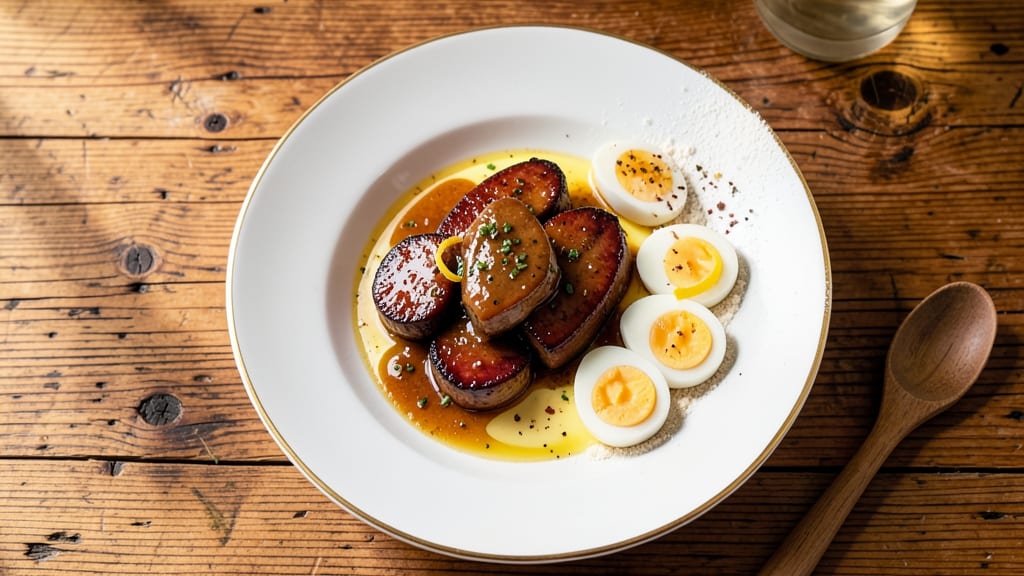
Jamie Oliver’s chicken liver recipe transforms this often intimidating ingredient into a crispy, restaurant-worthy dish with just a few clever techniques. The secret lies in proper preparation—soaking, patting dry, and searing to achieve that golden crust while keeping the interior tender.
I’ve adapted his method to include crispy celery crowns, which add texture and balance the richness perfectly.
What sets this recipe apart is the attention to detail—starting with fresh, high-quality livers and using a mix of butter and olive oil for searing. Jamie’s approach emphasizes high heat and quick cooking to avoid overcooking, while a splash of lemon and capers brightens the dish.
The celery crowns, lightly fried until crisp, add a crunchy contrast that elevates every bite.
By the time you’re done, you’ll have perfectly seared livers with a crispy exterior and a moist, flavorful center, paired with delicate celery crowns. The dish is rich but balanced, making it ideal for a special dinner or a weekend project.
Serve with buttery mashed potatoes or a crisp green salad to round out the meal.
This recipe isn’t just about technique—it’s about confidence. Once you master these steps, you’ll never shy away from chicken livers again. Let’s get started on a dish that’s sure to impress.
Ingredients for chicken liver recipe jamie oliver
Fresh livers, crispy celery crowns, and bright seasonings create Jamie Oliver’s restaurant-quality dish.
| Ingredient | Amount | Notes |
|---|---|---|
| Fresh Chicken Livers 🍗 | 1 ½ lb | Trimmed of connective tissue |
| Unsalted Butter 🧈 | ½ cup | Cold, cubed for searing |
| Extra-Virgin Olive Oil 🫒 | ¼ cup | High-quality, fruity variety |
| Fresh Celery Stems 🧅 | 4 whole | Thick, leafy ends removed |
| Large Eggs 🥚 | 2 whole | Beaten for breading |
| All-Purpose Flour 🌾 | ½ cup | For dredging celery crowns |
| Diamond Crystal Kosher Salt 🧂 | 1 ½ tbsp | For soaking and seasoning |
| Fresh Lemon Juice 🍋 | 2 tbsp | Brightens the dish |
| Capers 🍅 | 2 tbsp | Rinsed and drained |
| Fresh Parsley 🌿 | ¼ cup | Chopped for garnish |
| Garlic Cloves 🧄 | 4 cloves | Minced for seasoning |
| Fresh Thyme 🌿 | ½ tsp | Leaves only, chopped |
| Black Peppercorns 🌶️ | ½ tsp | Freshly cracked |
The quality of chicken livers makes or breaks this dish. Look for livers that are bright red and moist, not gray or slimy—a sign of freshness. Most butchers will trim them for you, but if you're doing it yourself, remove any connective tissue or blood vessels with a sharp knife. I prefer to buy mine from Whole Foods or a trusted local butcher, where they’re handled with care. Celery should be crisp and vibrant—avoid any with brown spots or wilted leaves. The butter matters too; use European-style unsalted butter like Plugrá for maximum flavor during searing.
No fresh thyme? Dried thyme at one-third the amount works, but fresh is ideal for that bright aroma. Running short on capers? Substitute with a pinch of red wine vinegar for acidity, though the texture will differ. For the celery crowns, if your celery is thin, use the leafy tops too—they’re perfect for making extra crispy pieces. The lemon juice can be swapped for white wine vinegar in a pinch, but fresh is best. And if you’re nervous about handling raw livers, soak them in milk for 15 minutes first—it removes any bitterness while tenderizing them.
Fresh livers keep best in the coldest part of your fridge, wrapped in damp paper towels, for up to 2 days. The celery crowns stay crisp for 3 days if stored in an airtight container. This dish reheats beautifully—just warm through gently in a pan with a splash of butter. For a make-ahead option, sear the livers and celery crowns separately, then assemble just before serving. The flavors meld beautifully overnight, so it’s perfect for a weekend project.
Why You'll Love This Recipe
- Pan-Fry Magic: The livers sizzle in butter and olive oil until they’re golden and tender—no fancy techniques, just a hot pan and 10 minutes of your time. That crispy sear? Pure reward for almost no effort.
- Rich Umami Bomb: Celery and eggs might sound simple, but together they turn these livers into something deeply savory—like a fancy bistro dish without the fuss. Honestly, the first bite makes you wonder why you don’t eat them more often.
- Weeknight or Weekend: Toss them into pasta, serve with toast, or pile onto crusty bread—this recipe works for lazy Tuesdays or when you’re hosting. The leftovers? Even better reheated the next day (yes, really).
- Budget Powerhouse: Chicken livers are cheap, and this recipe stretches them far. Two eggs and a handful of celery stretch the flavor without breaking the bank. Between us, it’s my go-to when I need to feed a crowd without stress.
Step-by-step instructions for Jamie Oliver's chicken liver recipe
Master this classic technique for perfectly seared chicken livers with golden, crispy celery crowns.
Prepare and Soak the Chicken Livers
Begin by trimming any connective tissue from the 1.5 lb fresh chicken livers using a sharp knife. This ensures a tender texture. Place the cleaned livers in a bowl and cover them with cold water. Add 1.5 tablespoons diamond crystal kosher salt and let them soak for 30 minutes in the refrigerator. This step removes excess blood and seasoning the meat evenly.
After soaking, drain the livers and pat them thoroughly dry with paper towels. The dry surface is crucial for achieving that perfect sear. Keep them refrigerated until ready to cook. This preparation prevents the livers from steaming instead of browning when they hit the pan.
Create the Celery Crowns and Breading
Cut the 4 whole fresh celery stems lengthwise into quarters, keeping the base intact to form crowns. In a shallow bowl, beat the 2 whole large eggs until just combined. In another bowl, mix the 0.5 cup all-purpose flour with 0.5 teaspoon freshly cracked black peppercorns and 0.5 teaspoon chopped fresh thyme.
Dip each celery crown into the beaten eggs, allowing excess to drip off, then coat thoroughly in the flour mixture. Place them on a wire rack and set aside. This breading creates a crispy exterior that contrasts beautifully with the tender livers. Keep the coated celery crowns at room temperature while you prepare the livers.
Sear the Chicken Livers
Heat a large skillet over medium-high heat and add 0.25 cup extra-virgin olive oil and 0.5 cup cold cubed unsalted butter. Once the butter begins to foam and the oil shimmers, carefully add the chicken livers in a single layer. Cook undisturbed for 2-3 minutes until the underside is golden brown and crispy.
Flip the livers and cook for another 2-3 minutes until they reach an internal temperature of 145°F and are cooked through. Remove them from the pan and set aside on a warm plate. The butter should be nutty and fragrant, with golden brown bits clinging to the livers—a sign of perfect searing.
Fry the Celery Crowns
In the same skillet, increase the heat to medium-high and add 0.25 cup extra-virgin olive oil. Once hot, carefully add the celery crowns in a single layer. Fry for 2-3 minutes per side until golden brown and crispy. They should be deep golden, not pale, indicating they're fully cooked.
Transfer the crispy celery crowns to a paper towel-lined plate to drain excess oil. The celery should hold its shape while being crunchy—this is the hallmark of a perfect fry. Keep them warm until ready to serve alongside the livers.
Finish with Lemon and Capers
Return the skillet to medium heat and add the 2 tablespoons rinsed and drained capers and 4 minced garlic cloves. Cook for 30 seconds until fragrant. Deglaze the pan with 2 tablespoons fresh lemon juice, scraping up any browned bits from the bottom. This creates a bright, tangy sauce that complements the rich livers.
Return the chicken livers to the skillet and toss gently to coat in the lemon and caper sauce. Plate the livers alongside the crispy celery crowns, garnished with 0.25 cup chopped fresh parsley. The contrast of textures and flavors—crispy celery, tender livers, and bright lemon—makes this dish truly exceptional.
Pro Tips For Making Chicken Liver Recipe Jamie Oliver
- Trim the Fat First: Chicken livers have a thin membrane of fat and connective tissue—peel that off before cooking, or you’ll end up with a greasy mess instead of silky texture. Use your fingers or a small knife to strip it away; it’s faster than you think and makes all the difference when searing.
- Sear in Batches: Crowd the pan, and you’ll steam the livers instead of sear them. Work in small batches—no more than 4-5 at a time—over medium-high heat until they develop a deep brown crust. Overfilling the pan is the fastest way to ruin the texture.
- Deglaze with Care: After searing, the fond stuck to the pan is liquid gold—don’t rush the deglazing. Add a splash of olive oil (not water) first to loosen it, then let it bubble for 30 seconds before adding wine or stock. This keeps the flavors rich and prevents a flat-tasting sauce.
- Whisk Eggs Cold: Room-temperature eggs cook unevenly and can turn rubbery. Crack them straight from the fridge into a chilled bowl, whisk vigorously, then let them sit for 10 minutes before adding to the pan. Cold eggs also help prevent curdling when they hit the hot livers.
Regional styles of chicken liver recipe jamie oliver
French Classic Style
In France, chicken livers are often transformed into a luxurious dish called foie gras, but simpler preparations like foie de volaille poêlé (pan-seared livers) are equally beloved. The French technique focuses on quick, high-heat searing with just salt, pepper, and a splash of Cognac or Armagnac for flambéing.
Serve with crème fraîche and toasted baguette slices—this approach keeps the dish elegant yet approachable. 🍷
Italian Pan-Fried
Italian chefs often prepare chicken livers in a way that highlights their earthy richness—think fegato alla veneziana, where livers are seared with onions, white wine, and fresh herbs. The Italian version often includes saffron for color and a touch of Marsala wine for depth.
Pair with polenta or creamy risotto to soak up the sauce. The key is low-and-slow cooking to tenderize the livers fully. 🧄
Spanish-Style Braised
In Spain, livers are often braised in a rich tomato sauce with smoked paprika and garlic, creating a dish called hígado a la madrileña. This method is perfect for larger batches, as the livers simmer gently in the sauce until fork-tender.
Serve with crusty bread or roasted potatoes to balance the sauce’s richness. The Spanish approach is ideal for meal prep—flavors deepen overnight. 🌶️
British Pub Classic
In British pubs, chicken livers are traditionally pan-fried with bacon, onions, and a splash of stout beer for a hearty, comforting dish. The British version often includes mushrooms and a thick gravy made from the pan drippings.
This rustic style pairs perfectly with mashed potatoes or buttered peas. The secret? Don’t overcook—British chefs swear by medium-rare for the best texture. 🍺
Middle Eastern Spiced
In Middle Eastern cuisine, chicken livers are marinated in yogurt, garlic, and cumin before being grilled or fried. The result is a tender, spiced dish often served with flatbread or in a warm pita wrap.
The yogurt marinade keeps the livers moist while adding a cooling contrast to the rich meat. Top with toasted pine nuts and fresh mint for a vibrant finish. 🌿
Modern Fusion Twist
For a contemporary take, try Korean-inspired chicken livers—marinated in gochujang (Korean chili paste), soy sauce, and sesame oil, then grilled or pan-fried.
Serve with kimchi and steamed rice for a bold, umami-packed meal. The fusion approach balances heat, sweetness, and savory notes, making it a crowd-pleaser. 🔥
Nutrition facts
Frequently asked questions
Why do chicken livers need to be soaked before cooking?
Soaking removes excess blood and connective tissue while allowing the salt to penetrate evenly. This step prevents a bitter taste and ensures the livers cook uniformly. The 30-minute soak in cold water with salt is key—skip it, and you risk ending up with tough, bloody meat.
Can I substitute butter with another fat for searing?
Yes, but butter adds flavor and helps create that golden crust. For a lighter option, use olive oil only, but the livers may lack richness. Jamie Oliver’s method relies on butter’s high smoke point and flavor—don’t skip it entirely! If avoiding dairy, try ghee for a similar result.
What if my chicken livers turn gray during cooking?
Gray livers mean they’re overcooked or not fresh enough. Cook them for only 2-3 minutes per side until they reach 145°F internally. For future dishes, always use bright red, moist livers from a trusted butcher—gray or slimy livers are past their prime.
How do I store leftovers safely?
Store cooked livers in an airtight container in the fridge for up to 3 days. Reheat gently in a pan with a splash of butter to restore crispiness. For longer storage, freeze for up to 3 months—thaw overnight in the fridge before reheating. Never refreeze thawed livers.
What’s the best way to serve this dish?
Pair with creamy mashed potatoes, a crisp green salad, or crusty bread to soak up the juices. The crispy celery crowns add texture, so serve them alongside for contrast. For a complete meal, add a glass of dry white wine—its acidity cuts through the richness beautifully.