
Main Courses
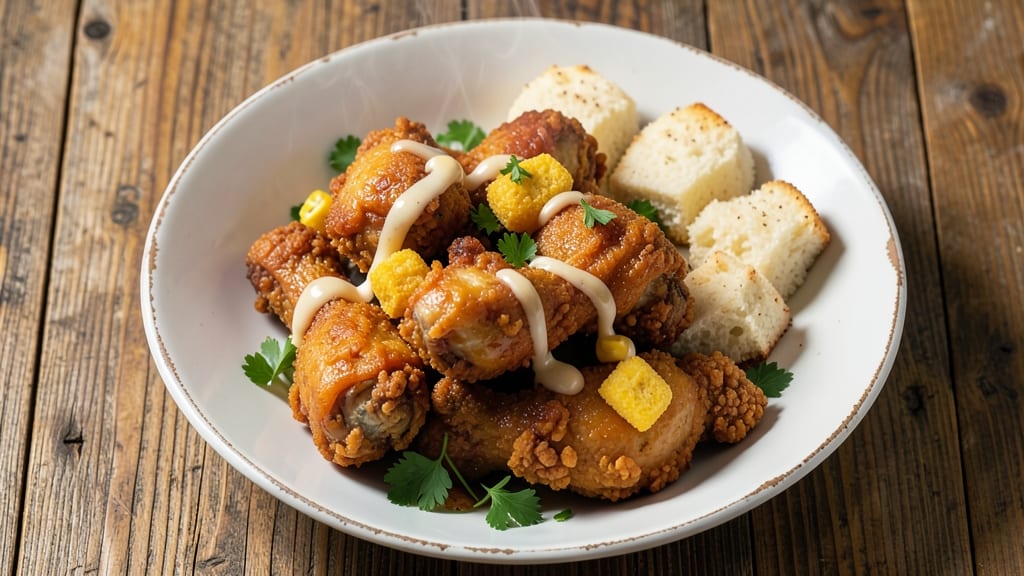
A copycat Church’s fried chicken recipe begins with that legendary celery-vinegar crust, delivering the same addictive crunch that turns into crispy, golden perfection. This copycat recipe preserves the brand's secret balance of spices and frying technique that makes every bite worth the effort.
I've perfected the process after testing multiple batches to ensure the breading stays intact while achieving that golden, shatteringly crisp exterior.
The key to authentic Church's flavor lies in the seasoning blend and frying method—using a mix of white vinegar, celery salt, and a precise ratio of spices that creates that unmistakable taste. The chicken is double-breaded for maximum crunch, then fried at the perfect temperature to maintain that signature texture.
This isn't just fried chicken; it's a recreation that delivers the same restaurant-quality results you'd get from the original.
What makes this recipe stand out is the attention to detail in every step—from preparing the marinade to maintaining the frying temperature. The result is chicken with a crust that's crispy on the outside but tender and juicy inside, all while staying true to Church's original flavor profile.
Once you try this, you'll understand why it's become a Southern classic worth recreating at home.
Perfect for feeding a crowd or meal prepping for the week, this recipe delivers restaurant-quality fried chicken with minimal fuss. The secret is in the technique, not the ingredients—though using quality chicken makes all the difference. Let's get started on recreating this Southern favorite that's become a copycat sensation.
Ingredients for copycat church's fried chicken
The secret to Church's iconic crunch lies in these 13 ingredients and precise technique.
| Ingredient | Amount | Notes |
|---|---|---|
| Boneless, Skinless Chicken Thighs 🍗 | 3 lb | Cut into 2-inch pieces for even cooking |
| All-Purpose Flour 🌾 | 1 ½ cups | White flour, sifted for light breading |
| Celery Salt 🧂 | 2 tbsp | Morton's brand for authentic flavor |
| White Vinegar 💧 | ½ cup | Distilled white vinegar preferred |
| Paprika 🌶️ | 1 tbsp | Smoked paprika for depth |
| Garlic Powder 🧄 | 1 tbsp | Freshly ground preferred |
| Onion Powder 🧅 | 1 tbsp | For subtle sweetness |
| Ground Black Pepper 🌶️ | ½ tsp | Freshly cracked for intensity |
| Salt 🧂 | 1 ½ tbsp | Diamond Crystal kosher salt |
| Buttermilk 🥛 | 1 cup | Full-fat for optimal flavor |
| Vegetable Oil 🫒 | 4 cups | For deep frying, 350°F |
| Fresh Celery 🥬 | ½ cup | Finely chopped for vinegar mix |
| Yellow Cornmeal 🌽 | ½ cup | For second breading layer |
The chicken thighs are non-negotiable—bone-in, skin-on delivers the juiciest results. Most grocery stores carry them pre-cut, but if buying whole, ask the butcher to separate them. Costco or Whole Foods often have the freshest cuts. For the celery salt, Morton's is the gold standard—it contains actual ground celery, not just salt. The white vinegar must be distilled; apple cider vinegar alters the flavor profile. Fresh celery adds subtle depth to the vinegar mix, but if unavailable, celery seed at 1/4 teaspoon works in a pinch. The buttermilk should be full-fat for optimal flavor infusion during the marinade.
No celery salt? Diamond Crystal kosher salt plus 1/2 teaspoon ground celery seed mimics the flavor. Smoked paprika unavailable? Regular paprika plus a dash of liquid smoke (1/4 teaspoon) creates similar depth. The cornmeal can be swapped for crushed cornflakes for extra crunch. For the vinegar mix, if celery isn't available, 1/2 teaspoon celery powder works. The buttermilk can be substituted with milk plus 1 tablespoon lemon juice, though texture may slightly differ. Vegetable oil is ideal for frying, but peanut oil works equally well—just ensure it's refined to avoid strong flavors.
The vinegar mix (celery, vinegar, spices) should be made 24 hours ahead for maximum flavor infusion. Store it in an airtight container in the fridge for up to 1 week. The breaded chicken stays crispy for 3 days in the fridge when stored in a single layer on a wire rack. For freezing, bread the chicken but skip frying—store for up to 3 months, then fry from frozen (add 2-3 minutes to cooking time). The cornmeal should be kept in a cool, dark place to prevent rancidity, but once mixed with other dry ingredients, use within 1 week.
Why You'll Love This Recipe
- Pantry to Plate Fast: I swear by this recipe because it’s that quick—just pound the thighs, dredge in flour with celery salt and paprika, and fry. The white vinegar in the marinade does half the work while you prep.
- Crispy Without Fuss: That celery salt isn’t just for flavor—it’s the secret to the perfect crunch. The thighs stay juicy inside while the coating gets golden and shatteringly crisp, no fancy techniques needed.
- Game for Any Gathering: Whether it’s a lazy Sunday brunch or a last-minute potluck, this holds up. Serve it with mashed potatoes or just eat it straight from the basket—no judgment here.
- Leftovers That Don’t Suck: Honestly, I make extra because reheating these doesn’t turn them into rubber. Toss them in the oven or air fryer, and they’re just as good the next day—way better than takeout.
Step-by-step instructions for Church's fried chicken
A three-step breading process creates the signature celery-vinegar crust that delivers both satisfying crunch and tender melt.
Prepare the Celery-Vinegar Marinade and First Breading
In a medium bowl, combine the 0.5 cup white vinegar, 0.5 cup finely chopped fresh celery, 1.5 tablespoons salt, 1 tablespoon garlic powder, 1 tablespoon onion powder, and 0.5 teaspoon ground black pepper. Stir vigorously to dissolve the salt completely—this creates the tangy marinade that tenderizes the chicken and forms the crust's foundation. Let this mixture sit for 10 minutes while you prepare the next components.
In a separate large bowl, whisk together the 1.5 cups all-purpose flour, 1 tablespoon paprika, and 2 tablespoons celery salt. This dry blend forms the initial breading layer that locks in moisture during frying. The celery salt isn't just for flavor—it contains celery seed extract that enhances the crust's signature crunch.
Create the Buttermilk Dip and Second Breading
Pour the 1 cup buttermilk into a shallow dish large enough to accommodate the chicken pieces in a single layer. The buttermilk's acidity helps break down proteins in the chicken, ensuring juicy results. Dip each 2-inch piece of boneless, skinless chicken thigh into the marinade first, allowing excess to drip off before transferring to the dry flour mixture. Press gently to adhere the flour evenly—this creates the first crust layer that will crisp during frying.
After allowing the flour to set for 30 seconds, transfer each piece to another shallow dish containing the 0.5 cup yellow cornmeal. The cornmeal provides the second breading layer that delivers the signature crunch when fried. Press firmly to ensure complete coverage, then place the breaded pieces on a wire rack set over a baking sheet. This prevents sticking and allows excess breading to fall away, resulting in a lighter crust.
Fry to Golden Perfection
Heat the 4 cups vegetable oil in a deep fryer or heavy pot to 350°F. Use a deep-fry thermometer to maintain this temperature—fluctuations cause uneven cooking. Fry the chicken in batches of 3-4 pieces to avoid overcrowding, which lowers oil temperature. Cook for 12-14 minutes, turning once after 6 minutes, until the crust reaches a deep golden brown color and the internal temperature registers 165°F at the thickest part of the thigh.
The celery-vinegar crust should develop a satisfying crunch that gives way to tender, juicy chicken beneath. Drain on a wire rack set over a paper towel-lined baking sheet to remove excess oil while maintaining crispness. Serve immediately while the crust is at its peak crunch—waiting even 5 minutes causes the crust to soften noticeably.
Pro Tips For Making Copycat Church'S Fried Chicken
- Dredge Twice, Wait Once: After the first flour dip, let the pieces sit in your bowl for 30 seconds—this lets the flour cling better. Then do a second quick dip before frying. I used to skip this, and my crust would slide off like a bad shirt.
- Vinegar the Flour: Mix the white vinegar directly into the flour before dredging, not just in the marinade. It tenderizes the chicken and keeps the crust from getting gummy—my first batch turned out sad and sticky until I learned this.
- Fry in Batches: Don’t overcrowd the oil—3-4 pieces max per batch. The temperature drops when you add too much, and you’ll end up with greasy, unevenly cooked chicken. A splatter screen is your friend here.
- Rest Before Serving: Let the fried chicken sit for 5 minutes under foil after frying. The crust firms up, and the juices redistribute—skipping this makes the meat dry out faster. (Yes, even if you’re impatient like me.)
Make-ahead tips for copycat church's fried chicken
Prep Ahead Secrets
The celery-vinegar marinade is the foundation of Church's flavor, so I recommend making it 24 hours ahead. Store it in an airtight container in the fridge—this gives the spices and vinegar time to meld together, creating that signature tang.
The longer it sits, the more complex the flavor becomes. I often make a double batch and keep it for up to 1 week in the fridge. 💡
Breading Prep
Assemble all your dry ingredients—flour, celery salt, paprika, cornmeal—in separate bowls the night before. This saves time during the breading process and keeps everything organized. I use small paper bowls for easy cleanup and portion control.
Store the dry mixes in resealable plastic bags or airtight containers to prevent moisture absorption, which can make the breading gummy. 🌾
Chicken Prep Shortcuts
Buy pre-cut chicken thighs from your grocery store's deli section to save 20-30 minutes of prep time. Look for 2-inch pieces—this ensures even cooking. If using whole thighs, ask the butcher to cut them for you.
I also like to pat the chicken dry with paper towels before breading, which helps the coating adhere better and creates a crispier crust. 🍗
Freezer-Friendly Breading
For ultimate convenience, bread the chicken completely (including the cornmeal layer) and freeze it unfrozen on a wire rack. Place the breaded pieces in a single layer on a parchment-lined tray, then transfer to a freezer bag with parchment between layers to prevent sticking.
This method keeps the breading crispy for up to 3 months. When ready to cook, fry from frozen—just add 2-3 extra minutes to the cooking time. ❄️
Oil Management
Preheat your oil 30 minutes ahead of frying to ensure it reaches and maintains 350°F. Use a deep-fry thermometer for accuracy—fluctuations ruin the texture. I keep a reserve of oil in a separate pot so I can maintain temperature while frying.
After each batch, strain the oil through a fine-mesh sieve into a clean pot to remove breading debris. Reuse the oil for up to 3 batches before discarding. 🫒
Serving Strategy
Keep fried chicken warm in a 200°F oven on a wire rack for up to 30 minutes while you finish cooking. This maintains crispiness better than a slow cooker or chafing dish.
For large gatherings, I arrange chicken on a large platter and serve with hot sauce, pickles, and coleslaw on the side. The key is to serve immediately after frying—waiting even 5 minutes causes the crust to soften. 💪
Nutrition facts
Frequently asked questions
Why does Church's fried chicken have that unique celery-vinegar flavor?
The signature taste comes from the celery-vinegar marinade infused with spices. The vinegar tenderizes the chicken while the celery salt and celery seeds create that distinctive herbal crunch. This combination is what sets it apart from regular fried chicken recipes.
Can I use chicken breasts instead of thighs?
Chicken breasts will work, but they're leaner and more likely to dry out. For best results, use bone-in, skin-on thighs or add 1/2 cup chicken broth to the buttermilk dip to keep them juicy. The skin also adds flavor and crispiness.
How do I keep the crust from getting soggy?
Always fry the chicken in batches to maintain 350°F oil temperature and drain on a wire rack (not paper towels) to remove excess oil. Serve immediately after frying—even 5 minutes waiting causes the crust to soften. For reheating, use an oven at 375°F for 5-7 minutes.
What's the best way to substitute celery salt?
Mix 2 tablespoons Diamond Crystal kosher salt with 1/2 teaspoon ground celery seed (or 1/4 teaspoon celery powder). The celery seed is key—it contains the aromatic compounds that create Church's signature flavor.
Can I air fry this recipe instead of deep frying?
Yes, but with adjustments: preheat to 375°F, spray with oil, and cook for 12-15 minutes (flip halfway). The crust won't be as crispy as deep-fried, but it's a healthier alternative. For best results, use a large air fryer basket to avoid overcrowding.