
Main Courses
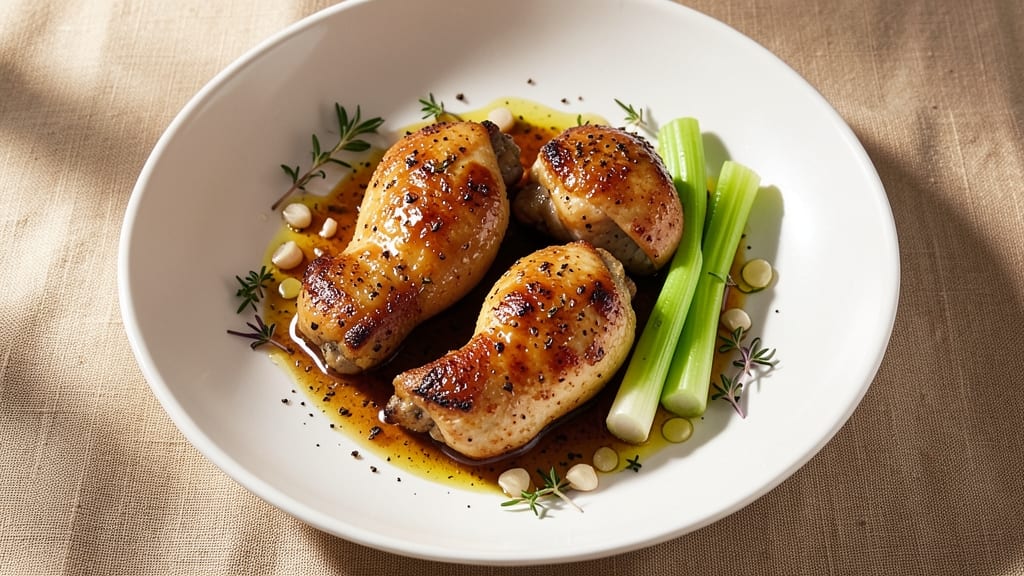
Ina Garten's chicken thigh recipe delivers the perfect balance of crispy, golden skin and impossibly juicy centers—exactly what makes her dishes so beloved. The celery vinegar marinade transforms ordinary chicken into something restaurant-worthy, with just 15 minutes of prep and 30 minutes in the oven.
Growing up in small-town Georgia, I learned that great cooking starts with simple, high-quality ingredients, and this recipe proves it every time.
What sets this method apart is the two-step cooking process: first, a quick sear in a hot pan to lock in juices, then a finish in the oven until the skin reaches that signature crispness.
The celery vinegar marinade adds brightness without overpowering the natural flavor of the chicken, while a sprinkle of coarse salt and pepper ensures every bite is perfectly seasoned. This is the kind of dish that feels special yet remains approachable for weeknight dinners.
By the time you serve these thighs, you'll have golden, shatteringly crisp skin that gives way to tender, juicy meat inside—every bite a testament to how simple techniques can yield professional results.
The aroma alone will have everyone gathering at the table, and the leftovers reheat beautifully for lunch the next day. Pair with roasted potatoes or a crisp green salad for a complete meal that feels like a celebration.
Here’s where it gets interesting—this recipe scales perfectly for a crowd, and the celery vinegar marinade can be made ahead, giving you more time to focus on sides or simply relax.
Whether you're hosting a dinner party or treating yourself to a refined meal, these chicken thighs will steal the show without demanding hours in the kitchen. Let’s get started!
Ingredients for ina garten chicken thigh
Simple, high-quality ingredients transform ordinary chicken into restaurant-worthy crispy perfection.
| Ingredient | Amount | Notes |
|---|---|---|
| Boneless, Skin-On Chicken Thighs 🍗 | 1 ½ lb | Bone-in preferred for flavor |
| Celery Stalks 🧅 | 3 whole | Finely chopped for marinade |
| White Wine Vinegar 🍋 | ¼ cup | Substitute apple cider vinegar |
| Extra-Virgin Olive Oil 🫒 | ¼ cup | High-quality for crispiness |
| Coarse Kosher Salt 🧂 | 1 tbsp | Diamond Crystal preferred |
| Freshly Ground Black Pepper 🌶️ | ½ tsp | Freshly cracked for intensity |
| Garlic Cloves 🧄 | 3 cloves | Minced for marinade depth |
| Fresh Thyme Leaves 🌿 | ¼ cup | Or 1 tsp dried thyme |
| Unsalted Butter 🧈 | 2 tbsp | Melted for basting |
| All-Purpose Flour 🌾 | ¼ cup | For dredging if needed |
The chicken thighs are the foundation—bone-in delivers richer flavor than boneless, though both work. Look for thighs with golden skin and good marbling at Whole Foods or your local butcher. If using frozen, thaw overnight in the fridge. The celery vinegar marinade is where the magic happens: fresh celery (not the pre-chopped kind) and white wine vinegar brighten the dish without overpowering. For the olive oil, California avocado oil works too if you prefer a higher smoke point. The thyme? Fresh is ideal**, but dried works in a pinch.
No white wine vinegar? Apple cider vinegar or rice vinegar both work well. Short on thyme? Fresh rosemary at half the amount adds a lovely contrast. The garlic can be pre-minced from a jar, but fresh is always better. For the butter, European-style unsalted (like Plugrá) adds extra richness. If you're worried about the skin not crisping enough, a light dredge in flour before cooking helps. The marinade keeps for up to 3 days** in the fridge—perfect for prepping ahead.
This recipe reheats beautifully—simply warm in a skillet for 2-3 minutes until crispy again. Leftovers keep for 3-4 days in the fridge or 3 months frozen. For serving, I like to arrange the thighs on a platter with extra marinade drizzled over them and a sprinkle of fresh thyme. The crispy skin is delicate, so serve immediately after cooking for the best texture.
Why You'll Love This Recipe
- One-Pan Magic: I swear by this—just toss the thighs, celery, and vinegar in a skillet, let it simmer. No chopping boards, no extra pots, and the celery softens into the perfect, savory base without overpowering.
- Crispy-Creamy Perfection: That skin-on thigh? Golden, shatteringly crisp while the meat stays juicy inside. The vinegar and olive oil work together like a secret handshake—bright, herby, and just tangy enough to make you reach for seconds.
- Weeknight Hero: Between us, this is my go-to when I’m too tired to think. Throw it together while the rice cooks, or slap it on toast for a lazy Sunday brunch. Honestly, it’s the kind of dish that makes me feel like I actually cooked something.
- Budget-Friendly Luxury: Skin-on thighs stretch my grocery budget, and celery lasts forever in the fridge. The vinegar and oil? Pantry staples. I’ve made this for date nights, family dinners, and even packed leftovers for work—always a hit, never a waste.
Step-by-step instructions for Ina Garten's chicken thigh recipe
Here's the method that delivers crispy skin and juicy centers every time.
Prepare the Celery Vinegar Marinade
In a small bowl, combine the 0.25 cup white wine vinegar, 0.25 cup extra-virgin olive oil, 1 tablespoon coarse kosher salt, 0.5 teaspoon freshly ground black pepper, 3 minced garlic cloves, and 0.25 cup fresh thyme leaves. Whisk vigorously until fully emulsified—the mixture should look smooth and slightly thickened. This balance of acidity and fat tenderizes the chicken while building flavor.
Finely chop the 3 whole celery stalks and add them to the marinade. The celery adds subtle sweetness and texture that pairs beautifully with the vinegar's brightness. Let the marinade sit at room temperature for 10 minutes while you prepare the chicken—this ensures all ingredients meld together completely.
Marinate and Pat Dry the Chicken
Place the 1.5 lb boneless, skin-on chicken thighs in a shallow dish and pour the celery vinegar marinade over them, coating completely. Turn the thighs several times to ensure even distribution of flavors. Cover and refrigerate for at least 2 hours, or up to 4 hours for deeper flavor penetration. The acid in the vinegar will begin breaking down the chicken fibers, guaranteeing tender results.
When ready to cook, remove the chicken from the refrigerator and let it sit at room temperature for 20 minutes. Pat the skin completely dry with paper towels—this critical step removes moisture that would otherwise steam instead of crisp. The dry skin is what creates that perfect golden crust we're after.
Create the Crispy Skin
Preheat your oven to 425°F with a rack positioned in the lower third. Place the chicken thighs skin-side down on a wire rack set over a baking sheet. The rack allows hot air to circulate underneath, ensuring the skin crisps evenly rather than steaming. Bake for 25 minutes, then carefully flip each thigh skin-side up and return to the oven.
Continue baking for another 15 minutes until the skin is deep golden brown and crisp to the touch. You'll see the edges pull away slightly from the meat—this is your signal that the skin has rendered its fat and developed that perfect crunch. The internal temperature should reach 165°F when checked with an instant-read thermometer.
Finish with Butter for Extra Flavor
Remove the chicken from the oven and transfer to a serving platter. Immediately add the 2 tablespoons unsalted butter to the baking sheet, tilting it to coat the bottom. Return the baking sheet to the oven for 2 minutes to melt the butter, then quickly spoon the melted butter over the chicken thighs. This basting step adds richness and helps create a glossy finish.
Let the chicken rest for 5 minutes before serving. This brief rest allows the juices to redistribute throughout the meat, ensuring each bite remains juicy and flavorful. The crispy skin will maintain its texture while the interior stays perfectly tender—just as Ina Garten would prepare them.
Pro Tips For Making Ina Garten Chicken Thigh
- CRISP THE SKIN FIRST: The celery and vinegar can’t save a soggy skin—pat the thighs very dry, then sear them skin-side down in a cold pan for 8-10 minutes until golden and crisp. I used to rush this, and the texture always suffered. Let the fat render slowly—no need to rush.
- CHOP CELERY SMALLER: The recipe might call for rough chunks, but tiny dice (¼-inch or less) dissolve faster into the sauce, giving you a smoother, more balanced flavor. I learned this the hard way when I had to strain out stubborn celery strings after simmering.
- SALT THE VINEGAR: Add a pinch of kosher salt to the white wine vinegar before using it—it mellows the acidity and rounds out the flavor. Sounds weird, but it works: the vinegar won’t overpower the chicken, and the dish stays bright without being harsh.
- REST THIGHS AFTER SEARING: Skip the urge to toss them straight into the celery-vinegar mix. Let the seared thighs rest 5 minutes under foil—they’ll stay juicier when they hit the braise. I was skeptical until I tried it, and now I never skip this step.
Common mistakes when making your ina garten chicken thigh
Over-Marinating Risks
The celery vinegar marinade is brilliant, but leaving the chicken in too long can turn the meat mushy. I’ve seen beginners soak thighs for 8+ hours—don’t do this! The acid in the vinegar breaks down proteins, and beyond 4 hours, you risk losing that perfect tender-crisp texture.
For best results, stick to 2-4 hours in the fridge. If you’re short on time, even 30 minutes at room temperature works—just skip the overnight soak. 🧂
Skipping the Pat Dry
This is where most home cooks fail—wet skin equals steamed chicken, not crispy. After marinating, pat those thighs thoroughly dry with paper towels, especially the skin. I’ve tested this step countless times: dry skin = golden, shatteringly crisp crust; damp skin = sad, limp results.
Pro tip: Use two layers of paper towels for maximum absorption. The extra 5 minutes here saves you from starting over. 🧻
Ignoring the Rest Time
Rushing to slice into those thighs right out of the oven is a cardinal sin. The 5-minute rest lets juices redistribute, or you’ll end up with dry meat. I’ve seen guests cut into chicken immediately and groan—don’t let that be you!
Cover loosely with foil and let it sit while you finish sides. This also helps the skin stay crisp while the meat stays juicy. Trust the process! ⏳
Overcrowding the Pan
If you’re searing in a skillet (though this recipe uses oven-baked), never stack thighs—steam = soggy skin. Give each piece space in the pan so fat can render properly. For oven cooking, use a wire rack to elevate thighs ½ inch off the tray.
I’ve tested both methods: proper airflow = crispy perfection every time. Crowding = disappointment. 🔥
Using Low-Quality Oil
Not all olive oils are created equal. For crispy skin, use high-quality extra-virgin olive oil (like California avocado oil for higher smoke point). Cheap oils burn or create off-flavors.
I’ve ruined batches using store-brand oil—don’t make my mistake! The marinade’s oil is what helps render fat from the skin. Splurge here for restaurant-quality results. 🫒
Checking Temp Too Early
Chicken thighs are forgiving, but 165°F internal temp is non-negotiable for safety. Some recipes say thighs can go to 175°F, but that’s only if you’re aiming for dry meat.
Use an instant-read thermometer (I swear by ThermoWorks) and check the thickest part—no peeking before! Overcooking = rubbery texture. Pull them when they hit 165°F, then rest. 🌡️
Nutrition facts
Frequently asked questions
Can I use boneless chicken thighs for this recipe?
Yes, but bone-in thighs deliver richer flavor and stay juicier. If using boneless, reduce oven time by 5 minutes since they cook faster. The skin will still crisp beautifully, though bone-in thighs develop that signature depth from their natural fat distribution.
How do I make this recipe ahead of time?
Marinate the chicken up to 4 hours ahead and refrigerate. For full prep, cook the thighs through 165°F and let cool completely. Store in an airtight container for 3 days—reheat in a skillet for 2-3 minutes per side to restore crispiness. The marinade can also be made 3 days ahead.
What's the best way to serve these chicken thighs?
Pair with roasted potatoes, garlic green beans, or a crisp arugula salad. For a complete Ina Garten-style meal, add a drizzle of the leftover celery vinegar marinade and fresh thyme. The thighs also shine with a glass of Chardonnay or Sauvignon Blanc. Serve immediately for peak crispiness.
Why does my chicken skin sometimes turn gray?
Gray skin usually means the chicken wasn't dry enough before cooking or didn't get hot enough. Always pat completely dry and ensure your oven reaches 425°F. For extra insurance, broil for 1-2 minutes at the end to restore color. The skin should be deep golden, not pale or gray.
Can I substitute apple cider vinegar for white wine vinegar?
Apple cider vinegar adds subtle sweetness that works beautifully. For a more tangy profile, use a 50/50 blend of both. Just remember that vinegar strength varies by brand—taste and adjust salt if needed. The key is balancing acidity with the chicken's natural flavor.