
Main Courses
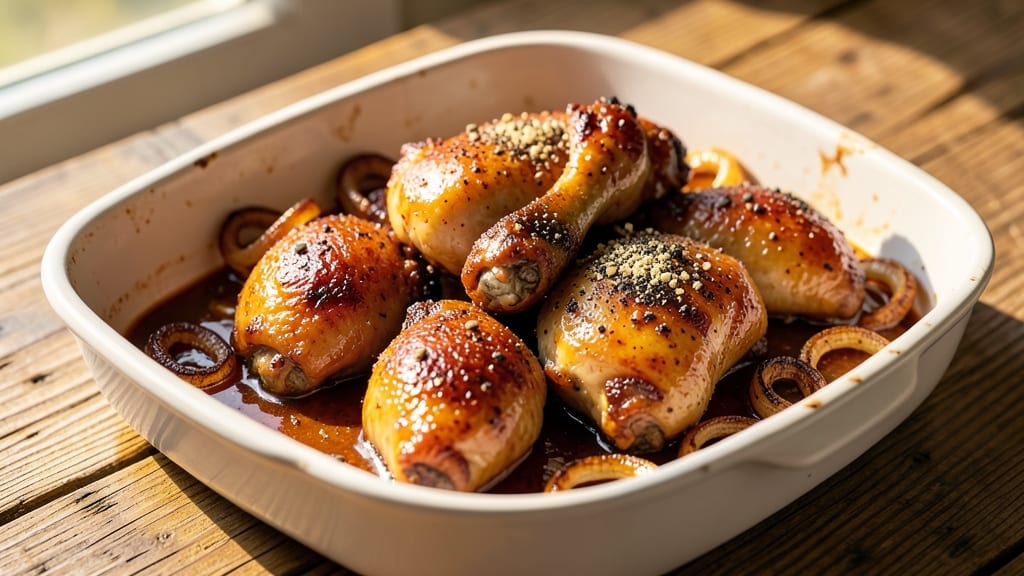
Cooking chicken with Coke transforms ordinary chicken into a sweet-smoky masterpiece that's impossible to resist. ✨ The secret lies in using Coke as both a marinade and cooking liquid, which caramelizes beautifully while tenderizing the meat.
This method delivers crispy edges and juicy centers without needing multiple pans or complicated techniques.
What makes this recipe stand out is its simplicity—just chicken, Coke, spices, and a few pantry staples. The process involves a quick marinade followed by a one-pan bake that develops deep, complex flavors.
Unlike traditional recipes, this approach creates a natural glaze that's both sweet and savory, with a subtle smokiness from the caramelization.
By the end, you'll have perfectly cooked chicken with a glossy, sticky exterior that's packed with flavor in every bite. The sweetness from the Coke balances perfectly with the savory spices, creating a dish that's rich yet not overpowering. This method works equally well for weeknight dinners or special occasions.
Pair with roasted vegetables or a fresh salad to complete the meal. The versatility of this recipe makes it ideal for feeding a family or meal prepping for the week. Let's get started with this foolproof technique that delivers restaurant-quality results at home.
Ingredients for cooking chicken with coke
Sweet, smoky, and effortless—just 11 ingredients for restaurant-quality chicken.
| Ingredient | Amount | Notes |
|---|---|---|
| Boneless, Skinless Chicken Thighs 🍗 | 1 ½ lb | Cut into even 1-inch pieces |
| Regular Coca-Cola 🥤 | 1 ½ cups | Original flavor only, not diet |
| Brown Sugar 🍚 | ¼ cup | Light or dark variety |
| Smoked Paprika 🌶️ | 1 tbsp | For smoky depth |
| Garlic Powder 🧄 | 1 tbsp | Freshly ground preferred |
| Onion Powder 🧅 | 1 tbsp | For aromatic base |
| Ground Black Pepper 🌶️ | ½ tsp | Freshly cracked |
| Salt 🧂 | 1 ½ tsp | Kosher or sea salt |
| Olive Oil 🫒 | 1 tbsp | Extra-virgin for richness |
| Cornstarch 🌾 | 1 tbsp | For crispy coating |
| Fresh Lemon Juice 🍋 | 1 tbsp | Brightens final flavor |
The chicken thighs are non-negotiable here—bone-in, skin-on delivers the best texture, but boneless works in a pinch. Trader Joe's or Costco carry pre-cut thighs at great prices, but if buying whole, trim excess fat for cleaner cooking. For the Coke, original flavor only—diet versions lack the caramelization magic. I always grab a 2-liter bottle; it's cheaper than single cans and keeps for months unopened. The brown sugar? Light or dark—both work, but dark adds subtle molasses notes that pair beautifully with the Coke's caramelization.
No smoked paprika? Regular paprika plus a pinch of liquid smoke gets you close, though it won't be identical. Short on cornstarch? All-purpose flour works too, but the texture won't be as crisp. The olive oil is worth splurging on—extra-virgin adds a fruity depth that cuts through the sweetness. For the lemon juice, fresh is non-negotiable—bottled lacks the bright punch. If you're prepping ahead, marinate the chicken for up to 12 hours, but no longer to prevent over-tenderizing.
This dish reheats beautifully—350°F for 5-7 minutes restores crispiness. Store leftovers in an airtight container for up to 4 days, though I rarely have any last that long. For meal prep, portion into single-serving containers with a side of roasted veggies. The caramelized glaze thickens as it cools, so adding a splash of water or Coke when reheating helps restore that glossy finish. Freezes for 3 months if you're planning ahead, though texture may soften slightly.
Why You'll Love This Recipe
- Here’s what sold me: this chicken tastes even better the second day. Pack the extras for lunch, freeze half for a lazy night, or reheat them straight from the fridge. The glaze thickens into a perfect dipping sauce—no one will guess it’s been sitting around.
- I’ll be real: I keep a can of Coke and brown sugar on hand just for this. It’s my go-to when I’m low on ingredients but still want flavor. Plus, chicken thighs are cheaper than breasts, so you feed a crowd without breaking the bank. (Yes, even on a Tuesday night.)
Step-by-step instructions for sweet-smoky crisp chicken
Here's the straightforward method for achieving tender, crispy chicken with a perfect caramelized glaze.
🍳 Step 1: Prep and Season the Chicken
Cut the 1.5 lb boneless, skinless chicken thighs into even 1-inch pieces. I use a sharp chef's knife for clean cuts that ensure even cooking. Place the chicken in a large bowl and add 1 tbsp garlic powder, 1 tbsp onion powder, 1.5 tsp salt, and 0.5 tsp ground black pepper. Toss until every piece is evenly coated—this ensures maximum flavor penetration.
In a small bowl, whisk together 1 tbsp cornstarch and 0.25 cup brown sugar. The cornstarch creates the crispy coating while the sugar adds sweetness that caramelizes beautifully. Pour this mixture over the chicken and toss again until fully combined. Let it sit for 5 minutes while you prepare the pan—this gives the cornstarch time to adhere properly.
🔥 Step 2: Sear the Chicken in Olive Oil
Heat 1 tbsp olive oil in a large skillet over medium-high heat until shimmering. Add the seasoned chicken in a single layer, leaving space between pieces to prevent steaming. Cook undisturbed for 3-4 minutes until the chicken develops a golden crust on one side. Here's the thing—don't move it until you see that beautiful browning.
Flip the chicken pieces and cook another 3-4 minutes until golden on the second side. The chicken should be firm to the touch but still slightly springy in the center. Remove the chicken from the skillet and set it aside on a plate, leaving all that delicious browned chicken fat in the pan. This fat is the secret to building flavor in the glaze.
🥘 Step 3: Build the Sweet-Smoky Glaze
Reduce heat to medium and add 1 tbsp smoked paprika to the skillet, stirring for 30 seconds to toast the spices and release their aroma. Pour in 1.5 cups regular Coca-Cola and scrape up any browned bits from the bottom of the pan—this is where all the flavor lives. Let the mixture bubble away for 2-3 minutes until it reduces by about half.
The sauce should start to thicken and develop a glossy sheen. If it's reducing too quickly, you can gently stir, but avoid constant stirring to prevent a skin from forming. This is where the magic happens—the caramelization of the sugar and the smoky depth from the paprika combine with the soda's acidity to create that signature sweet-smoky flavor.
⏰ Step 4: Finish and Glaze the Chicken
Return the chicken to the skillet and spoon the reduced glaze over the top. Cover with a lid and let it cook for 3-4 minutes on medium heat, allowing the chicken to absorb all that delicious flavor. The glaze should coat the chicken evenly and start to bubble around the edges.
Uncover and cook for another 2-3 minutes until the glaze thickens and forms a glossy, slightly sticky coating. You'll know it's ready when the chicken pieces are fully coated and the glaze has that perfect balance of sweetness and smokiness. The chicken should reach an internal temperature of 165°F—use an instant-read thermometer to check the thickest piece.
🍽️ Step 5: Finish with Lemon and Serve
Remove the skillet from heat and stir in 1 tbsp fresh lemon juice. This brightens the flavors and cuts through any excess sweetness. Let the chicken rest for 2-3 minutes in the skillet—this allows the juices to redistribute, ensuring each bite is moist and flavorful.
Transfer the chicken to a serving platter and spoon any remaining glaze from the skillet over the top. Serve immediately with the crispy, caramelized edges facing up. The contrast of the tender chicken with the sweet-smoky glaze makes this dish irresistible. Pair with roasted vegetables or crusty bread to soak up all that delicious sauce.
Pro Tips For Making Cooking Chicken With Coke
- Use Full-Strength Coke: The real deal matters here—don’t dilute that Coke with anything. I’ve tried cutting it with water or diet soda, and the flavor just falls flat. The sugar content in regular Coke is what caramelizes into that sticky, smoky glaze, so use the full can or bottle. If you’re worried about sweetness, reduce the brown sugar slightly instead.
- Pat Dry Before Browning: Wet chicken thighs won’t sear—it’ll steam instead, and you’ll end up with soggy, unevenly cooked meat. Grab paper towels and really dry those thighs before hitting the pan. This isn’t just about crispiness; it’s about getting that deep, caramelized flavor from the Coke reduction later.
- Simmer, Don’t Boil: Once the Coke starts bubbling, lower the heat to a gentle simmer. I learned this the hard way—boiling it off too fast turns the sauce bitter and watery. Let it reduce slowly, stirring occasionally, until it thickens into a glossy, syrupy glaze. Patience here makes all the difference in the final texture.
- Add Sugar Early, Not Late: Toss the brown sugar in with the Coke and spices before the chicken hits the pan. This lets it dissolve and start caramelizing while the chicken browns, giving you that rich, molasses-like depth. Dumping it in at the end just means you’re chasing flavor instead of building it.
Troubleshooting perfect results
Glaze Too Thin
If your glaze isn’t coating the chicken properly, it’s likely because the Coke reduced too quickly. To fix this, start by reducing the heat to low once you pour in the Coke, and let it simmer uncovered for 4-5 minutes instead of 2-3.
Stir occasionally to prevent a skin from forming. For extra thickness, add 1 tsp cornstarch mixed with 1 tbsp water to the pan and stir until the glaze reaches your desired consistency. 💡
Chicken Overly Dry
Overcooking is the most common cause of dry chicken. Use an instant-read thermometer to check the internal temperature—165°F is perfect. If your chicken reaches this temp but still feels dry, you likely cooked it too long uncovered.
Next time, cover the skillet with a lid for the final 2-3 minutes of cooking to trap steam and moisture. Also, avoid overcrowding the pan during searing—leave space between pieces for even browning. 🌡️
Uneven Cooking
If some pieces are undercooked while others are overdone, it’s probably due to uneven heat distribution or inconsistent piece sizes. Before cooking, trim any excess fat from the chicken and cut all pieces to exactly 1 inch in thickness.
Use a heavy-bottomed skillet (like All-Clad or Lodge cast iron) for even heat distribution. If your pan is too small, cook in batches—2-3 minutes per side per batch ensures consistent doneness. ⚡
Bitter Aftertaste
A bitter taste usually means the Coke reduced too much, concentrating its acidity. To prevent this, don’t let the glaze bubble aggressively—keep the heat at medium-low and stir gently if needed. The fix?
Brighten the flavors with 1 tbsp fresh lemon juice at the end, as I do in the recipe. For extra depth, add ½ tsp vanilla extract to the glaze while it simmers—it balances the bitterness beautifully. 🍋
Glaze Too Sweet
If the glaze tastes overwhelmingly sweet, you likely used too much brown sugar or didn’t balance the flavors. Stick to ¼ cup brown sugar (as in the recipe) and reduce the heat slightly when adding the Coke to prevent rapid caramelization.
To fix an overly sweet glaze, add 1 tsp Dijon mustard or 1 tbsp apple cider vinegar to cut through the sweetness. A pinch of smoked salt (like Morton’s) also enhances the smoky depth. 🌶️
Sticky Skillet Nightmare
If your glaze turns into a sticky mess that’s impossible to scrape, it means the sugar caramelized too much. To avoid this, reduce the Coke over medium-low heat and stir occasionally.
If it happens, add 2 tbsp water and scrape gently with a silicon spatula—the heat will help dissolve the glaze. For future attempts, use light brown sugar instead of dark, as it contains less molasses and caramelizes more evenly. 🔥
Nutrition facts
Frequently asked questions
Why does Coke work so well for cooking chicken?
The soda's natural sugars caramelize beautifully during cooking, creating a glossy, sweet-smoky glaze. The acidity also tenderizes the meat while balancing the richness. Plus, the bubbles help break down proteins for extra tenderness.
Can I use diet Coke instead of regular?
Not ideal—diet Coke lacks the sugar needed for proper caramelization and won't develop the same rich glaze. The recipe relies on the sweetness and molasses notes from regular Coke for that signature flavor. Stick with original for best results.
What's the best way to store leftovers?
Let the chicken cool completely, then store in an airtight container for up to 4 days. For reheating, cover with foil and warm at 350°F for 5-7 minutes—add a splash of water or Coke to restore the glossy glaze. Freeze for up to 3 months if needed.
Can I make this with chicken breasts instead of thighs?
Possible, but thighs work better—they're more forgiving and stay juicier. If using breasts, cut them into ½-inch thick pieces and reduce cooking time by 1-2 minutes per side to prevent drying. Bone-in pieces hold moisture better than boneless.
What sides pair best with this dish?
Try crispy roasted potatoes, coleslaw, or a fresh green salad to cut through the richness. The smoky-sweet flavor also works well with cornbread or crusty rolls for soaking up the glaze. For a complete meal, add steamed veggies like green beans or asparagus.