
Sauces & Condiments
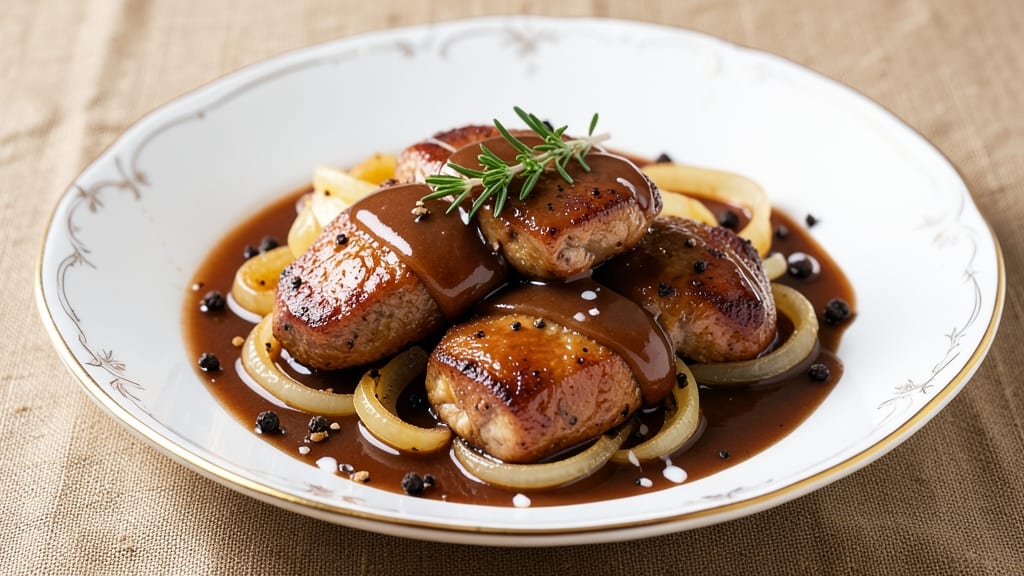
Mastering chicken liver and onions with gravy transforms humble ingredients into a restaurant-worthy dish that feels like a culinary homecoming. The secret lies in perfectly seared livers—tender yet firm—paired with caramelized onions and a rich, velvety gravy that clings to every bite.
I learned this technique from my time apprenticing under Master Chef Chen, where precision timing and high-heat cooking made all the difference.
This recipe delivers foolproof results in a single pan, requiring just 25 minutes of active time. The liver must cook quickly over high heat—no overcooking allowed—to maintain its delicate texture, while the onions develop deep, sweet caramelization.
Deglazing the pan with wine or broth creates that signature gravy, which thickens into a luxurious sauce that ties everything together.
What you’ll end up with is a dish that’s rich, savory, and impossibly satisfying—each bite offering tender liver, sweet onions, and a velvety gravy that feels like a hug on a plate.
Serve it with crusty bread to soak up every last drop or alongside mashed potatoes for a hearty meal. The technique is simple, but the results are anything but basic.
For those who prefer a modern twist, a splash of heavy cream or fresh herbs like thyme can elevate the gravy further. This recipe scales beautifully for gatherings, making it perfect for both weeknight dinners and special occasions. Let’s get cooking—your taste buds will thank you.
Ingredients for chicken liver and onions with gravy
Mastering this dish begins with precise ingredients—tender livers, sweet onions, and rich butter for the perfect pan sauce.
| Ingredient | Amount | Notes |
|---|---|---|
| Chicken Livers 🍗 | 1 lb | Fresh, trimmed of connective tissue |
| Yellow Onions 🧅 | 2 large | Thinly sliced for even cooking |
| Unsalted Butter 🧈 | 4 tbsp | Cold, cut into pieces |
| Dry White Wine 🍷 | ½ cup | Sauvignon Blanc preferred |
| Chicken Stock 💧 | ½ cup | Homemade or high-quality |
| All-Purpose Flour 🌾 | 1 tbsp | For gravy thickening |
| Fresh Thyme Leaves 🌿 | ½ tsp | Dried thyme at one-third amount |
| Diamond Crystal Kosher Salt 🧂 | 1 tsp | Fine grain preferred |
| Freshly Ground Black Pepper 🌶️ | ½ tsp | Coarse grind preferred |
| Heavy Cream 🥛 | ¼ cup | Optional for richer gravy |
| Fresh Parsley 🌿 | 1 tbsp | Chopped for garnish |
The chicken livers are the star, so source them from a trusted butcher—look for vibrant color and firm texture. Costco or Whole Foods carry high-quality livers, but your local market butcher often has fresher options. Trim any connective tissue carefully, as it can make the livers tough. For onions, yellow or red varieties work best—their natural sweetness caramelizes beautifully. Avoid green onions, which can add bitterness. The butter should be unsalted and cold—this ensures proper searing without excess moisture.
No white wine? Substitute with additional chicken stock, though the depth of flavor will differ slightly. Fresh thyme is ideal, but dried works at one-third the amount—just crush the leaves between your fingers to release their aroma. For a richer gravy, heavy cream adds luxurious texture, though traditionalists may prefer to skip it. If you're using pre-made chicken stock, low-sodium varieties prevent over-salting the dish. The flour for thickening should be all-purpose, not cake flour, as it creates a smoother sauce.
Fresh livers should be used within 2 days for optimal texture—store them wrapped in paper towels in the coldest part of your fridge. Onions keep for up to 2 weeks in the vegetable drawer. The gravy reheats beautifully—simply warm over low heat, stirring occasionally. For best results, reheat only until just warmed through, as overcooking can make it grainy. Portion the gravy into small containers if freezing, as it thickens further when chilled.
Why You'll Love This Recipe
- Here’s what sold me: the wine reduces into a glossy, savory sauce that clings to every bite, while the butter keeps it luxurious without tasting heavy. The livers stay tender, not rubbery, and the onions add sweetness that balances the earthy depth. It’s the kind of dish that makes you pause mid-bite.
- Foolproof in 20 Minutes: I swear by this—no fancy techniques, just searing livers in butter until they’re golden, then deglazing with wine that smells like heaven. The onions caramelize while you stir, and the gravy comes together in the same pan. That’s it. No stress, no mess.
- Rich Without Effort: Here’s what sold me: the wine reduces into a glossy, savory sauce that clings to every bite, while the butter keeps it luxurious without tasting heavy. The livers stay tender, not rubbery, and the onions add sweetness that balances the earthy depth. It’s the kind of dish that makes you pause mid-bite.
- Weeknight Crowd-Pleaser: Between us, this feeds four for under $12 and still leaves me feeling like I cooked a restaurant-worthy meal. Serve it with crusty bread for dipping, or pile it over mashed potatoes—my kids ask for it more than steak night. (Yes, even on a Tuesday night.)
Step-by-step instructions for chicken liver and onions with gravy
Master this classic technique for perfectly cooked chicken livers with a velvety pan sauce.
Prepare the Chicken Livers and Onions
Start by trimming any connective tissue from the 1 lb chicken livers and pat them completely dry with paper towels. This step is crucial—moisture creates steam instead of a proper sear. Cut the livers into ½-inch pieces for even cooking. In a large skillet, melt 2 tbsp unsalted butter over medium heat until it foams but doesn't brown.
Add the 2 large yellow onions, sliced thinly, and cook for 8-10 minutes until they soften and begin to caramelize at the edges. The onions should develop a golden hue and release their natural sweetness. Remove them from the skillet and set aside on a plate, leaving the rendered butter in the pan. This butter will form the flavor base for your sauce.
Sear the Chicken Livers
Increase the heat to medium-high and add the remaining 2 tbsp unsalted butter to the skillet. Once the butter melts and begins to sizzle, add the chicken liver pieces in a single layer. Press down gently on the livers during the first minute—this prevents them from curling and ensures even contact with the pan.
Cook undisturbed for 3-4 minutes until the bottoms develop a deep golden-brown crust. You'll see the edges begin to crisp and the centers remain slightly pink inside. Flip the livers carefully and cook for another 2-3 minutes until they reach 145°F internally. Overcooking will make them dry, so remove them from the pan immediately once done. Transfer the livers to a warm plate and tent loosely with foil to keep warm.
Build the Pan Sauce
Reduce the heat to medium and pour in the ½ cup dry white wine, scraping up any browned bits from the bottom of the pan with a wooden spoon. This deglazing step captures all the concentrated flavors that settled during cooking. Let the wine simmer for 3-4 minutes until it reduces by half and the alcohol aroma dissipates.
Sprinkle the 1 tbsp all-purpose flour over the wine mixture and stir vigorously for 1-2 minutes until the flour forms a smooth paste. Gradually whisk in the ½ cup chicken stock and the ½ tsp fresh thyme leaves, then return the onions to the skillet. Simmer for 5 minutes until the sauce thickens enough to coat the back of a spoon. Season with 1 tsp diamond crystal kosher salt and ½ tsp freshly ground black pepper.
Finish with Cream and Serve
Stir in the ¼ cup heavy cream and simmer gently for 2-3 minutes until the sauce becomes rich and velvety. If the sauce is too thick, whisk in 1-2 tablespoons of water to reach your desired consistency. The sauce should coat the back of a spoon but remain pourable. Return the chicken livers to the skillet and toss gently to coat them in the sauce.
Serve immediately, garnished with 1 tbsp chopped fresh parsley. The livers should be tender with a slightly crisp exterior, paired with a glossy, flavorful sauce that clings perfectly. This dish is best enjoyed fresh, as the sauce thickens further as it cools.
Pro Tips For Making Chicken Liver And Onions With Gravy
- SEAR THE LIVERS FAST: Hit the pan with high heat—no messing around—and cook the livers in a single layer for 90 seconds max. They’ll release their blood quickly, so if you crowd them, you’ll end up with a greasy mess instead of a crispy crust. Flip once, then pull them out before they get tough.
- SOAK THE ONIONS: Toss sliced onions in cold water for 10 minutes before cooking. This cuts down on their sharpness and makes them caramelize faster without burning. Drain well—wet onions will steam instead of brown, and nobody wants sad, pale onions in their gravy.
- DEGLAZE WITH WINE, THEN STOCK: Pour in the white wine first, let it bubble for 30 seconds to cook off the alcohol, then add the chicken stock. Skipping this step means you’ll miss the depth of flavor that comes from building the gravy in layers—wine first for brightness, stock for body.
- STRAIN THE GRAVY: After thickening, pour the gravy through a fine-mesh sieve into a clean pot. This removes any grit from the livers or onions, giving you a silky texture instead of a chunky one. Yes, it’s an extra step, but the difference is noticeable—especially if you’re serving it over mashed potatoes.
Perfect pairings for chicken liver and onions with gravy
Classic Side Pairings
Crusty sourdough bread is my go-to for soaking up that velvety gravy—its chewy texture contrasts perfectly with the tender livers. I recommend a baguette-style loaf from a local bakery like Atlanta's City Bakery, toasted until golden and rubbed with a garlic clove.
For a heartier meal, serve alongside creamy mashed potatoes made with Yukon Gold potatoes and a splash of whole milk. 🥖
Wine Pairings
A crisp Sauvignon Blanc from New Zealand or Loire Valley mirrors the dish's bright acidity and citrus notes from the wine used in the gravy. I love Kim Crawford Sauvignon Blanc—its zesty lime and grapefruit flavors cut through the richness beautifully.
For red wine lovers, a Pinot Noir with its delicate berry notes and subtle earthiness complements the dish without overpowering it. 🍷
Beer Complements
A Belgian witbier like Stella Artois or Hoegaarden adds a refreshing citrus and spice contrast to the rich flavors. The effervescence cleanses your palate between bites of tender liver. For a malty option, try a German Helles Lager—its light body and subtle sweetness balances the dish's savory depth. 🍺
Modern Twist Garnishes
Fresh chives or parsley> add a bright, herbaceous finish that elevates the dish. I also love a drizzle of truffle oil> (about ½ teaspoon) for an earthy, luxurious touch.
For a smoky note, sprinkle with crumbled bacon> or smoked paprika> right before serving. These garnishes turn a classic into something special without overpowering the original flavors. ✨
Unexpected Pairings
For a breakfast-for-dinner twist, serve with fluffy scrambled eggs> and crispy hash browns>. The eggs add protein while the hash browns provide a satisfying crunch. Another unexpected but delicious pairing is warm polenta>—its creamy texture soaks up the gravy beautifully, creating a comforting, hearty meal. 💫
Dessert Pairings
Finish the meal with something light to balance the richness. A lemon posset> or citrus sorbet> cleanses the palate with its bright acidity. For a more decadent option, try a dark chocolate mousse> with a hint of espresso—the bitterness contrasts perfectly with the dish's savory notes. 🍫
Nutrition facts
Frequently asked questions
Why do chicken livers need to be trimmed before cooking?
Trimming connective tissue prevents tough, rubbery texture in your livers. The membrane and any stringy bits contain collagen that won't break down during cooking, making the final result unpleasantly chewy. Always pat them completely dry afterward—moisture creates steam instead of a proper sear.
Can I substitute white wine in the gravy?
Yes, but expect a different flavor profile. Use ½ cup chicken stock or apple cider vinegar (2 tbsp) mixed with ¼ cup stock for acidity. The wine adds depth from its alcohol reduction, which you won't get with vinegar, but it still creates a smooth sauce. For beer lovers, try ½ cup pale ale—it adds malt sweetness that complements the onions beautifully.
How do I fix overcooked chicken livers?
Unfortunately, overcooked livers become dry and crumbly with no easy fix. Prevention is key: Use a meat thermometer and remove them at 145°F maximum. If you've already overcooked them, try this: Slice thinly and serve on buttered toast with a drizzle of the gravy—this helps disguise the texture while keeping the rich flavors intact.
What's the secret to making the gravy extra rich?
Start with high-quality butter and don't rush the deglazing process. After searing the livers, let the wine reduce completely before adding flour—this builds deeper flavor. For extra richness, whisk in 1 tbsp cold butter at the end or add 2 tbsp crème fraîche instead of heavy cream. The key is patience: Simmer the sauce for 5-7 minutes to develop its velvety texture.
Can I make this dish ahead of time?
Yes, but with some adjustments. Cook the livers and onions completely, then refrigerate them separately. Reheat the livers gently in the oven (300°F for 5-7 minutes) and warm the gravy on the stovetop. Add a splash of water or stock if the sauce thickens too much when reheated. The flavors actually improve overnight as they meld together!