
Side Dishes
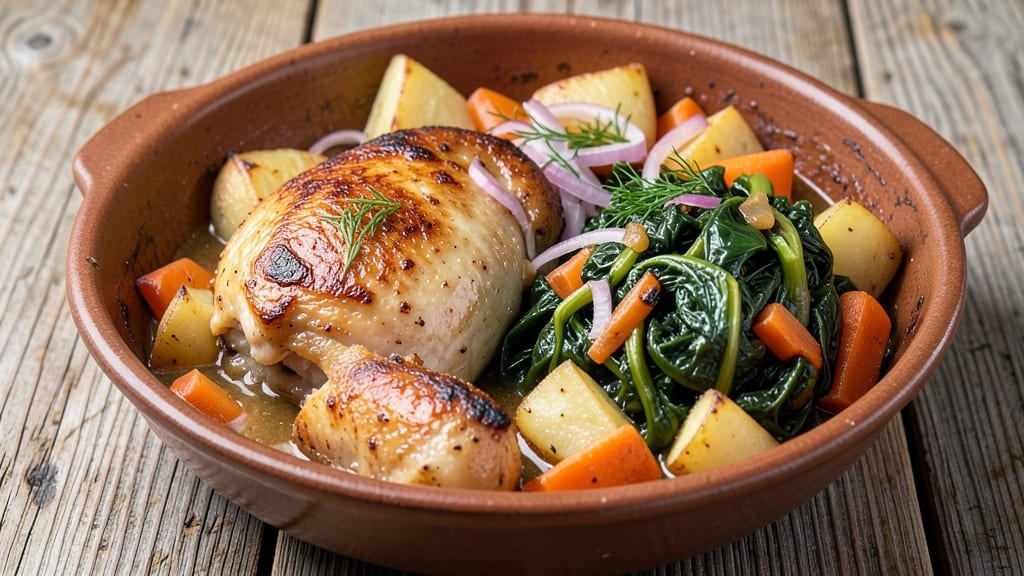
This hearty German-style one-pan dinner combines tender chicken, tangy sauerkraut, and crispy potatoes into a single, satisfying meal that brings comfort to any table. Growing up in small-town Georgia, I learned how simple ingredients—when cooked with intention—can create something extraordinary, and this recipe is proof of that philosophy.
The key lies in balancing flavors: the sharpness of sauerkraut cuts through the richness of the chicken, while the potatoes soak up every savory bit.
The beauty of this dish is its foolproof technique—everything cooks together in one pan, reducing cleanup while delivering restaurant-quality results. You’ll start with chicken thighs, seared until golden, then layer in sauerkraut and potatoes to braise slowly until fork-tender.
The method is straightforward, but the outcome is anything but basic: a dish that feels like a hug on a chilly evening. Perfect for family dinners or weeknight meals, it’s the kind of recipe that turns a simple supper into a memorable experience.
By the time you’re done, you’ll have crispy-edged potatoes, juicy chicken that falls apart easily, and sauerkraut that’s softened just enough to release its tangy depth. The aromas alone—smoky, herby, and slightly sweet—will fill your kitchen and have everyone at the table asking for seconds.
This is the kind of meal that doesn’t just feed you; it nourishes with warmth and tradition.
Serve it with a dollop of sour cream or a sprinkle of fresh dill to brighten the flavors, and you’ve got a complete, satisfying dinner with minimal effort. Let’s get cooking—your taste buds (and your leftovers) will thank you.
Ingredients for chicken sauerkraut potato
Fourteen simple ingredients for a German-style one-pan dinner that feels like home.
| Ingredient | Amount | Notes |
|---|---|---|
| Chicken Thighs 🍗 | 1 ½ lb | Bone-in, skin-on preferred |
| Sauerkraut 🥬 | 2 cups | Drained, jarred or homemade |
| Russet Potatoes 🥔 | 2 lbs | Cut into 1-inch chunks |
| Onion 🧅 | 1 whole | Yellow, chopped |
| Carrots | 3 medium | Peeled, sliced into rounds |
| Carrots 🥕 | 3 pieces | Peeled, sliced into rounds |
| Garlic Cloves 🧄 | 4 cloves | Minced for depth |
| Apple Cider Vinegar 🍎 | ¼ cup | For tangy balance |
| Dried Thyme 🌿 | 1 tsp | Or 1 tbsp fresh |
| Bay Leaves 🌿 | 2 whole | Remove before serving |
| Salt 🧂 | 1 ½ tsp | Kosher or sea salt |
| Black Pepper 🌶️ | 1 tsp | Freshly ground |
| Olive Oil 🫒 | ¼ cup | For searing chicken |
| Chicken Broth 💧 | 1 cup | Low-sodium preferred |
The chicken thighs are the heart of this dish—bone-in, skin-on for maximum flavor and tenderness. I always grab them from the butcher counter or Costco when I can, but the regular supermarket package works fine. Look for thighs with good marbling—that white fat is what keeps them juicy. The potatoes? Russets are your best bet—they hold up to the long cooking time without turning mushy. If you're short on time, pre-cut frozen potatoes save the chopping step (just thaw them first). The sauerkraut should be jarred and drained—homemade works too if you've got it, but jarred is convenient and still packed with flavor. Trader Joe's has the best-priced jarred sauerkraut, but any brand with no added vinegar works.
No apple cider vinegar? White vinegar or lemon juice does the trick—just use the same amount. Fresh thyme is ideal, but dried at one-third the amount gets you close. The carrots can be swapped for celery or parsnips if you're feeling adventurous. Short on chicken broth? Water plus a bouillon cube works, or even extra apple cider vinegar for tang. The onions and garlic are non-negotiable though—sweat them low and slow to build flavor. If you're using pre-sliced onions from the grocery store, rinse them first to remove any excess preservatives. The bay leaves add depth, but skip them if you hate fishing them out later—just add a pinch of cinnamon instead for warmth.
This dish tastes even better the next day—plan ahead and make extra. Store leftovers in an airtight container in the fridge for up to 5 days, or freeze portions for 3 months. I like to portion it into two containers: one for reheating and one for cold lunches. The potatoes get crispier when reheated—cover with foil and microwave 2 minutes to revive them. For serving, a dollop of sour cream or crème fraîche brightens everything up, and fresh dill adds a pop of color. Garnish with extra black pepper right before eating—it makes all the difference.
Why You'll Love This Recipe
- Here’s what sold me: the sauerkraut’s sharp bite cuts through the richness of the chicken thighs while the potatoes soak up all the flavor. Add a pinch of caraway seeds or a drizzle of mustard, and you’ve got a dish that’s bold but never overpowering—like a hug in a bowl.
- One-Pot Magic: I swear by this recipe when I’m too tired to scrub a million dishes. Toss everything—chicken, sauerkraut, potatoes, onions—into one pot with a splash of broth, and let it simmer. The potatoes soften, the chicken gets juicy, and the sauerkraut mellows into something tangy and sweet without a single extra pan.
- Tangy-Creamy Balance: Here’s what sold me: the sauerkraut’s sharp bite cuts through the richness of the chicken thighs while the potatoes soak up all the flavor. Add a pinch of caraway seeds or a drizzle of mustard, and you’ve got a dish that’s bold but never overpowering—like a hug in a bowl.
- Lunchbox Hero: Between us, this is my secret weapon for meal prep. The leftovers reheat like a dream—crispy edges on the potatoes, tender chicken, and that sauerkraut still holding its texture. Pack it in containers, and suddenly you’ve got a week’s worth of lunches that don’t taste like sad office food.
Step-by-step instructions for German-style chicken, sauerkraut, and potatoes
This one-pan wonder brings together savory chicken, tangy sauerkraut, and hearty potatoes in one delicious dish.
Sear the Chicken Thighs for Maximum Flavor
Pat the 1.5 lb chicken thighs dry with paper towels—this ensures a crispy skin. Heat the 0.25 cup olive oil in a large Dutch oven over medium-high heat until shimmering. Place the chicken thighs skin-side down in the pot and let them sear undisturbed for 5-6 minutes until golden brown and crispy.
Here's the thing—don't move them too soon. You'll know they're ready when the skin releases easily from the pan. Flip the chicken thighs and cook for another 4-5 minutes until they reach an internal temperature of 165°F. Remove the chicken from the pot and set aside on a plate, leaving the rendered fat behind—it's pure flavor gold.
Sauté the Vegetables for Depth of Flavor
In the same Dutch oven, add the chopped onion and cook for 3-4 minutes until softened and translucent. Add the 3 medium carrots and 3 pieces carrots (peeled and sliced), stirring occasionally for 5 minutes until they begin to soften slightly. This step builds the foundation for your dish by caramelizing the vegetables.
Next, add the 4 cloves garlic cloves (minced) and cook for 30 seconds until fragrant. Here's where it gets good—stir in the 2 cups sauerkraut (drained) and 1 tsp dried thyme, letting everything mingle for 2 minutes. The sauerkraut will release its tangy juices, which will later meld beautifully with the chicken and potatoes.
Build the One-Pan Masterpiece
Return the seared chicken thighs to the Dutch oven, skin-side up. Add the 2 lbs russet potatoes (cut into 1-inch chunks) around the chicken. Pour in the 0.25 cup apple cider vinegar and 1 cup chicken broth, then sprinkle with 1.5 tsp salt and 1 tsp black pepper. Tuck in the 2 whole bay leaves—they'll infuse subtle earthy notes into the dish.
Bring everything to a gentle simmer over medium heat, then cover with a tight-fitting lid. Reduce heat to low and let it cook for 30-35 minutes, stirring occasionally. You're aiming for potatoes that are tender when pierced with a fork, and chicken that's juicy and fully cooked. The lid traps steam, ensuring everything cooks evenly and the flavors meld perfectly.
Finish with a Tangy Touch
Once the potatoes are fork-tender and the chicken is fully cooked, remove the 2 whole bay leaves (they've done their job). Give everything a good stir, then increase the heat to medium and let it simmer uncovered for 5-7 minutes. This step helps thicken the sauce slightly and deepens the flavors.
Taste and adjust seasoning if needed—you might want to add a pinch more salt or a splash of apple cider vinegar for extra tang. Serve immediately, family-style, with the crispy chicken at the center of the saucy, tangy, and hearty vegetable medley. This dish is all about comfort, and every bite delivers on that promise.
Pro Tips For Making Chicken Sauerkraut Potato
- CRISP THE POTATOES FIRST: I learned this the hard way—tossing raw potatoes into the pot with everything else guarantees they’ll turn to mush. Par-cook them separately in boiling salted water for 8-10 minutes until just tender, then drain and set aside. They’ll hold their shape and soak up the sauerkraut flavors like a dream.
- DON’T DRAIN THE SAUERKRAUT JUICE: That yellow liquid in the jar isn’t just water—it’s flavor. Rinse the sauerkraut lightly to remove excess brine if it’s too salty, but leave most of it intact. The acidity tenderizes the chicken and carrots while adding depth. (Yes, even if you’re impatient like me.)
- BROWN THE CHICKEN IN BATCHES: Crowding the pan turns the chicken into a sad, greasy mess. Work in 2-3 batches over medium-high heat until golden—about 4-5 minutes per side. The crust locks in moisture and adds texture the rest of the dish won’t. (Your future self will thank you.)
- ADD CARROTS AT THE END: Tossing carrots in with the onions at the start? They’ll turn to mush before the chicken is done. Instead, slice them into ¼-inch rounds and add them to the pot with the sauerkraut and potatoes in the last 10 minutes. They’ll soften just enough to be tender, not gluey.
Make-ahead tips for chicken sauerkraut potato
Prep Ahead for Efficiency
I always prep the potatoes and sauerkraut the night before—it cuts active cooking time by 20 minutes. Cut the 2 lbs russet potatoes into 1-inch chunks and store them in a bowl of cold water in the fridge. This prevents browning and makes peeling easier later.
Drain the 2 cups sauerkraut and rinse it under cold water to remove excess salt, then store it in an airtight container. This step removes bitterness and makes the sauerkraut more palatable when reheated.
Chicken Prep Shortcut
Skip the searing step entirely if you're short on time. Season the 1.5 lb chicken thighs with salt and pepper, then parboil them in a pot of water for 8-10 minutes until they reach 165°F internal temperature.
Pat them dry before adding to the Dutch oven with the other ingredients. The flavor won't be as crispy, but it's still delicious and saves 15 minutes of hands-on time.
Slow Cooker Adaptation
For a hands-off approach, use a 6-quart slow cooker on low for 6-7 hours. Sear the chicken in a separate pan first, then add it to the slow cooker with all the other ingredients.
The low and slow method ensures tender chicken and potatoes without monitoring. I like to add ½ cup extra broth to compensate for the lack of steam in a slow cooker. 🌡️
Freezer-Friendly Meal Prep
This dish freezes beautifully for up to 3 months. Assemble everything as directed, but skip the final 5-7 minutes of uncovered simmering. Let it cool completely, then transfer to a freezer-safe container, leaving 1-inch headspace for expansion.
When ready to eat, thaw overnight in the fridge, then reheat covered on the stovetop over low heat for 20-25 minutes, stirring occasionally. The potatoes may need a splash of water to revive their texture.
Reheating Leftovers
Leftovers reheat best on the stovetop. Cover the pan and heat over medium-low heat for 8-10 minutes, stirring once or twice. If the dish looks dry, add 2-3 tablespoons of water or broth to restore moisture.
For extra crispiness, transfer the reheated chicken to a baking sheet and broil for 2-3 minutes until the skin is golden again. Serve with a dollop of sour cream or a sprinkle of fresh dill to brighten the flavors.
Portion Control for Meal Prep
Divide the dish into 2-cup portions for easy grab-and-go lunches. Store in airtight containers with parchment paper between layers to prevent sogginess. When reheating, microwave individual portions for 2-3 minutes on 50% power, then finish with 1 minute uncovered to crisp the potatoes.
I like to pack these for work—I call it my "German comfort lunch" because it always hits the spot after a long day. 💡
Nutrition facts
Frequently asked questions
Can I use boneless, skinless chicken breasts instead of thighs?
Chicken thighs are ideal because they stay juicy during long cooking. If you must use breasts, pound them to ½-inch thickness and cook them separately for 5-6 minutes per side until 165°F before adding to the pot. They'll dry out faster, so add them back at the 10-minute mark instead of the beginning.
How do I make this dish spicier?
Add ½ teaspoon smoked paprika or ¼ teaspoon cayenne pepper when sautéing the onions. For heat lovers, stir in 1 tablespoon hot sauce or 1 chopped chipotle pepper with the sauerkraut. The tangy vinegar balances the spice beautifully—trust the process!
What's the best way to store leftovers?
Let the dish cool completely, then transfer to an airtight container for up to 5 days in the fridge. For freezing, portion into 2-cup servings with parchment between layers. Thaw overnight in the fridge, then reheat covered on low heat with a splash of broth to restore moisture.
Can I substitute sauerkraut with another fermented vegetable?
Yes! Try kimchi for a Korean twist (reduce vinegar to ¼ cup—it's already tangy) or pickled beets for sweetness. For a milder option, use pickled green beans with 1 extra tablespoon vinegar. The key is balancing acidity—adjust to taste.
Why did my potatoes turn mushy?
Overcooking or using waxy potatoes (like reds) causes mushiness. Stick to Russets and cut them 1-inch thick—smaller pieces cook faster. Also, avoid peeling them unless necessary (the skin adds texture). If they're still too soft, stir in 1 tablespoon cornstarch mixed with water to thicken the sauce.