
Side Dishes
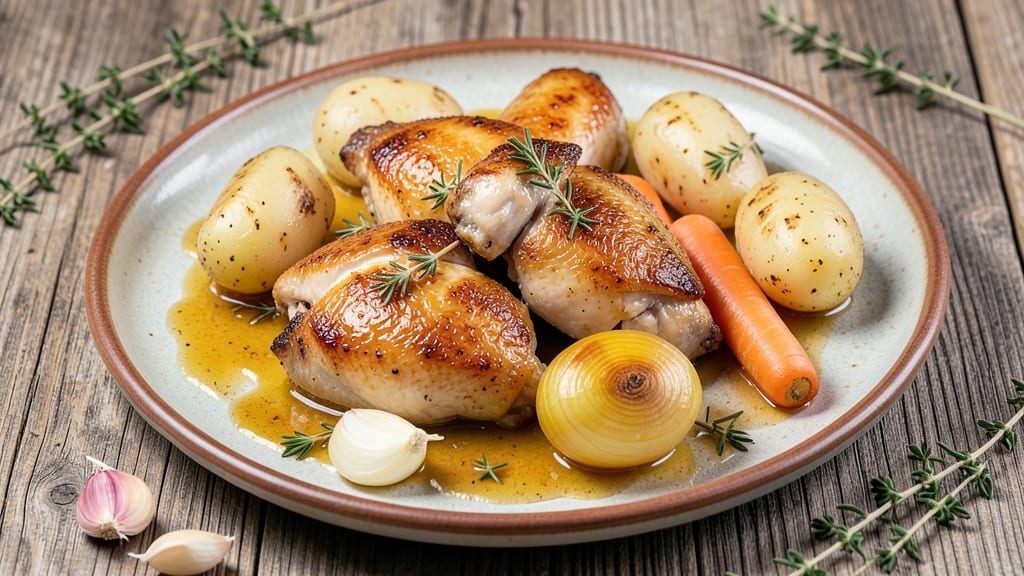
This boiled chicken and potatoes recipe delivers comforting, restaurant-style simplicity with just one pot and minimal effort. The secret lies in properly seasoning the chicken and potatoes before boiling—creating a flavorful broth that transforms basic ingredients into a satisfying meal.
I’ve perfected this method to ensure tender chicken and perfectly cooked potatoes every time, with no guesswork.
The beauty of this dish is its one-pot approach, which saves both time and cleanup. You’ll start with a hot broth that infuses the chicken and potatoes with subtle seasoning, resulting in a dish that’s hearty yet light.
The broth itself becomes a delicious base for serving, adding depth to every bite. This method is ideal for weeknight dinners or meal prep, as it requires minimal active time.
What you’ll end up with is tender, juicy chicken and fluffy, well-seasoned potatoes, all cooked in the same pot with a rich, aromatic broth. The dish is versatile—serve it as a standalone meal or pair it with steamed greens and crusty bread.
The simplicity of the ingredients makes it budget-friendly, while the technique ensures professional-quality results.
For extra flavor, consider adding herbs like thyme or bay leaves to the broth, or a splash of lemon juice at the end for brightness. The key to success is patience—letting the chicken and potatoes cook slowly until they’re perfectly tender.
This recipe proves that even the simplest dishes can be elevated with the right approach.
Ingredients for boiled chicken and potatoes
Nine essential ingredients transform into a restaurant-quality one-pot meal with tender chicken and fluffy potatoes.
| Ingredient | Amount | Notes |
|---|---|---|
| Boneless, Skinless Chicken Thighs 🍗 | 1 ½ lb | Cut into even-sized pieces |
| Russet Potatoes 🥔 | 2 lb | Cut into 2-inch chunks |
| Yellow Onion 🧅 | 1 whole | Quartered, peeled |
| Carrots 🥕 | 4 medium | Whole, peeled |
| Garlic Cloves 🧄 | 4 cloves | Minced |
| Fresh Thyme 🌿 | ¼ cup | Stems removed |
| Bay Leaves 🌿 | 2 whole | Dried |
| Salt 🧂 | 1 ½ tsp | Diamond Crystal preferred |
| Black Peppercorns 🌶️ | ½ tsp | Freshly cracked |
| Water 💧 | 4 cups | Cold, filtered preferred |
| Lemon Juice 🍋 | 1 tbsp | Freshly squeezed |
| Extra-Virgin Olive Oil 🫒 | 1 tbsp | For finishing |
The chicken thighs are the foundation—bone-in, skin-on yields richer flavor, but boneless works too. Whole Foods Market or your local butcher carry excellent cuts; look for thighs with good marbling. Potatoes should be firm and free of sprouts—Idaho or Russet are ideal. Carrots add natural sweetness, but skip them if you prefer a lighter broth. Fresh thyme and bay leaves elevate the broth's aroma without overpowering. For maximum flavor, toast the garlic cloves lightly in olive oil before adding to the pot.
No thyme? Dried oregano at one-third the amount works in a pinch, though fresh is preferable. Short on carrots? Celery or leeks add depth without altering the dish's core. The Diamond Crystal salt is crucial—it dissolves more easily than table salt, enhancing seasoning. For a deeper flavor profile, consider adding a splash of white wine when sautéing the aromatics. The lemon juice brightens everything at the end, but white vinegar at half the amount works if you're out of citrus.
This dish reheats beautifully—simmer gently to avoid drying out the potatoes. Store leftovers in the fridge for up to 4 days or freeze for 3 months. The broth freezes well separately for soups or sauces later. For meal prep, cook an extra batch and portion the chicken and potatoes into containers with reserved broth—just reheat and serve. The potatoes will stay tender when reheated properly, and the chicken remains juicy if not overcooked initially.
Why You'll Love This Recipe
- No-Chop Nightmare: I swear, this recipe only needs you to peel potatoes and crush garlic—no dice, no julienne, no stress. The onions and carrots stay in big chunks, and the chicken thighs stay whole, so you’re basically doing zero prep work.
- Golden Crisp Magic: That crispy skin on the chicken thighs? It’s the secret weapon. The potatoes turn fluffy inside with a buttery edge, and the carrots caramelize just enough to make every bite feel like a little reward.
- Lunchbox Hero: Between us, this is my go-to for meal prep. The flavors only get better the next day, and it reheats like a dream—perfect for packed lunches or lazy afternoons when you’re too tired to cook.
- Pantry Staple Power: Honestly, you’re using ingredients you already own. No fancy spices, no obscure finds—just basic stuff that won’t break the bank. And since it feeds four for under $10, it’s basically free money for deliciousness.
Step-by-step instructions for boiled chicken and potatoes
This one-pot method delivers tender chicken and perfectly cooked potatoes with a rich, aromatic broth.
Prepare the Chicken and Vegetables
Cut the 1.5 lb boneless, skinless chicken thighs into even-sized pieces for uniform cooking. Peel and quarter the whole yellow onion, then peel the 4 medium carrots and leave them whole. Remove stems from the 0.25 cup fresh thyme and crush the 4 cloves garlic into a fine mince.
This preparation ensures all ingredients cook evenly. The even-sized chicken pieces prevent some pieces from overcooking while others remain underdone. I always cut potatoes into 2-inch chunks for consistent doneness—they'll absorb the broth's flavors perfectly while maintaining their texture.
Sear the Chicken for Depth of Flavor
Heat a large pot over medium-high heat and add 1 tablespoon extra-virgin olive oil. Once shimmering, add the chicken pieces in a single layer and sear for 3-4 minutes per side until golden brown. Remove the chicken and set aside temporarily.
This step creates a flavorful crust that infuses the broth. Don't crowd the pan—work in batches if needed. The golden color signals the Maillard reaction, which builds depth of flavor. I press down gently on the chicken during the first minute to prevent curling and ensure even contact with the pan.
Build the Flavor Base
In the same pot, add the quartered onion, whole carrots, minced garlic, fresh thyme, and 2 whole bay leaves. Cook for 3-4 minutes until the onions soften slightly and release their sweet aroma. Add the 1.5 teaspoons salt and 0.5 teaspoon black peppercorns, stirring to combine.
This aromatic base forms the foundation of your broth. The onions and garlic should soften but not brown—you want to preserve their color and sweetness. The thyme and bay leaves will infuse the liquid with their earthy notes. If the vegetables stick, add a splash of water to deglaze and scrape up any browned bits from the bottom of the pot.
Simmer the One-Pot Meal
Pour in the 4 cups water and bring to a gentle boil. Return the seared chicken to the pot along with the 2 lb russet potatoes. Reduce heat to low and cover partially, leaving a small gap for steam to escape. Simmer for 25-30 minutes until the chicken reaches an internal temperature of 165°F and the potatoes are fork-tender.
Resist the urge to lift the lid during cooking—steam escape causes temperature fluctuations that extend cook time. You'll know it's done when the chicken is no longer pink in the center and the potatoes slide easily off a fork. The broth should be rich and flavorful, not watery. If it's too thin, simmer uncovered for another 5 minutes to reduce slightly.
Finish with Brightness and Serve
Remove the chicken and vegetables from the pot using a slotted spoon. Stir in the 1 tablespoon lemon juice and adjust seasoning if needed. Return the chicken and potatoes to the pot and let them sit in the broth for 5 minutes to absorb the final flavors.
Serve immediately with generous ladles of the flavorful broth. The lemon juice brightens the dish, cutting through the richness of the chicken and potatoes. For extra richness, drizzle with additional extra-virgin olive oil before serving. This one-pot method delivers a complete meal with minimal cleanup and maximum flavor.
Pro Tips For Making Boiled Chicken And Potatoes
- USE A LARGE POT: You’re not making tea—this dish needs space. Crowd the pot, and your potatoes will turn to mush while the chicken stays cold in the middle. Aim for at least 2 quarts of water per pound of chicken and potatoes, or double the recipe instead of skimping.
- CUT POTATOES UNIFORM: I learned this the hard way—jagged edges mean uneven cooking. Use a mandoline or sharp knife to slice russets into 1-inch chunks, and peel them first if you want them tender faster. No one wants a mushy center with a still-firm crust.
- SALT THE WATER LIBERALLY: Taste that broth later—it’ll be bland if you’re shy with salt. Add 2 tablespoons of kosher salt (or 1 tablespoon table salt) to the boiling water. Yes, even if you’re adding salt later, this step guarantees flavor from the start.
- DON’T BOIL THE CHICKEN DRY: After burning three batches, I finally figured out: cover the pot with a lid for the first 10 minutes of simmering. This traps heat and keeps the chicken moist, especially the thighs, which dry out faster than breasts. Lift the lid only after the water returns to a gentle boil.
Make-ahead tips for this boiled chicken and potatoes
Prep Ahead for Efficiency
Chop all vegetables and cut the chicken into even pieces the night before—store them in separate airtight containers in the fridge. This saves 15-20 minutes of prep time on busy weeknights. I keep the potatoes and carrots in one container and the chicken in another to prevent moisture loss.
The onions and garlic can be minced ahead too, but store them in a small sealed bag to preserve freshness. 💡
Broth Prep for Leftovers
Cook the entire dish as directed, then strain the broth through a fine-mesh sieve into a clean container. Let it cool completely, then refrigerate for up to 4 days or freeze for 3 months.
This flavorful broth becomes the base for soups, gravies, or even rice dishes later. I often double the recipe just to have extra broth on hand—it’s that versatile. 🥣
Potato Pre-Cooking Trick
Parboil the potatoes separately in salted water for 5 minutes before adding them to the main pot. This jumpstarts their cooking process, ensuring they’re tender without overcooking while the chicken finishes.
Drain well and add them to the pot with the chicken. This method cuts 10 minutes off total cook time and prevents mushy potatoes. 🥔
Chicken Make-Ahead Hack
Fully cook the chicken separately (poach or bake to 165°F internal temp) and store it in the fridge. When ready to serve, reheat the broth with potatoes, then add the pre-cooked chicken back in for 5 minutes to warm through.
This keeps the chicken juicy and lets you control the timing of the potatoes. I use this trick for meal prep—just assemble everything fresh when serving. 🍗
Freezer-Friendly Assembly
Portion the fully cooked chicken and potatoes into freezer-safe containers, then pour the reserved broth over the top. Seal tightly and freeze for up to 3 months. When ready to eat, thaw overnight in the fridge, then reheat gently on the stovetop with a splash of water.
The broth keeps everything moist, and the flavors stay vibrant. 🧊
Broth Boost for Extra Flavor
Before freezing the broth, stir in 1 tablespoon of lemon juice and 1 teaspoon of olive oil to enhance flavor. For even more depth, add a pinch of salt and pepper to the broth before storing.
This pre-seasoned broth is ready to use straight from the freezer—just heat and serve. It’s a game-changer for quick meals. 💛
Nutrition facts
Frequently asked questions
Can I use chicken breasts instead of thighs for this recipe?
Yes, but with adjustments! Chicken breasts cook faster than thighs, so cut them into 1-inch thick pieces and reduce simmering time to 15-20 minutes after the potatoes are tender. The breasts will be done when they reach 165°F internally. For best results, pound them to even thickness before cooking to ensure uniform doneness.
How do I prevent the potatoes from turning mushy?
Start by cutting potatoes into even 2-inch chunks (no smaller) and parboiling them for 5 minutes in salted water before adding to the main pot. Drain well and add them to the broth when the chicken is nearly done. The partial cooking jumpstarts their texture, and the broth's seasoning keeps them firm. Avoid overcrowding the pot—cook in batches if needed.
Can I make this recipe without a pressure cooker?
This recipe is designed for stovetop boiling only. The 25-30 minute simmering time ensures tender chicken and potatoes without needing pressure. For faster results, you could use an Instant Pot on "High Pressure" for 10 minutes after adding all ingredients, but the flavors develop differently. The stovetop method creates a richer, more aromatic broth.
What if my broth tastes bland?
First, check your seasoning—add more salt, pepper, or fresh herbs to the broth while it simmers. For extra depth, stir in 1 tablespoon of lemon juice or a splash of white wine at the end. If the broth is still weak, simmer it uncovered for 5-10 minutes to reduce and concentrate the flavors. A pinch of MSG (optional) can also enhance umami without changing the taste.
How do I reheat leftovers without drying out the chicken?
Place the chicken and potatoes in a pot with 1/4 cup of the reserved broth or water. Cover and heat on low-medium heat for 5-7 minutes, stirring occasionally. The broth keeps everything moist, and the gentle heat prevents the chicken from becoming rubbery. Avoid microwave reheating—it dries out the chicken faster.