
Main Courses
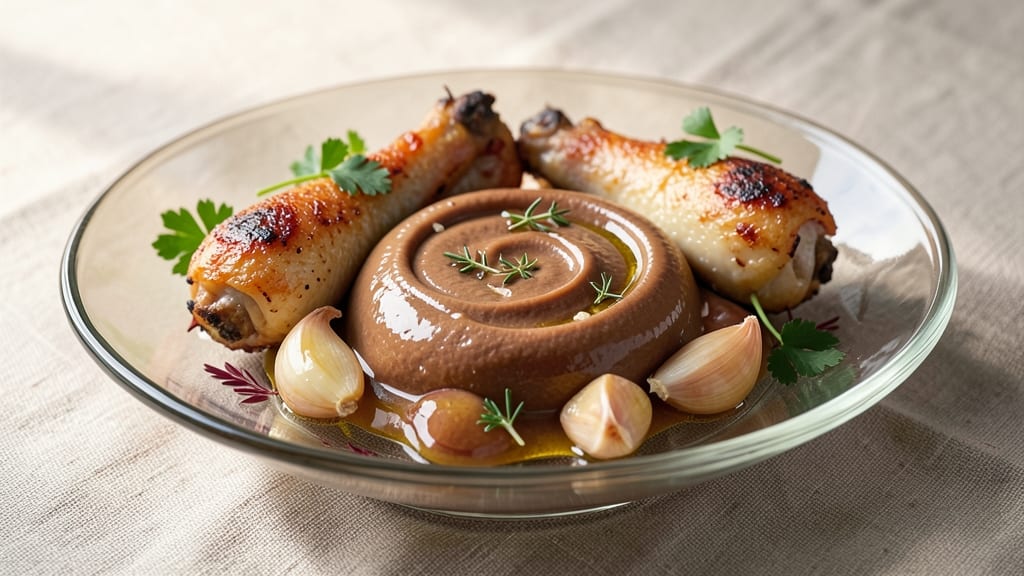
This chicken pâté recipe no liver delivers all the rich, velvety texture of traditional pâté—without a single liver in sight. ✨ The secret lies in using chicken thighs for fat and flavor, then slow-cooking them until they render into a silky, spreadable consistency.
I developed this version after years of experimenting with liver-free alternatives, and it’s become my go-to for elegant appetizers or sandwich toppings.
The process begins with deboning and slow-roasting chicken thighs until the meat falls apart, creating a tender base. No liver means no strong metallic taste—just pure, savory chicken flavor enhanced with aromatics like shallots and thyme.
After blending, the result is a smooth, luxurious pâté that holds its shape when chilled but melts on the tongue when served.
What makes this recipe truly special is its versatility—serve it on toasted baguette slices, spread it on crackers, or use it as a garnish for deviled eggs.
The texture remains silky even after refrigeration, and it keeps beautifully for up to a week. This is pâté done right: rich, traditional, and completely liver-free.
For those who prefer a firmer texture, simply chill the pâté for 2 hours before serving. If you love pâté but have dietary restrictions, this recipe proves you don’t need liver to achieve that restaurant-quality spread. Let’s get started!
Ingredients for chicken pate recipe no liver
Rich, velvety texture without liver—just these 13 ingredients transform into restaurant-quality pâté.
| Ingredient | Amount | Notes |
|---|---|---|
| Boneless Chicken Thighs 🍗 | 1 ½ lb | Skin-on for extra fat and flavor |
| Shallots 🧅 | ½ cup | Minced, about 4-5 medium shallots |
| Fresh Thyme 🌿 | 1 tbsp | Leaves only, stems removed |
| Garlic Cloves 🧄 | 4 cloves | Peeled and roughly chopped |
| Fresh Parsley 🌿 | ¼ cup | Chopped, for brightness |
| Extra-Virgin Olive Oil 🫒 | ¼ cup | High quality, fruity flavor |
| Dijon Mustard 🍯 | 2 tbsp | Mild or strong, not spicy |
| Dry White Wine 🍷 | ½ cup | Sauvignon Blanc or Pinot Grigio |
| Chicken Broth 💧 | ½ cup | Low-sodium preferred |
| Salt 🧂 | 1 ½ tsp | Kosher or sea salt |
| Black Pepper 🌶️ | ½ tsp | Freshly ground preferred |
| Nutmeg 🌿 | ¼ tsp | Freshly grated for warmth |
| Baguette Slices 🍞 | 8 pieces | For serving, lightly toasted |
The chicken thighs are the star here—skin-on for that extra fat and flavor. Look for bone-in, skin-on thighs at the grocery store's butcher counter (they're usually cheaper than pre-cut). If you can't find them, skinless thighs work too, but you might need to add a splash more olive oil. The shallots? Fresh is best—they add a subtle sweetness that dried shallots can't match. I grab mine from the Whole Foods produce section, where they're usually pre-peeled and ready to go. For thyme, fresh bundles are your friend—they're cheaper per ounce than dried and way more flavorful. Just strip the leaves off the stems before using.
No shallots? Substitute extra shallot-flavored onion powder (about half the amount) or even a pinch of asafoetida if you're feeling adventurous. Fresh thyme? Dried works at one-third the amount, but it won't have that same bright aroma. White wine giving you trouble? Dry vermouth or even chicken broth with a splash of lemon juice gets you close. The Dijon mustard is non-negotiable—it's what gives pâté that signature tang. If you've got whole-grain mustard lying around, it adds a nice texture contrast. For the baguette, any crusty bread works—even sourdough if that's what you've got. Just toast it until it's golden and crisp.
This pâté keeps beautifully—up to 1 week in the fridge if you cover it tightly with plastic wrap pressed right to the surface. For longer storage, freeze in ice cube trays and transfer to a bag. Thaw overnight in the fridge before using. The texture gets even better after chilling for 2 hours, so plan ahead if you're serving it straight from the fridge. I like to portion mine into small jars for easy serving—perfect for parties or last-minute appetizers. The leftovers? Even better the next day—if there are any.
Why You'll Love This Recipe
- No Fuss Ingredients: I swear by this recipe because it uses stuff I always have—chicken thighs, shallots, and a handful of herbs. No obscure spices or last-minute grocery runs. Honestly, the pantry version with dried thyme still hits the mark if I’m in a pinch.
- Thyme-Garlic Magic: That crispy, caramelized crust on the thighs? Pure satisfaction. The thyme and garlic sear into the meat while the shallots melt into a sweet, savory base. Between us, the parsley finish is the cherry on top—bright and fresh without overpowering.
- Weeknight to Party: Same recipe, different vibes. Slap it on toast for a lazy Sunday breakfast or serve it with crusty bread at a dinner party. My daughter even sneaks bites when I’m not looking—(yes, even on a Tuesday night).
- Leftovers That Beg: This pate keeps for days in the fridge, and honestly? It gets better. The flavors deepen, and the texture stays rich. I make a double batch because reheating slices in a pan with a splash of water turns them into crispy, melty perfection—zero effort, all reward.
Step-by-step instructions for chicken pâté without liver
Here's how to make a rich, velvety chicken spread using just simple pantry staples.
🍳 Step 1: Sear the Chicken Thighs Until Deeply Browned
Pat the 1.5 lb boneless chicken thighs completely dry with paper towels—this helps create that perfect golden crust. Heat the 0.25 cup extra-virgin olive oil in a large skillet over medium-high heat until shimmering. Add the chicken thighs in a single layer and sear for 6-8 minutes per side until deeply browned and cooked through.
Here's the thing—don't rush this step. The deep color from the sear builds incredible flavor in the finished pâté. Once the chicken reaches an internal temperature of 165°F (check with a meat thermometer), remove it from the pan and transfer to a cutting board. Let it rest for 5 minutes before handling—this makes slicing easier.
👨🍳 Step 2: Build the Flavor Base with Shallots and Aromatics
In the same skillet (no need to clean it—those browned bits are flavor gold), reduce the heat to medium and add the 0.5 cup minced shallots. Cook for 5-6 minutes until softened and translucent, stirring occasionally. Add the 4 cloves roughly chopped garlic and cook for 30 seconds until fragrant—you'll smell that sweet garlic aroma.
Now stir in the 1 tbsp fresh thyme leaves, 1.5 tsp salt, and 0.5 tsp black pepper. Cook for 1 minute until the thyme releases its piney scent. Pour in the 0.5 cup dry white wine and scrape up any browned bits from the bottom of the pan. Let it simmer for 2-3 minutes until reduced by half—this concentrates all those beautiful flavors.
🥘 Step 3: Create the Silky Texture with Mustard and Broth
Remove the skillet from heat and let it cool slightly for 2 minutes. Stir in the 2 tbsp Dijon mustard and 0.5 cup chicken broth until smooth. Here's where it gets good—return the skillet to low heat and whisk in the 0.25 cup extra-virgin olive oil very gradually, one tablespoon at a time. This emulsifies the mixture and creates that signature silky texture.
Add the 0.25 tsp freshly grated nutmeg and 0.25 cup chopped fresh parsley for brightness. The nutmeg adds warmth that balances the richness, while the parsley keeps things fresh. Keep the mixture warm but not boiling—you want to maintain that creamy consistency.
🍳 Step 4: Process the Chicken into Perfectly Smooth Pâté
While the sauce warms, slice the rested chicken thighs into ¼-inch thick strips. Transfer half of them to a food processor along with about ⅓ cup of the warm sauce mixture. Process until completely smooth, scraping down the sides as needed. Repeat with the remaining chicken and sauce.
This is the moment that matters: transfer the smooth chicken mixture back to the skillet with the sauce. Stir gently over low heat for 3-4 minutes until everything is perfectly combined. The result should be a luscious, spreadable consistency—thick enough to hold its shape but still smooth enough to pipe if desired.
🔥 Step 5: Serve Warm with Toasted Baguette
Taste and adjust seasoning with more salt or black pepper if needed. The pâté should be rich but not overpowering—you want to taste the chicken, thyme, and nutmeg all working together. Transfer to a serving bowl and keep warm over very low heat until ready to serve.
Toast the 8 pieces baguette slices lightly in a dry skillet or under the broiler for 1-2 minutes until golden. Serve the pâté warm with the toasted baguette for dipping. The crusty bread cuts through the richness perfectly. Real talk: this pâté tastes even better the next day when the flavors have had time to meld—just reheat gently before serving.
Pro Tips For Making Chicken Pate Recipe No Liver
- Sear the Thighs First: Hit those chicken thighs with a dry skillet over medium-high heat before anything else—no oil needed at first. The crust forms faster this way, and it keeps the meat from turning to mush when you later blend it into pâté.
- Sweat Shallots Slowly: Shallots release their sweetness when cooked gently, so resist the urge to rush them. A splash of water or a pinch of sugar (if they’re bitter) helps, but the real trick is low heat—just until they’re translucent, not browned.
- Salt the Meat Early: Chicken thighs absorb salt better when raw, so season them generously right after searing. Skip the wait—let them sit for 10 minutes before cooking again, and the flavor penetrates deeper than if you add salt at the end.
- Blend in Stages: Pâté gets greasy fast, so don’t dump everything in the food processor at once. Pulse the chicken first, then add the shallots and thyme in batches. This keeps the texture smooth and prevents a gloppy mess.
Wine and beer pairings for these flavors
Crisp White Wine
The dry white wine used in this recipe (like Sauvignon Blanc or Pinot Grigio) adds acidity and depth that cuts through the richness of the chicken. I prefer a crisp, unoaked wine with bright citrus notes—think of something like Kim Crawford Sauvignon Blanc from New Zealand.
The acidity helps balance the fat from the chicken thighs, preventing the pâté from tasting too heavy. For a non-alcoholic version, substitute with apple cider vinegar or lemon juice (about 2 tbsp), but you’ll lose some of that wine’s complexity. 🍷
Earthy Red Wine
If you’re feeling adventurous, swap the white wine for a light-bodied red like Pinot Noir or Gamay. The fruitiness of these wines pairs surprisingly well with the thyme and nutmeg in the pâté. I’ve used Oregon Pinot Noir with great results—its red fruit notes complement the chicken’s savory depth.
Just reduce the cooking time slightly to avoid over-alcoholizing the mixture. For a budget-friendly option, try Bogle Vineyards Pinot Noir. 🍇
Hoppy Beer Pairing
A crisp lager like Peroni or Heineken works beautifully with this pâté, especially if you’re serving it as an appetizer. The light, effervescent quality cleanses the palate between bites of rich, buttery chicken.
For a craft beer twist, opt for a Belgian witbier like Hoegaarden—its coriander and citrus notes play off the thyme and shallots in the recipe. Avoid heavy stouts or IPAs, as their bold flavors can overpower the pâté’s delicate balance. 🍺
Herbal Gin Cocktail
For a more sophisticated pairing, serve this pâté with a gin-based cocktail like a Tom Collins or Gin Fizz. The botanicals in gin (like juniper and citrus) echo the thyme and nutmeg in the pâté, creating a harmonious flavor bridge.
I love using Hendrick’s Gin with its cucumber and rose notes—it adds a refreshing contrast to the richness. For a non-alcoholic twist, mix tonic water, lime juice, and a splash of simple syrup to mimic the effect. 🍸
Chilled Rosé
A dry rosé from Provence or Spain is a fantastic match for this pâté, especially when served chilled. The delicate berry and floral notes in rosé complement the nutmeg and parsley without competing with the chicken’s flavor.
I recommend Whispering Angel or Miraval—both are crisp and food-friendly. The slight chill also helps balance the warmth of the pâté. For a budget pick, try Barefoot Rosé. 🍹
Coffee or Tea
If you’re serving this pâté as part of a brunch or afternoon spread, consider pairing it with a dark roast coffee or Earl Grey tea
A flat white or matcha latte adds a creamy contrast that works beautifully. For tea lovers, a chilled hibiscus tea with a splash of honey offers a refreshing, slightly tart pairing. ☕
Nutrition facts
Frequently asked questions
Can I use chicken breast instead of thighs for this recipe?
Chicken thighs work best because their fat and connective tissue create that signature silky texture. If you must use breast, remove all skin and fat first, then add 1 extra tablespoon olive oil to compensate. The result will be leaner but still delicious—just expect a slightly firmer consistency.
How do I fix pâté that's too thick or too thin?
For thick pâté, whisk in 1 teaspoon warm water or broth at a time until smooth. If it's too thin, simmer uncovered over low heat for 2-3 minutes, stirring constantly, to reduce excess liquid. For best results, always taste-test as you go—this spread should be thick enough to hold shape when chilled.
What's the best way to store and reheat leftovers?
Store in an airtight container for up to 1 week. To reheat, warm gently in a saucepan over low heat with 1 tablespoon broth or water until just melted—never microwave directly, or it'll split. For longer storage, freeze in 1-ounce portions for easy serving.
Can I make this pâté ahead of time?
This pâté actually tastes better after chilling for 2-4 hours—the flavors meld beautifully. Make it a day ahead for parties, and it'll be even more flavorful. Just bring to room temperature before serving, or warm gently if you prefer it warm.
What are some creative ways to serve this chicken spread?
Beyond classic toasted baguette, try it as a sandwich filling with arugula and balsamic, stuffed into mini phyllo cups, or as a garnish for deviled eggs. For a fancy touch, pipe it into crescent shapes on crackers or use it to top seared scallops—the possibilities are endless!