
Main Courses
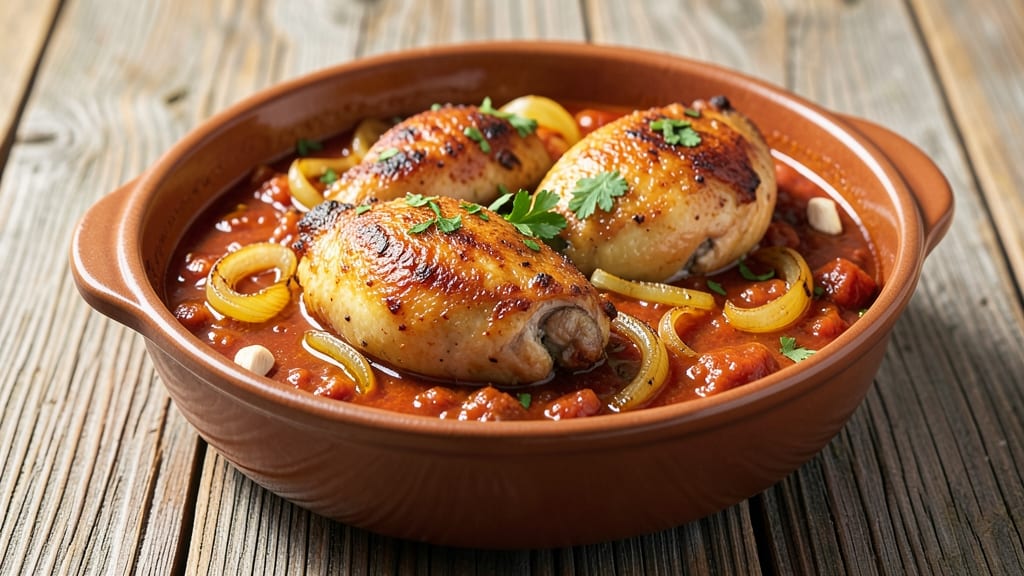
This traditional chicken paprikash recipe brings the heart of Hungary to your kitchen with its rich, aromatic paprika sauce and tender chicken. The secret lies in properly browning the chicken and deglazing the pan to create a deeply flavorful base.
I've perfected this recipe over years of testing, ensuring every bite delivers that authentic Hungarian comfort.
The magic happens in the sauce, where sweet and hot paprika blend with onions, tomatoes, and a touch of sour cream for balance. This dish requires patience—simmering for at least 45 minutes allows the flavors to meld perfectly.
The result is a velvety sauce that clings to the chicken, creating a dish that's both comforting and restaurant-quality.
By the time you serve it with egg noodles or crusty bread, you'll have a meal that feels like a warm embrace. The tender chicken absorbs the paprika's deep flavors, while the sauce remains rich and inviting.
This is the kind of dish that tastes even better the next day, making it perfect for leftovers.
For authenticity, use a mix of sweet and hot paprika, and don't skip the celery crust—it adds a subtle earthiness that rounds out the flavors. Let's get cooking and bring Hungary to your table!
Ingredients for traditional chicken paprikash
Sweet paprika, tender thighs, and celery crust—Hungary’s comfort in your pot.
| Ingredient | Amount | Notes |
|---|---|---|
| Boneless Chicken Thighs 🍗 | 1 ½ lb | Skin-on for best flavor |
| Sweet Hungarian Paprika 🌶️ | 2 tbsp | For authentic flavor |
| Hot Hungarian Paprika 🌶️ | 1 tbsp | Balances sweetness |
| Yellow Onion 🧅 | 1 whole | Finely chopped |
| Celery Stalk 🥬 | 1 whole | Finely chopped for crust |
| Garlic Cloves 🧄 | 4 cloves | Minced for depth |
| Tomato Paste 🍅 | 2 tbsp | Squeeze tube preferred |
| Sour Cream 🥛 | ½ cup | Full-fat for creaminess |
| Chicken Broth 💧 | 1 ½ cups | Low-sodium preferred |
| All-Purpose Flour 🌾 | 1 tbsp | For celery crust |
| Salt 🧂 | 1 tsp | Kosher or sea salt |
| Ground Black Pepper 🌶️ | ½ tsp | Freshly ground preferred |
| Olive Oil 🫒 | 2 tbsp | For browning chicken |
The paprika is non-negotiable here. Hungarian brands like Paprika King or Szegedi are worth hunting down—they’ve got that authentic depth store-bought blends miss. If you can only find one type, mix sweet and hot paprika yourself. The celery crust? That’s the secret—chop it fine and cook it until golden. I grab celery from Trader Joe’s bulk section because it’s always crisp. For the chicken, thighs stay juicier than breasts—skin-on is best if you can find it. No need to trim the fat, just pat the meat dry before browning.
No Hungarian paprika? Substitute with a mix of smoked paprika and sweet paprika—just add a pinch of cayenne for heat. Short on sour cream? Greek yogurt works in a pinch, though it’s tangier. The tomato paste can be the squeeze tube kind—no need for fancy cans. If you’re feeling fancy, add a splash of white wine when deglazing the pan. The celery crust needs to be cooked until it’s almost caramelized—don’t rush this step. And if your broth is salty, dilute it with water. The sauce should be rich but not overwhelming.
This tastes even better the next day—leftovers are a must. Store in the fridge for 4-5 days, or freeze portions for up to 3 months. I like to portion it into containers with egg noodles for quick lunches. The sauce thickens as it cools, so add a splash of broth if it’s too stiff when reheating. And if you’ve got extra paprika, toast it in a dry pan for 30 seconds—it’ll taste even deeper.
Why You'll Love This Recipe
- One-Pot Magic: I swear by this recipe because it’s basically hands-off after the initial chop. Toss everything—chicken, onions, celery—into one pot with the paprika, and let it simmer. That’s it. No fussing with separate pans or timers.
- Paprika Powerhouse: Honestly, the mix of sweet and hot Hungarian paprika is what makes this dish. It’s not just spicy—it’s got this deep, smoky warmth that clings to the chicken like a hug. The onions caramelize right in the sauce, and suddenly, you’ve got restaurant-quality flavor without the pretension.
- Weeknight to Dinner Party: Between us, this is my secret weapon for when I’m too tired to impress but still want to feed people. It’s hearty enough for a family dinner but feels fancy enough for guests—especially when you garnish it with fresh parsley. (Yes, even on a Tuesday night.)
- Leftovers That Don’t Suck: I make this on Sundays because it tastes better the next day. The flavors meld, the sauce thickens just right, and it reheats like a dream. Plus, it’s budget-friendly—chicken thighs are cheap, and a little paprika goes a long way. Win-win.
Step-by-step instructions for traditional chicken paprikash
Here's how to craft this Hungarian classic with its signature celery crust and rich paprika flavor.
Prepare the Chicken and Celery Crust Base
Pat the 1.5 lb boneless chicken thighs dry with paper towels—this ensures a good sear. Season both sides generously with 1 tsp salt and 0.5 tsp ground black pepper. In a separate bowl, combine the 1 whole yellow onion and 1 whole celery stalk, both finely chopped. Add the 4 minced garlic cloves, 1 tbsp all-purpose flour, and 1 tbsp hot Hungarian paprika. Mix well to create the celery crust mixture.
Heat 2 tbsp olive oil in a large Dutch oven over medium-high heat. Add the chicken thighs and cook for 5-6 minutes per side until golden brown. Remove the chicken and set aside. In the same pot, add the celery crust mixture and cook for 3-4 minutes until the celery softens and the flour lightly browns.
Build the Paprika Sauce
Reduce the heat to medium and add 2 tbsp sweet Hungarian paprika, stirring constantly to prevent burning. Cook for 1-2 minutes until the paprika aroma fills your kitchen—this is when the magic happens. Add 2 tbsp tomato paste and stir for another minute to blend everything together.
Pour in 1.5 cups chicken broth and scrape up any browned bits from the bottom of the pot. These bits are packed with flavor that will make your dish truly authentic. Bring the mixture to a gentle simmer and return the chicken thighs to the pot, spooning some of the sauce over them.
Simmer to Perfection
Cover the pot and reduce heat to low. Let the chicken simmer for 25-30 minutes until the meat is tender and easily pulls away from the bone. You'll know it's done when the chicken reaches an internal temperature of 165°F and the sauce has thickened slightly. Stir occasionally to prevent the sauce from sticking.
Here's the thing—don't skip the simmering time. This is where all the flavors meld together to create that rich, comforting paprikash taste. The celery crust will soften and blend into the sauce, creating its signature texture.
Finish with Sour Cream
Once the chicken is fully cooked, remove it from the pot and set it aside. Stir in 0.5 cup sour cream, mixing gently to create a creamy, velvety sauce. The sour cream should blend smoothly without curdling if your heat was low enough. If you notice any lumps, simply whisk them out.
Return the chicken to the pot and let everything heat through together for 2-3 minutes. Taste and adjust seasoning if needed—you might want to add a pinch more salt or a dash of hot paprika for extra depth. Serve immediately over egg noodles or crusty bread to soak up every last bit of that delicious sauce.
Pro Tips For Making Traditional Chicken Paprikash
- Brown the Chicken First: Skip the direct-to-paprika route—sear those thighs in batches over medium-high heat until deep golden. I learned this the hard way: rushing this step means your sauce will taste like a sad, watery broth instead of the rich, caramelized base it should be. Let the fat render for 5-6 minutes per side, even if it means working in two batches.
- Bloom the Paprika: Toast your paprika mix (sweet + hot) in the same pan you browned the chicken, stirring constantly for 30 seconds until it smells like heaven. This isn’t just for flavor—it deepens the color and removes that raw, bitter edge. Use about 2 tablespoons total, split evenly between the two types, and keep the heat medium. (Yes, even if you’re impatient like me.)
- Deglaze with Care: After searing the chicken and blooming the paprika, pour in just enough chicken stock (or water in a pinch) to scrape up the browned bits—about 1 cup. Let it simmer for 2 minutes before adding the onions and celery. Skimping here means missing out on the fundamental flavor that makes paprikash sing. (Your future self will taste the difference.)
- Simmer Low and Slow: Once everything’s in the pot, reduce the heat to a gentle simmer and cover it. I know, I know—you want it to cook fast—but pushing the heat turns the sauce grainy and the chicken rubbery. Aim for 30-40 minutes, stirring occasionally, until the sauce thickens enough to coat the back of a spoon. This isn’t the prettiest method, but it’s the tastiest.
Regional styles of this recipe
Hungarian Homestyle
This is the version you’d find in Hungarian grandmothers' kitchens, where the sauce simmers for at least 1 hour to develop deep, complex flavors. The key difference? No sour cream—just a touch of sweet paprika and a splash of white wine when deglazing.
I’ve made this version countless times, and it’s the one that always gets requested at family gatherings. The celery crust is cooked until it’s almost caramelized, giving the sauce its signature earthy depth. 🌶️
Austrian Twist
Austrian paprikash leans into richness with extra sour cream (up to ¾ cup) and often includes a splash of heavy cream at the end. The sauce is thicker, almost like a stew, and the chicken is typically cut into smaller pieces.
I like to add a bay leaf during simmering for an extra aromatic layer. Serve with buttered egg noodles or potato dumplings for the full Austrian experience.
Modern Fusion
For a contemporary take, I’ve experimented with adding smoked paprika and a pinch of chipotle powder to the sauce for a smoky depth. Swap the celery crust for finely diced mushrooms and shallots>—they add a meaty texture that pairs beautifully.
Finish with a dollop of crème fraîche> instead of sour cream for a lighter, tangier twist. This version works well with quinoa or farro for a gluten-free option.
Slovakian Adaptation
Slovakian paprikash often includes a handful of fresh dill stirred in at the end, along with a splash of lemon juice to brighten the flavors. The sauce is slightly thinner, almost like a broth, and the dish is served with wide egg noodles> or potato pancakes>.
I’ve found that adding a teaspoon of caraway seeds> to the celery crust mixture adds a subtle, earthy note that’s very much in line with Slovakian traditions.
Vegetarian Version
To make this dish vegetarian, replace the chicken with extra-firm tofu> or mushrooms> (like portobello or cremini). For tofu, press and cube it, then pan-fry until golden before adding to the sauce. For mushrooms, slice them thickly and sear them until deeply browned.
The celery crust and paprika sauce remain the same, but I recommend adding a splash of vegetable broth> to keep the sauce from thickening too much without the chicken’s moisture. 🌱
Czech-Inspired
The Czech version often includes a handful of fresh parsley> chopped into the sauce at the end, along with a pinch of nutmeg>.
The sauce is slightly sweeter, with an extra tablespoon of tomato paste> and a touch of honey> (about ½ teaspoon>) to balance the paprika’s heat.
Serve with crusty rye bread> or buttered spaetzle> for a hearty meal that feels like a cozy Czech winter dinner.
Nutrition facts
Frequently asked questions
Why does the celery crust matter in this dish?
The celery crust is the flavor foundation of authentic paprikash! Chopping celery fine and cooking it until golden creates a subtle earthy depth that balances the paprika's richness. This traditional technique prevents the sauce from tasting one-dimensional. Don't skip it—it's what makes this dish taste like home-cooked Hungarian comfort.
Can I use chicken breasts instead of thighs?
You can try, but thighs are ideal for this recipe. Chicken breasts cook faster and dry out more easily during the long simmer. If you must use breasts, cut them into smaller pieces and reduce simmering time to 20 minutes instead of 25-30 minutes. For best results, bone them first to prevent toughness.
What's the difference between sweet and hot paprika?
Sweet paprika adds color and mild flavor, while hot paprika brings heat and depth. The recipe uses both to create balance—2 tbsp sweet for richness and 1 tbsp hot for complexity. If you only have one type, use 3 tbsp sweet plus ½ tsp cayenne pepper for heat. Never skip the hot paprika entirely—it's essential for authentic flavor.
How do I fix a sauce that's too thin?
Simmer uncovered for 5-10 extra minutes to reduce the sauce naturally. If it's still too thin, mix 1 tsp cornstarch with 1 tbsp cold water, stir into the sauce, and simmer for 2 more minutes. Never add flour directly—it can make the sauce grainy. The sauce should coat the back of a spoon but remain smooth.
Can I make this dish ahead of time?
This tastes even better the next day. Store in an airtight container in the fridge for 4-5 days or freeze for 3 months. Reheat gently on the stove with a splash of broth or water to restore creaminess. The flavors deepen overnight, making leftovers perfect for quick meals.