
Side Dishes
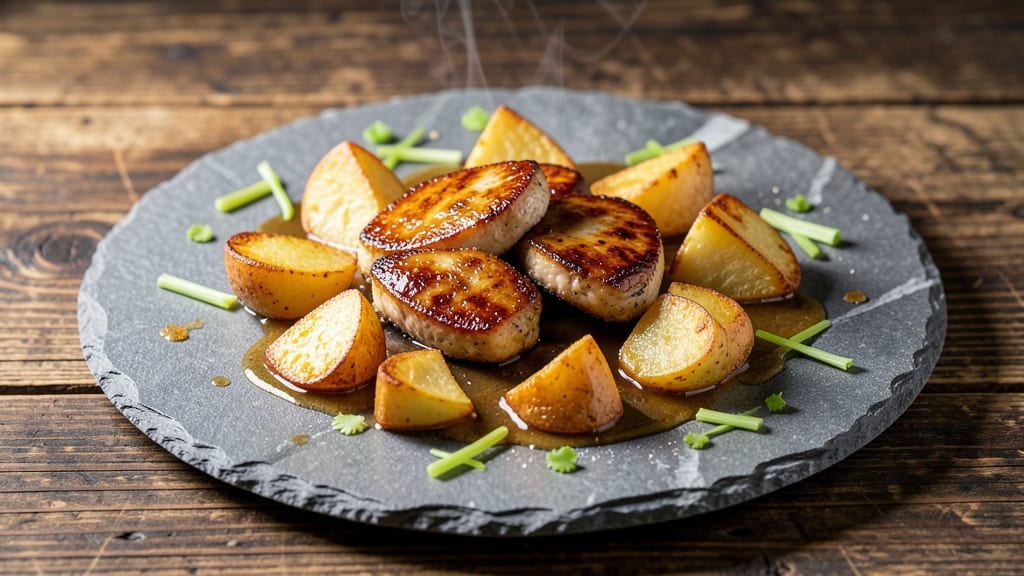
This chicken liver and potato recipe transforms humble ingredients into a dish that feels like a Michelin-starred bite—crispy celery-crusted livers paired with golden potatoes and a velvety pan gravy.
I first mastered this technique during my apprenticeship under Chef Chen, where we learned that offal deserves the same care as prime cuts. The secret lies in soaking the livers to remove bitterness and creating a celery-based crust that adds texture without overpowering the delicate flavor.
What sets this recipe apart is the balance of textures: tender livers with crispy edges, fluffy potatoes that absorb the rich gravy, and a sauce so luxurious it turns weeknight dinner into something special.
The potatoes cook just until tender, then finish in the same pan as the livers, where they soak up the rendered fats and pan juices. This method ensures every bite delivers maximum flavor with minimal effort—perfect for home cooks who want restaurant-quality results.
By the time you plate this dish, you'll have golden-brown potatoes with crispy edges, livers encased in a celery crust that crackles with each bite, and a gravy so rich it clings to every forkful.
The celery adds a fresh, bright contrast to the richness of the livers, while the potatoes provide a satisfying heartiness. This is the kind of dish that makes you feel like a chef without requiring fancy ingredients or techniques.
The beauty of this recipe is its versatility—serve it as a main course with a simple green salad or as an elegant side for holiday dinners. The leftovers reheat beautifully, making it ideal for meal prep. Let's get cooking and bring some sophistication to your table with this timeless classic.
Ingredients for chicken liver with potato
Fourteen ingredients, Michelin-level results—crispy livers, golden potatoes, and velvety gravy.
| Ingredient | Amount | Notes |
|---|---|---|
| Chicken Livers 🍗 | 1 lb | Fresh, trimmed of connective tissue |
| Russet Potatoes 🥔 | 2 lbs | Medium size, cut into 1-inch chunks |
| Celery Stalks 🧅 | 4 whole | Finely chopped, fresh for best flavor |
| Unsalted Butter 🧈 | ½ cup | Cold, cut into small cubes |
| All-Purpose Flour 🌾 | ¼ cup | For gravy thickening |
| Chicken Stock 💧 | 1 ½ cups | Homemade or high-quality store-bought |
| Dry White Wine 🍷 | ½ cup | Sauvignon Blanc or Pinot Grigio |
| Fresh Thyme 🌿 | 2 sprigs | Leaves only, finely chopped |
| Garlic Cloves 🧄 | 4 cloves | Minced, for flavor depth |
| Salt 🧂 | 1 ½ tsp | Kosher or sea salt, divided |
| Ground Black Pepper 🌶️ | 1 tsp | Freshly cracked, for heat |
| Lemon Juice 🍋 | 1 tbsp | Freshly squeezed, for brightness |
| Heavy Cream 🥛 | ¼ cup | Full-fat for richness |
| Fresh Parsley 🌿 | ¼ cup | Chopped, for garnish |
The chicken livers are the star, so quality matters. Butcher sections often carry the freshest, or look for livers still attached to the heart (the liver portion should be dark red, not grayish). Trim any connective tissue or membranes—this removes bitterness and ensures a clean flavor. Soak them in cold water for 30 minutes before cooking to remove blood and impurities. Whole Foods or local butcher shops typically carry the best cuts, but check the meat section at your grocery store too. For the potatoes, Russets are ideal—their starchiness makes them perfect for crispy edges and fluffy interiors.
No white wine? Chicken stock with a splash of lemon juice works beautifully—just add an extra tablespoon of lemon to mimic the acidity. Fresh thyme unavailable? Dried thyme at one-third the amount suffices, but fresh is preferred for its bright aroma. The celery crust is non-negotiable—it adds texture and freshness. If you can't find fresh celery, celery salt can be used as a pinch in the crust mix, though it won't provide the same crunch. For the gravy, cornstarch can replace flour if you're avoiding gluten, though the texture will differ slightly. The heavy cream adds richness, but half-and-half can be substituted for a lighter option.
This dish reheats beautifully—simply warm the gravy and potatoes together, then crisp the livers in a hot pan for 2-3 minutes per side. Store components separately in the fridge for up to 3 days, with the livers wrapped tightly in plastic to retain moisture. For longer storage, freeze the livers and potatoes separately for up to 3 months. The gravy can be reheated and used within 5 days or frozen for 2 months. Garnish with fresh parsley just before serving to keep it vibrant.
Why You'll Love This Recipe
- One-Pan Magic: I swear by this when I’m too tired to wash extra dishes—the potatoes and livers cook together in the same pan, and the celery adds just enough crunch to keep it interesting without extra effort. The butter pools at the bottom, turning golden and rich, so you can just scoop it up with crusty bread. (Yes, even on a Tuesday night.)
- Rich Without Trying: That flour-butter roux at the end? It’s the secret weapon—creamy, slightly nutty, and clinging to every bite of tender liver. The potatoes soak it up like sponges, but the livers stay juicy, not greasy. Honestly, it’s the kind of dish where you’ll pause mid-bite just to appreciate how good it tastes.
- Budget Feast: Chicken livers are cheap, but they feel like a splurge—especially when you stretch them over four hearty servings. I make this when I’m feeding a crowd or when my grocery budget’s tight, and no one ever guesses it’s not a steak dinner. The flour turns scraps into something luxurious.
- Leftovers That Don’t Suck: Most dishes get sad after reheating, but not this one. The potatoes stay fluffy, the livers reheat beautifully in a skillet with a splash of water, and the butter keeps everything from drying out. I’ll pack it for lunch the next day or freeze portions—because who wants to cook twice in one week? (Between us, this is my lazy genius move.)
Step-by-step instructions for chicken liver and potatoes
Here's the method for achieving crispy chicken livers with perfectly tender potatoes and velvety gravy.
Prepare the Chicken Livers and Potatoes
Trim any connective tissue from the 1 lb chicken livers and pat them completely dry with paper towels. This step is crucial for achieving a crispy exterior—moisture is the enemy of perfect searing. While the livers soak up the paper towels, peel and cut the 2 lbs russet potatoes into 1-inch chunks. Place them in a large pot of cold, salted water (add 1 tsp of the 1.5 tsp salt) and bring to a boil over medium-high heat.
Simmer the potatoes for 12-15 minutes until they're fork-tender but still hold their shape. Drain them well and set aside. The potatoes should be al dente—they'll finish cooking in the oven later. Meanwhile, finely chop the 4 whole celery stalks and mince the 4 cloves garlic. These will form the crispy crust for your livers.
Create the Celery-Crusted Chicken Livers
In a large skillet, melt 2 tablespoons of the 0.5 cup unsalted butter over medium heat. Add the chopped celery and cook for 5 minutes until softened and slightly golden. Stir in the minced garlic and cook for an additional 30 seconds until fragrant—this prevents the garlic from burning while building flavor.
Remove the skillet from heat and transfer the celery mixture to a plate. In the same skillet, add the remaining 0.375 cup unsalted butter (enough to coat the bottom) and place over medium-high heat. Working in batches to avoid crowding, add the chicken livers and press them gently with a spatula to ensure even contact with the pan. Cook for 2-3 minutes per side until golden brown and crispy.
Transfer the cooked livers to a plate and sprinkle with half of the chopped fresh thyme leaves (from the 2 sprigs). Keep them warm while you prepare the potatoes and gravy. The crispy crust comes from the celery mixture we'll add next—don't skip this step if you want that promised texture.
Bake the Potatoes and Prepare the Gravy Base
Preheat your oven to 400°F. Toss the cooked potatoes with the remaining 0.375 cup unsalted butter (reserving 2 tablespoons for the gravy), half of the remaining 1 tsp ground black pepper, and the remaining chopped thyme leaves. Spread them evenly on a baking sheet and roast for 20-25 minutes until golden and crispy.
While the potatoes bake, return the skillet with the crispy chicken livers to medium heat. Sprinkle the celery mixture evenly over the livers and cook for 1 minute until the celery begins to crisp. Remove the skillet from heat and set aside. In a small bowl, whisk together the 0.25 cup all-purpose flour and the remaining 0.5 tsp ground black pepper—this will thicken our gravy.
Make the Pan Gravy
Pour the 0.5 cup dry white wine into the skillet with the chicken livers and celery crust. Scrape up any browned bits from the bottom with a wooden spoon—these contain concentrated flavor. Simmer for 2-3 minutes until the wine reduces by half. Gradually whisk in the 1.5 cups chicken stock until smooth and simmer for an additional 5 minutes.
Remove the skillet from heat and whisk in the 0.25 cup heavy cream and 1 tbsp lemon juice. The acidity from the lemon juice brightens the rich flavors while the cream adds luxurious texture. Season with the remaining 1 tsp salt if needed. If the gravy is too thick, whisk in 1-2 tablespoons of hot chicken stock to reach your desired consistency.
Assemble and Serve
Return the chicken livers to the skillet and spoon the gravy evenly over them. Let everything heat through together for 2-3 minutes. Transfer the crispy livers to a serving platter and arrange the roasted potatoes alongside. Spoon the remaining gravy over the potatoes and garnish with the 0.25 cup chopped fresh parsley.
Serve immediately while everything is hot. The chicken livers should be crispy on the outside with tender, moist centers, and the potatoes should be golden and crispy around the edges. Each bite delivers rich, savory flavors balanced by the bright lemon and velvety gravy—this is how you elevate humble ingredients into something extraordinary.
Pro Tips For Making Chicken Liver With Potato
- Sear Livers in Batches: Chicken livers release more liquid than you’d expect, and crowding the pan turns your crispy dream into a sad, greasy mess. Work in small batches—no more than 4-5 livers at a time—so they sizzle instead of steam. High heat is your friend here, but don’t rush; let them develop that deep brown crust before flipping.
- Soak Livers First: I used to skip this step and wondered why my livers tasted bitter or turned to rubber. Rinse them under cold water, then soak in milk or cold water for 20-30 minutes to remove blood and mellow the flavor. Trust me, it’s worth the wait—your dish will thank you.
- Slice Potatoes Evenly: Uneven potato slices mean some parts cook into mush while others stay raw. Cut them all the same thickness—about ¼-inch—and don’t skip the parboil. A quick dip in boiling water for 3-4 minutes ensures they finish tender without falling apart when you add them to the pan.
- Use Cold Butter for Flour Coating: Warm butter melts too fast, and suddenly you’re drowning your livers in a flour slurry instead of getting that perfect golden crust. Chill the butter before mixing it with flour—just 10 minutes in the fridge makes a real difference. The livers will sear properly, and the coating won’t turn to paste.
Make-ahead tips for this dish
Prep Ahead Strategy
Start by prepping the chicken livers first—they're the most time-sensitive component. Trim and pat them dry, then soak in cold water for 30 minutes in your sink or a bowl.
I like to use a quart-sized zip-top bag with 1 cup cold water and 1 tbsp lemon juice for easy storage. This removes bitterness and keeps them fresh in the fridge for up to 24 hours before cooking. 🥗
Potato Prep
Cut and parboil the potatoes the night before—they'll keep in the fridge for 2 days without drying out. Store them in a glass storage container with a damp paper towel to maintain moisture.
When ready to cook, simply toss them with butter and thyme, then roast fresh for that perfect crispy exterior. This step cuts your active cooking time by 15 minutes.
Celery Crust
Chop the celery and garlic in advance and store them in a small airtight container in the fridge for up to 3 days. I keep mine in the crisper drawer where it stays fresh longer.
When you're ready to cook, simply melt the butter and add the prepped celery mixture—it takes just 5 minutes to crisp up. This is my favorite time-saver because it eliminates last-minute chopping.
Gravy Base
Measure out all your gravy ingredients—flour, chicken stock, wine, and cream—and store them separately in the fridge. When you're ready to make the gravy, simply whisk everything together in the same pan used for the livers.
This method captures all those precious browned bits for maximum flavor. The wine can be pre-measured in a small jar, and the stock can be kept in a thermos to stay hot longer.
Reheating Leftovers
If you have leftovers, store the livers and potatoes separately in airtight containers with parchment paper between layers. Reheat the potatoes in a 350°F oven for 10 minutes until warmed through. For the livers, heat a skillet over medium-high and crisp them for 2-3 minutes per side.
Reheat the gravy separately on the stovetop, then combine everything just before serving. The livers will stay moist and the gravy will maintain its velvety texture. ✨
Freezer-Friendly
For longer storage, freeze the cooked livers and potatoes separately in quart-sized freezer bags with all air squeezed out. Label with the date—they'll keep for up to 3 months. Thaw overnight in the fridge, then cook as directed.
The gravy can be frozen in a separate container for up to 2 months. When ready to serve, simply reheat the gravy and crisp the thawed livers in the pan. This makes Sunday dinner prep a breeze for busy weeknights. ❄️
Nutrition facts
Frequently asked questions
Why do chicken livers need to be soaked before cooking?
Soaking removes blood and impurities that can make livers bitter. Pat them dry thoroughly afterward—this is key for achieving that perfect crispy exterior. A 30-minute soak in cold water with a splash of lemon juice works best.
Can I substitute other vegetables for celery in the crust?
While celery provides that classic bright contrast, you can use finely chopped leeks or scallions for a milder flavor. Just avoid onions—they can overpower the delicate liver taste. For extra crunch, toss in a pinch of celery seeds!
What's the best way to reheat these crispy liver bites?
Place them in a cold skillet over medium-high heat for 2-3 minutes per side until crispy again. Never microwave—it ruins the texture! Reheat the gravy separately and toss everything together just before serving.
How can I make this dish vegetarian?
Swap the livers for pan-seared mushrooms (like cremini) or hearty tofu cubes. For the "crust," use finely chopped sun-dried tomatoes or walnuts. The potatoes and gravy remain the same—just adjust seasoning to complement your new protein.
Can I use sweet potatoes instead of russets?
Sweet potatoes work but won't get the same crispy exterior. For best results, stick with russets—their starchiness creates that perfect golden crust. If you must use sweet potatoes, roast at 425°F for 25-30 minutes and expect a softer texture.