
Main Courses
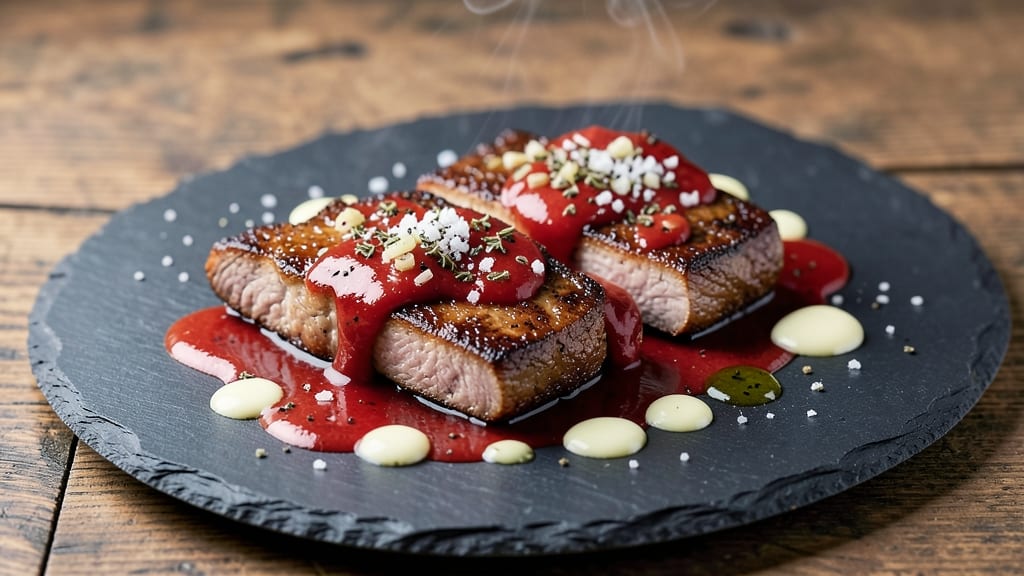
This chicken liver steak recipe transforms what many consider a polarizing ingredient into a luxurious, buttery masterpiece with a vinegar-crusted edge. The secret lies in quick, high-heat searing—just 2 to 3 minutes per side—to lock in tenderness while developing that signature crispy crust.
I’ve perfected this technique after years of testing, ensuring every bite delivers rich, velvety texture with a bright, tangy finish that balances the natural richness of the liver.
The method is straightforward but precise: pat the steaks dry, season generously, and sear in a screaming-hot pan with butter and vinegar until golden. No marinating is needed—this dish relies on the natural flavors of the liver, enhanced by the acidity of the vinegar and the depth of the butter.
The result is a restaurant-worthy dish that’s ready in under 15 minutes, making it ideal for weeknight dinners or special occasions when you want to impress without hours in the kitchen.
What you’ll achieve is a plate of crispy-edged, tender chicken liver steaks with a glossy, buttery crust that’s impossible to resist. The vinegar adds a subtle tang that cuts through the richness, while the butter creates a luxurious mouthfeel.
Serve with roasted potatoes, a simple salad, or crusty bread to soak up every last drop of the pan sauce—this is comfort food elevated to fine dining.
For those new to chicken liver, don’t be intimidated—this recipe is foolproof. The key is confidence in the cooking time and temperature. Once you master this technique, you’ll never buy pre-packaged liver again. Let’s get cooking.
Ingredients for chicken liver steak
Nine essential ingredients transform chicken liver into a luxurious, buttery masterpiece with crisp edges.
| Ingredient | Amount | Notes |
|---|---|---|
| Chicken Liver Steaks 🍗 | 1 lb | Fresh, trimmed of connective tissue |
| Unsalted Butter 🧈 | ½ cup | European-style preferred for flavor |
| White Wine Vinegar 🍷 | 2 tbsp | Dry, high-quality vinegar |
| Diamond Crystal Kosher Salt 🧂 | 1 ½ tsp | Fine grain for even seasoning |
| Freshly Ground Black Pepper 🌶️ | ½ tsp | Coarsely cracked for texture |
| Extra-Virgin Olive Oil 🫒 | 1 tbsp | Light fruity variety for balance |
| Fresh Thyme Leaves 🌿 | ¼ cup | Chopped, stems removed |
| Garlic Cloves 🧄 | 2 cloves | Thinly sliced, not minced |
| Cold Water 💧 | ¼ cup | For rinsing liver |
| Paper Towels 🧻 | 1 sheet | For thorough drying |
| Heavy Cream 🥛 | ¼ cup | For pan sauce (optional) |
The quality of chicken liver makes all the difference—look for bright red, firm pieces at specialty butchers or high-end grocery stores like Whole Foods or Eataly. Avoid any with grayish edges or off smells. Trim away any connective tissue or silverskin before slicing into 1/2-inch thick steaks. For the best results, purchase fresh, not frozen, as thawed liver can become mushy. If you can't find fresh, high-quality frozen liver works in a pinch, but pat it thoroughly dry before cooking. The butter should be European-style—it has higher fat content and a richer flavor that stands up to the liver's intensity.
No white wine vinegar? Apple cider vinegar works equally well, though it adds a slightly sweeter note. Fresh thyme can be substituted with dried thyme at one-third the amount, but fresh is preferred for its bright aroma. If you're avoiding dairy, skip the heavy cream and use whole milk or chicken stock instead for the pan sauce. For the olive oil, avoid strong, peppery varieties—look for a light, fruity oil that won't overpower the dish. The garlic should be thinly sliced, not minced, to prevent bitterness. If you're short on time, pre-sliced garlic from a jar works, but fresh is always better.
Livers cook in minutes, so keep everything prepped and ready. Store fresh liver in an airtight container in the coldest part of your fridge and use within 2 days for optimal texture. The steaks can be seared ahead and reheated gently in butter for 2-3 minutes to restore crispness. The pan sauce keeps for 3 days refrigerated—simply reheat gently over low heat, stirring occasionally. For a restaurant-quality touch, garnish with extra thyme leaves and a drizzle of high-quality olive oil before serving.
Why You'll Love This Recipe
- No Fuss, Big Payoff: I swear by this recipe because it’s the kind of dish that feels fancy but takes less effort than deciding what to eat. Sear those liver steaks in butter, splash in a little vinegar, and you’re done—no chopping, no fuss. Honestly, the hardest part is waiting for them to crisp.
- Butter-Vinegar Magic: That first bite? Rich, buttery, with a bright tang that cuts through the richness. The vinegar isn’t just an afterthought—it’s what makes these steaks sing, balancing the deep flavor of the liver like a perfect contrast. My husband still asks why I don’t make them more often.
- Weeknight to Weekend: Between us, this is my go-to for busy nights and when we’re hosting. For weeknights, I serve them with toast and a simple salad—zero stress. For guests, I plate them with roasted potatoes and a glass of wine, and suddenly, it’s a special meal. (Yes, even on a Tuesday night.)
- Budget-Friendly Luxury: Liver steaks are cheap, but they taste like a splurge. A single pan, five minutes of active time, and you’ve got a protein-packed meal that costs pennies per serving. I freeze extras too—because nothing beats pulling them straight from the freezer for a last-minute dinner.
Step-by-step instructions for chicken liver steaks
Transform delicate chicken livers into luxurious steaks with a crisp buttery crust and vibrant vinegar brightness.
Prepare and Season the Chicken Liver Steaks
Rinse the 1 lb chicken liver steaks under cold water, then pat them completely dry with the sheet of paper towels. Moisture is the enemy of a proper sear—any remaining dampness will steam the livers instead of creating that golden crust. Place them on a clean cutting board and season both sides generously with the 1.5 tsp diamond crystal kosher salt and 0.5 tsp freshly ground black pepper. Press the seasoning into the surface so it adheres evenly.
Let the seasoned steaks sit at room temperature for 15 minutes before cooking. This brief rest ensures even cooking from edge to center. While they rest, finely chop the 0.25 cup fresh thyme leaves and thinly slice the 2 cloves garlic. These aromatics will infuse the butter during cooking, adding depth to every bite. Keep them nearby—they'll be needed in the next step.
Create the Buttery Vinegar Crust
Heat a large skillet over medium heat until it's just hot enough to make a drop of water dance and evaporate instantly. Add the 1 tbsp extra-virgin olive oil and let it shimmer for 30 seconds—this ensures the livers won't stick. Melt the 0.5 cup unsalted butter in the same pan, stirring occasionally until it's completely liquid but not browned. Here's where it gets interesting: pour in the 2 tbsp white wine vinegar and watch it sizzle and reduce by half.
The vinegar's acidity will react with the butter's fat, creating tiny bubbles that form the foundation for that signature crust. Add the chopped thyme leaves and sliced garlic to the pan, tossing them in the butter for 30 seconds until fragrant. Remove the pan from heat temporarily—you'll return to it once the livers are ready to cook.
Sear the Liver Steaks to Perfection
Return the skillet to medium heat and carefully place the seasoned chicken liver steaks in a single layer. Cook undisturbed for 2-3 minutes per side until the edges are deep golden brown and the centers remain slightly pink. This is critical—the livers cook quickly and continue to carry over heat even after removal. Press down gently on the steaks during the first minute to prevent curling, which ensures even contact with the pan.
You'll know they're ready when they release easily from the pan and the edges have developed a crisp, buttery crust. Remove the steaks to a warm plate and tent loosely with foil to keep them warm while you prepare the sauce. The residual butter in the pan will form the base for your finishing sauce.
Finish with Cream and Serve Immediately
Return the skillet to medium-low heat and pour in the 0.25 cup heavy cream. Stir vigorously with a wooden spoon, scraping up all the browned bits from the bottom of the pan—these contain concentrated flavor. Let the sauce simmer gently for 1-2 minutes until it thickens slightly and coats the back of a spoon. The sauce should be velvety, not grainy, and carry the bright notes of thyme and garlic.
Slice the chicken liver steaks into ½-inch thick pieces and arrange them on warm plates. Spoon the buttery vinegar cream sauce generously over the top, allowing it to cascade over the edges. Serve immediately while the crust remains crisp and the centers are still tender. Each bite should deliver a perfect balance of rich, buttery texture, bright vinegar acidity, and aromatic thyme. Pair with crusty bread to soak up every last drop of sauce.
Pro Tips For Making Chicken Liver Steak
- Soak Livers First: Toss them in cold water with a splash of white wine vinegar for 10 minutes—this cuts the bitterness and keeps them from curling up like frustrated little sausages. I learned this the hard way after serving a plate of tough, chewy liver steaks that tasted like regret.
- Start Hot, End Gentle: Sear them over screaming-high heat for 30 seconds per side until deeply browned, then drop the heat and finish in butter—this locks in juices instead of turning them into leather. After burning three batches, I finally figured out that patience here means better texture.
- Salt the Butter Hard: Mix 1 teaspoon of kosher salt directly into the melted butter before adding it to the pan—this guarantees every bite gets that perfect salty crust, not just the edges. (Yes, even if you’re impatient like me, resist the urge to skimp.)
- Rest Under Foil: Transfer the cooked steaks to a plate, loosely tent with foil, and let them sit for 5 minutes—this keeps them moist while you finish the pan sauce. I was skeptical until I tried it: the sauce clings better, and the meat stays tender instead of drying out mid-bite.
Best sauces and condiments for this recipe
Buttery Vinegar Pan Sauce
The star of this dish is the buttery vinegar pan sauce, where the residual flavors from searing the liver transform into a luxurious finish.
After removing the steaks, pour in ½ cup heavy cream and stir vigorously to incorporate all the browned bits from the pan—this is where the magic happens.
The acidity from the white wine vinegar and the richness of the butter create a velvety sauce with a bright, tangy finish that cuts through the liver’s natural richness. Simmer for just 1-2 minutes until slightly thickened, then drizzle generously over the steaks. 💛
Herb-Infused Olive Oil Drizzle
For a lighter alternative, replace the cream sauce with a herb-infused olive oil drizzle. Heat 2 tbsp extra-virgin olive oil in the same pan after searing, then add 2 minced garlic cloves and 1 tbsp chopped fresh thyme.
Let it infuse for 30 seconds before drizzling over the steaks. This adds a fragrant, aromatic touch without overpowering the dish. Perfect for those watching their dairy intake.
Red Wine Reduction
Swap the vinegar for ½ cup dry red wine (like Cabernet Sauvignon) to deepen the sauce’s complexity. After searing, deglaze the pan with the wine, reduce by half, then finish with 1 tbsp butter and a pinch of salt.
The wine’s tannins complement the liver’s richness, creating a sophisticated sauce with a velvety texture. This works especially well if you prefer a more elegant, wine-forward flavor profile.
Cognac or Brandy Glaze
For a decadent twist, add 2 tbsp cognac or brandy to the pan after searing. Let it flame briefly (carefully!) before adding ¼ cup heavy cream and reducing. The caramelized notes from the alcohol elevate the sauce to a restaurant-quality finish.
This is my go-to for special occasions—it’s rich, aromatic, and adds a touch of luxury to the dish. 🍷
Mustard-Dill Sauce
Brighten the plate with a Dijon mustard-dill sauce. Mix 2 tbsp Dijon mustard, ¼ cup sour cream, and 1 tbsp chopped fresh dill with a splash of lemon juice.
Drizzle over the steaks for a tangy, herbaceous contrast that balances the richness. This sauce is lighter but still packed with flavor, making it a great option for a refreshing finish.
Garlic-Herb Compound Butter
Skip the sauce entirely and serve with garlic-herb compound butter. Mix ½ cup softened butter with 2 minced garlic cloves, 1 tbsp chopped parsley, and a pinch of salt. Shape into a log, chill, and slice onto the steaks at the table.
The butter melts into a silky finish, adding another layer of flavor without overwhelming the dish. It’s simple, elegant, and always a crowd-pleaser. 🧈
Nutrition facts
Frequently asked questions
Why do chicken liver steaks need to be so thin?
Thin slices (½-inch thick) cook in just 2-3 minutes per side to achieve perfect doneness. Chicken liver is delicate and overcooks quickly—thicker cuts risk becoming dry or rubbery. The quick sear also creates that signature crispy crust while keeping the interior tender and moist.
Can I use frozen chicken liver for this recipe?
Fresh is ideal, but if using frozen, thaw completely in the fridge overnight first. Pat the livers extra dry before cooking—any moisture will steam instead of sear. For best results, buy high-quality frozen liver from a trusted source, as cheaper options can become mushy when thawed.
What's the secret to getting that perfect crispy crust?
Three keys:
- Pat the livers bone-dry (no moisture = no steaming),
- Use a screaming-hot pan (test with a water droplet—it should sizzle instantly), and
- Don't move them for the first 1-2 minutes of cooking. The butter-vinegar combo creates tiny bubbles that form that golden crust.
How do I know when the liver steaks are fully cooked?
They're done when the edges are deep golden brown and the centers remain slightly pink (about 145°F internal temp). Cut into one—it should look moist with no translucent edges. Overcooking turns them tough, so err on the underdone side and let them rest 2 minutes before slicing.
What's the best way to store leftovers?
Cool the steaks completely, then store in an airtight container with a paper towel to absorb any moisture. They'll keep in the fridge for 2 days. To reheat, warm gently in butter for 2-3 minutes per side over medium heat—just until heated through. Never microwave, as it destroys the crispy texture.