
Salads
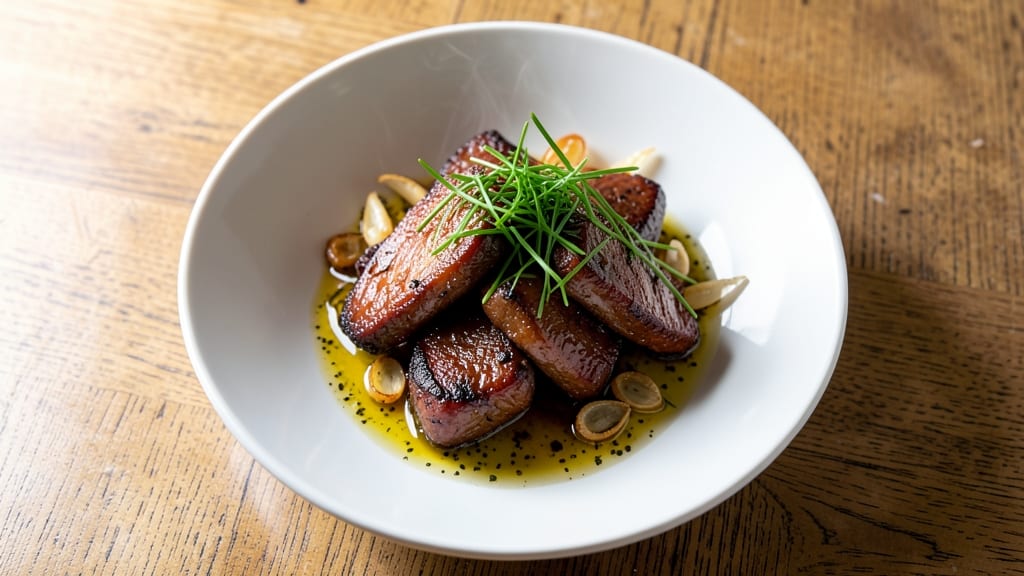
This chicken liver salad recipe transforms rich, silky livers into a sophisticated dish that rivals any restaurant offering. Growing up in small-town Georgia, I first encountered liver pâté at family gatherings—now, I've perfected a version that balances bold herbed notes with velvety texture.
The secret lies in precise preparation and a dressing that elevates rather than overpowers.
The process begins with carefully searing the livers to render excess fat, then blending them into a smooth, almost mousse-like consistency. A bright herbed dressing—anchored by Dijon mustard, fresh tarragon, and a touch of sherry vinegar—adds complexity without masking the liver's natural richness.
This isn't just a salad; it's a restaurant-quality appetizer that delivers silky texture in every bite.
What makes this recipe stand out is its versatility. Serve it on crisp toast points for an elegant starter, or pile it high on buttery crostini for a crowd-pleasing bite. The herbed dressing cuts through the richness while enhancing the liver's depth, creating a harmony that's both sophisticated and approachable.
Perfect for special occasions or when you want to impress without fuss.
Ready in just 20 minutes, this dish proves that offal can be luxurious when handled with care. The key is patience—don't rush the searing or blending, as those steps ensure that silky texture you crave. Let's get started on a recipe that turns a simple ingredient into something extraordinary.
Ingredients for chicken liver salad
Silky chicken livers meet vibrant herbed dressing—just twelve ingredients transform humble offal into restaurant-worthy elegance.
| Ingredient | Amount | Notes |
|---|---|---|
| Fresh Chicken Livers 🍗 | 1 lb | Trimmed of connective tissue |
| Extra-Virgin Olive Oil 🫒 | ¼ cup | High-quality, fruity variety |
| Shallots 🧅 | 2 whole | Finely minced, about 2 tbsp |
| Fresh Tarragon 🌿 | ¼ cup | Chopped, stems removed |
| Fresh Chives 🌱 | ⅛ cup | Finely chopped, for garnish |
| Dijon Mustard 🍯 | 1 tbsp | High-quality, smooth variety |
| Sherry Vinegar 🍷 | 1 tbsp | For bright acidity |
| Unsalted Butter 🧈 | 2 tbsp | Cold, cubed for searing |
| Diamond Crystal Kosher Salt 🧂 | ½ tsp | For seasoning |
| Freshly Ground Black Pepper 🌶️ | ¼ tsp | Freshly cracked |
| Sourdough Bread 🍞 | 8 slices | Crust removed, toasted |
| Heavy Cream 🥛 | ¼ cup | Cold, for blending |
The quality of chicken livers is paramount. Fresh, plump livers from a trusted butcher yield the best texture—avoid any with grayish tint or strong odor. Whole Foods Market or local specialty grocers typically carry the freshest cuts. For optimal results, trim all connective tissue and silver skin before cooking. The tarragon should be vibrant green with no wilting, as it carries the dressing's signature aroma. Penzeys Spices sells high-quality dried tarragon if fresh isn't available, though fresh is preferred for that bright herbal note.
Substitutions should preserve the dish's delicate balance. Fresh chervil can replace tarragon at equal amounts, though it has a more delicate flavor. For the shallots, red onion works in a pinch but lacks the sweetness. The sherry vinegar can be swapped for white wine vinegar or lemon juice, though sherry adds depth. If heavy cream isn't available, Greek yogurt at half the amount provides similar texture. For the bread, baguette slices work beautifully—just ensure they're toasted until crisp. The butter must be cold for proper searing; European-style butter like Plugrá adds extra richness.
This salad keeps beautifully for 3 days refrigerated, though texture degrades slightly after 24 hours. For longer storage, portion into airtight containers with a thin layer of olive oil on top to preserve freshness. Freeze for up to 2 months by spreading on a tray before transferring to a bag—this prevents ice crystals. Reheat gently in a water bath for 30 seconds to restore silky texture. The dressing components can be prepped ahead and stored separately for 48 hours before combining.
Why You'll Love This Recipe
- Let’s talk truth: fresh chicken livers are cheaper than steak, and this recipe uses the whole pound without waste. The fruity extra-virgin olive oil and fresh herbs might seem fancy, but they’re just enough to elevate what would otherwise be a simple meal. I’ve made this on a $20 grocery haul, and it still feels like a splurge. Plus, the sourdough bread? Any old loaf works—no need for fancy crusty stuff.
- No Panic, Just Pan: I’ll admit it—I used to avoid chicken livers like they were a culinary crime. But this recipe? Game-changer. The trick is searing those livers in batches with just 2 tbsp unsalted butter until they’re golden and tender, then letting them rest for 5 minutes before chopping. No more rubbery mess, just perfect texture every time. Honestly, the hardest part is resisting the urge to eat them straight from the pan.
- Herb-Kissed Luxury: That ¼ cup fresh tarragon and 2 minced shallots in the emulsified dressing? Chef’s kiss. The tarragon gives it that bright, almost licorice-like note, while the sherry vinegar cuts through the richness of the heavy cream and livers. It’s not just flavor—it’s a harmony. I’ll be real: my picky partner took one bite and asked for seconds. (Yes, even on a Tuesday night.)
- Budget’s Best Kept Secret: Let’s talk truth: fresh chicken livers are cheaper than steak, and this recipe uses the whole pound without waste. The fruity extra-virgin olive oil and fresh herbs might seem fancy, but they’re just enough to elevate what would otherwise be a simple meal. I’ve made this on a $20 grocery haul, and it still feels like a splurge. Plus, the sourdough bread? Any old loaf works—no need for fancy crusty stuff.
Step-by-step instructions for chicken liver salad
Transform delicate chicken livers into a luxurious, velvety salad with this precise technique.
Sear the Chicken Livers for Maximum Tenderness
Pat the 1 lb fresh chicken livers completely dry with paper towels—this ensures a proper sear. Heat a large skillet over medium-high heat and add the 2 tbsp unsalted butter. Once the butter foams, add the livers in a single layer and let them sear undisturbed for 2 minutes per side until they develop a deep golden crust.
Here's the thing—don't overcrowd the pan. Work in batches if needed to maintain even cooking. The livers should reach an internal temperature of 145°F when checked with an instant-read thermometer. As soon as they're done, transfer them to a cutting board and let them rest for 5 minutes before chopping. This resting period prevents them from becoming tough as they cool.
Create the Herbed Dressing Base
In a food processor, combine the ¼ cup heavy cream, 1 tbsp Dijon mustard, and 1 tbsp sherry vinegar. Pulse until smooth, then add the 2 finely minced shallots and process until fully incorporated. With the processor running, slowly drizzle in the ¼ cup extra-virgin olive oil to emulsify the dressing.
This is the moment that matters: the dressing should be silky and well-blended. If it looks too thick, add 1-2 teaspoons of water to achieve the perfect pourable consistency. Transfer the dressing to a medium bowl and set aside—it will come together with the livers in the next step.
Blend Livers with Herbs and Dressing
Finely chop the seared chicken livers into small, uniform pieces—about ¼-inch dice. Add them to the bowl with the dressing along with the ¼ cup chopped fresh tarragon. Using a fork, gently fold everything together until the livers are fully coated and the mixture reaches a velvety texture. The tarragon should be evenly distributed, adding its signature anise-like brightness.
Taste and adjust seasoning with the ½ tsp diamond crystal kosher salt and ¼ tsp freshly ground black pepper. The salad should be rich but balanced—you want the herbed notes to shine without overpowering the delicate liver flavor. If needed, add a splash more sherry vinegar for acidity.
Toast the Sourdough and Assemble
Toast the 8 slices sourdough bread until golden brown and crisp—this provides the perfect textural contrast to the silky salad. Spread each slice with about 1-2 tablespoons of the chicken liver mixture, creating a generous layer. The toasted bread will help absorb any excess moisture while maintaining its structure.
Garnish each serving with a sprinkle of the ⅛ cup finely chopped fresh chives just before serving. The chives add a fresh, oniony finish that cuts through the richness of the liver and cream. Serve immediately while the bread is still warm and crisp, ensuring every bite delivers that perfect balance of textures and flavors.
Pro Tips For Making Chicken Liver Salad
- DON’T SKIP THE REST: I learned this the hard way—chopping those livers right after searing turns them rubbery. Let them sit for the full 5 minutes under foil before dicing, even if you’re eager to eat. The residual heat keeps them tender while you prep the dressing.
- MINCE SHALLOTS SMALL: Those shallots should disappear into the dressing, not sit as chunks. Pulse them in the food processor with the cream and mustard until they’re nearly paste-like—this way, every bite gets that sweet, sharp depth without texture surprises.
- WORK IN BATCHES: Overcrowding the pan is how you end up with sad, steamed livers instead of crispy ones. Use a second skillet if needed—golden crusts take priority over speed, and no one wants gray, unevenly cooked meat in their salad.
- TOAST BREAD LAST: Toasting the sourdough too early means it’ll go soggy while you’re folding the liver mixture. Keep it crisp by toasting right before assembling—just a few minutes in the oven at 375°F while you finish garnishing. Warm, not cold, bread is the secret to a perfect bite.
Essential equipment for chicken liver salad
Precision Skillets
For searing the 1 lb chicken livers, I swear by my Lodge 12-inch cast iron skillet—it's the only pan that develops that perfect golden crust without burning. The heavy weight distributes heat evenly, and the non-stick surface develops naturally over time with proper seasoning.
If you're on a budget, a Le Creuset Dutch oven works just as well for this step. Don't skip the dry patting—it's essential for that Maillard reaction that gives the livers their luxurious texture. 🔥
Food Processor Power
A high-quality food processor like the KitchenAid Artisan is non-negotiable for this recipe. The ¼ cup heavy cream and ¼ cup olive oil need to emulsify perfectly for that silky dressing. I use the 6-inch blade attachment for the finest texture.
If you don't own one, a handheld immersion blender can work in a pinch, though it may take a bit more elbow grease. The key is keeping everything cold during blending to maintain that luxurious consistency.
Instant-Read Thermometer
An instant-read thermometer like the Thermoworks MX-290 is a game-changer for this dish. You'll want to check those livers at 145°F internal temperature to ensure perfect doneness without overcooking. I keep mine tucked into my apron pocket for quick checks during the searing process.
It's one of those tools that pays for itself in just a few uses—trust me, you'll never go back to guessing.
Sharp Chef's Knife
For chopping the livers and shallots to ¼-inch dice, nothing beats a high-quality chef's knife like the Wüsthof Classic 8-inch. A dull knife will crush the livers instead of slicing cleanly, which ruins the texture.
I keep mine razor-sharp with regular honing—it's worth the 5-minute investment before starting any prep. If you're working with fresh tarragon, a serrated bread knife makes quick work of the stems.
Toasted Bread Perfection
For the 8 slices sourdough bread, I use a toaster oven or a well-seasoned cast iron skillet to achieve that perfect golden crisp. The toaster oven gives even toasting without burning, while the skillet adds a slight char that pairs beautifully with the rich liver mixture.
If you're short on time, a broiler works in 2-3 minutes, but keep a close eye on it to avoid burning.
Nutrition facts
Frequently asked questions
Why do I need to rest the chicken livers after searing?
Resting the livers for 5 minutes after searing is critical—it prevents them from contracting and becoming tough as they cool. This step ensures the final texture stays silky and tender, not chewy. Think of it like resting meat: it lets the fibers relax for optimal flavor and texture.
Can I use dried tarragon instead of fresh?
Yes, but use half the amount—about 2 tablespoons instead of ¼ cup. Fresh tarragon delivers that bright, anise-like flavor, but dried works in a pinch. Just ensure it's high-quality to avoid bitterness. The texture will be slightly less vibrant, though the dish will still be delicious.
What if my dressing turns out grainy?
Graininess usually means the heavy cream and olive oil didn’t emulsify properly. Pulse the mixture with 1-2 teaspoons of water while blending until smooth. If it’s too thick, add a splash more water or sherry vinegar to loosen it. Cold ingredients are key—keep everything chilled during blending.
How do I prevent the sourdough from getting soggy?
Toast the sourdough until it’s golden brown and crisp before assembling. Spread the liver mixture on the warm bread right after toasting, and serve immediately. If reheating leftovers, lightly toast the bread again to revive the crunch. A toaster oven works best for even results.