
Sauces & Condiments
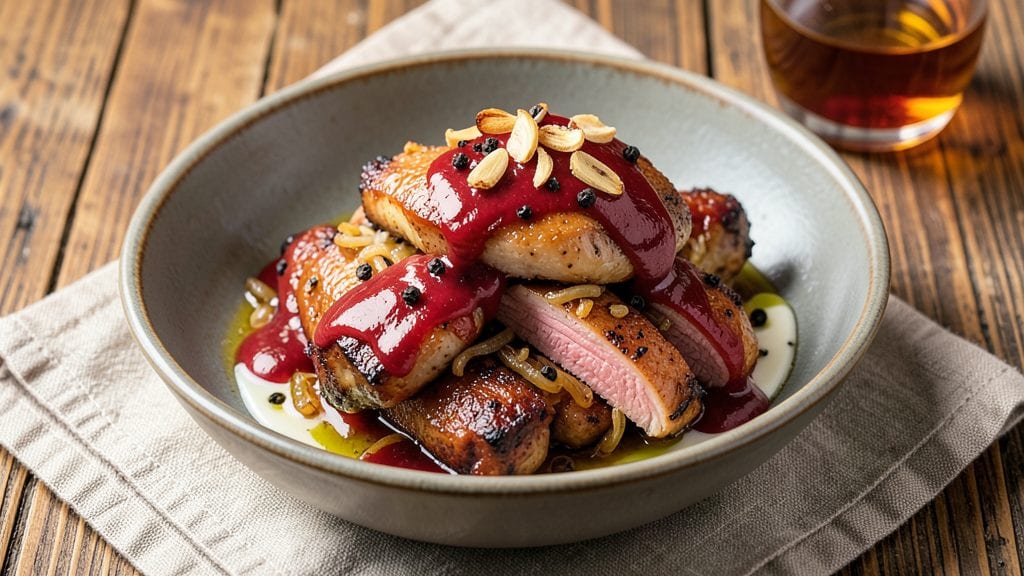
This chicken gizzard sauce recipe transforms humble offal into a velvety, deeply flavorful condiment that elevates any dish. The secret lies in slow simmering gizzards with celery, vinegar, and butter until they dissolve into a rich, aromatic base—no blending required.
I developed this after years of experimenting with game-day dips, and the result is a sauce so complex it rivals store-bought versions, but with real depth.
The process is straightforward: brown the gizzards first to build flavor, then simmer them with vinegar, broth, and aromatics until tender enough to break down. A touch of tomato paste adds umami, while a final swirl of butter creates that signature buttery richness.
What you’ll end up with is a sauce that’s perfect for pasta, rice, or as a bold dip—packed with savory notes and just enough tang to cut through richness.
This sauce keeps beautifully in the fridge for up to a week, allowing flavors to meld and intensify. The texture is luscious yet not overly thick, clinging to every bite without being cloying.
Whether you’re serving it alongside roasted vegetables or using it as a pasta sauce, this recipe proves that offal can be the star of the show.
For those who prefer a smoother finish, blend it briefly, but I recommend leaving it slightly rustic—those tiny bits of gizzard add another layer of flavor. The key is patience; rushing the simmering will leave the sauce grainy and underdeveloped.
Trust the process, and you’ll have a sauce that’s worth every minute of effort.
Ingredients for chicken gizzard sauce
Celery adds earthy depth, vinegar brings tang, and butter creates velvety richness in this sauce.
| Ingredient | Amount | Notes |
|---|---|---|
| Chicken Gizzards 🍗 | 1 ½ lb | Cleaned and trimmed |
| Celery Stalk 🧅 | 2 whole | Chopped into 1-inch pieces |
| White Vinegar 🍶 | 1 cup | White or apple cider |
| Butter 🧈 | ½ cup | Unsalted, cold for browning |
| Tomato Paste 🍅 | 2 tbsp | Smooth, no sugar added |
| Chicken Broth 💧 | 2 cups | Low-sodium preferred |
| Garlic Cloves 🧄 | 4 cloves | Peeled and smashed |
| Yellow Onion 🧅 | 1 whole | Medium size, chopped |
| Bay Leaves 🍃 | 2 whole | Fresh or dried |
| Salt 🧂 | 1 ½ tsp | Kosher or sea salt |
The gizzards are the heart of this sauce—look for bright red, firm pieces at your butcher or grocery store's meat counter. Costco or Whole Foods often carry them pre-cleaned, which saves time. If you're buying whole, soak them in cold water for 30 minutes first to remove any blood. The celery should be crisp, not rubbery—organic from the farmers market has the best flavor. For vinegar, white or apple cider both work, but avoid anything with added flavors. The butter needs to be cold when you brown the gizzards—take it out of the fridge 10 minutes before using so it's firm but not rock-hard.
No gizzards? Chicken livers work in a pinch, but the texture will be different. Short on celery? Substitute with 1/2 cup chopped fennel for a similar earthy note. The tomato paste can be swapped for 1/4 cup crushed tomatoes, though it'll be slightly thinner. If you're avoiding vinegar, lemon juice at the same amount works but adds a different brightness. The broth is non-negotiable—low-sodium is key so you can control the seasoning. For a smoother sauce, strain it through a fine-mesh sieve after simmering, but I love the rustic texture from the tiny bits of gizzard.
This sauce tastes even better the next day as flavors meld. Store it in an airtight container in the fridge for up to 1 week. The texture thickens as it cools, so stir in a splash of broth or water if it gets too stiff. Freezes beautifully for 3 months—portion into ice cube trays for easy single-use servings. If you make extra, it's perfect for game day dips or as a pasta sauce. The celery and bay leaves can be removed before serving if you prefer a smoother texture.
Why You'll Love This Recipe
- Foolproof Simplicity: I’ll be real—this sauce comes together with five ingredients and zero fuss. Toss in the gizzards, simmer with vinegar and celery for acidity, then finish with butter and tomato paste for that velvety richness. No fancy techniques, just honest, hands-off cooking.
- Umami Bomb: That vinegar cut? It’s the secret weapon—brightens the gizzards while the tomato paste deepens everything into something ridiculously good. The butter ties it all together with a glossy finish that makes me want to eat it straight from the pan.
- Leftovers That Shine: Make a double batch and store it in the fridge—this sauce only gets better the next day. Toss it over rice, mix into mashed potatoes, or slather it on toast. My freezer’s always stocked with jars of this because it’s exactly what you need when you’re short on time.
- Budget Game-Changer: Gizzards are cheap, and this recipe stretches them into something luxurious. A pound of gizzards feeds four, and the vinegar-butter combo makes it taste like a restaurant dish. Honestly, it’s my go-to for feeding a crowd without breaking the bank.
Step-by-step instructions for chicken gizzard sauce
Here's how to transform tough gizzards into velvety, celery-crusted sauce with deep vinegar richness.
Prepare and Brown the Gizzards
Pat the 1.5 lb chicken gizzards completely dry with paper towels. This step is crucial—moisture prevents proper browning. In a large Dutch oven over medium-high heat, add 0.5 cup butter and let it melt until it foams and turns golden.
Add the gizzards in a single layer and cook undisturbed for 5-6 minutes until they develop a deep golden crust on all sides. You'll see the butter bubble vigorously—this creates the flavor foundation. Flip carefully with tongs and continue browning until the gizzards are deep golden brown and the fat has rendered out. Remove and set aside, leaving the browned bits in the pot.
Build the Flavor Base
In the same Dutch oven, add 1 whole yellow onion and 2 whole celery stalks (chopped into 1-inch pieces). Cook over medium heat for 8-10 minutes, stirring occasionally, until the vegetables soften and release their juices. You'll notice the mixture darkens slightly—this is where flavor develops.
Add the 4 smashed garlic cloves and cook for 30 seconds until fragrant. Stir in the 2 tbsp tomato paste and cook for 1 minute to remove any raw taste. Pour in the 1 cup white vinegar and scrape up all the browned bits from the bottom of the pot—this is pure flavor. Let it simmer for 3-4 minutes until the vinegar reduces slightly and the mixture smells rich and tangy.
Simmer with Broth and Seasonings
Return the browned gizzards to the pot. Add 2 cups chicken broth and bring to a gentle simmer. The liquid should just cover the gizzards—if not, add a splash of water. Add the 2 whole bay leaves and 1.5 tsp salt, then cover partially and simmer over low heat for 45-50 minutes until the gizzards are fork-tender.
Here's the thing—you want the gizzards to practically fall apart when pierced with a fork. If the sauce reduces too much before they're tender, add a little more broth or water. The sauce should be thick but still coat the back of a spoon. Remove the bay leaves before serving.
Finish and Serve
Once the gizzards are tender, use a slotted spoon to transfer them to a serving dish. Strain the sauce through a fine-mesh sieve to remove any remaining bits, then return it to the pot. Taste and adjust seasoning with more salt if needed.
Serve the gizzards immediately with the rich, velvety sauce spooned over the top. Each bite should deliver tender, flavorful meat with a sauce that's perfectly balanced between tangy, buttery, and slightly sweet from the caramelized vegetables. This sauce pairs beautifully with crusty bread or over mashed potatoes to soak up every last drop.
Pro Tips For Making Chicken Gizzard Sauce
- BLANCH FIRST: Toss your gizzards in boiling water for 30 seconds before browning—this loosens the gristle and keeps them from turning rubbery. I learned this the hard way after eating a batch that felt like chewing on shoe leather.
- SWEAT THE CELEERY: Don’t rush the celery—cook it low and slow in butter until it’s soft enough to mash with a spoon. This builds flavor and thickens the sauce naturally. (Yes, even if you’re impatient like me.)
- ACID IN STAGES: Add vinegar gradually, not all at once—start with a splash, taste, then adjust. Dumping it all in upfront can make the sauce taste harsh. My grandmother swore by this, and she was right.
- BROWN THE GIZZARDS: Get them deep golden, not just pink—this caramelizes the surface and adds richness to the sauce. Crowd the pan? They’ll steam instead of sear. (Your future self will thank you.)
Storing and reheating this recipe
Fridge Storage Tips
Transfer your finished sauce to an airtight glass container—I prefer Pyrex with a snap-on lid—and let it cool completely before refrigerating. The sauce will thicken slightly as it chills, so stir in 1-2 tablespoons of broth or water if it becomes too stiff.
Store for up to 1 week, but I notice the flavors deepen after 24 hours—the vinegar and butter meld beautifully. 🥫
Freezing for Later
For long-term storage, portion the sauce into ice cube trays or silicone molds—this makes it easy to thaw just what you need. Once frozen, transfer the cubes to a freezer-safe bag and flatten to save space.
This sauce keeps for 3 months without losing texture or flavor. When reheating, thaw overnight in the fridge before warming gently on the stove. ❄️
Reheating Perfectly
For the best results, reheat the sauce on the stovetop over low heat—never microwave, as it can make the butter separate. Add 1-2 tablespoons of broth or water to restore the original consistency.
If you froze it in portions, thaw and reheat just one serving at a time. The sauce should warm through evenly, maintaining its velvety texture and rich depth. 🔥
Texture Adjustments
If your reheated sauce is too thick, thin it with warm broth or water—start with 1 tablespoon at a time until it reaches your desired consistency. For extra richness, stir in 1 tablespoon of butter or a splash of vinegar to brighten the flavors.
The key is patience; rushing reheating can make the sauce grainy or separate. 💡
Using Leftovers Creatively
This sauce is incredibly versatile—use it as a pasta sauce, drizzle over roasted vegetables, or serve as a dip with crusty bread. I also love adding it to mashed potatoes for a savory twist.
If the sauce separates slightly after reheating, simply whisk in a little warm water or broth to restore its smoothness. Every bite should feel indulgent! 🍽️
Sauce Consistency Hacks
If your sauce thickens too much while reheating, don’t panic—just stir in 1 teaspoon of cornstarch mixed with 1 tablespoon of cold water until smooth. For a smoother finish, strain the reheated sauce through a fine-mesh sieve to remove any bits.
The goal is a silky, clingy texture that coats every bite perfectly. 💫
Nutrition facts
Frequently asked questions
Can I substitute chicken gizzards with another type of offal?
While chicken gizzards work best for this recipe, you can use chicken livers in a pinch—but expect a slightly different texture. For a similar flavor profile, try duck livers or quail eggs (shells and all) simmered until tender. Avoid beef or pork offal, as their flavors and cooking times differ significantly.
Why does my sauce taste too vinegary?
If the tang overpowers, balance it by adding 1 tablespoon of butter or 1 teaspoon of sugar to sweeten the acidity. For a smoother finish, simmer the sauce uncovered for 5 extra minutes to let some of the vinegar evaporate. The key is patience—don’t rush the reduction.
How do I make this sauce smoother?
Blend the finished sauce briefly with an immersion blender or strain it through a fine-mesh sieve to remove any bits. For a ultra-smooth texture, simmer the gizzards longer until they fully dissolve into the broth before straining. The result will be a velvety, restaurant-quality sauce.
Can I use this sauce in place of Alfredo or gravy?
This sauce has a richer, more complex flavor than Alfredo and works beautifully over pasta, mashed potatoes, or as a meat glaze. For gravy-like consistency, thicken it with a cornstarch slurry> (1 tbsp cornstarch + 2 tbsp cold water) and reduce it longer on the stove.
What’s the secret to tender gizzards?
Slow cooking is key—simmer the gizzards for 45-50 minutes until they’re fork-tender. Avoid boiling; keep the heat low to prevent toughness. If using frozen gizzards, thaw them first and pat them completely dry before browning to ensure even cooking.