
Main Courses
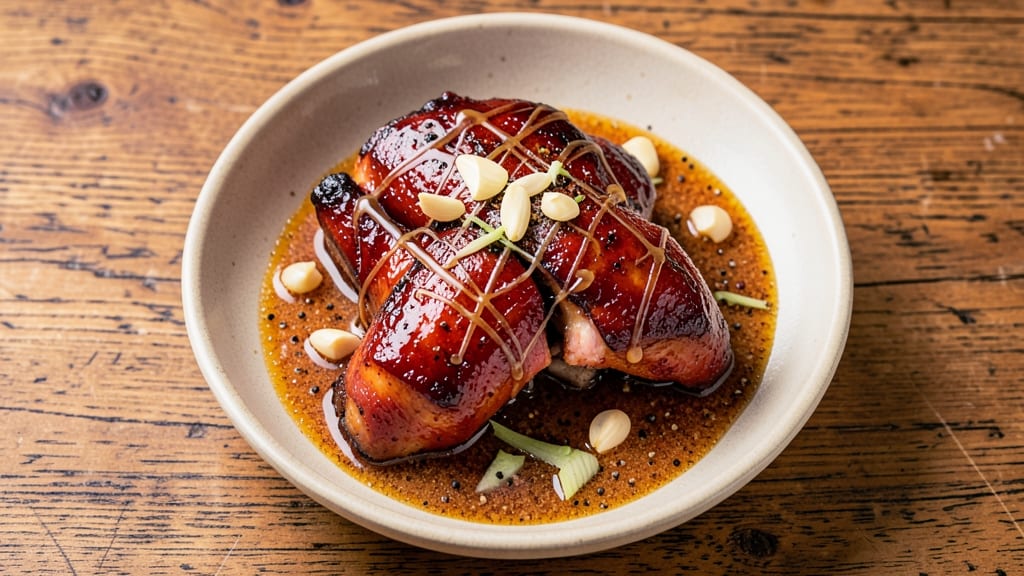
This Tyson teriyaki chicken recipe transforms budget-friendly dark meat into restaurant-style perfection with a sticky-sweet glaze that caramelizes beautifully. The secret lies in marinating the chicken overnight—this ensures juicy, flavor-packed results that stay tender even when cooked.
What makes this recipe stand out is the homemade teriyaki sauce, where honey and soy blend into a glossy, addictive coating that clings to every bite.
You’ll start with simple prep: a marinade of soy sauce, brown sugar, garlic, and ginger that infuses the chicken with deep, savory-sweet notes. The cooking method is flexible—grill for smoky char, bake for hands-off ease, or pan-sear for quick weeknight dinners.
Each approach delivers that signature teriyaki shine, with crispy edges and moist, fall-off-the-bone meat.
The sauce itself is where the magic happens. Simmering soy, honey, and vinegar creates a thick, glossy reduction that coats the chicken in a sticky-sweet glaze you’ll want to lick off your fingers.
Serve over steamed rice or with stir-fried vegetables for a complete meal that’s balanced, satisfying, and packed with flavor.
This recipe is designed for foolproof results—no fancy techniques required. Whether you’re feeding a family or meal prepping for the week, the teriyaki marinade and sauce keep well, making it easy to scale up.
The key? Patience in marinating and confidence in cooking—once you try this, store-bought teriyaki will never taste the same again.
Ingredients for tyson teriyaki chicken
Juicy dark meat meets sticky-sweet glaze—just these 15 ingredients transform simple chicken into restaurant-worthy perfection.
| Ingredient | Amount | Notes |
|---|---|---|
| Tyson Boneless Chicken Thighs 🍗 | 1 ½ lb | Skin-on preferred for crispy edges |
| Soy Sauce 🍶 | ½ cup | Low-sodium preferred for balance |
| Brown Sugar 🍚 | ½ cup | Packed for accurate measurement |
| Honey 🍯 | ⅓ cup | Wildflower for floral depth |
| Rice Vinegar 🍶 | ¼ cup | Seasoned for subtle tang |
| Garlic Cloves 🧄 | 6 cloves | Minced for even distribution |
| Fresh Ginger 🌿 | 2 tbsp | Grate finely for aromatic punch |
| Sesame Oil 🫒 | 1 tbsp | Toasted for nutty aroma |
| Vegetable Oil 🫒 | 1 tbsp | High smoke point for searing |
| Cornstarch 🌾 | 1 tbsp | For sauce thickening |
| Water 💧 | ¼ cup | Room temperature preferred |
| Sesame Seeds 🌰 | 1 tbsp | Toasted for garnish |
| Green Onions 🧅 | 3 whole | Sliced for fresh garnish |
| Salt 🧂 | 1 ½ tsp | Diamond Crystal preferred |
| Black Pepper 🌶️ | ½ tsp | Freshly cracked for heat |
The chicken thighs are the star here. Tyson boneless, skin-on gives you that crispy edge and juicy interior—don't skip the skin if you can find it. Most grocery stores carry these pre-trimmed, but check the frozen section if you're at Costco or Walmart where they often have bulk packs. For the marinade, Kikkoman soy sauce is my go-to for that authentic umami punch, but any good-quality brand works. The honey should be wildflower or clover—avoid that super-processed stuff that tastes like syrup. Fresh ginger is non-negotiable here; dried just won't cut it for the same zing.
No sesame oil? Toasted peanut oil works in a pinch, though the flavor will be different. Running short on rice vinegar? Apple cider vinegar gives a similar tang, though it's slightly fruitier. The cornstarch is key for thickening the sauce—Bob's Red Mill is my brand of choice, but any food-grade starch will do. For the garlic, I like to roast a whole head for extra depth, then mince what I need. Skip the pre-minced stuff; it's already oxidized. If you're making this ahead, prep the marinade and store it in the fridge for up to 5 days—the flavors meld beautifully overnight, but even 2 hours makes a difference.
This sauce keeps for 7 days in the fridge once made, so double it if you're feeding a crowd. The chicken itself reheats beautifully—5 minutes in a skillet with a splash of water brings back that crispy skin. For meal prep, store the cooked chicken and sauce separately; toss them together when ready to eat. The glaze thickens as it cools, so add a splash of water when reheating if it seems too stiff. Leftovers freeze for 3 months—perfect for busy weeknights when you want that restaurant-quality flavor without the effort.
Why You'll Love This Recipe
- One-Pan Magic: I swear by this recipe for lazy nights—just toss the chicken thighs in a sheet pan with that sticky-sweet teriyaki mix (soy, brown sugar, honey, and a splash of vinegar), pop it in the oven, and walk away. The thighs stay juicy while the edges caramelize, and honestly? No chopping, no fuss.
- Sweet-Savory Balance: That combo of soy and honey? It’s ridiculously good—salty but sweet, with the vinegar cutting through the richness just enough to make it feel fresh. The brown sugar gives it that glossy, slightly crispy crust that disappears faster than my willpower when leftovers appear.
- Meal Prep MVP: Between us, this is my go-to for lunches all week. Cook a big batch, slice it up, and it reheats perfectly—whether over rice, in a wrap, or straight from the fridge. (Yes, even on a Tuesday night.) The thighs hold up better than store-bought takeout, too.
- Budget-Friendly Feast: Tyson chicken thighs are a steal, and this recipe stretches them far. A single bag feeds four, and the sauce costs pennies—just soy, sugar, honey, and vinegar. I’ll be real: it’s the kind of dish that makes me feel like I’m treating myself without breaking the bank.
Step-by-step instructions for sticky-sweet teriyaki chicken
Here's how to transform simple chicken thighs into restaurant-quality teriyaki with a glossy, caramelized glaze.
Marinate the Chicken for Maximum Flavor
In a large bowl, combine the 1.5 lb Tyson boneless chicken thighs, 0.5 cup soy sauce, 0.5 cup packed brown sugar, 0.33 cup honey, 0.25 cup rice vinegar, 6 minced garlic cloves, 2 tbsp finely grated fresh ginger, 1.5 tsp salt, and 0.5 tsp freshly cracked black pepper. Mix gently but thoroughly to coat each piece completely. The marinade should look thick and syrupy—this ensures deep flavor penetration.
Transfer the chicken to a resealable plastic bag and refrigerate for at least 4 hours or overnight. This long marinating time breaks down the muscle fibers, guaranteeing juicy results. If you're short on time, marinate for a minimum of 2 hours, but don't skip this step—it's what transforms ordinary chicken into extraordinary.
Sear the Chicken for Crispy Edges
Remove the chicken from the marinade (reserve the marinade for later) and pat it dry with paper towels. Heat 1 tbsp vegetable oil in a large skillet over medium-high heat until shimmering. Working in batches if needed, add the chicken thighs and cook for 4-5 minutes per side until they develop deep golden-brown crusts. You'll know they're ready when the edges release easily from the pan.
Don't overcrowd the pan—this steams the chicken instead of searing it. If the pan gets too crowded, work in two batches. Transfer the seared chicken to a plate and tent loosely with foil to keep warm while you prepare the sauce.
Simmer the Sauce to Perfection
Return the reserved marinade to the skillet and bring it to a boil over medium-high heat. Once boiling, reduce heat to medium-low and let it simmer uncovered for 8-10 minutes until it thickens slightly and reduces by about one-third. Stir occasionally to prevent sticking.
In a small bowl, whisk together 1 tbsp cornstarch and 0.25 cup room-temperature water until smooth. Slowly pour this slurry into the simmering sauce while stirring constantly. The sauce will thicken dramatically within 1-2 minutes—this is when you'll see that beautiful glossy sheen developing. If it thickens too quickly, add another 1-2 tablespoons of water to reach your desired consistency.
Glaze and Finish the Chicken
Return the seared chicken to the skillet with the thickened sauce. Spoon the sauce over the chicken, making sure each piece is well-coated. Cover the skillet and let it cook over medium-low heat for 5-7 minutes, spooning the sauce over the chicken occasionally. This basting step is what creates that signature sticky glaze.
You'll know it's done when the chicken reaches an internal temperature of 165°F and the sauce has thickened into a glossy, syrupy consistency that clings beautifully to the chicken. The edges should be caramelized while the meat remains tender and juicy throughout.
Garnish and Serve Immediately
Transfer the chicken to a serving platter and drizzle any remaining sauce from the skillet over the top. Sprinkle with 1 tbsp toasted sesame seeds and 3 sliced green onions for fresh contrast. Serve immediately over steamed rice or with your favorite stir-fried vegetables to capture that perfect balance of sweet, salty, and umami flavors.
This dish tastes even better the next day as the flavors meld, but the sauce will thicken further. If needed, reheat gently with a splash of water to restore its glossy consistency. The key to success lies in that perfect balance of searing for texture and slow simmering for flavor—don't rush either step.
Pro Tips For Making Tyson Teriyaki Chicken
- Sear First, Simmer Second: I used to skip searing the Tyson thighs, and the sauce just soaked in without any depth. Hit a hot pan with 1 tablespoon of oil first—get those thighs golden in 3-4 minutes per side before adding the teriyaki mix. The crust locks in flavor and keeps them from turning into soggy cutlets.
- Deglaze That Pan: After removing the chicken, pour in the teriyaki sauce and scrape every last bit of browned bits from the bottom. That’s where the flavor lives—don’t let it go to waste. Add a splash of rice vinegar right away to help break it up while the pan’s still hot.
- Balance the Sweetness: Brown sugar and honey are delicious, but too much turns teriyaki into candy. For 8 thighs, use 2 tablespoons brown sugar and 1 tablespoon honey—then taste the sauce before adding it to the chicken. If it’s cloying, add a little more soy sauce or rice vinegar to cut through it.
- Skip the Boil: Simmering the sauce on high heat makes it grainy and thickens it unevenly. Keep it at a gentle bubble—small, occasional bubbles where you can see the bottom of the pan. This keeps the sauce silky and ensures it coats the chicken properly instead of clumping.
Regional styles of this recipe
Hawaiian Luau Style
In Hawaii, teriyaki chicken takes on a tropical twist with fresh pineapple and macadamia nuts. After marinating the chicken as directed, add ½ cup diced fresh pineapple and ¼ cup chopped macadamia nuts to the sauce during the final 5 minutes of cooking.
The pineapple adds natural sweetness while the nuts provide crunch. Serve over coconut rice and garnish with toasted coconut flakes for an island-inspired dish that’s perfect for summer gatherings. 🌺
Japanese Yakitori Fusion
For a Japanese-inspired version, skewer the marinated chicken thighs on bamboo or metal skewers before grilling. Brush with the teriyaki sauce during the last 3-4 minutes of cooking over medium-high heat on your grill.
Add a touch of mirin (1 tbsp) to the sauce for extra depth. Serve with steamed bok choy and a side of Japanese cucumber salad> for an authentic yakitori experience. 🍢
Korean BBQ Twist
Infuse the marinade with Korean flavors by adding 1 tbsp gochujang> (Korean chili paste) and 1 tsp sesame oil to the marinade.
Cook the chicken on a grill or in a skillet until caramelized, then finish with a glaze made from the teriyaki sauce plus 1 tbsp honey> and 1 tsp toasted sesame seeds.
Serve with kimchi> and steamed white rice> for a fusion dish that balances sweet, spicy, and umami notes. 🌶️
Southern BBQ Glazed
Give this recipe a Southern flair by swapping half the honey for ¼ cup molasses> in the marinade and adding ½ tsp smoked paprika.
Cook the chicken low and slow in a 300°F oven> for 30 minutes> until tender, then brush with the teriyaki sauce and finish under the broiler for 2-3 minutes> to caramelize.
Serve on buttermilk biscuits> with a side of collard greens> for a comforting, hearty meal. 🍖
Thai Basil Glaze
Transform the teriyaki sauce into a Thai-inspired glaze by adding 2 tbsp fish sauce>, 1 tbsp lime juice>, and 1 tbsp chopped Thai basil> during the final simmer. Garnish with extra basil and crushed peanuts> for texture.
Serve with jasmine rice> and a side of stir-fried green beans**> for a fragrant, aromatic dish that’s bursting with fresh herbs. 🌿
Nutrition facts
Frequently asked questions
Can I use Tyson chicken breasts instead of thighs?
You can, but thighs are ideal for this recipe! Chicken breasts cook faster and can dry out when exposed to high heat. If using breasts, reduce cooking time to 3-4 minutes per side and avoid overcrowding the pan. For best results, marinate for the full 4-6 hours to keep them juicy.
How do I make the sauce thicker without cornstarch?
Simmer the sauce uncovered for an extra 5-10 minutes to reduce it naturally. For a quicker fix, mash 1 tsp arrowroot powder with 2 tbsp water and whisk into the sauce. If you're short on time, reduce the water in the cornstarch slurry to 1 tbsp instead of 0.25 cup for a thicker consistency.
Can I bake this teriyaki chicken instead of pan-searing?
Preheat your oven to 375°F and bake the marinated chicken on a wire rack over a baking sheet for 25-30 minutes, basting with sauce every 5 minutes. For extra crispiness, broil for 2-3 minutes at the end. The sauce will thicken more during baking, so you may need to add 1-2 tbsp water when reheating.
What's the best way to reheat leftovers?
Reheat in a skillet over medium-low heat with 1 tbsp water for 3-4 minutes to restore moisture and gloss. For microwave reheating, cover with a damp paper towel and heat in 30-second intervals until warmed through. The sauce thickens when chilled, so add a splash of water if it seems too stiff.
Can I make this gluten-free?
Yes! Use tamari or coconut aminos instead of soy sauce, and ensure your brown sugar is labeled gluten-free. The rest of the recipe remains unchanged. For extra flavor, add 1 tsp gluten-free oyster sauce to the marinade. Always check labels on packaged ingredients like sesame oil and cornstarch to confirm they're certified gluten-free.