
Sauces & Condiments
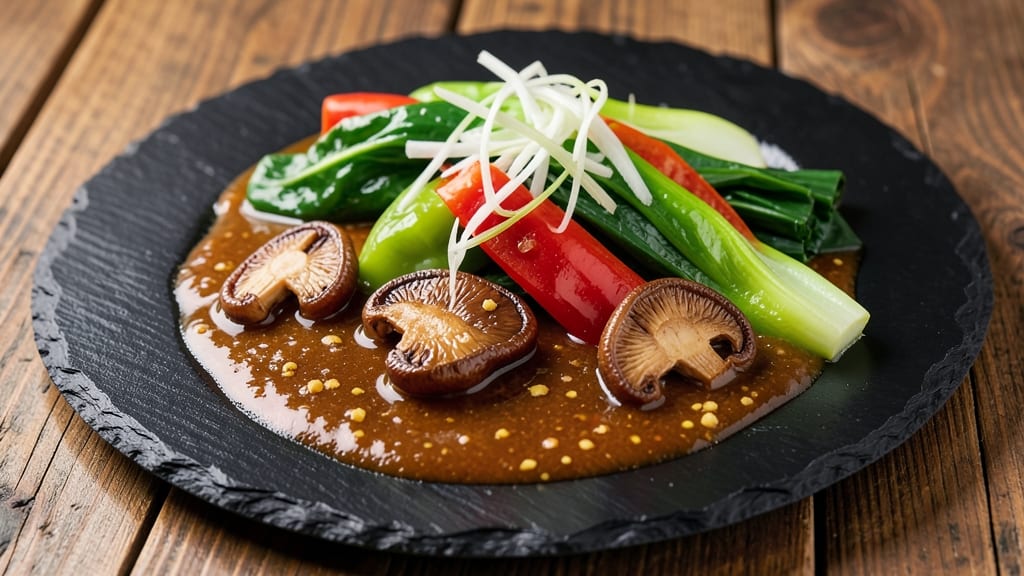
This stir fry sauce recipe without chicken broth delivers restaurant-quality depth using just five pantry staples. The secret lies in balancing salty soy sauce with sweet brown sugar, tangy rice vinegar, and aromatic garlic-ginger paste—no broth needed.
I developed this version after realizing most recipes rely on chicken broth for umami, when simple ingredients can achieve the same complexity.
The sauce builds flavor through layered components: a rich base of soy and oyster sauce (for umami), a touch of sugar to caramelize during cooking, and vinegar for brightness. A cornstarch slurry thickens it perfectly for tossing with vegetables or meat.
What makes this recipe truly simple is that every ingredient serves a distinct purpose—no wasted pantry items here.
What you'll end up with is a glossy, aromatic sauce that clings beautifully to stir-fried ingredients while enhancing their natural flavors. The sauce works equally well for quick stir-fries, marinades, or even drizzling over rice bowls.
Best of all, it keeps for up to two weeks in the fridge, making it a versatile pantry essential.
For extra depth, add a splash of sesame oil at the end or a pinch of red pepper flakes for heat. The sauce's simplicity makes it adaptable to any stir-fry style—whether you're cooking with tofu, chicken, shrimp, or vegetables. Let's create this flavor-packed sauce today.
Ingredients for stir fry sauce recipe without chicken broth
Five simple pantry staples create restaurant-quality stir fry sauce without chicken broth.
| Ingredient | Amount | Notes |
|---|---|---|
| Soy Sauce 🍶 | ½ cup | Light or dark variety preferred |
| Oyster Sauce 🦪 | ¼ cup | For authentic umami depth |
| Brown Sugar 🍚 | ¼ cup | Light or dark brown preferred |
| Rice Vinegar 🍶 | ¼ cup | White or seasoned vinegar |
| Garlic-Ginger Paste 🧄 | ¼ cup | Fresh or store-bought blend |
| Cornstarch 🌾 | 2 tbsp | For smooth thickening |
| Water 💧 | ¼ cup | For cornstarch slurry |
| Sesame Oil 🫒 | 1 tbsp | For finishing aroma |
| Red Pepper Flakes 🌶️ | ½ tbsp | Optional for heat |
The soy and oyster sauces form the umami backbone—Lee Kum Kee oyster sauce is my go-to for authentic depth, though any good brand works. Brown sugar isn't just sweetness; it caramelizes during cooking, adding complexity. Trader Joe's has pre-made garlic-ginger paste that saves time, but fresh is ideal if you're feeling ambitious. For vinegar, stick with rice vinegar—its mild tang won't overpower the sauce. The cornstarch slurry is non-negotiable for that perfect glossy finish.
No oyster sauce? Double the soy sauce and add 1 tsp fish sauce for umami, though it's not identical. Fresh garlic-ginger paste? Mince 4 cloves garlic and 1-inch ginger, then blend with 2 tbsp water. Short on cornstarch? Arrowroot powder works 1:1. The sesame oil and red pepper flakes are optional but elevate the sauce—add them at the very end to preserve their delicate flavors. For extra richness, a splash of hoisin sauce (1 tbsp) blends beautifully.
This sauce keeps for 2 weeks refrigerated in an airtight jar. For longer storage, freeze in ice cube trays—thaw and toss directly into stir-fries. The sauce thickens as it cools, so thin with water if needed. Double the recipe and freeze half for future use. Store sesame oil separately until ready to use to prevent it from overpowering the other flavors.
Why You'll Love This Recipe
- Pantry Magic: I swear, this sauce comes together with stuff I already have—no special shopping needed. Toss in soy sauce, a splash of rice vinegar, and that garlic-ginger paste (which I keep frozen in cubes), and boom. Zero fuss, all flavor.
- Sweet-Savory Balance: The brown sugar caramelizes just enough to cut through the umami punch of oyster sauce, while the vinegar keeps it bright. It’s the kind of sauce where every bite feels like a little reward—salty, sweet, and just a hint of tang.
- Weeknight Wonder: Dinner parties? Leftovers for lunch? It works for both. Double the batch, store it in the fridge, and use it on stir-fries, noodles, or even grilled chicken. My lazy nights just got a whole lot tastier.
- Budget-Friendly Boost: Oyster sauce and soy sauce stretch like crazy, so this sauce costs pennies per serving. Honestly, it’s the kind of recipe that makes me feel like I’m feeding a crowd without breaking the bank—my wallet thanks me every time.
Step-by-step instructions for stir fry sauce without chicken broth
This sauce delivers restaurant-quality depth using only pantry staples—no broth required.
Combine Base Sauce Ingredients
In a medium saucepan over medium heat, pour in the 0.5 cup soy sauce, 0.25 cup oyster sauce, 0.25 cup brown sugar, and 0.25 cup rice vinegar. Stir continuously for 2-3 minutes until the brown sugar dissolves completely and the mixture begins to simmer gently.
The sugar will caramelize slightly at the edges—this adds natural depth to the sauce. If you notice any undissolved sugar crystals, give it another 30 seconds of stirring. This foundational blend creates the umami backbone that makes the sauce so satisfying without relying on chicken broth.
Add Garlic-Ginger Paste and Simmer
Reduce heat to low and stir in the 0.25 cup garlic-ginger paste. Let the mixture simmer for 5 minutes, stirring occasionally, until the raw aroma of the paste disappears and you can smell the warm, aromatic notes developing.
Here's where the flavor magic happens—the garlic and ginger should be fully incorporated but not cooked down to a paste. You'll see small bubbles form at the edges, and the sauce will thicken slightly. If it starts to stick to the pan, add 1 tablespoon water to keep it moving freely.
Prepare the Cornstarch Slurry
In a small bowl, whisk together the 2 tablespoons cornstarch and 0.25 cup water until completely smooth. This slurry is your thickening agent, and it needs to be lump-free to avoid a grainy sauce.
I like to use a fork for this step—it creates less foam than a whisk. The slurry should be the consistency of heavy cream. Set it aside while your sauce continues to simmer—you'll add it in the next step when the sauce reaches the perfect consistency for thickening.
Thicken the Sauce
Pour the cornstarch slurry into the simmering sauce while stirring constantly. Increase heat to medium-high and continue stirring vigorously for 2-3 minutes until the sauce thickens to a glossy, coatable consistency. It should pull away from the sides of the pan slightly when you tilt it.
Watch carefully—this is the make-or-break moment. If the sauce thickens too quickly, add another 1 tablespoon water to loosen it. You want it thick enough to cling to stir-fried vegetables or proteins but still fluid enough to drizzle. The sauce should coat the back of a spoon smoothly without being gluey.
Finish with Aromatics and Heat
Remove the sauce from heat and stir in the 1 tablespoon sesame oil and 0.5 tablespoon red pepper flakes. The sesame oil adds a nutty aroma that elevates the sauce, while the red pepper flakes contribute subtle heat. Taste and adjust seasoning—you may want to add a pinch more salt if your soy sauce was on the lighter side.
Let the sauce rest for 5 minutes before using. This resting period allows the flavors to meld completely. The sauce should be glossy, aromatic, and perfectly balanced between sweet, salty, tangy, and umami notes. Store any leftovers in an airtight container in the refrigerator for up to 1 week, or freeze for up to 3 months.
Pro Tips For Making Stir Fry Sauce Recipe Without Chicken Broth
- STIR ON LOW HEAT: Once you add the garlic-ginger paste, immediately drop the heat to medium-low. I learned this the hard way—burnt ginger ruins everything, and you’ll end up masking the sauce’s depth with extra vinegar to cover the bitterness. Let that paste sizzle just enough to wake up the flavors, then keep it moving.
- MEASURE SUGAR BY WEIGHT: Brown sugar packs differently, and eyeballing it means your sauce could turn cloyingly sweet or disappointingly flat. Use a kitchen scale for 15 grams (about 1 tablespoon packed) per serving—this balances the soy’s saltiness without overpowering. (Yes, even if you’re impatient like me.)
- WHISK IN VINEGAR LAST: Add rice vinegar when the sauce is off the heat, or you’ll end up with a cloudy, separated mess. The acid curdles when it hits hot oil or simmering liquids—just stir it in at the end and let the residual heat blend it smoothly. (Your future self will thank you.)
- TOAST THE GARLIC-GINGER: Before adding it to the wok, dry-toast the paste in a small pan for 30 seconds until fragrant. This deepens the aroma and prevents the sauce from tasting raw. Skip this, and your stir-fry will smell like a pharmacy instead of a wok. (Sounds weird, but it works.)
Essential equipment for great stir fry sauce recipe without chicken broth
Wok Essentials
Your wok is the star of stir-fry cooking, but not all woks are created equal. I recommend a carbon steel wok from Made In or Lodge—they heat up fast and retain even heat distribution.
If you're just starting, a non-stick wok from T-fal works well for delicate ingredients like shrimp or tofu. Always preheat your wok over high heat for 2-3 minutes before adding oil—this creates the perfect sear for your stir-fried ingredients. 🔥
High-Heat Oil
Use oils with high smoke points like avocado oil, peanut oil, or vegetable oil—they won’t burn when stir-frying at high heat. I prefer avocado oil for its neutral flavor and stability. Avoid olive oil or butter, as they can burn and create bitter flavors.
A 1-2 tablespoon splash is all you need to coat the wok—too much will make your dish greasy. Keep a small bowl of oil nearby for quick reapplication during cooking.
Tongs and Spatula
Invest in a long-handled pair of tongs (I love OXO Good Grips) for tossing ingredients in the wok—it gives you better control than a spatula. A wide, flat spatula (like Mercer Culinary Genesis) helps scrape up stuck-on bits and flip larger pieces of protein.
Both tools should have heat-resistant handles to protect your hands during high-heat cooking. Keep them within arm’s reach while stir-frying for efficiency. ⚡
Measuring Tools
Precision matters when balancing flavors in stir-fry sauce. Use a liquid measuring cup for sauces and vinegars, and a small kitchen scale (like OXO Good Grips) for ingredients like brown sugar or cornstarch.
A fine-mesh strainer comes in handy if you’re making fresh garlic-ginger paste—it removes any fibrous bits for a smoother sauce. I also keep a small whisk nearby for mixing the cornstarch slurry quickly and smoothly. 💡
Storage Containers
Store your finished sauce in airtight glass jars with tight-sealing lids—I prefer Le Parfait or Ball Mason jars for their durability. For freezing, use silicone ice cube trays (like Stasher) to portion out single servings.
Label containers with the date and contents to keep your pantry organized. Glass containers are also microwave-safe for quick reheating, making leftovers easy to use for last-minute stir-fries. ✨
Nutrition facts
Frequently asked questions
Can I substitute fish sauce for oyster sauce in this recipe?
Yes, but with adjustments! Use 1 tablespoon fish sauce plus 1 extra tablespoon soy sauce to replace 0.25 cup oyster sauce. Fish sauce is saltier, so reduce other salty ingredients slightly. The umami will be different but still delicious—just expect a more pungent, fermented flavor profile instead of oyster sauce's sweet-salty depth.
How much sauce should I use for a typical stir-fry?
Start with 2-3 tablespoons for a standard 12-inch wok of vegetables or 1 pound protein. Toss the sauce with ingredients at the very end of cooking—just before serving. For extra flavor, reserve 1 teaspoon to drizzle over finished dishes. The sauce thickens as it cools, so thin with 1 teaspoon water if needed.
Why did my sauce turn grainy after thickening?
This usually happens when the cornstarch slurry isn't fully dissolved or the sauce thickens too quickly. Next time, whisk the cornstarch and water until completely smooth, then add the slurry to the sauce while stirring constantly over medium-high heat. If it still grains, strain through a fine-mesh sieve before using. For future batches, try arrowroot powder instead—it creates a smoother texture.
Can I make this sauce in a slow cooker?
Not recommended! This sauce needs quick, controlled simmering to develop proper thickness and flavor. However, you can make a similar version by combining all ingredients (except sesame oil) in a saucepan and simmering for 15-20 minutes on the stovetop. The texture will be slightly thicker, so thin with water as needed. For slow cooker use, reduce cornstarch to 1 tablespoon and cook on high for 1 hour.
What's the best way to use leftover sauce?
Leftover sauce works perfectly for quick meals! Use it as a marinade (30 minutes for chicken, 15 minutes for shrimp), drizzle over rice bowls, or toss with steamed greens. For extra flavor, reheat gently in a saucepan with 1 tablespoon water to loosen the texture. Store in an airtight container for up to 2 weeks refrigerated or 3 months frozen.