
Soups & Stews
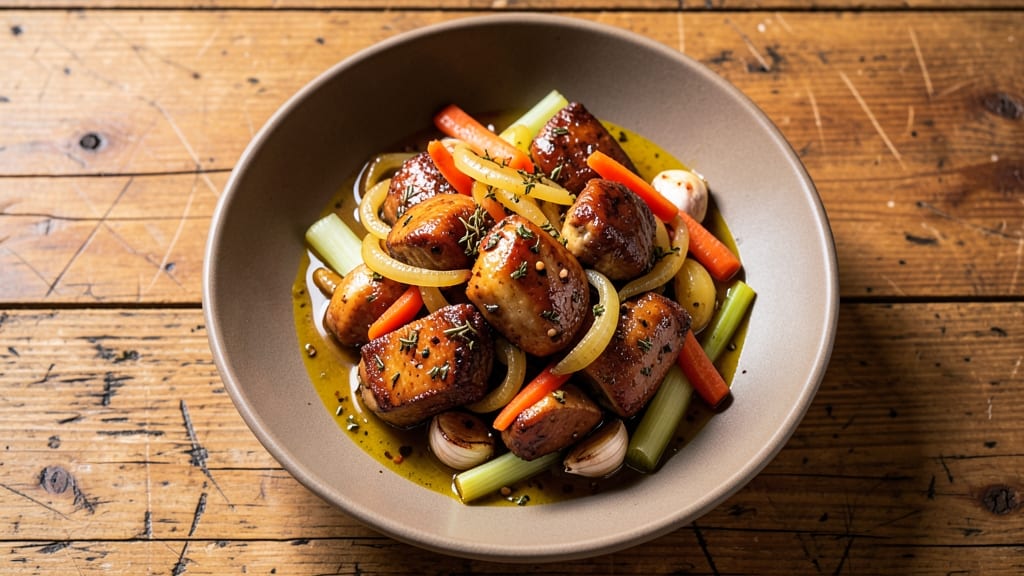
Transforming chicken gizzards into tender, flavorful bites requires patience and the right technique—this celery-crusted stewed gizzard recipe delivers restaurant-quality results in one pot. Growing up in small-town Georgia, my grandmother taught me that slow-cooked gizzards, with their rich, meaty texture, were a cornerstone of Southern comfort food.
The key lies in proper preparation and a well-balanced seasoning blend that enhances rather than overpowers their natural depth.
This method begins with thorough cleaning and soaking to remove any bitterness, followed by a 30-minute sear to develop a deep, caramelized crust. The celery crust—a blend of finely chopped celery, herbs, and breadcrumbs—adds a subtle crunch and earthy sweetness that pairs perfectly with the tender meat.
Unlike quick recipes, this stewed approach ensures gizzards become fork-tender while retaining their shape, making them hearty enough to stand alone or pair with rice and crusty bread.
By the time you serve these gizzards, they’ll be tender yet firm, infused with aromatic herbs and a touch of smoky depth from slow simmering. The celery crust adds a textural contrast that elevates the dish beyond simple stewed meat, while the one-pot method keeps cleanup minimal.
This is the kind of recipe that transforms humble ingredients into a showstopper—perfect for a weeknight dinner or a special occasion when you want to impress without fuss.
For those short on time, a pressure cooker can cut the cooking time in half, though the flavor development won’t be as deep. Serve with a side of buttery mashed potatoes or a fresh green salad to balance the richness.
Here’s how to make them exactly as my grandmother would have—rich, tender, and unforgettable.
Ingredients for stewed chicken gizzards
Pantry staples meet Southern tradition—this celery-crusted gizzard recipe transforms humble ingredients into restaurant-worthy bites.
| Ingredient | Amount | Notes |
|---|---|---|
| Chicken Gizzards 🍗 | 1 ½ lb | Fresh, cleaned, trimmed of excess fat |
| Celery Stalks 🧅 | 2 whole | Finely chopped for crust |
| All-Purpose Flour 🌾 | ½ cup | For crust and thickening |
| Panko Breadcrumbs 🍞 | ½ cup | Light, for texture |
| Fresh Parsley 🌿 | ¼ cup | Chopped, for crust |
| Fresh Thyme Leaves 🌿 | 1 tbsp | Chopped, for aroma |
| Bay Leaves 🍃 | 2 whole | For depth of flavor |
| Garlic Cloves 🧄 | 4 cloves | Minced for crust |
| Extra-Virgin Olive Oil 🫒 | ¼ cup | For searing and crust |
| Butter 🧈 | 2 tbsp | Unsalted, for richness |
| Chicken Broth 💧 | 2 cups | Low-sodium preferred |
| Apple Cider Vinegar 🍎 | 2 tbsp | For soaking gizzards |
| Salt 🧂 | 1 ½ tsp | Kosher or sea salt |
| Black Peppercorns 🌶️ | ½ tsp | Freshly cracked |
| Onion Powder 🧅 | ½ tsp | For crust seasoning |
The gizzards are the star, so source them fresh from a trusted butcher—they should be bright red and firm, not yellowed or slimy. Costco or local poultry farms often carry them in bulk, but check the grocery store’s meat counter too. For best results, soak them in apple cider vinegar for 30 minutes before cooking to remove any bitterness. The celery crust is where the magic happens—finely chop the celery (no need to peel) and mix it with the herbs and breadcrumbs for that signature texture. If you can't find fresh thyme, dried thyme at one-third the amount works in a pinch, though fresh is ideal for that bright aroma.
No panko? Toast regular breadcrumbs in a dry pan for 2-3 minutes until golden—they’ll add the same crunch. Short on celery? Substitute with finely chopped fennel or leeks, though the flavor will shift slightly. The apple cider vinegar soak is non-negotiable—it tenderizes the gizzards and cuts through any residual gamey taste. If you’re short on time, a pressure cooker can halve the cooking time, but the slow simmer is what gives these gizzards their legendary tenderness. For extra richness, swap half the olive oil for butter in the crust—trust me, it’s worth the effort.
Once cooked, these gizzards reheat beautifully—simply cover with broth and warm on the stove for 5-10 minutes. Store leftovers in an airtight container with a splash of broth to keep them moist for up to 4 days. Freeze for 3 months by portioning into individual servings. The celery crust loses its crunch when reheated, so serve it fresh alongside the gizzards. Pair with buttery mashed potatoes or a crisp green salad to balance the richness—this dish is hearty enough to stand alone but elegant enough for company.
Why You'll Love This Recipe
- Here’s what sold me: the flour and panko coating gives you that addictive crunch, but the slow stewing keeps the inside tender and juicy. It’s like a hug in your mouth—savory, slightly chewy, with a bright parsley finish that cuts through the richness.
- I’ll be real: gizzards are the unsung hero of affordable protein. A pound of them runs cheaper than chicken thighs, yet they’re packed with flavor. This recipe stretches them into a meal that feels special without breaking the bank—perfect for when you want to impress but need to save.
Step-by-step instructions for stewed chicken gizzards
Follow this method for tender, flavorful gizzards with a crisp celery crust and rich broth.
Prepare the Gizzards and Crust Components
Begin by soaking the 1.5 lb chicken gizzards in a bowl with the 2 tbsp apple cider vinegar for 30 minutes. This tenderizes the meat and removes any surface impurities. After soaking, drain and pat the gizzards completely dry with paper towels—this ensures a good sear later.
While the gizzards soak, prepare the celery crust by finely chopping the 2 whole celery stalks. In a separate bowl, combine the chopped celery with the 0.5 cup all-purpose flour, 0.5 cup panko breadcrumbs, 0.25 cup fresh parsley, 1 tbsp fresh thyme leaves, 4 minced garlic cloves, 1.5 tsp salt, 0.5 tsp black peppercorns, and 0.5 tsp onion powder. Mix well to create a uniform coating—this blend will give your gizzards their signature texture and flavor.
Sear the Gizzards for Depth of Flavor
Heat the 0.25 cup extra-virgin olive oil and 2 tbsp butter in a large Dutch oven over medium-high heat until the butter begins to foam. Working in batches to avoid overcrowding, press each gizzard into the crust mixture, coating all sides thoroughly. Once coated, carefully slide the gizzards into the hot oil and sear for 2-3 minutes per side until they develop a golden-brown crust.
Remove the gizzards from the pot and set them aside on a plate. The crust should be crisp and lightly browned—this step builds the foundation for the rich flavor that develops during stewing. Don't be tempted to flip too soon; you'll know they're ready when they release easily from the pan.
Build the Stew Base and Simmer
Return the Dutch oven to medium heat and add the 2 whole bay leaves and the seared gizzards back to the pot. Pour in the 2 cups chicken broth, scraping up any browned bits from the bottom of the pot—these contain concentrated flavor that will infuse into your stew. Bring the liquid to a gentle simmer, then reduce the heat to maintain a barely bubbling state.
Cover the pot and let the gizzards simmer for 45-50 minutes. You'll know they're done when they're fork-tender and easily pull apart. The broth should reduce slightly, creating a rich, flavorful sauce that coats the gizzards perfectly. Avoid lifting the lid during cooking—this traps steam and helps the gizzards cook evenly.
Finish and Serve
Once the gizzards are tender, remove them from the pot and set them aside. Strain the broth through a fine-mesh sieve to remove the bay leaves, then return the strained broth to the pot. Skim off any excess fat that has risen to the surface—this ensures a clean, flavorful sauce.
Return the gizzards to the pot and warm through for 2-3 minutes. Taste the broth and adjust the seasoning if needed—add a pinch more salt or a splash of apple cider vinegar if desired. Serve the gizzards hot, spooning the rich broth over the top. Each bite should deliver a perfect balance of tender meat, crisp crust, and deeply flavorful sauce.
Pro Tips For Making Stewed Chicken Gizzards
- SCORE THE GIZZARDS: DESCRIPTION:
- BREAD THEM TWICE: DESCRIPTION:
- SWEAT THE CELERY: DESCRIPTION:
- REST BEFORE STEWING: DESCRIPTION:
Best sauces and condiments for this recipe
Celery Crust Magic
The celery crust isn’t just decoration—it’s the secret to texture and flavor. I blend finely chopped celery with panko breadcrumbs and fresh herbs to create a crisp, aromatic coating that contrasts perfectly with the tender gizzards.
For extra richness, I sometimes add 1 tbsp melted butter to the crust mixture—trust me, it makes all the difference. This blend should stick to the gizzards like armor, ensuring every bite has that satisfying crunch. 🌿
Classic Brown Gravy
After removing the gizzards, I always make a rich brown gravy from the fond left in the pot. Deglaze with 2 tbsp apple cider vinegar and 1 cup chicken broth, scraping up every last bit of flavor.
Simmer until thickened to coat the back of a spoon—this gravy turns the dish into a full meal. For depth, add 1 tsp Worcestershire sauce or a splash of red wine if you’re feeling fancy.
Smoky Chipotle Twist
Want to add heat? Swap ½ tsp onion powder in the crust for ½ tsp smoked paprika and stir in 1 tsp adobo sauce from a can of chipotles. The smoky-sweet chipotle pairs beautifully with the celery crust, giving the gizzards a subtle kick.
I also add 1 small diced chipotle pepper to the simmering broth for extra depth—just remove it before serving if you prefer less heat. 🌶️
Creamy Mustard Sauce
For a tangy contrast, whip up a quick Dijon mustard sauce by combining 2 tbsp Dijon mustard, 2 tbsp heavy cream, and 1 tbsp melted butter. Drizzle this over the gizzards just before serving—it cuts through the richness while adding a bright, herby note.
This sauce is my go-to for balancing the deep flavors of the stewed gizzards.
Herbed Butter Finish
Nothing elevates these gizzards like a dollop of herbed butter on top. Mix 2 tbsp softened butter with 1 tsp chopped parsley, ½ tsp garlic powder, and a pinch of salt.
Spoon it over the gizzards right before serving—it melts into the crust, adding a luxurious finish. I learned this trick from a Charleston seafood chef, and it’s become a staple in my kitchen. 🧈
Spicy Pepper Jelly Glaze
For a sweet-spicy contrast, drizzle the gizzards with spicy pepper jelly (like St. Pierre brand). The tangy-sweet heat cuts through the richness of the stewed meat. I use about 1 tbsp, warmed slightly to help it spread evenly.
This Southern favorite adds a bright, fruity note that pairs surprisingly well with the celery crust. 🍯
Nutrition facts
Frequently asked questions
Why do I need to soak chicken gizzards before cooking?
Soaking in apple cider vinegar for 30 minutes removes surface impurities and tenderizes the tough connective tissue. This step prevents bitterness and ensures the gizzards become fork-tender rather than chewy. Skipping it risks a gamey flavor and longer cooking times.
Can I use frozen chicken gizzards instead of fresh?
Yes, but thaw them completely in the refrigerator first (never at room temperature). Frozen gizzards may require 10-15 extra minutes of simmering time. Pat them thoroughly dry after thawing to ensure a proper crust forms during searing.
What if my celery crust falls off during cooking?
This usually happens if the gizzards aren't dry enough or the crust isn't pressed firmly. After soaking, pat them completely dry, then press the crust mixture onto each piece with your fingers. For extra adhesion, chill the coated gizzards in the fridge for 15 minutes before searing.
How do I know when the gizzards are fully cooked?
They're done when they reach an internal temperature of 165°F and easily pull apart with a fork. The cooking time varies by size, but 45-50 minutes of simmering should do it. For extra assurance, cut into the thickest piece—juices should run clear, not pink.
Can I make this recipe in a slow cooker?
Sear the gizzards as directed, then transfer them to a slow cooker with broth and bay leaves. Cook on low for 6-7 hours or high for 3-4 hours. The crust will soften slightly, but the flavor will deepen beautifully. Add fresh herbs at the end for brightness.