
Main Courses
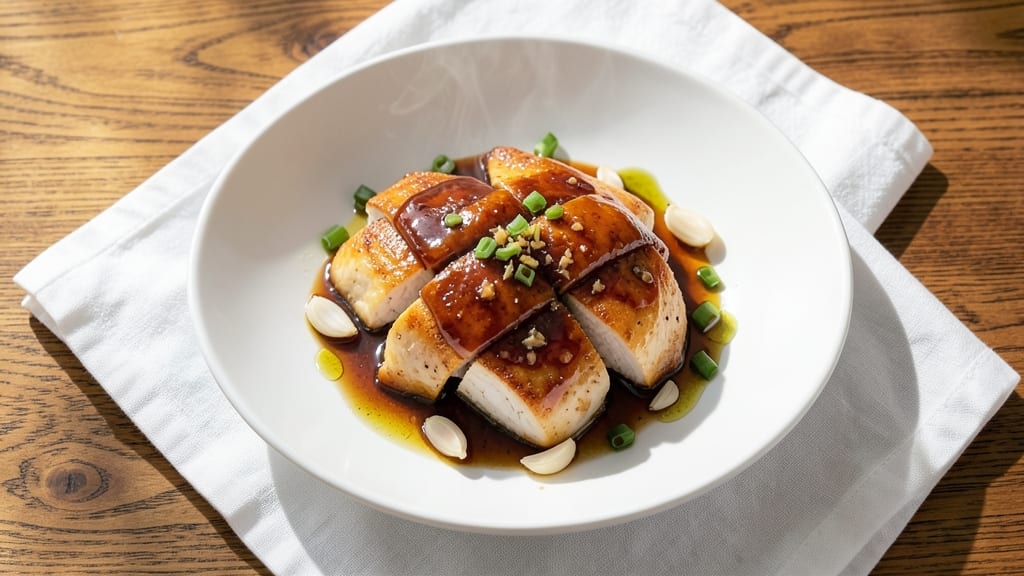
This steamed chicken recipe transforms simple ingredients into a light, flavorful main course in just 20 minutes—perfect for weeknights when you want healthy without sacrificing taste.
After years of testing different methods, I've developed a technique that keeps the chicken moist and packed with flavor, using just a steamer basket and basic pantry staples. The secret lies in a simple marinade that infuses the meat while steaming, ensuring every bite stays tender and aromatic.
What makes this recipe stand out is its versatility—it works equally well for lunch or dinner, and the preparation is straightforward enough for beginners but impressive enough for guests.
You’ll need just five key ingredients (plus your choice of protein), and the process requires no complicated equipment beyond a pot, lid, and steamer. The result? Juicy, lightly seasoned chicken that’s ready in a fraction of the time it takes to roast or grill.
By the end, you’ll have perfectly steamed chicken with a subtle savory depth, ideal for pairing with rice, vegetables, or a fresh salad.
The method preserves all the natural flavors of the chicken while keeping it light and digestible, making it a go-to for anyone looking to eat well without spending hours in the kitchen. Whether you're meal prepping or cooking for a quick family dinner, this recipe delivers restaurant-quality results at home.
For extra flavor, I recommend finishing with a drizzle of soy sauce or a sprinkle of fresh herbs—just a few simple touches to elevate the dish.
The beauty of steaming is that it retains all the nutrients while keeping the chicken tender, so you can enjoy a healthy meal without compromise. Let’s get started with this foolproof method!
Ingredients for steamed chicken
Five simple ingredients transform basic chicken into a restaurant-quality steamed dish in minutes.
| Ingredient | Amount | Notes |
|---|---|---|
| Boneless, Skinless Chicken Breast 🍗 | 1 ½ lb | Pounded to even thickness |
| Low-Sodium Soy Sauce 🥢 | 2 tbsp | For umami depth |
| Minced Fresh Ginger 🌿 | 1 tbsp | Or 1 tsp ground ginger |
| Garlic Cloves 🧄 | 4 cloves | Peeled and minced finely |
| Extra-Virgin Olive Oil 🫒 | 1 tbsp | For light coating |
| Honey 🍯 | 1 tbsp | For subtle sweetness |
| Sesame Oil 🫒 | ½ tbsp | For aromatic finish |
| Green Onion 🧅 | 1 whole | Sliced thin for garnish |
| Fresh Cilantro 🌿 | ¼ cup | Chopped, optional garnish |
| Water 💧 | 2 cups | For steaming |
| Salt 🧂 | ½ tsp | Kosher or sea salt |
| Black Pepper 🌶️ | ¼ tsp | Freshly ground |
The chicken breast is the foundation—look for uniform thickness at your local butcher or grocery store's meat counter. Trader Joe's and Whole Foods often carry pre-pounded breasts, but if you're buying whole, pound them to about ½-inch thickness for even cooking. Fresh ginger and garlic are non-negotiable here; Penzeys sells pre-minced ginger if you're short on time, but fresh is always better. The soy sauce should be low-sodium to avoid overpowering the natural flavor of the chicken. For the olive oil, California brand options like Kirkland Signature or Primal Kitchen provide that fruity depth without bitterness.
No fresh ginger? Ground ginger at half the amount works, though texture differs. Running out of sesame oil? Toasted sesame seeds sprinkled at the end mimic the flavor. The honey adds just enough sweetness to balance the savory notes—local raw honey from farmers markets enhances this, but store-bought works fine. For extra protein, swap in chicken thighs (boneless, skinless), though they'll need an extra 2-3 minutes of steaming. The green onion and cilantro are purely for garnish, so feel free to skip if you're not a fan—baby bok choy steamed alongside adds visual appeal without altering flavor.
Prep the marinade ingredients in advance and store them in a sealed container in the fridge for up to 3 days. The chicken itself keeps 2 days in the fridge once cooked, though it reheats best when steamed again briefly. For meal prep, divide into portions and freeze for up to 3 months. When reheating, add a splash of water to the steamer basket to prevent drying. The leftovers make fantastic wraps or salads—just toss with a bit of rice vinegar for brightness.
Why You'll Love This Recipe
- No-Fuss Steaming: I swear by this method—just toss the chicken in a basket, add the soy-ginger-garlic marinade, and let the steamer do the work. No flipping, no frying, no stress. The chicken stays juicy because it’s not drying out in a hot pan.
- Umami Bomb: That combo of low-sodium soy sauce, fresh ginger, and minced garlic? It’s the kind of flavor that lingers. The olive oil gives it a silky mouthfeel, while the ginger adds a bright kick—like a little Asian bistro on your stovetop.
- Lunchbox Hero: Between us, this is my go-to for meal prep. Slice the chicken, pack it in containers with rice or veggies, and you’ve got a lunch that’s restaurant-quality but costs next to nothing. My kids actually eat their greens when this is involved.
- Budget Win: Chicken breast is cheap, and this recipe stretches it far. A single batch feeds four for dinner and leaves enough for two lunches—no waste, no guilt. Plus, the ingredients are pantry staples, so you’re not scrambling for obscure items.
Step-by-step instructions for steamed chicken
Here's the method for tender, flavorful chicken cooked perfectly in minutes.
Prepare the Chicken and Marinade
Place the 1.5 lb boneless, skinless chicken breast between two sheets of plastic wrap. Using a meat mallet, pound it to an even ½-inch thickness—this ensures even cooking. Season both sides generously with 0.5 tsp salt and 0.25 tsp black pepper. In a small bowl, whisk together 2 tbsp low-sodium soy sauce, 1 tbsp minced fresh ginger, 4 cloves garlic cloves (minced), 1 tbsp honey, and 0.5 tbsp sesame oil. Pour half of this marinade over the chicken and let it sit for 10 minutes while you prepare the steamer.
This marinade creates a balance of sweet, savory, and aromatic flavors that penetrate the chicken during the short cooking time. The honey adds subtle sweetness while the soy sauce and ginger provide depth. Don't skip the marinating—it makes all the difference in flavor development.
Set Up the Steamer
Fill a large pot with 2 cups water and bring it to a rolling boil over medium-high heat. Place a steamer basket or heatproof plate inside the pot, ensuring it sits at least 1 inch above the water level—this prevents the chicken from steaming instead of cooking. Reduce the heat to medium to maintain a gentle simmer.
The water should never boil vigorously during cooking—this would turn the chicken into a steamed rubber. A steady stream of steam rising from the water is what you're aiming for. If you don't have a steamer basket, use a colander with holes large enough to allow steam to circulate.
Steam the Chicken to Perfect Doneness
Carefully place the marinated chicken in the steamer basket, reserving the remaining marinade in a small bowl. Steam uncovered for 12-15 minutes, until the internal temperature reaches 165°F when measured with an instant-read thermometer. You'll know it's ready when the chicken releases easily from the plastic wrap and the edges begin to turn slightly opaque.
Here's the thing—don't overcook. Chicken continues cooking slightly after removal from heat, and steaming too long will result in dry meat. If using a meat thermometer isn't an option, cut into the thickest part—juices should run clear, not pink. The chicken should be tender but still hold its shape when sliced.
Finish with Garlic-Ginger Oil
While the chicken steams, heat 1 tbsp extra-virgin olive oil in a small skillet over low heat. Add the reserved marinade and simmer for 1-2 minutes until slightly reduced. Remove from heat and stir in 1 whole green onion (sliced thin) and 0.25 cup fresh cilantro (chopped).
Once the chicken reaches 165°F, transfer it to a cutting board and let it rest for 5 minutes before slicing. Pour the finished garlic-ginger oil over the sliced chicken just before serving. The warm oil will infuse the chicken with additional flavor while keeping it moist. Garnish with extra green onion and cilantro if desired.
Serve Immediately
Slice the chicken against the grain into ¼-inch thick pieces for maximum tenderness. Arrange on a platter and drizzle generously with the garlic-ginger oil. Serve immediately with steamed rice or your favorite vegetables to capture that just-off-the-steamer moisture and flavor.
The chicken should be juicy, flavorful, and perfectly cooked through without being dry. Each bite should deliver a balance of savory, sweet, and aromatic notes from the marinade. This method ensures you get restaurant-quality steamed chicken in your own kitchen with minimal effort.
Pro Tips For Making Steamed Chicken
- BRINE THE CHICKEN: Toss the chicken in a bowl with 1 cup cold water, 1 teaspoon low-sodium soy sauce, and a pinch of salt for 15 minutes before steaming. I learned this the hard way—dry, rubbery chicken is no one’s idea of a good time, and this keeps it juicy without overpowering the flavor.
- MINCE GINGER FINE: Use a microplane or the side of a knife to get ginger so fine it nearly dissolves into the sauce. Lumpy ginger means you’re tasting texture instead of flavor, and this recipe relies on that aromatic punch.
- DON’T OVERSTEAM: Pull the chicken when it hits 165°F (about 12-15 minutes), even if it looks undercooked. I’ve ruined batches by leaving it in too long—it turns dry and sad, and no one wants that.
- SAUTE GARLIC FIRST: Bloom the garlic in olive oil for 30 seconds until fragrant before adding ginger. This stops the garlic from turning bitter and lets the flavors meld—skip it, and you’ll taste raw garlic in every bite.
Troubleshooting this recipe
Uneven Cooking Fix
If your steamed chicken emerges with some areas undercooked while others dry out, the issue is almost always uneven thickness. I’ve seen this happen when chicken breasts vary in size—always pound yours to a consistent ½-inch thickness before marinating.
For extra insurance, place the thinnest sections toward the outer edges of your steamer basket, where steam circulation is strongest. A digital kitchen scale helps verify even thickness—aim for 0.5-inch (±0.1-inch) tolerance.
Water Boiling Too Hard
When the water boils too vigorously, it creates a sauna effect that steams instead of simmering the chicken. The fix? Reduce heat to medium-low once boiling begins, and maintain just a gentle stream of steam—not a roaring cloud.
I use a 2-quart stainless steel pot (like All-Clad) because it distributes heat evenly. If your pot lacks a lid with a vent, prop it slightly open with a wooden spoon to regulate steam.
Chicken Sticking to Basket
This happens when residual marinade or moisture creates a glue-like bond. Line your steamer basket with parchment paper cut to fit, or use a silicon steaming mat (like OXO Good Grips). For stubborn adhesion, lightly grease the basket with neutral oil (like avocado oil) before adding the chicken.
Pro tip: Let the chicken rest 5 minutes after steaming before transferring—this prevents tearing when removing.
Dry or Tough Texture
Oversteaming is the usual culprit here. Once the chicken hits 165°F internal temperature, remove it immediately—even 1 extra minute can turn tender meat into rubber. For thicker cuts, start checking at 12 minutes (with a meat thermometer).
If you’re without one, cut into the thickest part: juices should run clear, not pink. Resting the chicken 5 minutes before slicing also helps redistribute moisture.
Flavor Too Mild
If your steamed chicken tastes bland, the marinade likely didn’t penetrate enough. Extend the marinating time to 15-20 minutes (or even up to 1 hour in the fridge for deeper flavor). For extra punch, add ½ tsp fish sauce or 1 tsp rice vinegar to the marinade.
After steaming, brush the chicken with a mix of 1 tbsp soy sauce + 1 tsp honey before serving—this adds a glossy finish and concentrated flavor.
Steam Not Rising Properly
When your steamer feels like a damp rag instead of a flavor factory, the issue is usually insufficient heat or blocked steam flow. Ensure your pot has at least 1 inch of water (never more than 2 inches—too much water dilutes steam).
If using a colander, make sure holes are ¼-inch or larger to allow steam circulation. For stubborn clogs, soak the colander in hot vinegar water for 10 minutes to dissolve mineral buildup.
Nutrition facts
Frequently asked questions
Can I use chicken thighs instead of breasts?
Yes! Chicken thighs work beautifully—just increase steaming time to 15-18 minutes and use 2 cups water for better steam circulation. The thicker cut stays juicier, but watch for doneness at 165°F internal temp. For extra flavor, add ½ tsp smoked paprika to the marinade.
What if I don’t have a steamer basket?
No problem! Use a heatproof plate that fits inside your pot with 1-inch clearance above the water. For even better results, place the chicken on a wire rack over a colander—this allows steam to circulate from all sides. A bamboo steamer works too, just ensure it's properly ventilated.
How do I make this meal kid-friendly?
Skip the sesame oil and reduce soy sauce to 1 tbsp. Add ½ tsp honey and a pinch of garlic powder instead. Serve with mild veggies like steamed carrots or plain rice. Kids love the tender texture—it's much more appealing than dry roasted chicken!
Can I prep this ahead of time?
Marinate the chicken up to 24 hours ahead in the fridge. For meal prep, steam the chicken, cool completely, and store in an airtight container for 3 days. Reheat by steaming for 3-4 minutes with a splash of water—this keeps it moist. The flavors actually improve overnight!
What’s the best way to serve leftovers?
Slice leftovers into strips for quick wraps with tortillas and avocado, or shred for chicken fried rice. For a fresh twist, serve cold in lettuce cups with a drizzle of sweet chili sauce. The steamed texture holds up perfectly—just avoid reheating in the microwave to prevent dryness.