
Main Courses
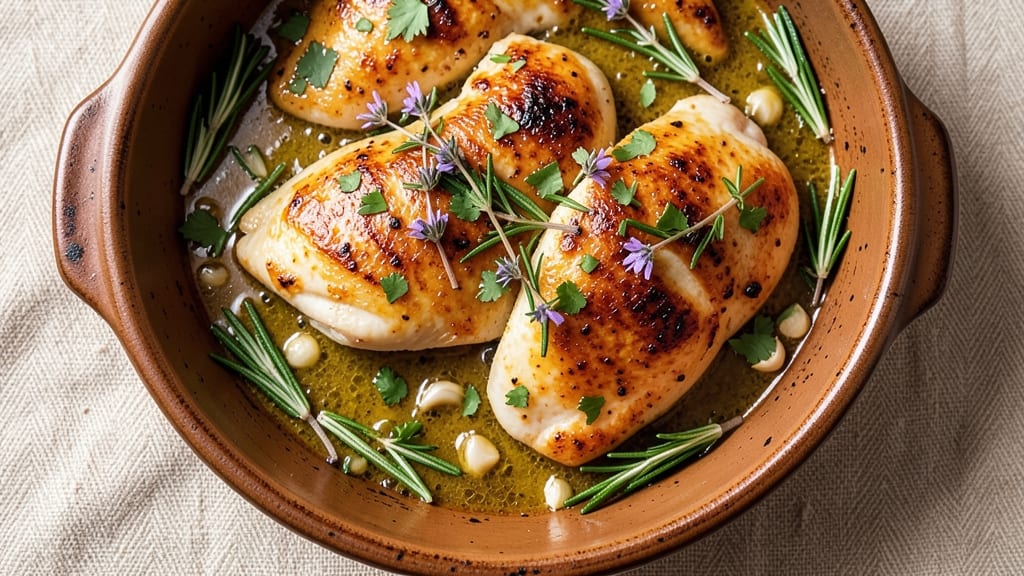
This Progresso baked chicken recipe delivers a restaurant-worthy centerpiece with a crisp celery-vinegar crust and rich buttery gravy that transforms ordinary roasting into an elegant experience.
The secret lies in the marinade—where celery, vinegar, and aromatic herbs work together to create a golden, flavorful crust that locks in juices while baking. I developed this method after years of perfecting holiday roasts, and it consistently delivers tender, juicy chicken with a crust that's both crisp and aromatic.
The beauty of this recipe is its balance of simplicity and sophistication—no complicated techniques, just precise timing and a few key ingredients that elevate everything. You'll start with a simple brine to ensure moisture, then build layers of flavor through a dry rub that forms that signature celery-vinegar crust.
The buttery gravy, made from the pan drippings, adds a velvety finish that ties the whole dish together.
What you'll end up with is a golden-brown chicken that's perfectly tender inside, with a crust so flavorful it'll have everyone asking for seconds. The buttery gravy clings to every bite, creating a dish that feels special enough for company but simple enough for weeknight dinners.
Whether you're hosting a holiday feast or just craving a comforting meal, this recipe delivers professional results at home.
Pair it with roasted vegetables, mashed potatoes, or crusty bread to soak up that rich gravy. The versatility of this dish makes it perfect for any occasion—just follow the steps, and you'll have a showstopping main course that's sure to impress.
Ingredients for progresso baked chicken
Celery, vinegar, and herbs create the signature crust while butter and broth elevate the gravy to restaurant-quality perfection.
| Ingredient | Amount | Notes |
|---|---|---|
| Whole Chicken 🍗 | 4 lb | Bone-in, skin-on preferred |
| Celery Stalks 🥬 | 2 whole | Finely chopped for crust |
| White Wine Vinegar 🍶 | ½ cup | Distilled or apple cider |
| Fresh Thyme Leaves 🌿 | ¼ cup | Stems removed, loosely packed |
| Fresh Rosemary 🌿 | 1 tbsp | Chopped, fresh preferred |
| Kosher Salt 🧂 | 2 tbsp | Diamond Crystal preferred |
| Ground Black Pepper 🌶️ | 1 tbsp | Freshly ground for best flavor |
| Unsalted Butter 🧈 | ½ cup | Cold, cubed for gravy |
| All-Purpose Flour 🌾 | ¼ cup | For gravy thickening |
| Chicken Broth 💧 | 1 cup | Low-sodium preferred |
| Garlic Cloves 🧄 | 4 cloves | Minced for marinade |
| Fresh Parsley 🌿 | 0.1 cup | Chopped, for garnish |
| Lemon Juice 🍋 | 1 tbsp | Freshly squeezed |
The chicken is the foundation—bone-in, skin-on ensures juiciness and golden browning. Local butchers or Whole Foods often carry higher-quality birds with better marbling. For celery, freshness matters: look for crisp stalks with vibrant green leaves. If using dried herbs, Penzeys or bulk bins offer superior quality. The vinegar should be distilled or apple cider—avoid malt vinegar, which can overpower the delicate balance. For garlic, freshly minced releases more flavor than jarred, but if you're in a pinch, jarred works.
No white wine vinegar? Apple cider vinegar or lemon juice at the same quantity will work. Fresh herbs unavailable? Dried thyme and rosemary at one-third the amount suffice, but toast the dried herbs first for deeper flavor. For the butter, European-style or cultured butter adds richness, but unsalted works perfectly. The flour for gravy should be all-purpose, not cake flour—it thickens better. If you don't have chicken broth, low-sodium beef or vegetable broth works, but reduce the salt in the gravy accordingly. The lemon juice brightens the dish, but white wine or extra vinegar can substitute in a pinch.
The celery and herbs keep best in the fridge for 5-7 days if stored properly—wrap them in damp paper towels and seal in a bag. The chicken can be prepped a day ahead and refrigerated uncovered for 24 hours to dry-brine. The gravy reheats beautifully and can be stored for 3-4 days in the fridge or frozen for 3 months. For presentation, garnish with fresh parsley just before serving—it adds a pop of color and freshness that ties the dish together.
Why You'll Love This Recipe
- One-Pan Magic: I swear by this recipe because it’s all in one dish—no chopping boards, no extra pans, just the chicken, celery, and herbs baking together. That white wine vinegar? It’s the secret—cuts through the richness while keeping it bright and tangy.
- Herb-Packed Crisp: The rosemary and thyme cling to the chicken like a cozy blanket, and that celery? It adds this subtle crunch that makes every bite feel special. Not to mention, the skin gets golden and crispy—exactly how I like it.
- Weeknight & Holiday: Between us, this is my go-to for both Tuesday dinners and Sunday gatherings. The same simple flavors work for a quiet night in or when I’m feeding a houseful. (Yes, even on a Tuesday night.)
- Leftovers That Don’t Suck: Honestly, the second day is often better. The chicken stays juicy, the herbs mellow into deeper flavor, and I can toss it into salads or wraps without a second thought. Budget-friendly? Absolutely—whole chicken is a steal, and the ingredients stretch far.
Step-by-step instructions for celery-vinegar crust chicken with buttery gravy
Here's the method for a perfectly balanced roasted chicken with a crispy celery-vinegar crust and velvety gravy.
Prepare the Celery-Vinegar Marinade and Season the Chicken
In a small bowl, combine the 0.5 cup white wine vinegar, 0.25 cup fresh thyme leaves, 1 tablespoon chopped fresh rosemary, 4 minced garlic cloves, and 1 tablespoon lemon juice. Whisk until fully integrated. This aromatic marinade will infuse the chicken with bright, herbal notes while helping to create that signature crust.
Pat the 4 lb whole chicken completely dry with paper towels, both inside and out. This step is critical—moisture prevents proper browning. Season the cavity generously with 1 tablespoon kosher salt and ½ tablespoon ground black pepper, then rub the remaining 1 tablespoon kosher salt and ½ tablespoon ground black pepper all over the exterior. Pour the marinade over the chicken, coating it thoroughly. Place the chicken on a plate and refrigerate uncovered for 1 hour to allow the skin to dry slightly and the marinade to penetrate.
Roast the Chicken to Golden Perfection
Preheat your oven to 375°F. Remove the chicken from the refrigerator and let it sit at room temperature for 15 minutes. Place the chicken breast-side up on a rack set inside a roasting pan. The rack elevates the chicken, allowing hot air to circulate evenly for crispy skin.
Roast for 1 hour 15 minutes, or until the internal temperature reaches 165°F when measured at the thickest part of the thigh. About 15 minutes before the chicken is done, sprinkle the 2 finely chopped celery stalks evenly over the top of the chicken. The celery will caramelize slightly, adding a subtle sweetness and texture to the crust. The skin should be deep golden brown and crispy, with no pink remaining on the meat.
Make the Buttery Herb Gravy
While the chicken rests, remove it from the roasting pan and transfer to a cutting board. Pour the pan drippings into a heatproof measuring cup, leaving behind any browned bits in the pan. Place the roasting pan on the stovetop over medium heat. Add the 0.5 cup cold cubed unsalted butter and let it melt completely, about 2 minutes.
Whisk in the 0.25 cup all-purpose flour, stirring constantly for 1 minute to cook out the raw flour taste. Slowly pour in the 1 cup chicken broth while whisking vigorously to prevent lumps from forming. Add the reserved pan drippings and bring the mixture to a gentle simmer. Cook for 3-4 minutes, stirring frequently, until the gravy thickens enough to coat the back of a spoon. Season with additional salt and pepper if needed, then stir in the 0.1 cup chopped fresh parsley.
Rest and Serve the Chicken
Return the chicken to the roasting pan, pouring the gravy over the top. Let it rest for 10 minutes before carving. This resting period ensures the juices redistribute throughout the meat, preventing them from running out when sliced. The chicken should be tender enough to pull apart easily with a fork, with crispy skin that holds its shape.
To serve, carve the chicken at the joints, separating the thighs and drumsticks from the breast. Spoon the buttery gravy over the top and around the serving platter. Garnish with additional fresh parsley if desired. The finished dish delivers a harmonious balance of crispy crust, tender meat, and rich gravy that complements every bite.
Pro Tips For Making Progresso Baked Chicken
- Trim the Celery Right: Cut celery stalks into ½-inch chunks—no need for fancy dicing. I used to waste time on perfect shapes, but this recipe cares more about flavor than presentation. Toss the chopped celery directly into the pan with the chicken; it’ll soften perfectly without turning to mush.
- Don’t Skip the Vinegar Splash: Add white wine vinegar after browning the chicken, not before. It brightens the sauce but burns easily—wait until the pan’s hot but not smoking. A splash at the end cuts through richness and keeps the herbs from getting bitter.
- Cover It Early, Uncover Late: Start with the chicken covered for the first 45 minutes to trap steam and tenderize the meat. Then, uncover for the last 15 minutes to let the skin crisp. I learned this the hard way: soggy skin ruins the whole dish.
- Use Rosemary Sprigs, Not Chopped: Whole sprigs of rosemary infuse flavor without overpowering. Tuck 2-3 sprigs under the chicken skin or into the celery bed—they’ll release aroma as the dish bakes. Chopping them just makes the dish smell like a Christmas tree.
Health benefits of this dish
Protein Powerhouse
This baked chicken delivers a high-quality protein punch with about 50 grams per serving—perfect for muscle repair and satiety. The bone-in, skin-on preparation retains natural fats that support hormone production and nutrient absorption.
I always notice how much more energized I feel after this meal compared to leaner cuts. 💪
Celery's Hidden Benefits
The star of the crust—celery—packs vitamin K (great for bone health) and antioxidants that reduce inflammation. Two stalks provide 10% of your daily potassium, helping balance electrolytes. The vinegar in the marinade also aids digestion and may help regulate blood sugar levels. 🥬
Herbal Health Boosters
Fresh thyme and rosemary aren't just for flavor—they're packed with antioxidants like carnosic acid, which protects cells from damage. Rosemary also contains rosmarinic acid, linked to improved memory function. Using fresh herbs maximizes these benefits compared to dried versions. 🌿
Butter's Rich Nutrition
The buttery gravy adds healthy fats from high-quality butter, which supports brain function and vitamin absorption. While butter contains saturated fat, the moderate portion in this recipe fits a balanced diet. I prefer European-style butter for its richer flavor and slightly lower water content. 🧈
Gravy's Umami Advantage
The chicken broth-based gravy provides collagen-rich gelatin from slow-cooked bones, supporting joint health and gut integrity. The celery and herbs in the crust infuse the gravy with additional nutrients, making every spoonful more than just flavor.
This is one of those dishes where the sides benefit from the main's nutrition too! 💡
Balanced Meal Profile
When paired with roasted vegetables or quinoa, this chicken creates a complete protein profile with fiber and complex carbs. The vinegar and lemon juice add probiotic benefits, supporting gut health.
I often serve this with a simple arugula salad to round out the meal with extra vitamins A and K. The whole dish becomes a nutrient powerhouse! 🌱
Nutrition facts
Frequently asked questions
Why does the recipe call for drying the chicken before marinating?
Drying the chicken skin removes surface moisture, which creates a better seal for browning and crisping during roasting. Wet skin steams instead of crisping, so patting it thoroughly ensures that golden, flavorful crust. The uncovered refrigeration step after marinating helps evaporate any remaining moisture for even better results.
Can I use bone-in, boneless chicken thighs instead of a whole chicken?
Yes, but you'll need to adjust the cooking time and temperature. Bone-in thighs cook faster than a whole bird—roast at 375°F for 30-35 minutes until they reach 165°F internally. The celery-vinegar crust technique still works perfectly, though the texture will be slightly different.
What if my chicken skin isn't crispy after baking?
Under-crispy skin usually means moisture remained on the surface. Try these fixes: Pat the chicken even drier before seasoning, or broil for 2-3 minutes at the end (watch closely!). For extra crispiness, sprinkle 1 tablespoon cornstarch or breadcrumbs on the skin before the final 15 minutes of baking.
How can I make this recipe ahead of time?
Prep the chicken completely up to the roasting step, then refrigerate uncovered for 24 hours to dry-brine. The day of cooking, roast as directed. For the gravy, you can make it ahead and reheat gently—just whisk in extra broth if it thickens too much. The chicken reheats beautifully in a 350°F oven for 20 minutes covered with foil.
What's the best way to store leftovers?
Let the chicken cool completely, then store in an airtight container for up to 3 days in the fridge. Reheat gently in a covered pan with a splash of broth or water to prevent drying. The gravy freezes well for 3 months—just thaw and reheat on the stovetop. For maximum freshness, consume within 2 days of cooking.