
Main Courses
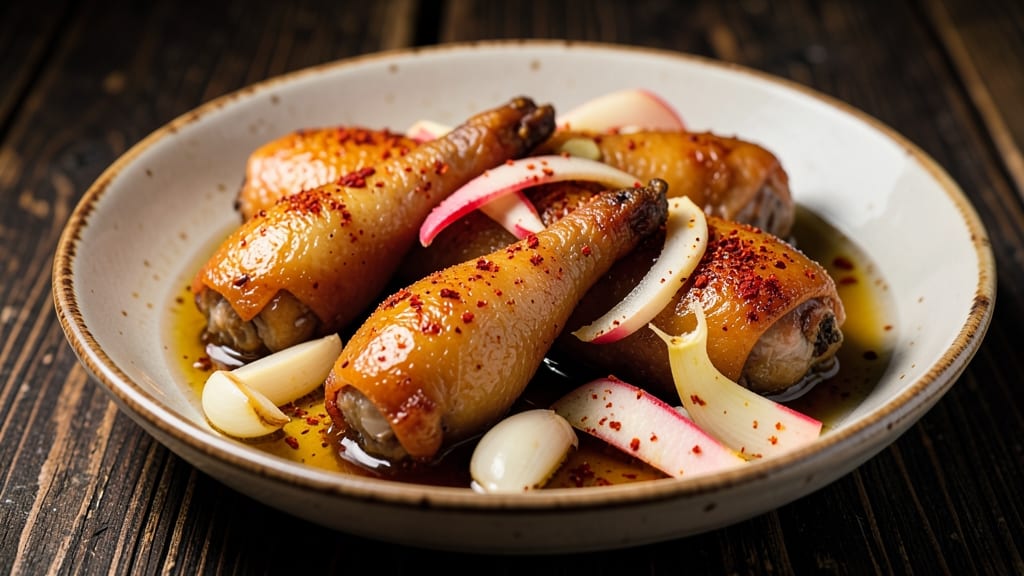
This pickled chicken feet recipe transforms humble poultry byproducts into a bold, umami-rich delicacy that elevates any meal with its complex texture and deep flavor. The process combines traditional preservation techniques with aromatic spices to create a dish that's both rustic and refined—perfect for adventurous eaters seeking something truly unique.
I first discovered this method while exploring Southeast Asian street food, where pickled chicken feet are a staple at night markets.
The key to success lies in proper preparation and precise pickling—starting with clean, well-trimmed feet and a balanced brine of vinegar, sugar, and spices.
This isn’t just about preservation; it’s about unlocking layers of flavor through slow infusion, where garlic, ginger, and chili work together to create a tangy, spicy-sweet profile. The result? Tender yet firm bites with a satisfying crunch, ready to be served as an appetizer or main course.
What makes this recipe stand out is its versatility—pickled chicken feet can be enjoyed straight from the jar, served in salads, or incorporated into soups and stir-fries. The process also extends shelf life, making it ideal for meal prep or gifting.
With just 10 simple ingredients and 30 minutes of active time, you’ll have restaurant-quality results that impress even the most discerning palates.
Safety is paramount when working with poultry byproducts, so I’ve included critical handling tips to ensure your dish is both delicious and safe. Whether you’re a home cook looking to expand your repertoire or a professional seeking an authentic technique, this recipe delivers restaurant-quality boldness in your own kitchen.
Ingredients for pickled chicken feet
Ten ingredients transform humble chicken feet into restaurant-quality pickled delicacies.
| Ingredient | Amount | Notes |
|---|---|---|
| Chicken Feet 🦶 | 2 lbs | Cleaned, trimmed of excess skin |
| White Vinegar 🍶 | 2 cups | Distilled for best results |
| Granulated Sugar 🍚 | 1 cup | White or brown preferred |
| Garlic Cloves 🧄 | 8 cloves | Crushed for infusion |
| Fresh Ginger 🌿 | ½ cup | Finely grated, organic preferred |
| Red Chili Flakes 🌶️ | 2 tbsp | Adjust for heat preference |
| Bay Leaves 🍃 | 2 whole | Dried, high-quality preferred |
| Star Anise 🌟 | 2 whole | Whole pods for aroma |
| Salt 🧂 | 1 ½ tbsp | Diamond Crystal kosher |
| Black Peppercorns 🌶️ | 1 tbsp | Crushed for texture |
The chicken feet are the foundation—source from specialty butchers or Asian markets for the freshest quality. Look for feet that are clean, firm, and free of excessive skin. Proper trimming is critical: remove any remaining feathers, excess skin, and nails using kitchen shears and a sharp knife. For optimal results, blanch the feet in boiling water for 5 minutes before pickling to remove impurities. The vinegar should be distilled white vinegar—it delivers consistent acidity without overpowering flavors. Organic ginger and garlic enhance the umami profile, so prioritize fresh, vibrant produce from the produce section or farmers' markets.
No star anise? Swap for 1 tsp ground anise or 1 cinnamon stick for warmth, though star anise provides a unique licorice note. Running short on bay leaves? Use 1 tsp dried thyme or rosemary at half the amount. Red chili flakes can be replaced with 1 tbsp finely chopped fresh chili for extra heat. The sugar can be adjusted—reduce to 3/4 cup for less sweetness or increase to 1.25 cups for a more pronounced tang-sweet balance. For a quicker prep, use pre-grated ginger from the produce section, though freshly grated delivers superior flavor. The kosher salt is essential for proper preservation—avoid table salt as it contains anti-caking agents that can interfere with the brine.
Store the pickled chicken feet in an airtight glass jar in the refrigerator for up to 3 months. The flavor deepens over time, so wait at least 24 hours before serving for optimal taste. For gifting, transfer to a clean jar and seal with a paraffin wax disc for a professional presentation. Reheat gently in the brine before serving to maintain texture. The pickling liquid can be reused for up to 3 additional batches if strained and stored properly, though flavor will gradually diminish.
Why You'll Love This Recipe
- Five-Ingredient Magic: I swear by this—just feet, vinegar, sugar, garlic, and ginger. No fancy techniques, no last-minute grocery runs. The vinegar does all the work while I handle dinner.
- Crispy-Tender Bite: That first crunch when you sink your teeth in? Pure satisfaction. The sugar caramelizes the edges while the garlic and ginger seep into the meat—salty, sweet, and just a little spicy.
- Party Snack Star: Between us, these disappear at gatherings. Serve them warm with a sprinkle of sesame seeds, or pack them cold for potlucks. My in-laws still ask for the recipe every holiday.
- Budget Stretch: A pound of chicken feet runs $5—same price as chicken thighs, but you get way more servings. The vinegar brine stretches into salads, marinades, or even a quick stir-fry sauce.
Step-by-step instructions for pickled chicken feet
A precise balance of acidity, sweetness, and aromatic spices transforms tough chicken feet into tender, flavorful bites.
Prepare the Chicken Feet
Begin by thoroughly cleaning the 2 lbs Chicken Feet under cold running water to remove any residual skin or debris. Trim any excess skin from the joints and toes using a sharp knife—this prevents bitterness during cooking. Place the cleaned feet in a large pot and cover with cold water by about 2 inches. Bring to a boil over high heat, then immediately reduce to a gentle simmer for 45 minutes. This initial blanching removes impurities and begins the tenderizing process.
Drain the feet and return them to the pot. Add 1.5 tbsp Salt and 1 tbsp Black Peppercorns (crushed), then cover with fresh cold water again. Bring to a boil over medium-high heat, then simmer for an additional 30 minutes. The feet are ready when they float to the surface and the water remains clear—this indicates collagen breakdown and proper preparation. Drain once more and let them cool completely before proceeding.
Create the Pickling Spice Blend
In a small bowl, combine the 8 cloves Garlic Cloves (crushed), 0.5 cup Fresh Ginger (finely grated), 2 tbsp Red Chili Flakes, 2 whole Bay Leaves, and 2 whole Star Anise. This aromatic blend will infuse the vinegar with layers of flavor. Set aside for now—we'll add it to the vinegar mixture shortly.
In a separate heatproof container, combine the 2 cups White Vinegar and 1 cup Granulated Sugar. Warm the mixture over low heat just until the sugar dissolves completely, stirring constantly. Remove from heat and let it cool to room temperature. This sweetened vinegar forms the acidic base that will preserve the chicken feet while enhancing their texture.
Assemble and Infuse the Pickling Liquid
Transfer the cooled vinegar mixture to a large, sterilized glass jar or crock. Add the prepared spice blend and stir gently to distribute the aromatics evenly. The liquid should now have a rich, golden hue and a faint spicy aroma. Place the cooled chicken feet into the jar, ensuring they are fully submerged in the liquid. If needed, use a sterilized weight or small plate to keep them submerged.
Seal the jar tightly and let it sit at room temperature for 24 hours to allow the flavors to meld. After this initial infusion, transfer the jar to the refrigerator, where the pickling process will continue for at least 7 days before the feet are fully tender. The longer they pickle, the more flavorful and tender they become—ideal for serving at room temperature or slightly warmed.
Store and Serve
Once fully pickled, the chicken feet should be tender enough to bite through with minimal resistance. Store them in the refrigerator for up to 3 months, with the flavors deepening over time. To serve, remove the feet from the jar and pat them dry. They can be enjoyed as-is, lightly pan-seared for added crispiness, or incorporated into soups and stews for a rich, umami depth.
Save the pickling liquid for future use—it makes an excellent marinade or finishing sauce for other proteins. The balance of acidity, sweetness, and spice ensures every bite delivers complex, well-rounded flavor, making these pickled chicken feet a standout centerpiece.
Pro Tips For Making Pickled Chicken Feet
- BLEACH THE FEET FIRST: Skip the vinegar bath until after you’ve soaked the feet in cold water with 1 tablespoon baking soda for 30 minutes—this loosens the skin and dirt so your pickling liquid stays clear. I learned this the hard way after my first batch turned cloudy from trapped grime.
- USE SLICED GINGER, NOT JUICE: Toss in thinly sliced fresh ginger (about 2 slices per jar) instead of grating or juicing—it infuses flavor without making the liquid bitter or gummy. Sounds weird, but it works: the texture stays crisp, and the aroma is way more balanced.
- STERILIZE JARS HOT, NOT COLD: Run your jars and lids through a 200°F (93°C) oven for 10 minutes before filling, then keep them hot while packing. Cold jars cause condensation, which dilutes your vinegar and sugar ratio—ruining the tangy crunch you’re aiming for.
- ADD SALT LAST, AFTER COOLING: Wait until the pickling liquid cools completely before adding 1 teaspoon of kosher salt per jar—if you add it hot, the salt dissolves unevenly and can make the feet taste harsh. My grandmother swore by this, and she was right: the flavor stays bright for weeks.
Troubleshooting perfect results
Brine Too Weak?
If your chicken feet aren’t tenderizing properly after 7 days of pickling, your brine may lack sufficient acidity. Double-check that you used 2 cups distilled white vinegar—apple cider vinegar works but may dilute the flavor. For extra acidity, add 1 tbsp lemon juice to the brine.
Also ensure the feet are fully submerged; if not, use a sterilized weight to keep them covered. I’ve found that adding ½ cup extra vinegar to the initial mixture helps maintain proper acidity levels.
Floating Feet?
If the chicken feet float to the surface during the 45-minute blanching step, they’re not yet ready for pickling. Return them to the pot, cover with fresh water, and simmer for an additional 15-20 minutes until they float consistently.
This indicates the collagen has broken down enough for tenderization. Never skip this step—rushing leads to chewy, unsatisfying texture. I once forgot and ended up with leathery bites that took hours to soften.
Mold or Spoilage?
If you spot mold or an off smell after 7 days, your pickling environment may have been contaminated. Sterilize your jar and utensils thoroughly next time, and ensure the feet are fully submerged in the vinegar-sugar brine.
For safety, discard any questionable batches—pickled chicken feet should smell tangy, not sour or rotten. I recommend using glass jars with airtight lids (like Ball Mason jars) to prevent contamination.
Excessive Softness?
If your chicken feet become too soft or mushy after pickling, the vinegar-to-sugar ratio was likely off. Reduce the sugar to ¾ cup next time for better preservation. Also, avoid over-pickling beyond 3 months—the feet will eventually break down.
For firmer texture, store them in the fridge and serve within 2-3 weeks of pickling. I’ve found that reusing the brine for a second batch (with fresh vinegar) helps maintain structure.
Uneven Tenderization?
If some feet are tender while others remain tough, they likely didn’t receive equal exposure to the brine. Stir the jar gently every 2-3 days during the 7-day pickling process to ensure even infusion.
For stubborn spots, use a sterilized skewer to gently separate overlapping feet. I also recommend trimming any thick skin patches before blanching to promote uniform cooking.
Flavor Too Mild?
If your pickled chicken feet lack depth, your spice blend may need adjustment. Increase the garlic to 10 cloves and ginger to ⅔ cup for more umami. Add 1 tsp fish sauce to the brine for an extra layer of savory complexity.
Let the feet pickle for 10-14 days instead of 7 to intensify flavors. I’ve found that toasting the star anise and bay leaves in a dry pan for 30 seconds before adding to the brine enhances their aroma dramatically.
Nutrition facts
Frequently asked questions
Why do chicken feet need blanching before pickling?
The 45-minute blanching removes impurities, softens connective tissue, and ensures the feet absorb flavors evenly. Skipping this step leads to chewy texture and uneven cooking. Think of it as pre-tenderizing—just like you'd parboil potatoes before roasting.
Can I use apple cider vinegar instead of white vinegar?
Yes, but expect a slightly milder, fruitier flavor. White vinegar delivers consistent acidity for proper preservation. For best results, stick with distilled white vinegar—it won't overpower the delicate umami profile. Apple cider works in a pinch, though.
How do I know when the chicken feet are fully pickled?
They're ready when they're tender enough to bite through with minimal resistance—usually after 7-10 days in the fridge. Test one foot by gently squeezing: it should yield slightly but not feel mushy. The longer they pickle, the more intense the flavor becomes, but beyond 3 months, they may start breaking down.
What are the best ways to serve pickled chicken feet?
Enjoy them straight from the jar as a tangy snack, or pair with rice and fresh herbs for a light meal. They also shine in soups, stir-fries, or as a crunchy topping for salads. For extra flavor, pan-sear them until crispy before serving. The pickling liquid makes an excellent dipping sauce too!
Can I make this recipe without star anise?
Swap it for 1 tsp ground anise or 1 cinnamon stick for warmth. If you're missing both, omit it—the recipe will still work, though the flavor will be slightly less complex. The garlic, ginger, and chili provide enough depth on their own.