
Side Dishes
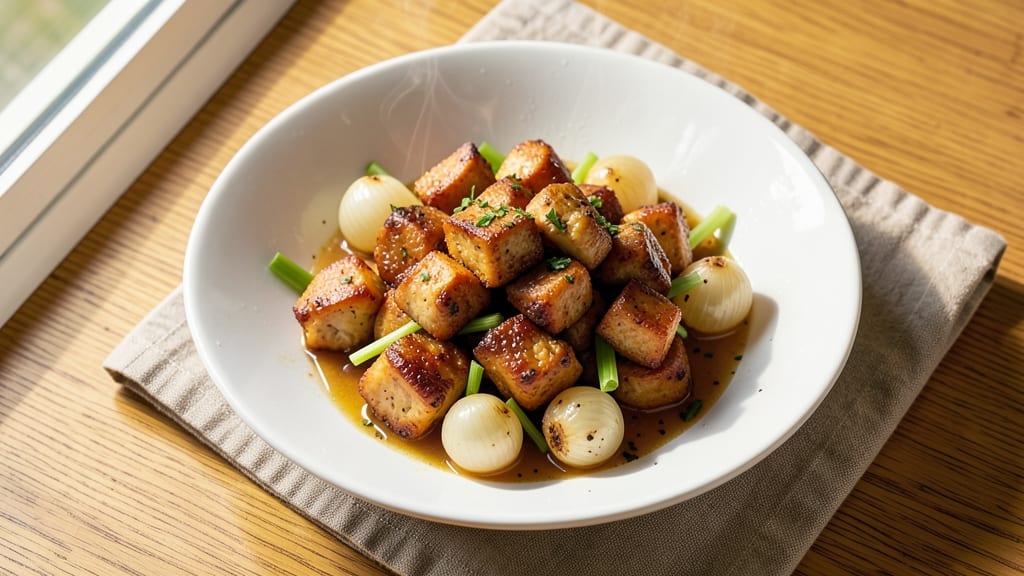
The original Cornell chicken recipe delivers a perfect balance of crispy, celery-spiced crunch and rich, savory gravy that has been a university dining hall staple for decades. This classic dish transforms simple ingredients into something truly special through precise breading and frying techniques that create an irresistible texture contrast.
The secret lies in the celery-based seasoning blend that gives the chicken its signature flavor profile, while the creamy gravy ties everything together.
What makes this recipe truly stand out is the professional-quality results you can achieve at home with basic kitchen tools. The chicken pieces develop a golden, shatteringly crisp exterior while remaining tender inside—no special equipment required beyond a deep fryer or heavy skillet.
The celery seasoning isn't just flavor; it's the foundation that transforms ordinary chicken into something memorable.
By the time you serve this dish, you'll have perfectly fried chicken pieces swimming in velvety gravy that clings to every bite. The celery notes add subtle depth, while the crispy coating provides satisfying texture with each mouthful.
This is comfort food at its finest—warm, hearty, and packed with nostalgic appeal that brings back memories of campus dining halls.
The beauty of this recipe extends beyond the main dish. The same celery seasoning can be used for other fried foods, and the gravy recipe doubles easily for leftovers.
Whether you're serving it as a special occasion meal or a comforting weeknight dinner, this Cornell chicken delivers restaurant-quality results with minimal effort.
Ingredients for original cornell chicken
Celery-spiced crunch meets velvety gravy—this classic recipe transforms simple pantry staples into Cornell dining hall magic.
| Ingredient | Amount | Notes |
|---|---|---|
| Boneless, Skinless Chicken Breasts 🍗 | 1 ½ lb | Cut into 1-inch pieces, pounded even thickness |
| All-Purpose Flour 🌾 | 2 cups | Sifted for light coating |
| Celery Stems 🥬 | 2 cups | Finely chopped, fresh for best flavor |
| Ground Black Pepper 🌶️ | 1 tbsp | Freshly cracked for maximum aroma |
| Salt 🧂 | 1 tbsp | Kosher or sea salt preferred |
| Garlic Powder 🧄 | 1 tbsp | Not garlic salt |
| Onion Powder 🧅 | 1 tbsp | For subtle sweetness |
| Vegetable Oil 🫒 | 4 cups | For frying, peanut oil preferred |
| Heavy Cream 🥛 | 1 cup | Full-fat for creamiest gravy |
| Chicken Broth 💧 | 1 cup | Low-sodium preferred |
| Cornstarch 🌾 | 1 tbsp | For gravy thickening |
| Fresh Parsley 🌿 | ¼ cup | Chopped, for garnish |
| Lemon Wedges 🍋 | 2 whole | For serving |
The celery is non-negotiable here—fresh, crisp stems from the produce section (not the pre-chopped kind) pack the most flavor. Whole Foods or local markets often carry the best quality, but even regular grocery store celery works if it's vibrant and firm. For the chicken, boneless, skinless breasts are standard, but thighs can be substituted for extra juiciness. Pound them to an even thickness so they cook uniformly. The celery seasoning blend is what makes this dish iconic—don't skip the garlic and onion powders, even though they're subtle. Penzeys or bulk bins are great for quality spices, but the grocery store brands work fine if they're fresh.
No fresh celery? Celery seed at half the amount works in a pinch, but the texture will differ. Short on chicken breasts? Chicken thighs add richness but may need slightly less frying time. For the gravy, cornstarch is essential—it creates that signature velvety texture. Substituting flour will make it thicker but less refined. The heavy cream should be full-fat for the creamiest results, but you can use half-and-half if that's what you have. For extra depth, a splash of lemon juice brightens the gravy at the end. The parsley is purely decorative, so dried works if you're in a bind, though fresh is always better.
Chicken pieces stay crispy best when kept warm in a 200°F oven while you fry in batches. The celery seasoning keeps for 2 weeks in an airtight container, so make extra for other fried foods. Gravy reheats beautifully—just stir in a splash of milk or broth if it thickens too much. Portion the gravy into ramekins before serving for easy dipping. This dish reheats well too, making it perfect for meal prep—just crisp up the chicken in a skillet before serving.
Why You'll Love This Recipe
- No-Panic Panade: I’ve dined at Cornell’s cafeteria, and this breading is that simple—just flour, salt, pepper, and a handful of celery. No fancy seasoning blends, no waiting for marinades. Toss the chicken in the flour mix, pan-fry, and you’re done. My kids can handle this by themselves (which, let’s be honest, is a win).
- Celery’s Secret Weapon: The celery isn’t just there for texture—it’s the unsung hero giving this chicken a subtle, savory depth. No garlic, no herbs, just that clean, slightly sweet bite that makes every bite just a little more interesting. Honestly, it’s the kind of flavor you forget you needed until you taste it.
- Leftover Magic: This chicken reheats like a dream—crispy outside, tender inside, no dryness. Pack it for lunch, freeze half for another week, or serve it cold in wraps. My go-to for busy nights when I’d rather watch The Bear than cook. Zero guilt, zero stress.
- Budget’s Best Kept: You’re paying for chicken and flour, not a grocery cart. Celery’s cheap, and the recipe stretches easily for a crowd. I’ve fed four people for under $10—no shortcuts, just solid, filling food. My wallet thanks me every time.
Step-by-step instructions for celery-spiced crunch chicken
Here's the method that delivers that iconic Cornell crunch and velvety gravy every time.
Prepare and Season the Chicken
Cut the 1.5 lb boneless, skinless chicken breasts into 1-inch pieces and place them between two sheets of plastic wrap. Pound each piece to an even ½-inch thickness using a meat mallet. This ensures even cooking and prevents dryness in the center. The pieces should be uniform in size for consistent frying.
In a large bowl, combine the 2 cups all-purpose flour, 1 tbsp salt, 1 tbsp garlic powder, 1 tbsp onion powder, and 1 tbsp freshly cracked ground black pepper. Mix thoroughly to distribute the seasonings evenly. I like to use my hands for this step to break up any flour clumps and ensure every piece of chicken will get that flavorful coating.
Add the pounded chicken pieces to the flour mixture and toss gently to coat completely. Let them sit for 5 minutes while you prepare the celery mixture. This brief resting period allows the flour to adhere better to the chicken, creating that signature crispy crust.
Create the Celery Coating
Finely chop the 2 cups celery stems until you have about 1 cup of finely minced celery. The goal is to create a paste-like consistency that will cling to the chicken. I use a food processor for this step, pulsing until the celery is very finely chopped but not pureed into a liquid.
In a separate bowl, combine the minced celery with 2 tablespoons of the flour mixture you prepared earlier. This creates a thicker, more flavorful coating that will give the chicken its distinctive crunch. The celery adds a subtle sweetness that balances the savory spices perfectly.
After the 5-minute resting period, remove the chicken pieces from the flour mixture and let any excess flour fall off. Then, add the chicken back to the bowl and gently toss with the celery mixture until each piece is thoroughly coated. This double-coating technique is what creates that legendary Cornell crunch.
Fry the Chicken to Golden Perfection
Pour 4 cups vegetable oil into a deep skillet or Dutch oven and heat over medium heat until it reaches 350°F. Use a deep-fry thermometer to monitor the temperature—this is crucial for even cooking. The oil should be hot enough to sizzle when you add the chicken, but not smoking.
Working in batches to avoid overcrowding, carefully add the celery-coated chicken pieces to the hot oil. Fry for 3-4 minutes per side until golden brown and cooked through. The chicken should reach an internal temperature of 165°F. Don't be tempted to flip too frequently—let each piece develop that beautiful golden crust on one side before turning.
As you fry, transfer the cooked chicken to a paper towel-lined plate to drain excess oil. Keep the fried chicken warm in a 200°F oven while you prepare the gravy. The residual heat will keep it warm without making it soggy.
Make the Classic Cornell Gravy
In the same skillet (don't clean it—those browned bits are pure flavor), reduce the heat to medium-low and add the 1 cup chicken broth. Scrape up all the browned bits from the bottom of the pan with a wooden spoon, creating a rich, flavorful base for the gravy.
Bring the broth to a gentle simmer, then whisk in the 1 cup heavy cream. Let it simmer for 2-3 minutes until slightly thickened. In a small bowl, combine the 1 tbsp cornstarch with 2 tablespoons of cold water to create a slurry. Slowly whisk the cornstarch mixture into the gravy, stirring constantly until it reaches your desired thickness.
The gravy should coat the back of a spoon but still be pourable. Taste and adjust seasoning with additional salt or pepper if needed. The gravy should complement the chicken's flavor without overpowering it—think rich, velvety, and slightly savory.
Serve with Style
Transfer the fried chicken to a serving platter and ladle the warm gravy over the top. Garnish with the chopped 0.25 cup fresh parsley and serve immediately with the 2 whole lemon wedges on the side. The lemon adds a bright contrast to the rich, savory flavors of the chicken and gravy.
Cornell chicken is best served right away when the chicken is still crispy and the gravy is hot. The combination of the celery-spiced crunch and the creamy gravy creates a perfect balance of textures and flavors that makes this dish a classic for a reason.
Pro Tips For Making Original Cornell Chicken
- Pound Chicken Evenly: This isn’t just about thickness—uneven pounding means uneven cooking. Use a meat mallet (or heavy pan) to tap each breast to ¼-inch thickness, then flip and repeat. I learned this the hard way when one side came out rubbery while the other was dry.
- Dry Celery Thoroughly: Wet celery leaves behind a bitter, watery mess in your flour mixture. Pat each stalk with a paper towel until completely dry, then finely chop. Trust me, your crust will thank you—no slimy texture here.
- Don’t Rush the Flour Coat: Dredge the chicken in flour, then shake off the excess—but don’t skip this step. A thick, uneven layer burns before the inside cooks. Lightly tap the pan or use a fork to dislodge clumps. (Yes, it looks messy, but it works.)
- Cook in Batches: Overcrowding the pan steams the chicken instead of searing it. Work in two batches max, even if it takes longer. The sizzle should sound like a small fireworks display—if it’s quiet, you’re doing it wrong.
Perfect pairings for original cornell chicken
Celery Slaw Side
This crisp, refreshing slaw brings out the celery notes in your chicken while adding a satisfying crunch.
Shred 2 cups green cabbage and 1 cup carrots, then toss with ½ cup mayonnaise, 1 tbsp Dijon mustard, 1 tbsp apple cider vinegar, 1 tsp celery seed, and 1 tbsp chopped fresh dill.
The celery seed ties beautifully to the chicken's seasoning while the vinegar cuts through the richness of the gravy. 🥬
Classic Mashed Potatoes
Creamy mashed potatoes soak up that delicious gravy like a dream. Boil 2 lbs Yukon Gold potatoes until tender, then mash with ½ cup butter, ½ cup warm milk, and 1 tsp salt.
For extra indulgence, fold in ¼ cup sour cream and 2 tbsp chopped chives. The smooth texture contrasts perfectly with the crispy chicken. Serve with extra gravy on the side for dipping.
Cornbread Muffins
Sweet, crumbly cornbread muffins add a Southern touch that balances the savory chicken.
Mix 1 cup cornmeal, 1 cup all-purpose flour, 1 tbsp baking powder, 1 tbsp sugar, and ½ tsp salt, then whisk in 1 cup buttermilk, 1 egg, and ¼ cup melted butter. Bake at 375°F for 12-15 minutes in a muffin tin.
The slight sweetness complements the celery-spiced chicken beautifully.
Simple Green Salad
A bright green salad keeps the meal light and refreshing. Toss 4 cups mixed greens with 1 tbsp olive oil, 1 tbsp balsamic vinegar, and 1 tbsp crumbled blue cheese.
Top with ½ cup sliced strawberries for a surprising sweet contrast. The acidity from the vinegar cuts through the richness of the gravy while the blue cheese adds depth. 🍓
Gravy on the Side
While serving gravy over the chicken is traditional, offering it on the side gives guests control. Warm the gravy in a small saucepan and keep it at 160°F in a slow cooker or chafing dish.
Provide small ramekins or gravy boats for individual servings. This approach lets everyone customize their portion while keeping the chicken's crispy texture intact.
Lemon-Herb Roasted Potatoes
For a heartier side, try these crispy roasted potatoes. Toss 2 lbs baby potatoes (halved) with 2 tbsp olive oil, 1 tbsp lemon zest, 1 tbsp chopped rosemary, 1 tsp garlic powder, and ½ tsp salt.
Roast at 425°F for 30-35 minutes until golden. The lemon ties back to your serving lemon wedges while adding a fresh herbal note that pairs perfectly with the celery-spiced chicken.
Nutrition facts
Frequently asked questions
What makes the celery seasoning different from regular fried chicken?
The celery adds a subtle sweetness and aromatic depth that regular fried chicken lacks. The finely minced celery creates a paste-like coating that clings to the chicken, delivering that signature Cornell crunch while balancing the savory spices. It's what transforms ordinary fried chicken into something truly special!
Can I use chicken thighs instead of breasts?
Yes! Chicken thighs work beautifully and add extra richness. They'll need about 1-2 minutes less frying time since they're more forgiving. Just watch for 165°F internal temp to ensure safety. The celery coating will still create that perfect crunch on the outside while keeping the meat juicy inside.
Why does the recipe call for fresh celery instead of celery seed?
Fresh celery provides both flavor and texture that celery seed can't replicate. The finely minced celery creates a paste that sticks to the chicken during frying, creating that signature crunch. Celery seed would work in a pinch (use 1 tsp), but it won't give the same texture or depth of flavor.
How do I keep the chicken crispy when serving?
Keep fried chicken warm in a 200°F oven while finishing the gravy. Serve immediately after frying—waiting too long causes the coating to soften. For extra crispiness, reheat in a 400°F oven for 5-10 minutes before serving, or quickly sear in a skillet for 1-2 minutes per side.
Can I make the celery seasoning ahead of time?
Mix the dry seasoning (flour, salt, garlic powder, onion powder, pepper) and store in an airtight container for up to 2 weeks. The celery mixture should be made fresh day-of for best texture, but you can prep the minced celery and store it in the fridge for 24 hours before coating the chicken.