
Main Courses
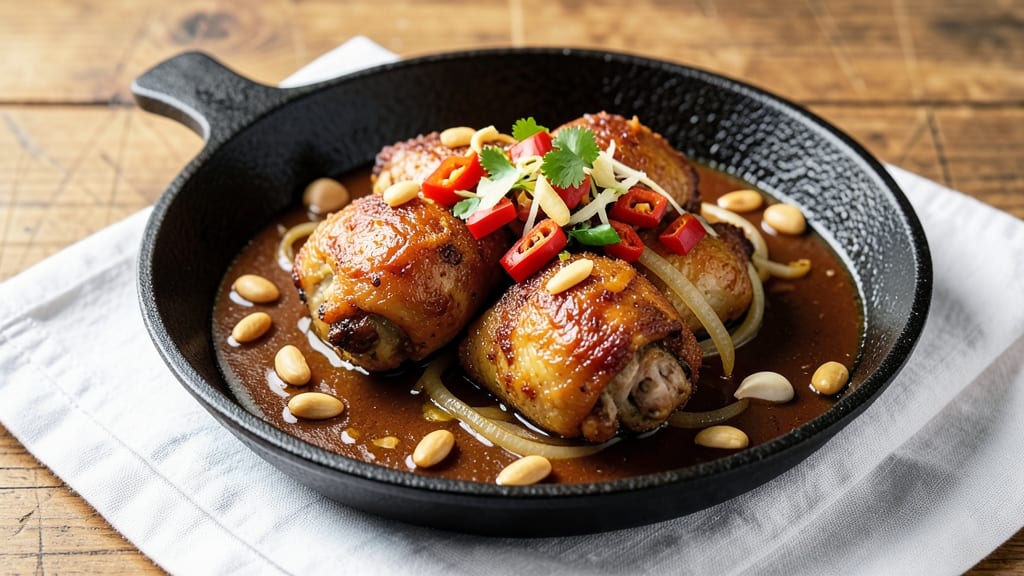
This Nigerian chicken recipe delivers the bold, aromatic flavors that make West African cuisine unforgettable—where spicy peanut stew clings to tender chicken like a second skin.
I first discovered this dish during a late-night grocery run searching for something beyond takeout, and it became my go-to for feeding a crowd with minimal fuss. The key lies in balancing heat, nuttiness, and umami through careful spice blending and slow simmering.
The recipe begins with chicken marinated in a blend of peanuts, Scotch bonnet peppers, and aromatic spices that infuse the meat with deep flavor before it even hits the pot. While traditional versions often use a pressure cooker, this method adapts perfectly for home kitchens with a simple stovetop approach.
The peanut stew develops a rich, velvety texture that coats every bite, while the chicken emerges fork-tender with just enough crispness from the initial searing.
What you'll end up with is a dish that's equally satisfying as a weeknight meal or Sunday family dinner—golden-brown chicken swimming in a thick, spicy peanut sauce that's both comforting and exciting.
The aroma alone will have everyone gathering at the table, and the balance of heat and nuttiness makes it versatile enough to pair with rice, fufu, or even crusty bread. This is the kind of recipe that transforms a simple dinner into an experience.
The beauty of this dish is its adaptability—you can adjust the heat level to suit your preference, and it reheats beautifully for leftovers. Whether you're cooking for two or a crowd, this Nigerian chicken recipe delivers restaurant-quality results with the soulful flavors of home.
Let's get started on creating this flavor-packed masterpiece.
Ingredients for nigerian chicken
Bold flavors start with these 15 ingredients—peanuts, Scotch bonnet, and ginger lead the charge.
| Ingredient | Amount | Notes |
|---|---|---|
| Chicken Thighs 🍗 | 2 ½ lb | Bone-in, skin-on preferred |
| Peanuts 🥜 | 1 ½ cups | Raw, unsalted, dry-roasted |
| Scotch Bonnet Peppers 🌶️ | 2 whole | Adjust for heat preference |
| Fresh Ginger 🧄 | 2 tbsp | Finely grated, fresh preferred |
| Garlic Cloves 🧄 | 8 cloves | Peeled, minced |
| Onion 🧅 | 1 whole | Yellow or white, chopped |
| Tomato Paste 🍅 | ½ cup | Smooth, not chunky |
| Ground White Pepper 🌶️ | 1 tsp | Freshly ground preferred |
| Ground Nutmeg 🌿 | ½ tsp | Freshly grated |
| Ground Cinnamon 🌿 | ½ tsp | Sweet, not spicy |
| Salt 🧂 | 1 ½ tsp | Kosher or sea salt |
| Coconut Milk 🥥 | 1 can | 13.5 oz can, full-fat |
| Vegetable Oil 🫒 | ½ cup | For cooking chicken |
| Bay Leaves 🍃 | 2 whole | Dried, for stew |
| Thyme Leaves 🌿 | 1 tsp | Dried, or 1 tbsp fresh |
The Scotch bonnet peppers are your heat control here—adjust based on tolerance. African or Caribbean markets usually carry them fresh, but if you can't find them, habanero at half the amount works. The ginger needs to be fresh—no powdered substitutes. I grab mine from the Asian section of Walmart, but any grocery store with a fresh produce aisle will have it. The peanuts should be raw and unsalted—Trader Joe's sells them in bulk, which saves money. For the chicken, thighs stay juicier than breasts, but if that's what you've got, go for it—just don't overcook them.
No Scotch bonnet? Red pepper flakes at one-third the amount adds heat without the fruity depth. The coconut milk can be swapped for light coconut milk if you're watching calories, but full-fat gives that creamy richness. Fresh thyme is ideal, but dried works at one-third the amount. The tomato paste is non-negotiable for that umami kick—no substitutes here. If you're short on time, pre-minced garlic from the jar is fine, but fresh tastes better. The bay leaves? Tear them first—they release flavor better that way.
This sauce gets better with time, so make a double batch if you're feeding a crowd. Keeps in the fridge for 5 days and freezes beautifully for 3 months. I portion mine into containers with rice on the side—lunches sorted for the week. The chicken reheats well too, but add a splash of water to keep it moist. Store the peanuts in an airtight container in a cool, dark place—they'll last 6-12 months if kept dry.
Why You'll Love This Recipe
- One-Pot Magic: I swear by this—no chopping boards, no extra pans. Just brown the thighs, toss in the ginger-garlic paste, and let the peanuts and Scotch bonnet do their thing. The sauce thickens right there, sticky and fragrant, while I’m still deciding what to watch on TV.
- Heat That Stays: That Scotch bonnet isn’t just for show—it lingers. The first bite hits with a slow burn, then the peanuts mellow it into something rich and nutty. Honestly, I’ve made this for guests who “don’t like spice,” and they still ask for seconds. (Between us, they’re liars.)
- Weeknight Workhorse: This feeds a crowd but costs less than takeout. Double the batch, freeze half, and you’ve got a 30-minute dinner for lazy nights. My kids grab it straight from the fridge—no reheating, no fuss. (Yes, even on a Tuesday night.)
- Budget Booster: Chicken thighs stretch further than breasts, and peanuts add bulk without breaking the bank. I’ll be real: the ginger and Scotch bonnet are the pricier bits, but a little goes a long way. Leftovers? Even better—tastes just as good cold in wraps the next day.
Step-by-step instructions for Nigerian chicken stew
Here's how to make this rich, spicy peanut stew with tender chicken that falls apart.
Brown the Chicken and Prepare the Base
Heat the 0.5 cup vegetable oil in a large, heavy pot over medium-high heat. Pat the 2.5 lb chicken thighs dry with paper towels and season generously with 1.5 tsp salt and 1 tsp ground white pepper. Working in batches to avoid crowding, brown the chicken for 4-5 minutes per side until deeply golden. The skin should blister slightly, and the chicken should release easily from the pan.
Once all the chicken is browned, remove it from the pot and set it aside. Reduce heat to medium and add the 1 whole onion and 8 cloves garlic cloves. Sauté for 3-4 minutes until the onion softens and the garlic becomes fragrant. Here's the thing—don't let the garlic burn, or it'll turn bitter. Add the 2 tbsp fresh ginger and cook for another 30 seconds until it loses its raw edge and the mixture smells aromatic.
Build the Spiced Tomato-Peanut Foundation
Stir in the 0.5 cup tomato paste and cook for 2 minutes, stirring constantly to prevent burning. This step develops the stew's deep, savory flavor. Add the 2 whole Scotch bonnet peppers, 0.5 tsp ground nutmeg, 0.5 tsp ground cinnamon, and 1 tsp thyme leaves. Cook for 1 minute until the spices are toasted and the mixture smells rich and complex.
Pour in the 1 can coconut milk and scrape up any browned bits from the bottom of the pot. Add 1 cup of the 1.5 cups peanuts (reserve the rest for garnish) and the 2 whole bay leaves. Bring the mixture to a gentle simmer, then return the browned chicken to the pot. The liquid should just cover the chicken—if it looks too thin, add ½ cup water. Partially cover and simmer for 30 minutes, turning the chicken occasionally to ensure even cooking.
Finish with Creamy Peanut Richness
After 30 minutes, the chicken should be tender but not falling apart. Remove the chicken from the pot and set it aside again. Increase heat to medium-high and let the sauce reduce slightly for 3-4 minutes until it thickens into a glossy consistency. Taste and adjust seasoning with more salt if needed—this is where the flavors come together.
Crush the remaining ½ cup peanuts coarsely with a rolling pin or mortar and pestle (or pulse briefly in a food processor). Stir these crushed peanuts into the sauce along with the reserved 1 cup peanuts and simmer for another 5 minutes. The sauce should coat the back of a spoon and have a thick, peanut-forward texture. Return the chicken to the pot, spooning some of the sauce over the top to keep it moist.
Simmer to Perfection and Serve
Reduce heat to low and let the stew simmer uncovered for 15-20 minutes, allowing the flavors to meld and the sauce to thicken further. The chicken is done when it's fork-tender and pulls away from the bone easily. Remove the bay leaves and discard them—they've done their job.
Serve the Nigerian chicken stew hot, ladled over steamed rice or fufu, with extra crushed peanuts sprinkled on top for texture. The stew should be rich, spicy, and just thick enough to cling to every bite. If it's too thick, stir in a splash of warm water or coconut milk to reach your desired consistency. This dish tastes even better the next day as the flavors deepen!
Pro Tips For Making Nigerian Chicken
- Blister the Peppers: Remove the stems and seeds from the Scotch bonnet, then slice them open lengthwise—don’t chop. Lay them cut-side down in a dry pan over medium-high heat for 30 seconds until they darken and soften. This unlocks their heat and sweetness without burning them. (Yes, even if you’re impatient like me.)
- Toast Peanuts Twice: Roast the peanuts in two batches: first in the oven at 350°F (175°C) for 8–10 minutes until fragrant, then pulse them in a food processor until coarsely chopped. Toast them again in the same pan you’ll cook the chicken—just 30 seconds—so their flavor carries through the sauce. (This isn’t the prettiest method, but it’s the tastiest.)
- Don’t Crowd the Chicken: Brown the chicken thighs in a single layer over medium-high heat, resisting the urge to stack them. If your pan gets crowded, work in batches—this guarantees a crispy crust instead of steaming. (I learned this the hard way after serving rubbery chicken to skeptical guests.)
- Grate Ginger Like a Pro: Use the largest holes on a box grater for fresh ginger—no peeling needed. Pack the grated ginger tightly into a mortar or small bowl, then pound it with a pinch of salt until it turns glossy and releases its oils. This cuts the bite and deepens the flavor more than mincing. (Sounds weird, but it works.)
Troubleshooting your nigerian chicken
Chicken Too Dry
If your chicken ends up dry, you likely overcooked it or didn't properly rest it after browning. I've found that chicken thighs should reach an internal temperature of 165°F but should still feel tender—not rubbery.
The key is to remove the chicken from the pot when it's just slightly underdone (around 160°F) and let it finish cooking in the sauce. Also, avoid lifting the lid too often while simmering, as this causes moisture loss. 💡
Sauce Too Thin
A thin sauce often happens when you add too much liquid or don't reduce the sauce enough. To fix this, simmer the sauce uncovered for an extra 10-15 minutes to thicken it naturally.
If it's still too thin, mix 1 tbsp cornstarch with 2 tbsp water and stir it into the sauce until it reaches your desired consistency. I've also had success using a roux made with peanut oil and flour for extra richness.
Peanuts Not Crushed Enough
If your peanuts aren't releasing their flavor, they might not be crushed finely enough. Use a rolling pin or mortar and pestle to break them into small pieces—about the size of coarse sand. For a quicker method, pulse them in a food processor for 10-15 seconds.
The goal is to create a mix of whole peanuts and crushed ones, as this adds both texture and flavor. If you're short on time, toast the whole peanuts in a dry pan for 2-3 minutes before adding them to the sauce for extra aroma. 🥜
Heat Level Off
If the dish isn't spicy enough, it might be because the Scotch bonnet peppers weren't cooked long enough to release their heat. Simmer the sauce for an extra 5 minutes to allow the flavors to meld.
For more heat, add ½ tsp cayenne pepper or 1 tbsp gochujang at the end. If it's too spicy, balance it with a splash of coconut milk or a pinch of sugar to mellow the heat.
I also like to serve it with cool yogurt or sliced cucumbers on the side for those who can't handle the heat.
Burnt Tomato Paste
Burnt tomato paste is a common mistake when cooking at high heat. Always stir constantly when adding the 0.5 cup tomato paste and keep the heat at medium for this step. If it starts to darken too quickly, reduce the heat slightly and let it cook gently.
For extra flavor, you can also blend 1 cup fresh tomatoes into the sauce after the tomato paste has cooked—this adds brightness and prevents burning. 🍅
Leftover Sauce Too Thick
If the sauce thickens too much when reheating, stir in 1-2 tbsp warm water or coconut milk to loosen it up. For a smoother texture, blend the sauce briefly in a food processor before reheating.
I've also found that adding a splash of chicken broth helps restore the sauce's balance. Store leftovers in an airtight container and reheat on the stovetop over low heat to prevent scorching.
Nutrition facts
Frequently asked questions
Can I use chicken breasts instead of thighs?
Chicken thighs work best because they stay juicy during the long simmering process. If using breasts, cook them for only 15-20 minutes total (until 165°F internal temp) to prevent drying. Remove them early and let them finish in the sauce off the heat. For extra tenderness, pound them slightly before cooking.
How do I make this less spicy?
Reduce the Scotch bonnet peppers to just 1 whole pepper or remove the seeds/membranes first. For milder heat, substitute with 1 habanero or 2 jalapeños. After cooking, stir in 1 tbsp honey or coconut milk to balance the flavors. Serve with cool yogurt or sliced cucumbers on the side for contrast.
What's the best way to store leftovers?
Store the chicken and sauce separately in airtight containers for up to 5 days in the fridge. For longer storage, freeze for 3 months. Reheat gently on the stovetop with a splash of water or coconut milk to restore moisture. The sauce thickens when cold—stir in a little liquid when reheating.
Can I make this in a slow cooker?
Brown the chicken first, then transfer everything to a slow cooker. Cook on low for 6-7 hours or high for 3-4 hours, adding ½ cup water if needed. The slow cooker method actually enhances the peanut sauce's richness. Just remember to crush the peanuts and add them during the last 30 minutes of cooking.
What sides pair best with this dish?
Traditional pairings include steamed jasmine rice, fufu, or garri. For a lighter option, serve with cucumber salad or boiled plantains. The peanut sauce also works beautifully with crusty bread for dipping. I often make a double batch—one for the main dish and one for leftovers with rice.