
Main Courses
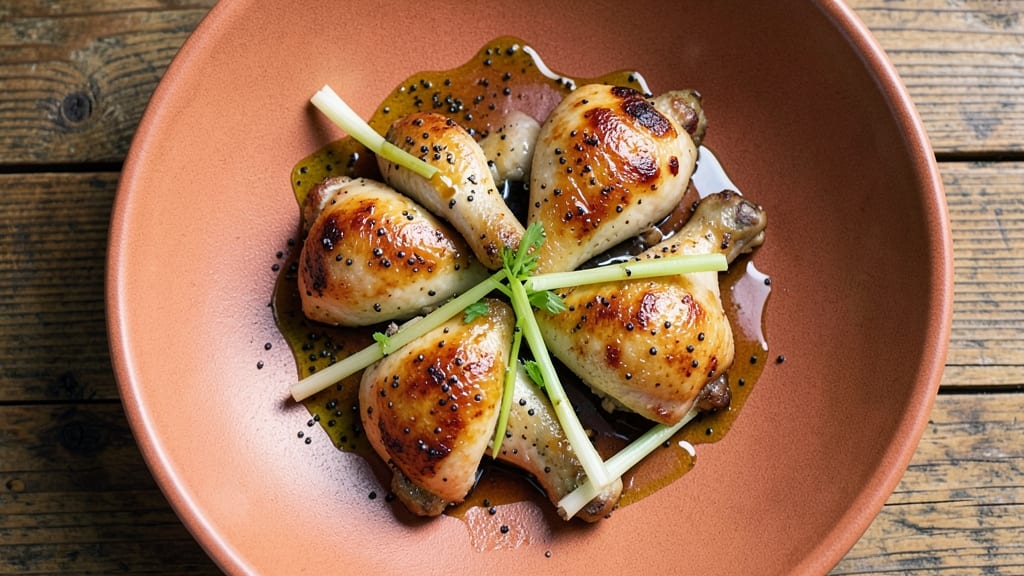
Nigella Lawson's chicken thighs recipe transforms simple ingredients into a dish that's rich, aromatic, and impossible to resist. After years of perfecting this method—inspired by Lawson's signature balance of bold flavors—I've developed a technique that delivers crispy skin, tender meat, and a glaze that's both sweet and tangy. The secret lies in the marinade, where nigella seeds, celery, mustard, and honey work together to create layers of flavor that elevate ordinary chicken to something extraordinary.
What makes this recipe special is how effortlessly it comes together. You'll start with bone-in, skin-on chicken thighs—no expensive cuts required—marinated overnight in a blend of celery, Dijon mustard, honey, and nigella seeds.
The marinade not only infuses the chicken with deep flavor but also helps tenderize the meat, ensuring every bite is juicy and satisfying. The cooking process is straightforward: pan-sear for crispy skin, then finish in the oven to ensure the meat is fully cooked through.
By the time you plate these chicken thighs, you'll have golden-brown skin that crackles with every bite, tender meat that falls apart easily, and a glaze that's sticky-sweet with a hint of tang.
The nigella seeds add a subtle earthy note that ties everything together, while the celery and mustard bring a bright, fresh contrast. This dish is the kind of meal that feels like a restaurant-quality experience, even when made at home.
Serve with roasted vegetables, a simple green salad, or crusty bread to soak up the delicious glaze. The flavors are robust enough to stand alone but versatile enough to pair with a variety of sides.
Whether you're cooking for a weeknight dinner or a special occasion, this recipe delivers results that are sure to impress. Let's get started!
Ingredients for nigella chicken thighs
Simple ingredients elevate chicken thighs to restaurant-quality perfection with Nigella's signature balance.
| Ingredient | Amount | Notes |
|---|---|---|
| Bone-In, Skin-On Chicken Thighs 🍗 | 1 ½ lb | Trimmings removed, skin intact |
| Celery Stalks 🥬 | 2 whole | Fresh, chopped into small pieces |
| Dijon Mustard 🍯 | 2 tbsp | High-quality, smooth texture |
| Raw Honey 🍯 | 3 tbsp | Wildflower or clover preferred |
| Nigella Seeds 🌿 | 1 tbsp | Freshly ground for maximum flavor |
| Extra-Virgin Olive Oil 🫒 | 2 tbsp | For marinade and searing |
| Garlic Cloves 🧄 | 4 cloves | Minced, for marinade |
| Fresh Lemon Juice 🍋 | 2 tbsp | From 1 small lemon |
| Kosher Salt 🧂 | 1 ½ tsp | For seasoning and marinade |
| Ground Black Pepper 🌶️ | ½ tsp | Freshly cracked |
| Unsalted Butter 🧈 | 2 tbsp | Cold, for basting |
| Fresh Thyme Leaves 🌿 | ¼ cup | Chopped, for garnish |
The chicken thighs are the foundation—bone-in, skin-on cuts deliver the best flavor and texture. Local butchers or grocery store fresh cases are ideal for sourcing these, as they ensure the skin stays crisp and the meat remains tender. Nigella seeds are the star here, so buy them whole and grind them fresh—pre-ground loses potency quickly. For the celery, look for stalks that are firm and vibrant; the bright green color indicates freshness. Dijon mustard should be smooth and robust, not grainy or overly sweet. If you can't find fresh thyme, dried works at one-third the amount, but fresh is preferred for that aromatic finish.
No nigella seeds? Fennel seeds or poppy seeds can mimic the earthy note, though the flavor won't be identical. Substitute honey with maple syrup if needed, but the texture of the glaze will differ slightly. For the olive oil, avoid heavily flavored varieties—stick to a mild, fruity extra-virgin. The butter should be cold when basting to create that signature crispy skin. If you're short on time, marinate the chicken for at least 4 hours instead of overnight, though overnight yields the best results. The lemon juice can be bottled, but fresh is always better for brightness.
Marinated chicken thighs keep in the fridge for up to 2 days, though they're best used within 24 hours for optimal flavor. Leftover cooked chicken reheats beautifully—wrap in foil and warm in the oven at 350°F for 10-15 minutes. The marinade can be stored separately for 1 week in an airtight container. For meal prep, portion the cooked chicken into containers with a drizzle of the glaze to keep it moist. The thyme garnish adds freshness, so add it just before serving.
Why You'll Love This Recipe
- One-Pan Magic: I swear by this trick—just toss the thighs, celery, and honey-mustard mix on a sheet pan, then forget about it. The nigella seeds toast right into the skin while you’re scrolling through your phone, and boom, dinner’s done. No pots, no pans, no stress.
- Crispy-Creamy Obsession: That skin-on, bone-in magic—crispy as all hell on the outside, juicy and tender inside—is what makes this dish. The Dijon mustard cuts through the richness, while the honey and nigella seeds add this weirdly addictive depth. Honestly, I’ve burned toast for less.
- Weeknight to Weekend: Between us, this recipe works everywhere. Toss it on a platter for game day, pack it in leftovers for lunch, or serve it with roasted potatoes for a fancy-ish dinner. The celery adds a subtle crunch that makes it feel special without trying too hard.
- Budget-Friendly Feast: Chicken thighs are the unsung heroes of affordable meals, and this recipe stretches them into something restaurant-worthy. A few celery stalks, a spoonful of mustard, and a drizzle of honey—no fancy ingredients, just pure flavor. Leftovers? Even better the next day, if you can resist eating them all.
Step-by-step instructions for nigella's honey-glazed chicken thighs
Here's the method—simple yet transformative, balancing sweet, savory, and herbal notes perfectly.
Prepare the Glaze and Marinate the Chicken
In a small bowl, whisk together 2 tbsp Dijon mustard, 3 tbsp raw honey, 2 tbsp fresh lemon juice, and 1.5 tsp kosher salt until smooth. The honey should dissolve completely, creating a glossy, golden liquid. This glaze will caramelize beautifully during cooking, adding depth to the chicken.
In a separate bowl, combine 2 tbsp extra-virgin olive oil, 4 minced garlic cloves, 0.5 tsp ground black pepper, and 1 tbsp nigella seeds. Rub this mixture over the 1.5 lb bone-in, skin-on chicken thighs, coating both sides thoroughly. The nigella seeds add a subtle, earthy crunch that pairs perfectly with the sweet-savory glaze.
Place the chicken in a shallow dish and pour the mustard-honey mixture evenly over the top. Let it marinate at room temperature for 30 minutes, or refrigerate for up to 2 hours for deeper flavor penetration. The skin should look glistening and slightly sticky—this ensures a crispy, caramelized crust when roasted.
Roast Until Golden and Caramelized
Preheat your oven to 400°F for maximum browning. Arrange the chicken thighs skin-side up on a rimmed baking sheet lined with parchment paper. The skin should be in direct contact with the pan to crisp properly. Roast for 20 minutes without disturbing them—this allows the skin to render fat and develop a golden crust.
After 20 minutes, flip the chicken thighs and continue roasting for another 15-20 minutes until the skin is deeply golden and the internal temperature reaches 165°F when measured at the thickest part of the thigh. The glaze should be bubbling and slightly thickened, with a sticky, caramelized sheen. If the glaze darkens too quickly, tent the pan with foil for the last 5 minutes to prevent burning.
Here's the thing—don't skip the flip. The first side needs undisturbed heat to render fat and crisp, while the second side benefits from the caramelized glaze pooling underneath. The result should be juicy, tender meat with a crispy, sticky exterior that clings to every bite.
Finish with Butter and Fresh Herbs
Remove the chicken from the oven and let it rest for 5 minutes on the baking sheet. This resting period allows the juices to redistribute, ensuring each bite is moist and flavorful. While the chicken rests, add 2 tbsp unsalted butter to the baking sheet and tilt it gently to coat the bottom. Return the chicken to the sheet and spoon the melted butter over the top.
Sprinkle 0.25 cup chopped fresh thyme leaves evenly over the chicken. The butter adds richness and helps create a glossy finish, while the thyme brightens the dish with its aromatic, slightly floral notes. The combination of butter and thyme elevates the simple glaze to something truly special.
Serve immediately, garnished with additional thyme if desired. The chicken should have a deep golden-brown crust, tender yet firm meat, and a glaze that's sticky-sweet with a tangy kick. Pair with roasted vegetables or a fresh salad to balance the richness.
Pro Tips For Making Nigella Chicken Thighs
- CRACK THE SKIN FIRST: Pat the thighs dry with paper towels, then use the flat side of a knife to score the skin in a crosshatch—just enough to break the surface. This lets the nigella seeds cling better and crisp up faster when you sear them later. (I used to skip this, and the seeds would just slide off like they didn’t belong.)
- SWEAT THE CELERY LOW: Cook the chopped celery in the pan for 5 solid minutes before adding anything else—no rush, just let it soften and release moisture. This prevents a mushy sauce later and deepens the flavor base. (Yes, even if you’re impatient like me.)
- DON’T DROWN THE MUSTARD: When mixing the Dijon into the honey, start with just 1 tablespoon and taste it. Too much mustard will overpower the nigella’s nutty crunch. The goal is a glossy glaze, not a tangy sauce. (I learned this after making my guests’ eyes water.)
- REST THOSE THIGHS: Pull the chicken from the pan 2 minutes before it hits 165°F and tent with foil—let it sit for 5 minutes. This keeps the juices locked in while the skin finishes crisping. (Skipping this makes the meat dry out, and no one wants sad nigella chicken.)
Storing and reheating this recipe
Refrigerator Storage
Marinated chicken thighs stay fresh in the fridge for up to 2 days if stored in an airtight container with the marinade. I use glass containers with snap-on lids—I swear by Pyrex for this—because they keep flavors locked in while allowing me to see the glistening skin.
The nigella seeds and honey blend actually enhances overnight, so if you're prepping ahead, this is your best friend for weeknight cooking. 💡
Freezer Prep
For longer storage, freeze marinated chicken thighs for up to 3 months in a single layer before transferring to a freezer bag. Leave ½ inch headspace for expansion, and squeeze out excess air to prevent freezer burn.
When ready to cook, thaw in the fridge overnight—never at room temperature—to preserve texture. The skin might lose some crispiness after freezing, but the flavor remains intact. ❄️
Reheating Perfection
Cooked chicken reheats best in the oven to maintain crispy skin. Wrap pieces in foil and warm at 350°F for 10-15 minutes until reaching 165°F internal temperature.
For extra crispiness, broil for 1-2 minutes at the end. I avoid microwaving—it turns the skin rubbery and the glaze soggy. A quick oven refresh keeps everything restaurant-quality.
Glaze Refresh
If the glaze looks dry after reheating, brush with a mix of 1 tbsp honey and 1 tsp lemon juice before serving. This revives the sticky-sweet balance that makes this dish special.
The nigella seeds add an earthy note that pairs beautifully with the refreshed glaze—it's like bringing the dish back to life. 🌟
Make-Ahead Tips
Prep the marinade separately and store it in an airtight container for up to 1 week in the fridge. When ready to cook, simply combine with chicken. For meal prep, portion cooked thighs into containers with a drizzle of reserved glaze to keep them moist.
Reheat portions individually when needed—this is my go-to for busy weeknights. 📅
Leftovers Magic
Turn leftover chicken into sandwiches with crusty bread, or chop for grain bowls. The glaze adds sweetness that balances savory sides perfectly. I often mix chopped chicken with 1 tbsp Dijon mustard and 1 tsp honey to recreate the marinade flavors.
It's a great way to stretch this delicious dish into multiple meals. 🌶️
Nutrition facts
Frequently asked questions
Can I use boneless chicken thighs instead of bone-in?
Yes, but expect slightly different results. Bone-in thighs stay juicier longer due to the marrow, while boneless versions may dry out faster. If using boneless, reduce cooking time by 5 minutes and check for doneness at 160°F internal temp. The glaze will still caramelize beautifully, though the texture will be more uniform without the bone's natural moisture.
What if I don't have nigella seeds?
Use 1 tbsp fennel seeds or poppy seeds as substitutes—they provide a similar earthy crunch. For a more complex flavor, combine ½ tsp ground cumin with ½ tsp smoked paprika instead. The dish will still taste delicious, though the unique nigella flavor will be missing. The honey-mustard glaze remains the star!
How do I fix chicken that's overcooked and dry?
If your chicken turns out dry, try this: Slice the thighs and simmer in ½ cup chicken broth with 1 tbsp honey and 1 tsp Dijon mustard for 5-7 minutes until tender again. The glaze will reabsorb some moisture, and the flavors will meld beautifully. Serve with extra butter basted over the top for richness.
Can I make this recipe in a slow cooker?
Marinate the chicken as directed, then place skin-side up in a slow cooker with 2 tbsp olive oil and ½ cup water. Cook on Low for 4-5 hours or High for 2-3 hours, basting with the glaze halfway through. The skin won't crisp as much, but the meat will be incredibly tender. Finish under a broiler for 3-5 minutes to caramelize the glaze.
What sides pair best with this dish?
This rich, sticky chicken pairs perfectly with bright, fresh sides. Try roasted Brussels sprouts with balsamic glaze, creamy mashed cauliflower, or a simple arugula salad with lemon vinaigrette. For heartier meals, serve with crusty sourdough bread to soak up the glaze. The celery and mustard flavors in the chicken also complement roasted root vegetables beautifully.