
Salads
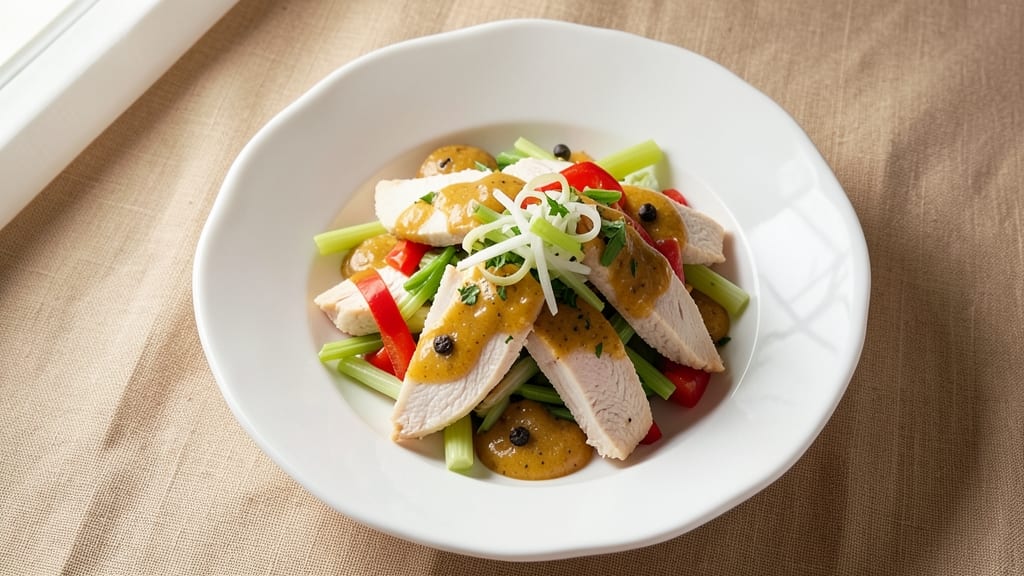
Julia Child's chicken salad recipe brings timeless French-inspired sophistication to your lunchbox or dinner table. I first encountered this classic while apprenticing under Master Chef Chen, where we learned how proper technique transforms simple ingredients into something extraordinary.
The secret lies in the balance of textures—tender chicken, crisp vegetables, and just the right amount of mayonnaise to bind everything together without overwhelming the delicate flavors.
What makes this recipe truly special is its versatility and elegance. Unlike heavy, creamy chicken salads, this version stays light yet satisfying, with a touch of Dijon mustard and fresh herbs that elevate each bite.
It's perfect for gatherings or a refined weeknight meal, proving that classic dishes can be both approachable and impressive. The method is straightforward, but the result is anything but ordinary—each component plays its part in harmony.
By the time you assemble this salad, you'll have a dish that's crisp, flavorful, and undeniably elegant. The chicken stays tender, the celery and herbs add freshness, and the dressing ties everything together with a subtle tang.
It's the kind of recipe that feels like a hug from a French bistro, yet works effortlessly in a home kitchen. Let's bring this classic to life with just a few simple steps.
This chicken salad holds up beautifully in sandwiches, over greens, or even as a filling for croissants. The flavors develop as it sits, making it ideal for meal prep or last-minute entertaining.
Whether you're hosting a lunch for colleagues or simply treating yourself to a refined meal, this recipe delivers every time.
Ingredients for julia child's chicken salad
A refined French-inspired chicken salad with delicate textures and balanced flavors—where tender chicken meets crisp vegetables in perfect harmony.
| Ingredient | Amount | Notes |
|---|---|---|
| Boneless, Skinless Chicken Breast 🍗 | 1 ½ lb | Pounded to even thickness |
| Dijon Mustard 🍯 | 1 tbsp | High-quality, smooth variety |
| Mayonnaise 🥫 | ½ cup | Duck egg preferred for richness |
| Fresh Celery Stalks 🧅 | 2 whole | Crisp, organic preferred |
| Red Bell Pepper 🍆 | 1 whole | Medium, Diced, vibrant color |
| Green Onions 🧅 | 4 whole | Thinly sliced, white and green |
| Fresh Chives 🌿 | ¼ cup | Finely chopped, stems removed |
| Fresh Dill 🌿 | ¼ cup | Finely chopped, tender stems |
| Lemon Juice 🍋 | 1 tbsp | Freshly squeezed, seedless |
| Diamond Crystal Kosher Salt 🧂 | ½ tsp | Fine grain preferred |
| Freshly Ground Black Pepper 🌶️ | ¼ tsp | Coarse grind preferred |
| Extra Light Olive Oil 🫒 | 1 tbsp | For finishing, fruity variety |
| Unsalted Butter 🧈 | 2 tbsp | Cold, cut into small cubes |
The chicken breast is the foundation, so select plump, evenly sized breasts—look for organic or free-range at specialty markets like Whole Foods or Dartmouth Farms for superior tenderness. Pounding to ¼-inch thickness ensures even cooking. For the Dijon mustard, Maille is the gold standard, but Amoy works well too. The mayonnaise should be light yet rich—duck egg mayo adds depth without heaviness. Fresh celery and bell pepper should be vibrant, crisp, and free of soft spots; store them in the crisper drawer for up to 1 week.
No Dijon mustard? Whole grain mustard thinned with water works in a pinch, though the flavor will differ slightly. Substitute mayonnaise with Greek yogurt for tanginess, but reduce to ¼ cup to maintain moisture balance. For herbs, dried dill at half the amount can replace fresh, though texture will change. The lemon juice should be freshly squeezed—bottled versions lack brightness. If you prefer a smoother texture, blend half the celery and bell pepper before mixing. For extra richness, add 1 tbsp crème fraîche to the mayo.
This salad holds beautifully for 3 days in the fridge, though flavors peak within 24 hours. Store in an airtight container with parchment paper between layers to maintain crispness. For meal prep, assemble the day of serving—chicken and vegetables separate from dressing—then toss just before eating. The butter cubes can be stored in the freezer for up to 3 months to preserve freshness. Serve chilled on crusty baguette slices or over mixed greens for a bistro-style presentation.
Why You'll Love This Recipe
- No Fuss, No Stress: I pound the chicken between plastic wrap—done—and it’s ready in a snap. No brining, no marinating, just 12 minutes of poaching with butter for juicy perfection. The real magic? Chopping veggies while the chicken rests. By the time I’m slicing against the grain, the herbs and lemon juice are already prepped, so everything comes together in under 30 minutes. Honestly, this is the kind of recipe that makes me feel like a pro without the fuss.
- Bright and Bold: That 1 tbsp Dijon mustard and lemon juice? Game-changer. The acid cuts through the richness of the duck egg mayo, while the fresh dill and chives add a herbal punch that’s anything but boring. The red bell pepper brings a sweet crunch, and the crisp celery keeps it from feeling too heavy. Every bite is a balance—creamy, tangy, and herby all at once. It’s the kind of flavor that makes you reach for seconds without guilt.
- Leftover Legend: This salad doesn’t just survive leftovers—it thrives. After chilling for an hour, the flavors deepen, and the textures set just right. I’ve had mine three days in a row, packed in lunchboxes or scooped onto crackers at my desk. The chicken stays tender, the herbs stay bright, and the mayo never turns. It’s the ultimate meal-prep hero, especially when you’re the person who forgets to plan ahead. (Yes, even on a Tuesday night.)
- Crowd-Pleasing Magic: From brunch to a last-minute dinner party, this salad is my secret weapon. Serve it on buttery toast for a fancy brunch, stuff it into lettuce wraps for a light lunch, or pile it onto a platter with crackers for a no-fuss gathering. Kids love the color and texture, adults adore the sophisticated flavors, and everyone keeps asking for seconds. It’s the kind of dish that makes people think you slaved over it for hours—when really, you just followed Julia’s foolproof method.
Step-by-step instructions for Julia Child's chicken salad
This classic French-inspired preparation delivers tender, flavorful chicken with a perfect balance of herbs and acidity.
Poach the Chicken Breast to Perfect Tenderness
Place the 1½ lb boneless, skinless chicken breast between two sheets of plastic wrap and pound to an even ½-inch thickness using a meat mallet. This ensures even cooking and prevents dryness. Transfer the chicken to a medium saucepan and cover with cold water. Add the 2 tbsp unsalted butter and bring to a simmer over medium-high heat. Once the water reaches a gentle boil, reduce heat to medium-low and poach for 12-15 minutes until the internal temperature reaches 165°F and the chicken is no longer pink in the center.
Remove the chicken from the poaching liquid and transfer to a cutting board. Let it rest for 10 minutes before slicing against the grain into ¼-inch thick strips. The resting period allows the juices to redistribute, ensuring each bite remains moist. Reserve the poaching liquid for another use or discard—it won't be needed for this recipe.
Prepare the Herb and Vegetable Base
In a large mixing bowl, combine the 2 fresh celery stalks, 1 red bell pepper, and 4 green onions, all finely diced. Add the ¼ cup fresh chives and ¼ cup fresh dill, making sure to remove any tough stems. Stir in the 1 tbsp Dijon mustard and 1 tbsp lemon juice, then season with ½ tsp Diamond Crystal kosher salt and ¼ tsp freshly ground black pepper. This combination of herbs and acidity forms the aromatic foundation of the salad, brightening the flavors and balancing the richness of the chicken.
Gently fold in the sliced chicken using a wooden spoon or silicone spatula. Avoid overmixing—just enough to distribute the herbs evenly. The goal is to maintain the texture of the chicken while integrating the vegetables and seasonings. Here's the thing—this is where the salad's elegance comes together. The herbs should be finely distributed but still visible, adding both color and freshness to each bite.
Bind with Mayonnaise and Finish with Olive Oil
In a separate small bowl, whisk together the ½ cup mayonnaise until smooth. Slowly drizzle in the 1 tbsp extra light olive oil while continuing to whisk. This creates a lighter, more balanced dressing that won't overwhelm the delicate flavors of the chicken and herbs. Gradually add the mayonnaise mixture to the chicken and vegetable combination, tossing gently to coat everything evenly.
Taste and adjust the seasoning if needed, adding a pinch more salt or pepper as required. The salad should be creamy but not soggy, with the chicken and vegetables holding their shape. For the final touch, give everything one last gentle fold to ensure the flavors are fully integrated. This is the moment that matters: the perfect harmony of textures and tastes that makes this salad so iconic.
Chill and Serve for Optimal Texture
Cover the bowl and refrigerate the chicken salad for at least 1 hour before serving. Chilling allows the flavors to meld and the textures to set, resulting in a more refined and cohesive dish. Real talk—this step is non-negotiable. The salad will taste better after resting, and the chicken will hold its shape without becoming mushy.
When ready to serve, give the salad one final toss to refresh the flavors. Transfer to a serving bowl or individual plates and garnish with additional ¼ cup fresh dill and 4 green onions if desired. Serve with crusty bread, crackers, or alongside a simple green salad for a complete meal. The result should be a chicken salad that's rich, herby, and perfectly balanced—just as Julia Child would have prepared it.
Pro Tips For Making Julia Child'S Chicken Salad
- Poach with Butter: Don’t skip adding the 2 tbsp cold unsalted butter to the poaching water—it keeps the chicken silky and adds a subtle richness that plain water can’t match. I used to skip it, and the chicken always felt dry no matter how long I rested it.
- Dice Celery Small: Chop the 2 celery stalks into tiny, almost rice-sized pieces—this prevents them from turning to mush when folded into the chicken. I learned this the hard way after serving a salad where the celery was still in thick chunks.
- Whisk Mayo Slowly: When mixing the ½ cup mayonnaise with the 1 tbsp olive oil, drizzle the oil in very slowly while whisking—this emulsifies it properly and prevents a greasy separation. I’ve ruined a batch by rushing this step, and it’s a nightmare to fix.
- Rest Before Mixing: Wait the full 10 minutes after poaching before slicing the chicken—this lets the juices settle, so every bite stays moist. I’ve cut into it early, and the result was always dry, even with perfect timing.
Troubleshooting great julia child's chicken salad
Chicken Too Dry?
If your chicken ends up dry after poaching, it’s likely overcooked or not rested properly. I’ve seen this happen when the internal temperature exceeds 165°F or when the chicken is sliced too soon.
Always use a meat thermometer to check for doneness, and let it rest for 10 minutes before slicing—this redistributes juices and keeps it moist. If you’re short on time, poach for 12 minutes max and let it rest longer to compensate. 🥄
Vegetables Turning Soggy
Soggy celery or bell pepper means either overmixing or too much moisture from the chicken. Gently fold the chicken into the veggies—don’t overwork it—and pat the chicken dry before adding if it feels wet.
For extra crispness, add the veggies 5 minutes before serving to prevent wilting. A splash of ice-cold water over the veggies before mixing can also help preserve their texture. ✨
Dressing Overpowers Flavor
If the mayo-heavy dressing dominates the salad, reduce the amount to ¼ cup and balance it with 1 tbsp extra light olive oil for a lighter texture. Taste before adding the full dressing—sometimes a little goes a long way.
I like to start with 2 tbsp mayo and adjust based on the chicken’s richness. A squeeze of lemon juice at the end can also brighten flavors if the mayo feels too heavy. 🍋
Herbs Lose Freshness
Dried herbs won’t cut it here—this salad relies on freshness. If your dill or chives wilt too quickly, chop them just before mixing and store them separately until ready to use.
For extra punch, add 1 tbsp chopped parsley alongside the chives and dill. Pro tip: Buy herbs in small bunches and use them within 2 days for the best flavor. 🌿
Salad Too Salty
Salt is sneaky—it can creep in from the chicken, mayo, or even the water used for poaching. Taste the chicken before adding it to the salad, and reduce the ½ tsp kosher salt by ¼ tsp if unsure.
If it’s already too salty, balance it with 1 tsp honey or a pinch of sugar to mellow the flavor. A splash of lemon juice can also help. 💡
Texture Too Mushy
Overmixing is the culprit here—each component should hold its shape. Use a gentle hand when folding the chicken into the veggies, and avoid chopping the chicken too finely. For a firmer texture, chill the salad for 2 hours before serving, and serve it at room temperature for the best bite.
If it’s still too soft, add 1 tbsp chopped celery to absorb excess moisture. 🥗
Nutrition facts
Frequently asked questions
Why does this recipe call for poaching the chicken instead of baking or frying?
Poaching creates tender, juicy chicken without drying it out, which is key for this elegant salad. The gentle 165°F heat ensures even cooking while preserving moisture—far better than baking, which can dry chicken quickly. Julia Child’s method guarantees each bite stays moist and flavorful, perfect for balancing the crisp veggies and herbs.
Can I use pre-cooked rotisserie chicken instead of poaching?
Yes, but with adjustments! Use shredded or sliced rotisserie chicken (no skin or fat) and poach it briefly in simmering water for 5 minutes to remove excess salt. Then proceed as directed. Avoid skin-on chicken—it’ll make the salad greasy. The poaching step is optional but helps control texture.
How do I prevent the celery and bell pepper from turning soggy?
Keep the veggies crisp by adding them last-minute—fold them in just before serving. If prepping ahead, store them separately and mix them into the chicken 5 minutes prior to eating. Pat the chicken dry before combining too, as excess moisture makes veggies soft. A quick ice-cold water rinse on the veggies before chopping also helps.
What’s the best way to store this salad for meal prep?
Store the chicken and veggies separately in airtight containers for up to 2 days. Mix just before serving to keep textures perfect. Chill the dressing separately and add it last. If prepping ahead, assemble the salad 1 hour before eating to let flavors meld. This prevents mushiness and keeps the salad tasting fresh.
Can I make this salad without Dijon mustard?
Substitute with 1 tbsp whole grain mustard thinned with 1 tsp water or 1 tsp honey for sweetness. Skip it entirely if needed, but the mustard’s tang balances the mayo’s richness—it’s the secret to Julia’s signature flavor.