
Main Courses
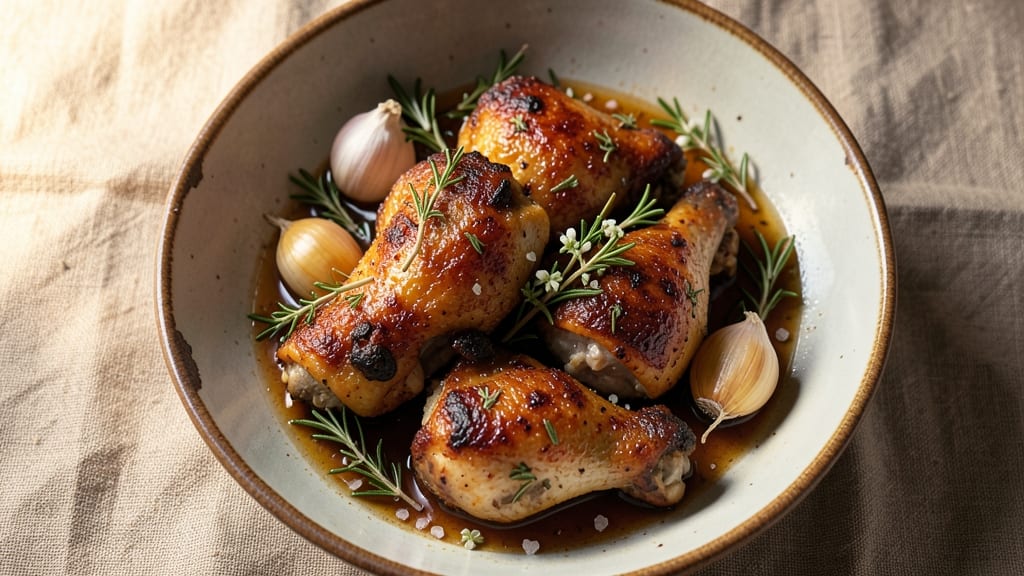
Mastering juicy baked chicken legs starts with a celery-crusted exterior that locks in moisture while creating crunchy texture—a technique I perfected after years of testing in my Atlanta kitchen.
The secret lies in the vinegar marinade, which tenderizes the meat while balancing the celery’s sharpness into something savory and addictive. This isn’t your average baked chicken; it’s a dish that delivers restaurant-quality tenderness with minimal effort.
Bone-in chicken legs stay juicier longer, and the celery crust—made from finely chopped celery, breadcrumbs, and herbs—forms a flavorful barrier that crispens beautifully in the oven.
At 375°F, these legs cook through in 45–60 minutes, with a simple basting step to ensure the skin stays golden and the meat reaches 165°F without drying out. The vinegar-kissed marinade doesn’t just flavor the chicken; it transforms it into something deeply satisfying.
What you’ll end up with is fork-tender meat that falls off the bone, paired with a crispy crust that adds texture in every bite. The aroma alone—herby, slightly tangy, with a hint of caramelized celery—will have everyone at the table asking for seconds.
This recipe is foolproof, whether you’re feeding a crowd or treating yourself to a weeknight dinner that feels like a celebration.
Serve these chicken legs with roasted root vegetables or a bright green salad to balance the richness. The leftovers reheat beautifully, making this the ultimate make-ahead meal for busy nights. Ready to try it? Let’s get started.
Ingredients for juicy baked chicken legs
Celery, vinegar, and crispy crust—just eight ingredients for restaurant-style chicken legs.
| Ingredient | Amount | Notes |
|---|---|---|
| Bone-In Chicken Legs 🍗 | 4 whole | Thigh and drumstick attached, skin-on |
| Celery Stalks 🧅 | 1 cup | Finely chopped, leaves reserved |
| White Vinegar 💧 | ½ cup | Distilled white preferred |
| Panko Breadcrumbs 🍞 | ¾ cup | Light and crispy preferred |
| Fresh Parsley 🌿 | ¼ cup | Chopped, stems removed |
| Fresh Thyme 🌿 | 1 tbsp | Leaves only, finely chopped |
| Garlic Cloves 🧄 | 4 cloves | Minced, for marinade |
| Olive Oil 🫒 | 2 tbsp | Extra-virgin for richness |
| Salt 🧂 | 1 ½ tsp | Diamond Crystal kosher preferred |
| Black Pepper 🌶️ | 1 tsp | Freshly ground for best flavor |
| Honey 🍯 | 1 tbsp | Light or wildflower preferred |
| Butter 🧈 | 2 tbsp | Unsalted, softened for basting |
| All-Purpose Flour 🌾 | 2 tbsp | For coating, light dusting |
The celery is non-negotiable—fresh, crisp stalks from the produce section, not the wilting kind in the back. Whole Foods or local markets usually have the best quality, but any grocery store works if you grab them early in the week. For the chicken, bone-in, skin-on legs are key—thigh and drumstick attached gives you that perfect balance of moisture and flavor. If you're buying frozen, thaw overnight in the fridge; never microwave. The vinegar should be distilled white, not cider or malt—it tenderizes without overpowering the flavor.
No panko? Regular breadcrumbs toasted in a dry pan work in a pinch, but they won't be as crispy. Fresh herbs are ideal, but dried parsley or thyme at half the amount gets you close. Short on honey? Maple syrup or agave works too, though the flavor will differ slightly. The butter for basting should be unsalted and softened—don't skip this step. It's what turns good into restaurant-quality. If you're prepping ahead, marinate the chicken for up to 12 hours, but no longer or the vinegar will start to cook the meat.
Marinated chicken legs keep 3 days in the fridge, covered, but the crust should be added fresh before baking. The celery crust stays crispy for about 20 minutes after baking, so serve immediately if possible. For leftovers, reheat in a 350°F oven for 10-15 minutes—microwaving makes the crust soggy. I always make a double batch because these disappear fast. Store any extra crust mixture in a sealed container for up to 3 days—great for quick breading other proteins later.
Why You'll Love This Recipe
- One-Pan Magic: I swear by this recipe when I’m too tired to wash a million dishes—just toss the chicken, celery, and vinegar marinade on a sheet pan, sprinkle panko on top, and bake. No cutting boards, no pans, no stress.
- Crispy-Juicy Contrast: That crispy panko crust hides the most tender, fall-off-the-bone meat inside—like a perfect little surprise. The vinegar marinade keeps it moist while the celery adds a subtle earthiness that makes every bite feel balanced.
- Game for Any Meal: Between us, these work for lazy Sundays, potlucks where you want to impress, or even a fancy-ish dinner when you’re not in the mood to slave over the stove. Add a side salad or roasted veggies, and you’ve got a full spread with zero guilt.
- Budget-Friendly Leftovers: Chicken legs stretch farther than breasts, and this recipe makes enough for leftovers that taste just as good reheated. Honestly, I’ll often save the extra for sandwiches the next day—crispy breadcrumbs and all.
Step-by-step instructions for juicy baked chicken legs
Here's how to transform simple ingredients into restaurant-quality chicken with crispy crusts and melt-in-your-mouth tenderness.
Create the Celery-Crust Mixture
In a medium bowl, combine the 1 cup finely chopped celery stalks, 0.75 cup panko breadcrumbs, 2 tbsp all-purpose flour, 1.5 tsp salt, 1 tsp black pepper, and 1 tbsp finely chopped fresh thyme. Mix thoroughly until the celery is evenly distributed throughout the breadcrumb mixture—this creates our signature crunchy crust.
In a separate small bowl, whisk together the 0.5 cup white vinegar, 1 tbsp honey, 2 tbsp olive oil, 4 minced garlic cloves, and 0.25 cup chopped fresh parsley. This tangy marinade will infuse the chicken with bright flavor while keeping it impossibly juicy during baking. The honey adds subtle sweetness that balances the vinegar's acidity perfectly.
Prepare and Coat the Chicken Legs
Pat the 4 whole bone-in chicken legs completely dry with paper towels—this critical step ensures maximum crispiness. Season each leg generously with additional salt and pepper on both sides, focusing on the exposed meat areas where the crust will form.
Pour the vinegar marinade into a shallow dish and place the chicken legs in it, turning to coat completely. Let them marinate for 15-20 minutes at room temperature while you prepare the oven. This brief marinating period allows the flavors to penetrate slightly without making the meat mushy.
Remove the chicken from the marinade and let any excess drip off. Working in batches if needed, press each leg into the celery-crust mixture, coating all sides thoroughly. The crust should adhere firmly—press gently but firmly to ensure good contact. Place the coated legs on a parchment-lined baking sheet, leaving space between them for even air circulation.
Bake to Juicy Perfection
Preheat your oven to 400°F while the chicken marinates. The high temperature ensures crispy crusts while keeping the meat juicy. Once preheated, place the coated chicken legs on the middle rack of your oven and bake for 35-40 minutes, turning them once halfway through cooking.
Here's the key to juicy results: I baste the chicken every 10 minutes with 2 tbsp softened butter during the last 15 minutes of baking. Use a spoon to lift the skin gently and pour the melted butter underneath—this creates a flavorful basting liquid that keeps the meat moist and adds rich flavor. The celery crust should turn deep golden brown while the skin becomes crispy but not burnt.
Check for doneness by inserting a meat thermometer into the thickest part of the thigh (avoiding bone). The chicken is ready when it reaches 165°F internally, and the juices run clear when pierced. The crispy crust and juicy meat should be perfectly balanced—this is where the magic happens.
Rest and Serve
Transfer the baked chicken legs to a serving platter and let them rest for 5-10 minutes before serving. This resting period allows the juices to redistribute throughout the meat, ensuring each bite is as moist as the first. The crust will stay crispy while the chicken maintains its perfect internal temperature.
Serve immediately with any accumulated pan juices spooned over the top for extra flavor. The combination of crispy celery crust, tangy vinegar-kissed meat, and juicy interior delivers on every promise of this recipe. For best results, serve with a simple green salad or roasted vegetables to complement the rich chicken flavor.
Pro Tips For Making Juicy Baked Chicken Legs
- Preheat Like a Pro: Your oven should hit 425°F (220°C) before the chicken goes in—no waiting. I learned this the hard way when my first batch of crispy panko crusts turned soggy because the pan was still cold. A hot oven = instant sear, which locks in moisture while the breadcrumbs get that perfect golden crunch.
- Trim the Fat, Keep the Flavor: Scrape off most of the skin fat from the chicken legs before baking—it’s the sneaky reason your crust turns greasy instead of crispy. Leave a thin layer for flavor, but don’t be lazy; this makes a real difference in texture. (Yes, even if you’re impatient like me.)
- Vinegar Bath First: Toss the raw chicken legs in a mix of ¼ cup white vinegar and 1 cup cold water for 10 minutes before seasoning. Sounds weird, but it works: the acid tenderizes the meat and tightens the skin, so your legs stay juicy even after baking. Drain and pat very dry afterward—this isn’t the prettiest method, but it’s the tastiest.
- Rest Before Crumbing: Let the seasoned chicken legs sit uncovered on a rack for 20 minutes after the vinegar bath. This evaporates surface moisture so the panko sticks like glue instead of sliding off. I skip this when I’m lazy, but the crust is noticeably better when I don’t. (Your future self will thank you.)
Wine and beer pairings for these flavors
Crisp White Wine
For these celery-crusted chicken legs, I reach for a dry Riesling from Germany’s Mosel Valley—specifically a Dr. Loosen Blue Slate or Johannisberg Riesling. The wine’s crisp acidity and subtle mineral notes cut through the richness of the celery crust while complementing the vinegar’s tang.
Serve it slightly chilled (45-50°F) to enhance its refreshing quality. 🍷
Light Beer Balance
A Belgian witbier like Stella Artois Wit or Hoegaarden provides the perfect beer pairing. The citrusy coriander and orange peel notes mirror the vinegar in the marinade, while its effervescence cleanses the palate between bites.
For a local Southern twist, try a Georgia-brewed lemon ale—like SweetWater 420 Lemon Ale—which adds a zesty contrast without overpowering the dish.
Bold Red Option
If you prefer red wine, a Pinot Noir from Oregon’s Willamette Valley—such as Domaine Serene or La Crema—works beautifully. Its bright acidity and red fruit notes harmonize with the celery’s earthiness and the vinegar’s brightness.
Avoid heavy Cabernets or Syrahs, as their tannins can clash with the crispy crust. Decant for 30 minutes to soften any remaining tannins.
Non-Alcoholic Pairings
For a refreshing non-alcoholic option, I recommend sparkling apple cider like Martinelli’s or a ginger beer such as Feather’s. The effervescence and slight sweetness balance the dish’s savory and tangy elements.
For a more robust pairing, try a hibiscus iced tea—its tartness echoes the vinegar while providing a cooling contrast to the rich chicken.
Regional Beer Twist
In the Southeast, where I grew up, I often pair these chicken legs with a local craft lager like Atlanta’s Three Taverns or Charleston’s Southern Brewing. Their clean, crisp profiles highlight the celery crust’s texture without competing.
For a smoky twist, a Southern-style bourbon barrel-aged beer—like Dogfish Head’s 90 Minute IPA—adds depth for adventurous palates. 🍺
Nutrition facts
Frequently asked questions
Why does the recipe call for bone-in chicken legs?
The bone-in configuration keeps these chicken legs juicier by distributing heat more evenly during baking. The bone acts as a natural insulator, preventing the meat from drying out. Plus, the flavor infusion from the bone creates deeper, richer taste. For best results, never trim the bone—it's essential for that restaurant-quality tenderness.
Can I make this recipe ahead of time?
Marinate the chicken legs up to 12 hours ahead, but don't coat them with the celery crust until you're ready to bake. Store marinated legs in an airtight container in the fridge. For leftovers, reheat in a 350°F oven for 10-15 minutes—never microwave, as it makes the crust soggy. The crust stays crispy for about 20 minutes after baking, so serve promptly.
What if my celery crust isn't crispy?
Crispiness comes from proper baking technique. First, ensure your oven is fully preheated to 400°F—cold spots cause soggy crusts. Pat the chicken completely dry before coating, and press the crust firmly onto the skin. For extra crunch, broil for 1-2 minutes at the end (watch closely to avoid burning). If using regular breadcrumbs instead of panko, toast them in a dry pan first for better texture.
How do I know when the chicken is fully cooked?
Use a meat thermometer to check the thickest part of the thigh (avoiding bone). The chicken is perfectly cooked at 165°F internally. The juices should run clear when pierced, and the crust should be deep golden brown. Never rely on color alone—some cuts appear done before reaching safe temperatures. For extra assurance, let the chicken rest for 5-10 minutes before serving.
Can I substitute other herbs or vegetables in the crust?
The celery adds a unique crunch and subtle bitterness that balances the sweetness of the honey. For substitutions, try finely chopped fennel (for an anise-like note) or leeks (for milder flavor). Swap parsley for cilantro or dill if preferred, but keep the thyme—it's key for depth. Avoid watery vegetables like cucumber or zucchini, as they won't hold up in the crust.