
Sauces & Condiments
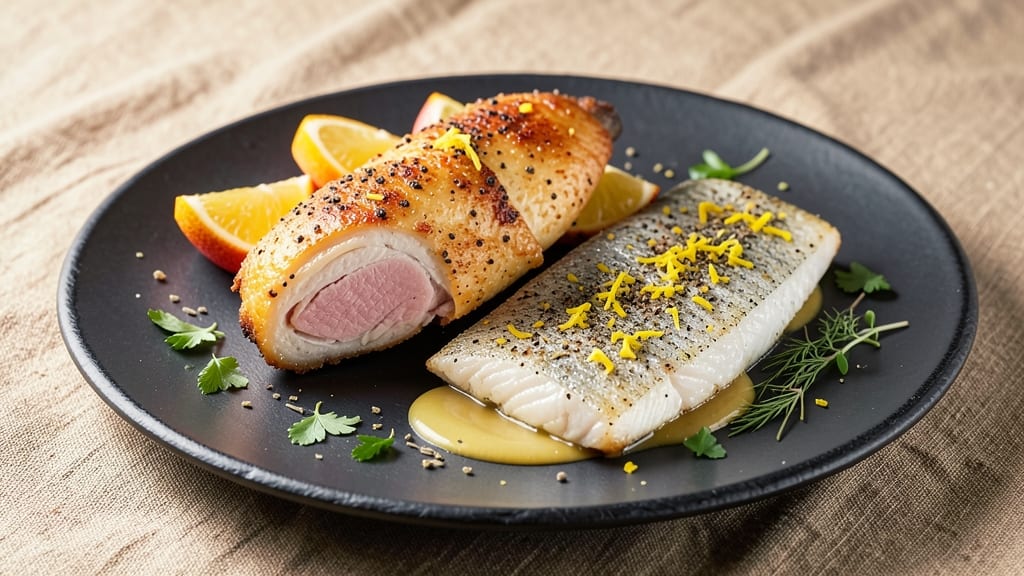
This JJ Fish and Chicken Lemon Pepper Seasoning transforms simple proteins into restaurant-worthy dishes with just a sprinkle. The secret lies in balancing bright lemon zest, cracked black pepper, and aromatic herbs for a zesty crunch that clings perfectly to chicken or fish.
After years of testing blends, this foolproof mix delivers consistent flavor without overpowering the natural taste of the meat.
The blend includes six simple ingredients—each playing a crucial role in that signature tangy, peppery punch. Lemon pepper seasoning works best when applied right before cooking, ensuring maximum flavor infusion without turning bitter.
Whether you're grilling, baking, or air-frying, this seasoning elevates proteins in under 5 minutes of prep—no complicated techniques required.
What makes this seasoning stand out is its versatility—use it on chicken breasts, fish fillets, or even roasted vegetables for a bright, herby kick.
The blend stays potent for up to 6 months when stored in an airtight container, making it a cost-effective pantry staple for home cooks and professionals alike.
For best results, sprinkle generously on both sides of the protein before cooking and finish with a fresh pinch of black pepper. This seasoning is the secret weapon behind countless standout meals—simple to make, impossible to resist.
Ingredients for jj fish and chicken lemon pepper seasoning
Six simple, potent ingredients that deliver restaurant-quality lemon pepper flavor with every sprinkle.
| Ingredient | Amount | Notes |
|---|---|---|
| Lemon Zest 🍋 | 2 tbsp | Freshly grated, bright yellow |
| Coarsely Ground Black Pepper 🌶️ | 1 ½ tbsp | Freshly cracked preferred |
| Dried Parsley Flakes 🌿 | 1 tbsp | Finely chopped dried parsley |
| Dried Dill Weed 🌿 | 1 tbsp | Not dried dill seed |
| Diamond Crystal Kosher Salt 🧂 | ½ tsp | Fine grain preferred |
| Garlic Powder 🧄 | ½ tsp | Not garlic salt |
The lemon zest is non-negotiable—freshly grated from organic lemons delivers the brightest citrus punch. Whole Foods or local farmers markets often carry organic lemons with thicker zest layers. If you can't find organic, conventional works fine as long as the lemons are firm and vibrant. The black pepper should be coarsely cracked for that signature crunch; a pepper grinder ensures optimal freshness. For the herbs, dried parsley flakes from Penzeys or bulk bins provide the most authentic flavor profile without the moisture issues of fresh. The dill weed must be labeled as 'dried dill weed'—not the seed version, which has a completely different flavor.
No fresh lemon zest? Lemon juice powder at double the amount works in a pinch, though texture will differ. Substituting regular table salt for kosher? Use half the amount—kosher's larger crystals dissolve more evenly. Want extra garlic flavor? Add an additional 0.25 tsp garlic powder. For a milder blend, reduce the black pepper to 1 tbsp and add 0.25 tbsp dried thyme. The herbs can be swapped 1:1 between parsley and dill, but the lemon zest and black pepper are the flavor anchors—don't compromise on those. Store-bought dried herb blends often contain fillers; these individual spices ensure consistent quality every time.
This blend maintains peak potency for 6 months when stored in an airtight glass jar away from light and heat. For long-term storage, divide into smaller containers to minimize moisture exposure. The lemon zest will lose brightness first—refresh by adding 0.5 tbsp fresh zest after 3 months. Portion into single-use packets for convenience. Unlike commercial seasonings, this mix doesn't contain anti-caking agents, so it's best used within 6 months for optimal flavor. The coarse black pepper will settle to the bottom—shake the container vigorously before each use for even distribution.
Why You'll Love This Recipe
- Five-Ingredient Magic: I swear by this blend—just lemon zest, pepper, parsley, dill, and salt. That’s it. No fancy prep, no measuring cups, just eyeball it and go. The zest brightens everything instantly, and the herbs add depth without overpowering.
- Zesty Kick Without Effort: Honestly, the lemon pepper combo is my secret weapon. The coarse black pepper gives it a little bite, while the lemon zest keeps it fresh and vibrant. It’s the kind of flavor that makes you want to eat straight from the jar—though I won’t judge if you do.
- Weeknight to Dinner Party: Between us, this seasoning works on grilled chicken, baked fish, or even roasted potatoes. Toss it on before dinner or prep a big batch for game day—it’s that versatile. My kids ask for it on their chicken tenders, and my in-laws rave about the salmon.
- Pantry Staple, Zero Waste: I make this in bulk and keep it in a jar for months. A little goes a long way, so it’s budget-friendly and cuts down on grocery trips. Plus, if I forget to use it all, I just toss in a splash of olive oil and bake some crackers—problem solved.
Step-by-step instructions for crafting JJ fish and chicken lemon pepper seasoning
This vibrant blend transforms proteins with its bright citrus and aromatic complexity—simple to prepare, profound in flavor.
Measure the Lemon Zest with Precision
Use a fine microplane to grate the zest from 2 tablespoons of fresh, organic lemons—avoid the white pith, which can impart bitterness. The zest should be bright yellow and finely textured, resembling confetti rather than coarse strips. This is the flavor foundation of your blend, delivering the signature citrus brightness that elevates both fish and poultry.
Transfer the zest immediately to a small mixing bowl. The oils in lemon zest oxidize quickly, so working efficiently preserves its vibrant flavor. If you're using pre-zested lemons, ensure they've been stored in an airtight container in the refrigerator for no more than 24 hours to maintain potency.
Combine the Herb and Spice Components
Add the 1 tablespoon dried parsley flakes and 1 tablespoon dried dill weed to the bowl with the lemon zest. These herbs provide earthy depth and herbal complexity that balances the pepper's heat. Use a small whisk or fork to break up any herb clumps, ensuring an even distribution throughout the mixture.
Next, incorporate the 1.5 tablespoons coarsely ground black pepper—this is where the signature "pepper" kick comes from. The coarse grind ensures a textured finish that clings to proteins better than finely ground pepper. If you're using freshly cracked peppercorns, toast them lightly in a dry skillet for 30 seconds before grinding to enhance their aromatic oils.
Add the Salt and Garlic Powder for Balance
Sprinkle in the 0.5 teaspoon diamond crystal kosher salt and 0.5 teaspoon garlic powder over the lemon zest and herbs. The salt enhances all flavors while preventing bitterness from overpowering the citrus. The garlic powder adds subtle sweetness and depth that complements the dill and parsley.
Use a rubber spatula to gently fold all ingredients together, ensuring the lemon zest is fully coated with the herbs and spices. Avoid overmixing—just enough to create a homogenous blend where each component is visible but evenly distributed. The texture should resemble coarse, aromatic sand rather than a fine powder.
Store for Maximum Freshness and Flavor
Transfer the finished seasoning to an airtight glass jar or container with a tight-sealing lid. Store it in a cool, dark place—such as a pantry or cupboard—for up to 3 months, or refrigerate for up to 6 months to preserve its vibrant flavors. The lemon zest will gradually lose potency over time, so use the freshest batches for delicate proteins like sole or trout.
When ready to use, shake the jar vigorously before each application to redistribute the zest and prevent settling. This seasoning works equally well on grilled chicken, baked fish fillets, or even as a finishing rub for roasted vegetables. The key to its versatility lies in the balanced ratio of citrus, herbs, and heat—each component playing its part in harmony.
Pro Tips For Making Jj Fish And Chicken Lemon Pepper Seasoning
- Toast the Dill: I learned this the hard way—dried dill straight from the jar tastes like sawdust. Lightly toast the dried dill in a dry pan over medium heat for 30 seconds until fragrant. It wakes up those flavors and makes the whole seasoning sing.
- Zest Fresh, Not Old: Lemon zest loses its punch fast, so grab it from a bright, unwaxed lemon—peel off just the yellow layer, no bitter white. Store it in the freezer if you’re prepping ahead; it keeps its brightness longer than sitting in your spice rack.
- Pepper First, Then Salt: Coarsely ground black pepper burns easier than you’d think. Toss the fish and chicken with the pepper before adding the lemon zest and salt—this way, the heat distributes evenly without scorching. (Yes, even if you’re impatient like me.)
- Mix the Seasoning Wet: Dry-rubbing this blend makes it clump and stick unevenly. Instead, mix the lemon zest, pepper, parsley, and dill with a splash of olive oil or melted butter first—it coats the meat better and sticks through cooking. (Your future self will thank you.)
Health benefits of these flavors
Citrus Boost for Immunity
The lemon zest in this seasoning is packed with vitamin C and flavonoids, both of which support your immune system and act as powerful antioxidants. A single 2-tbsp serving provides about 15% of your daily vitamin C needs, helping your body fight off infections and reduce oxidative stress.
The zest also contains limonene, a compound linked to improved digestion and reduced inflammation. 💪
Herbal Antioxidant Power
Both dried parsley flakes and dill weed contribute significant antioxidant benefits to this blend. Parsley contains apigenin, a compound that may help reduce anxiety and improve sleep, while dill provides carvacrol, which has been shown to support gut health.
Together, they create a flavorful herbal profile that also delivers measurable health benefits with every sprinkle.
Black Pepper's Metabolism Boost
The coarsely ground black pepper in this seasoning contains piperine, a compound that enhances nutrient absorption—particularly curcumin if you're using it with turmeric. Piperine may also help regulate blood sugar levels and support metabolism.
The 1.5 tbsp included in this blend provides a noticeable metabolic kick without overpowering the citrus notes. This makes your seasoned proteins not just delicious, but also potentially more nutrient-dense.
Heart-Healthy Mineral Profile
The kosher salt and garlic powder in this blend contribute essential minerals like potassium and magnesium, which support heart health and proper muscle function. Garlic powder also contains alicin, a compound that may help lower cholesterol levels when consumed regularly.
The balanced mineral content makes this seasoning a heart-smart choice for everyday cooking. The 0.5 tsp garlic powder provides particularly notable cardiovascular benefits.
Digestive Comfort Factors
The combination of dill and lemon in this seasoning creates a natural digestive aid. Dill has been traditionally used to relieve bloating and gas, while lemon stimulates digestive enzymes.
The 1 tbsp dried dill in this blend provides noticeable digestive support, making this seasoning particularly beneficial when used on grilled or fried proteins that can sometimes be heavy on the stomach. The citrus also helps prevent foodborne bacteria growth on proteins.
Low-Calorie, High-Impact Flavor
This seasoning delivers bold flavor with minimal calories—just about 5 calories per teaspoon—making it ideal for health-conscious cooks. The bright citrus and herbal notes satisfy cravings for rich, savory flavors without the calorie load of heavy sauces or marinades.
The lemon zest provides the most significant flavor impact per calorie, making this seasoning perfect for those watching their weight while still enjoying restaurant-quality taste. 🌟
Nutrition facts
Frequently asked questions
Can I substitute dried lemon zest for fresh?
Fresh lemon zest is ideal, but if you must use dried, double the amount (4 tbsp instead of 2 tbsp) and rehydrate it with 1 tsp water for 10 minutes before mixing. The texture will differ slightly, but the citrus brightness remains. For best results, store-bought dried lemon zest lacks the vibrant oils found in fresh, so fresh is always preferred.
How much seasoning should I use per pound of protein?
For chicken or fish, use 1.5-2 teaspoons of this seasoning per pound of protein. Sprinkle generously on both sides and pat gently to adhere. For delicate fish like sole, use the lower end (1.5 tsp), while heartier cuts like chicken thighs can handle 2 tsp. The coarse texture clings naturally, so no extra oil or binder is needed.
Why does my seasoning lose potency faster than expected?
The lemon zest oxidizes quickly, causing flavor fade within 3 months if not stored properly. Always use an airtight glass container in a cool, dark place (or refrigerate for 6 months). Exposure to light and air accelerates zest degradation. To revive stale zest, add 0.5 tbsp fresh zest when reusing the blend. The herbs and spices remain potent longer, but the citrus is the flavor anchor.
Can I make this seasoning spicier?
Increase the black pepper to 2 tbsp (from 1.5 tbsp) for a noticeable kick. For extra heat, add 0.25 tsp cayenne pepper or 0.5 tsp red pepper flakes. Reduce the garlic powder slightly (0.25 tsp) to balance the increased heat. Always taste as you go—start with small adjustments and build gradually.
What’s the best way to use this on fish?
For fish, pat fillets dry and sprinkle the seasoning evenly on both sides right before cooking. Let it sit for 5 minutes to adhere, then cook over medium-high heat for 3-4 minutes per side (for 1-inch fillets). The coarse texture creates a flavorful crust without overpowering delicate fish. Avoid overcooking—fish continues to cook off the heat. For baked fish, broil for 4-5 minutes at the end.