
Sauces & Condiments
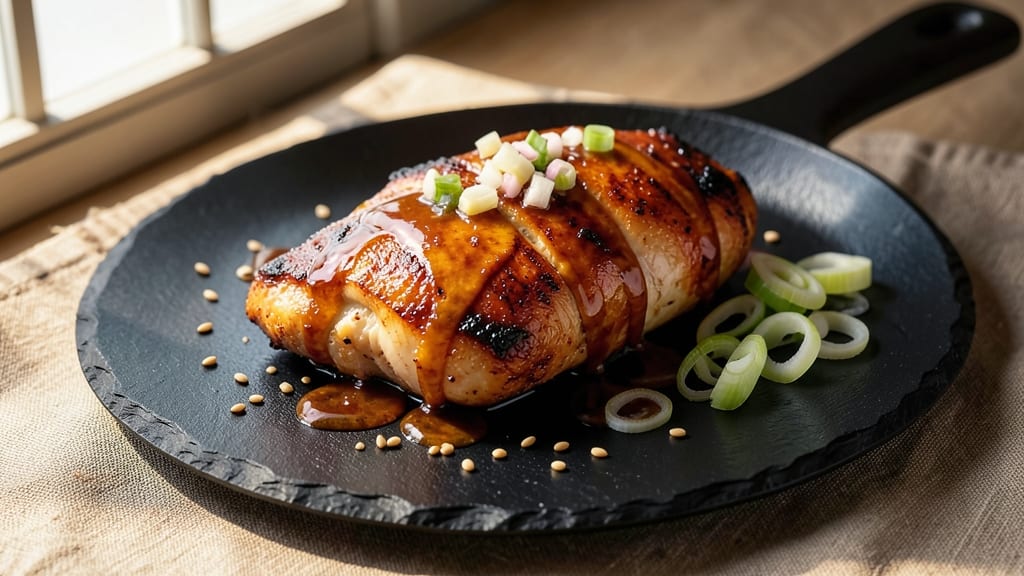
This Japanese teriyaki chicken marinade transforms ordinary chicken into restaurant-quality bites with its deep umami flavor and sticky-sweet glaze. The secret lies in balancing soy sauce, mirin, and sugar to create a marinade that tenderizes while building complex layers of flavor.
I developed this recipe after years of experimenting with store-bought versions that always fell short—this one delivers authentic taste with precise measurements and a foolproof method.
The marinade works equally well for grilled, baked, or pan-seared chicken, making it incredibly versatile for weeknight dinners or weekend gatherings. What sets this apart is the 30-minute prep time that yields a sauce rich enough to double as a glaze, reducing to a glossy finish when cooked.
The combination of garlic, ginger, and sesame oil adds aromatic depth that elevates even the simplest chicken dish.
Once mixed, this marinade keeps in the refrigerator for up to 5 days, allowing you to prep ahead and save time on busy evenings. The chicken absorbs maximum flavor when marinated for at least 2 hours, though overnight results in even deeper penetration.
Whether you're serving it over rice, in lettuce wraps, or as skewers, the sticky-sweet glaze clings beautifully and caramelizes to perfection.
Perfect for meal prepping or last-minute cooking, this marinade transforms basic chicken into a standout centerpiece without requiring advanced techniques. The ingredients are simple but powerful—soy sauce, mirin, sugar, garlic, ginger, and sesame oil—each playing a crucial role in creating that signature teriyaki taste.
Let's get started on making this flavor-packed marinade!
Ingredients for japanese teriyaki chicken marinade
Nine essential ingredients transform ordinary chicken into restaurant-quality teriyaki bites with umami depth and caramelized glaze.
| Ingredient | Amount | Notes |
|---|---|---|
| Kosher Soy Sauce 🍶 | ½ cup | High-sodium preferred for depth |
| Dry Sherry 🍷 | ¼ cup | Substitute mirin if unavailable |
| Granulated Sugar 🍚 | ¼ cup | Light brown sugar for caramel notes |
| Fresh Garlic Cloves 🧄 | 4 cloves | Minced for aromatic punch |
| Fresh Ginger Root 🌿 | 2 tbsp | Grated, not powdered |
| Sesame Oil 🫒 | 1 tbsp | Toasted sesame preferred |
| Water 💧 | ¼ cup | Distilled for clarity |
| Diamond Crystal Kosher Salt 🧂 | ½ tsp | Adjusts seasoning balance |
| Toasted Sesame Seeds 🌾 | 1 tbsp | For garnish and texture |
The foundation lies in high-quality soy sauce—Kikkoman or Hondashi deliver authentic umami without artificial additives. Mirin (or dry sherry) prevents crystallization during cooking, so avoid sweetened substitutes. Fresh ginger and garlic must be minced finely—powdered versions lack the aromatic punch. Toasted sesame oil adds nutty depth, while light brown sugar creates subtle caramelization. For the best results, source ingredients from Asian specialty markets where freshness is prioritized, particularly for ginger and garlic which should be vibrant and firm.
No mirin? Dry sherry or rice wine works equally well, though flavor will differ slightly. Substitute honey or maple syrup for sugar at a 1:1 ratio, though texture may vary. Powdered ginger or garlic can be used in a pinch, but fresh is non-negotiable for authentic flavor. Sesame oil alternatives include peanut or avocado oil, though they lack the toasted aroma. For a lower-sodium version, reduce the soy sauce to 0.375 cup and add 0.125 cup water. The marinade's balance is delicate—taste as you go and adjust salt or sugar accordingly.
Store the marinade in an airtight glass container in the refrigerator for up to 5 days. For longer storage, freeze in ice cube trays for single-use portions. Once cooked, the glaze thickens further—reheat gently with a splash of water to restore consistency. Double the batch for meal prep; the extra marinade makes excellent dipping sauce or glaze for vegetables. Always discard unused marinade after contact with raw chicken to prevent cross-contamination.
Why You'll Love This Recipe
- Here’s what sold me: this marinade doubles as a glaze and a sauce for stir-fries. I’ll marinate chicken for dinner, then toss the leftovers into rice bowls the next day—zero extra effort, maximum flavor.
- Pantry Magic: I swear by this marinade because it uses what’s already in my cupboard—no specialty shopping required. Dry sherry and sugar hit the spot without breaking the bank, and the garlic-ginger combo? That’s the secret weapon I always have on hand.
- Sticky-Sweet Perfection: The moment the chicken hits the grill or skillet, that soy-sherry glaze caramelizes into something ridiculously good. The ginger adds a bright kick, while the sugar keeps it from being too heavy—like a hug in sauce form.
- Double-Duty Marinade: Here’s what sold me: this marinade doubles as a glaze and a sauce for stir-fries. I’ll marinate chicken for dinner, then toss the leftovers into rice bowls the next day—zero extra effort, maximum flavor.
Step-by-step instructions for Japanese teriyaki chicken marinade
A balanced blend of sweet, salty, and aromatic elements creates this restaurant-quality marinade.
Combine Wet Ingredients for Base Flavor
In a medium saucepan, combine the 0.5 cup kosher soy sauce, 0.25 cup dry sherry, and 0.25 cup granulated sugar. Bring to a gentle simmer over medium heat, stirring constantly until the sugar fully dissolves and the mixture thickens slightly. This process typically takes 3-4 minutes—watch for small bubbles forming at the edges and a slight reduction in volume.
The sugar will caramelize slightly, deepening the teriyaki's rich, glossy finish. If you notice any graininess, continue stirring until completely smooth. This foundational mixture carries all the umami and sweetness that define authentic teriyaki flavor.
Incorporate Aromatics and Sesame Oil
Reduce heat to low and add the 4 minced fresh garlic cloves and 2 tablespoons fresh ginger root. Stir continuously for 1-2 minutes until the garlic becomes fragrant and the ginger softens slightly. Remove from heat and let cool for 5 minutes—this prevents the sesame oil from breaking when added.
With the mixture still warm, whisk in the 1 tablespoon sesame oil and 0.25 cup water. The oil adds nutty depth while the water balances the viscosity. Stir well to emulsify—you should achieve a smooth, pourable consistency. If the mixture separates, gently reheat for 30 seconds while stirring constantly.
Season and Rest for Maximum Flavor
Return the saucepan to low heat and add the 0.5 teaspoon diamond crystal kosher salt. Taste the marinade—it should balance sweet, salty, and aromatic notes. If needed, adjust with additional sugar or salt, but proceed with caution as the flavors will meld further during resting.
Transfer the marinade to a bowl and let it cool to room temperature. Cover and refrigerate for at least 2 hours (or up to 24 hours) before using. This resting period allows the flavors to fully develop and the sugar to caramelize further, creating a more complex, restaurant-quality glaze.
Prepare for Use with Toasted Sesame Seeds
When ready to use, stir in the 1 tablespoon toasted sesame seeds just before applying to chicken. These seeds add textural contrast and a final nutty aroma. For best results, use the marinade on chicken pieces that have been patted completely dry—this ensures maximum adhesion and caramelization.
The marinade should coat chicken thoroughly when brushed on. For optimal flavor, marinate for at least 1 hour before cooking, or use as a glaze during the last 5-10 minutes of grilling or baking. The residual sugar will create a beautiful caramelized crust while keeping the meat juicy.
Pro Tips For Making Japanese Teriyaki Chicken Marinade
- Mince Ginger Like a Pro: Use a microplane instead of grating—it releases more oils and aroma without watering down your marinade. I learned this the hard way after my first batch tasted dull because I used a box grater and ended up with a soggy pulp.
- Simmer the Marinade: Reduce it by half over medium heat before using—this concentrates the flavors and thickens the sauce so it doesn’t turn into a glaze too quickly. Skip this, and you’ll end up with a sad, runny mess on your chicken.
- Peel and Smash Garlic: Leave the skins on, crush the cloves with the flat side of your knife, and let them sit in the marinade for 10 minutes before cooking. This softens them and infuses the oil without overpowering the sherry’s brightness.
- Whisk in Sugar Last: Add the granulated sugar after the sherry and soy sauce have simmered for 2 minutes—this prevents it from burning and lets the alcohol cook off first. I was skeptical until I tried it; now it’s non-negotiable.
Best sauces and condiments for this recipe
Umami Boosters
Elevate your teriyaki marinade with 1 tablespoon of fish sauce (like Red Boat) for an extra umami punch—this is a common professional trick in Japanese cuisine. The fish sauce adds depth without altering the sweet-salty balance.
For a vegetarian option, substitute with 1 tablespoon of coconut aminos—it mimics soy sauce's profile while adding subtle tropical notes. 🌊
Sweet Variations
Adjust the sweetness to your preference: swap granulated sugar for honey (1:1 ratio) for floral undertones, or use maple syrup for a caramel-forward glaze. For a spicy kick, add 1 teaspoon of gochujang (Korean chili paste) or ½ teaspoon of sriracha—this pairs beautifully with the nutty sesame.
The heat cuts through the richness while adding complexity.
Glaze Enhancers
For a thicker glaze, reduce the marinade by 30% on the stovetop after marinating the chicken. Simmer uncovered over medium-low heat for 5-7 minutes, stirring frequently, until syrupy.
For a lighter finish, add 1 tablespoon of rice vinegar to the marinade—this brightens the flavor and prevents overpowering sweetness. Both methods work equally well for grilled or baked chicken.
Dipping Sauce Adaptation
Turn leftover marinade into a dipping sauce by thinning it with 2 tablespoons of water and adding 1 teaspoon of grated ginger and ½ teaspoon of toasted sesame oil.
Serve warm with steamed rice or fresh spring rolls—the extra ginger adds a fresh, zesty contrast to the sticky-sweet glaze. This is my go-to for quick weeknight meals when I don’t want to cook extra.
Vegetarian Protein Swaps
This marinade works beautifully on tofu, mushrooms, or eggplant—just increase marinating time to 4-6 hours for maximum flavor absorption. For tofu, use extra-firm blocks cut into cubes and marinate in a sealed container to prevent drying.
The umami profile shines especially well with shiitake mushrooms, where the earthy notes complement the teriyaki’s sweetness. 🍄
Storage and Reuse Tips
After marinating chicken, save any leftover marinade in an airtight glass jar in the fridge for up to 3 days. Use it as a quick glaze for vegetables (like bell peppers or broccoli) or as a drizzle over ramen noodles—the residual sugar caramelizes beautifully when cooked.
For longer storage, freeze portions in ice cube trays and transfer to a bag for single-use convenience. Thaw overnight in the fridge before reheating gently. 🧊
Nutrition facts
Frequently asked questions
Can I use this marinade on other proteins besides chicken?
The same marinade works beautifully on tofu, shrimp, or even salmon. For tofu, marinate for 4-6 hours to maximize flavor absorption, while seafood benefits from just 30-60 minutes to prevent overcooking. The umami balance shines especially well with shiitake mushrooms or eggplant for vegetarian options.
How long can I store leftover marinade?
Unused marinade keeps in an airtight container in the fridge for 5 days. For longer storage, freeze in ice cube trays (thaw overnight in the fridge). After contact with raw chicken, discard unused portions to prevent cross-contamination. The flavor actually improves slightly after 24 hours of refrigeration as the sugar caramelizes further.
What's the best way to thicken this marinade for a glaze?
Simmer the marinade uncovered over medium-low heat for 5-7 minutes until reduced by 30%. Stir frequently to prevent burning. For extra shine, add 1 teaspoon of cornstarch mixed with 1 tablespoon water at the end. This creates a perfect sticky glaze for grilled or baked chicken.
Can I make this marinade ahead of time?
This marinade develops deeper flavor when made 1-2 days ahead. Store it in the fridge and let it come to room temperature before using. The sugar will caramelize further during storage, creating a more complex taste profile. Just stir well before applying to chicken.
Why does my teriyaki marinade look grainy?
Graininess usually means undissolved sugar. Heat the mixture longer over low heat while stirring constantly until smooth. If using honey or maple syrup, warm it slightly first to help dissolve completely. The marinade should be pourable but slightly syrupy when finished.