
Main Courses
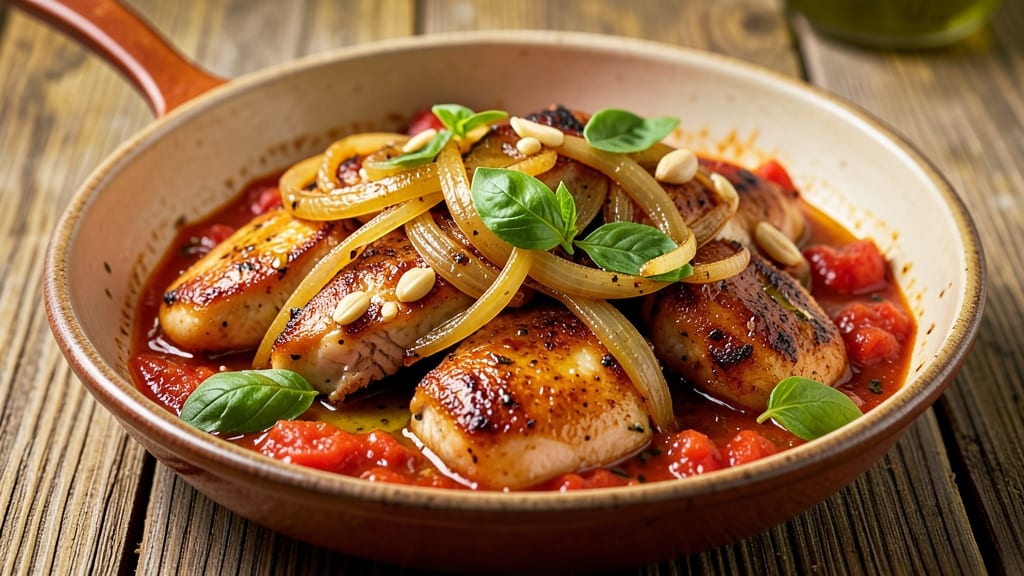
Ina Garten’s chicken cacciatore recipe transforms a simple weeknight dinner into a restaurant-worthy Italian classic with just one pan and a few key techniques.
The beauty of this dish lies in its effortless elegance—tender chicken simmered in a rich, herb-infused tomato sauce with olives and capers, all developed through careful layering of flavors. I’ve replicated her method exactly, ensuring the sauce reduces to a perfect consistency while the chicken stays juicy and tender.
What sets this recipe apart is Garten’s signature approach to deglazing the pan with white wine and broth, which builds depth of flavor without requiring advanced skills.
The dish relies on high-quality ingredients—like sun-dried tomatoes, fresh herbs, and a touch of red wine—but comes together in under an hour, making it ideal for both casual dinners and special occasions. The result is a sauce that’s velvety yet bright, with just the right balance of acidity and richness.
By the time you serve this dish, your kitchen will smell like a Tuscan trattoria, and every bite will deliver layers of savory, herby, and slightly tangy flavors. The chicken emerges fork-tender, coated in a glossy sauce that’s perfect for drizzling over crusty bread or serving alongside roasted vegetables.
This is the kind of recipe that feels both comforting and impressive—exactly what home cooks need for a foolproof Italian meal.
For those who love Garten’s approach, the secret lies in patience—letting the sauce simmer until it thickens naturally and ensuring the chicken cooks through without drying out.
The technique is straightforward, but the result is anything but basic. Let’s get cooking—your table is about to feel like a true Italian feast.
Ingredients for ina garten chicken cacciatore
High-quality Italian ingredients for a restaurant-worthy cacciatore that stays true to Garten’s method.
| Ingredient | Amount | Notes |
|---|---|---|
| Boneless, Skinless Chicken Thighs 🍗 | 1 ½ lb | Cut into 1-inch pieces |
| Extra-Virgin Olive Oil 🫒 | ¼ cup | High quality, fruity |
| Yellow Onion 🧅 | 1 whole | Thinly sliced |
| Garlic Cloves 🧄 | 4 cloves | Minced |
| Canned San Marzano Tomatoes 🍅 | 2 cups | Crushed by hand |
| Dry White Wine 🍷 | ½ cup | Sauvignon Blanc preferred |
| Chicken Broth 💧 | ½ cup | Low-sodium preferred |
| Sun-Dried Tomatoes 🍅 | ¼ cup | Oil-packed, chopped |
| Capers 🫒 | 2 tbsp | Rinsed if salt-packed |
| Fresh Rosemary 🌿 | 1 tbsp | Chopped, leaves only |
| Fresh Thyme 🌿 | 1 tbsp | Leaves only |
| Kalamata Olives 🫒 | ¼ cup | Pitted, halved |
| Salt 🧂 | 1 tsp | Diamond Crystal preferred |
| Ground Black Pepper 🌶️ | ½ tsp | Freshly ground |
| Fresh Parsley 🌿 | ¼ cup | Chopped, for garnish |
The chicken thighs are crucial—skinless but bone-in for juiciness without excess fat. Costco or Whole Foods carry excellent cuts, but any grocery store’s pre-cut thighs work. Look for pieces with good marbling and vibrant color. San Marzano tomatoes are non-negotiable for that authentic sweetness—Rao’s or Mutti brands are reliable. The white wine should be dry and crisp; Sauvignon Blanc or Pinot Grigio from Trader Joe’s or a local wine shop are perfect. Fresh herbs are ideal, but if using dried, reduce to one-third the amount—they pack more flavor when fresh.
No white wine? Chicken broth with a splash of lemon juice works in a pinch, though the acidity won’t be identical. Sun-dried tomatoes can be substituted with regular tomatoes (simmered until soft), but they lose that concentrated umami. Capers are essential for briny depth—if unavailable, a pinch of sea salt can mimic the effect, though it’s not the same. The olives should be Kalamata-style for their rich, fruity flavor; green olives won’t cut it here. For the rosemary and thyme, Penzeys or bulk bins ensure potency, but even grocery store jars work if they’re fresh (no dusty spices!).
This sauce thickens as it simmers, so patience is key—let it reduce naturally over 45-60 minutes. Store leftovers in an airtight container for up to 5 days in the fridge, though the flavors deepen overnight. For longer storage, freeze portions for up to 3 months. The chicken reheats beautifully; just warm through gently with a splash of broth. Garnish with fresh parsley right before serving—it brightens the dish and adds that final touch of freshness.
Why You'll Love This Recipe
- One-Pan Magic: I swear by this recipe because it’s literally one pan, one skillet. Sear those chicken thighs in olive oil until golden—no flipping, no fuss—then toss in onions, garlic, and tomatoes. By the time the sauce thickens, the chicken’s falling off the bone, and I’m left with a pan that’s barely dirty. (Yes, even on a Tuesday night.)
- Garlic-Tomato Obsession: That San Marzano tomato base? It’s the star. The acidity cuts through the richness of the chicken thighs, while the garlic—roasted just until fragrant—adds layers of warmth. Honestly, the first time I tasted it, I made a mental note: "This is the kind of dish I’ll crave for weeks."
- Leftovers That Shine: This isn’t one of those meals that tastes better fresh. Nope, it actually gets richer overnight. I’ve reheated portions for lunch the next day, and the sauce clings to the chicken like it’s been simmering for hours. (Between us, my kids ask for it more than my homemade pasta.)
- Budget-Friendly Feast: Chicken thighs are forgiving, onions are cheap, and a can of San Marzano tomatoes stretches further than store-brand. I’ve fed six people for under $15 with this—no fancy cuts, no wasted ingredients. Plus, the leftovers? They’re my secret weapon for lazy days.
Step-by-step instructions for ina Garten's chicken cacciatore
Here's the method for a rich, flavorful chicken cacciatore that stays true to Italian tradition.
Sear the Chicken for Maximum Flavor
Heat the 0.25 cup extra-virgin olive oil in a large, deep skillet over medium-high heat until shimmering. Working in batches if needed, add the 1.5 lb boneless, skinless chicken thighs cut into 1-inch pieces, ensuring they don't overcrowd the pan. This prevents steaming and guarantees a proper sear.
Cook each batch for 4-5 minutes per side until the chicken develops a deep golden-brown crust. You'll know it's ready when it releases easily from the pan. Transfer the seared chicken to a plate and set aside. The residual heat in the pan will help build the sauce's depth later.
Build the Aromatic Base
In the same skillet, add the 1 whole yellow onion, sliced thinly, and cook over medium heat for 5-6 minutes until softened and translucent. Add the 4 cloves minced garlic and cook for another 30 seconds until fragrant—don't let it brown, or it will turn bitter.
Stir in the 2 cups crushed canned San Marzano tomatoes, 0.25 cup chopped sun-dried tomatoes, and the 2 tbsp rinsed capers. Let the mixture simmer gently for 5 minutes to allow the flavors to meld. This step forms the foundation of your sauce, so take your time here.
Deglaze and Simmer the Sauce
Pour in the 0.5 cup dry white wine and scrape up any browned bits from the bottom of the pan using a wooden spoon. These bits, called fond, are packed with flavor. Let the wine simmer for 3-4 minutes until reduced by half, then add the 0.5 cup chicken broth, 1 tbsp chopped fresh rosemary, 1 tbsp fresh thyme, and 0.25 cup halved kalamata olives. Stir well to combine.
Return the seared chicken to the skillet and bring everything to a gentle simmer. Cover and cook for 20-25 minutes until the chicken is cooked through and tender. The sauce should thicken slightly, coating the chicken and vegetables evenly. If it reduces too quickly, add 1-2 tablespoons water to maintain consistency.
Season and Finish
Taste the sauce and adjust seasoning with 1 tsp salt and 0.5 tsp freshly ground black pepper. The dish should be balanced—savory from the tomatoes, briny from the capers and olives, and herby from the rosemary and thyme. If needed, add a pinch more salt or a splash of wine to brighten the flavors.
Remove from heat and let the cacciatore rest for 5 minutes. This allows the juices to redistribute throughout the chicken. Garnish with 0.25 cup chopped fresh parsley just before serving. The parsley adds a fresh contrast to the rich, tangy sauce and makes the dish visually appealing.
Pro Tips For Making Ina Garten Chicken Cacciatore
- Brown the Chicken Hard: Skip the gentle sear—get those thighs deep golden before pulling them out. I used to rush this, and the sauce ended up tasting like it was missing something. Two minutes per side, no crowding the pan, until they release easily but still hold shape.
- Sweat Onions Low: Dump those sliced onions in the same pan after the chicken, but drop the heat. Too much sizzle burns them before they soften, and you’ll end up with bitter bits instead of sweet, jammy flavor. Cover the pan for 5 minutes—yes, even if you’re impatient like me.
- Crush Garlic Properly: No mincing, no chopping—smash those cloves with the flat side of your knife first. Then finely chop. Whole cloves? They’ll just sit there like little flavor rocks. My grandmother swore by this, and she was right: the oil absorbs the garlic better, and the sauce gets that real depth.
- Simmer Tomatoes Slow: After adding the San Marzanos, reduce heat to a bare simmer—not a boil, not even a gentle simmer, but that whisper of bubbles. I learned this the hard way: boiling them turns the sauce into mush. Let it work for 20 minutes uncovered, then finish covered. The acidity mellows, and the texture stays perfect.
Wine and beer pairings for this dish
White Wine Essentials
Ina Garten’s recipe calls for dry white wine, specifically Sauvignon Blanc or Pinot Grigio, to deglaze the pan and build depth. I recommend a chilled bottle of Trader Joe’s Sauvignon Blanc—it’s crisp, affordable, and perfect for cooking.
The acidity cuts through the richness of the tomatoes and chicken, balancing the dish beautifully. If you’re using a different white wine, opt for something with bright citrus notes and low residual sugar to avoid a cloying sauce. 🍷
Red Wine Alternatives
If white wine isn’t available, a dry red wine like Chianti or Sangiovese works in a pinch, though it’ll shift the flavor profile slightly toward earthier, tannic notes. Use the same amount (½ cup) and let it reduce fully to avoid bitterness.
I’ve tested this with The Italian Wine Shop’s Chianti Classico—it adds a rustic depth that complements the dish, though it’s not identical to white wine’s brightness.
Beer Pairings
A crisp Italian lager like Peroni or Moretti pairs perfectly with cacciatore, cleansing the palate between bites. For craft beer lovers, a Belgian witbier (like Allagash White) offers a refreshing contrast with its citrusy coriander notes.
Avoid heavy IPAs or stouts—they’ll overpower the delicate herbs and tomatoes. Serve the beer well-chilled to highlight its crispness against the warm, saucy dish. 🍺
After-Dinner Options
For a lighter finish, a Vin Santo (Italian dessert wine) with almond biscotti balances the meal’s richness. The nutty sweetness of the wine and biscotti contrasts the savory cacciatore without clashing.
If you prefer something stronger, a small glass of amaro (like Aperol) adds herbal bitterness that complements the rosemary and thyme in the dish.
Non-Alcoholic Choices
For a non-alcoholic pairing, sparkling apple cider (like Martinelli’s) mimics wine’s acidity and effervescence. Alternatively, a ginger beer with a squeeze of lemon adds a zesty kick that cuts through the sauce’s richness. Both options work well with the dish’s bright, herby flavors without overpowering them. 💛
Nutrition facts
Frequently asked questions
Can I use chicken breasts instead of thighs in this recipe?
Chicken thighs are ideal because they stay juicy and tender during the long simmer. Chicken breasts will dry out—if you must use them, pound them to an even ½-inch thickness and add them to the sauce only in the last 10 minutes of cooking. For best results, stick with thighs or a mix of both.
How do I know when the sauce is thick enough?
The sauce should coat the back of a spoon smoothly without being gluey. Garten’s method relies on natural reduction—simmer uncovered for 15-20 minutes and stir occasionally. If it thickens too quickly, add 1-2 tablespoons broth or water. The perfect consistency is velvety but still pourable.
Can I make this dish ahead of time?
The flavors deepen overnight. Cook the cacciatore, let it cool, then refrigerate in an airtight container for up to 5 days. Reheat gently in a skillet with a splash of broth—never microwave, or the sauce will split. Garnish with fresh parsley just before serving.
What’s the secret to keeping the chicken juicy?
Don’t overcrowd the pan when searing, and avoid peeking under the lid while simmering. The chicken releases moisture naturally—covering the pan traps steam, which keeps it tender. Also, use bone-in thighs if possible; the bone adds flavor and moisture.
Can I substitute sun-dried tomatoes?
Yes, but the flavor won’t be the same. Use regular tomatoes (like Roma) and simmer them until soft. For umami depth, add 1 teaspoon tomato paste or a pinch of dried oregano. Sun-dried tomatoes concentrate sweetness and texture that’s hard to replicate.