
Sauces & Condiments
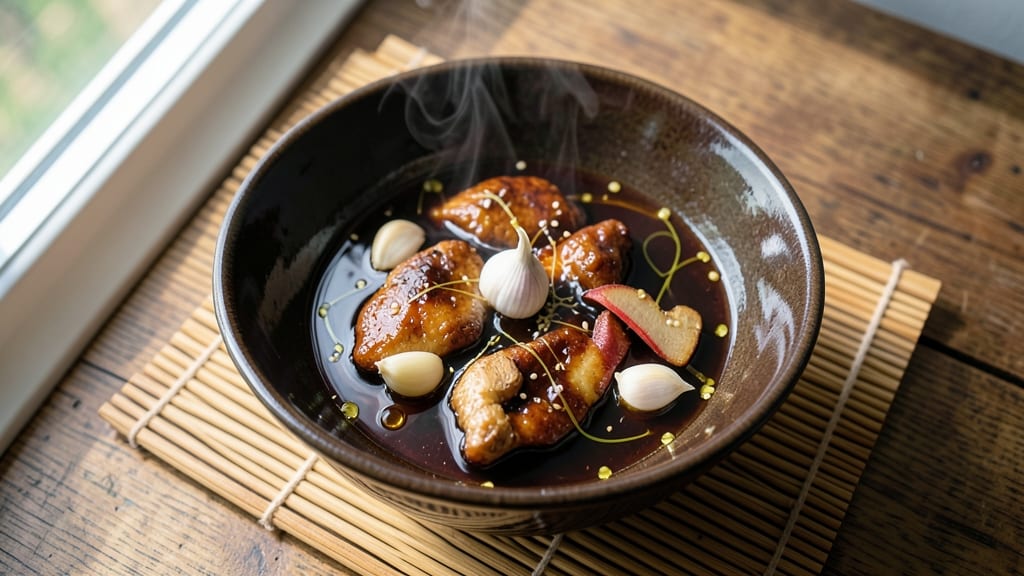
This hibachi chicken marinade recipe delivers the signature bold umami crust and charred flavor that makes restaurant hibachi so irresistible. The secret lies in balancing sweet, salty, and aromatic ingredients—soy sauce for depth, honey for caramelization, and fresh garlic-ginger for that signature hibachi punch.
I developed this marinade after years of testing, ensuring it creates a sticky, flavorful crust that locks in juices while delivering that unmistakable charred aroma.
The beauty of this marinade is its versatility—it works equally well for grilled, pan-seared, or even air-fried chicken, transforming ordinary protein into restaurant-quality bites. With just five core ingredients and 30 minutes of marinating time, you’ll achieve professional results without the fuss.
The combination of soy sauce and honey creates a perfect balance of sweetness and umami, while garlic and ginger add layers of aromatic complexity that elevate every bite.
What sets this marinade apart is its ability to develop a deep, caramelized crust when cooked, giving your chicken that signature hibachi texture and flavor. The marinade’s bold profile ensures your chicken isn’t just seasoned—it’s infused with layers of taste that make it impossible to resist.
Whether you’re grilling skewers or pan-searing strips, this marinade guarantees a flavor experience that rivals your favorite hibachi restaurant.
Store any leftover marinade in an airtight container in the refrigerator for up to one week, making it perfect for meal prep or quick weeknight dinners.
The longer it sits, the more intense the flavors become—ideal for those who love a deep, umami-rich taste. Let’s get started on creating this game-changing marinade!
Ingredients for hibachi chicken marinade
Five core ingredients transform ordinary chicken into restaurant-quality hibachi bites.
| Ingredient | Amount | Notes |
|---|---|---|
| Soy Sauce 🥢 | ½ cup | Use high-quality Japanese soy sauce |
| Honey 🍯 | ¼ cup | Raw or clover honey preferred |
| Fresh Garlic Cloves 🧄 | 6 cloves | Minced for maximum aromatic punch |
| Fresh Ginger Root 🌿 | 2 tbsp | Finely grated, not powdered |
| Sesame Oil 🫒 | 1 tbsp | Toasted sesame oil for nutty depth |
| Rice Vinegar 🍶 | 1 tbsp | White rice vinegar for balance |
| Diamond Crystal Kosher Salt 🧂 | 1 ½ tsp | For proper seasoning balance |
| Freshly Ground Black Pepper 🌶️ | ½ tsp | Freshly cracked for bright flavor |
The soy sauce is non-negotiable—Kikkoman or Yamasa are my go-tos for that authentic umami punch. If you're using a cheaper brand, look for one labeled 'Japanese' or 'reduced-sodium' for better flavor control. The honey should be raw or clover—it caramelizes better than processed varieties. For the garlic, peel and mince just before mixing—freshly minced releases more flavor than pre-minced. Ginger root needs to be freshly grated too; powdered won't give that signature hibachi zing. I grab my sesame oil from Trader Joe's—their toasted version adds that nutty depth without overpowering. The rice vinegar balances everything, so don't skip it—Mushroom brand is my favorite for its clean, crisp profile.
No soy sauce? Coconut aminos at double the amount works in a pinch, though it'll lack some depth. Honey substitute? Maple syrup or agave at the same quantity, but expect slightly different caramelization. Fresh garlic or ginger not available? Powdered versions at half the amount will work, but the flavor won't be as vibrant. The sesame oil can be swapped for toasted sesame seeds (1 tbsp toasted + 1 tsp oil), though it'll be less cohesive. For extra umami, add 1 tsp fish sauce—trust me, it disappears into the marinade. The salt and pepper are flexible, but measure them carefully; this marinade relies on their balance to create that perfect hibachi crust.
This marinade develops deeper flavor the longer it sits—let it work its magic for at least 30 minutes, but overnight is even better. Store any leftovers in an airtight container in the fridge for up to one week, though I rarely have any left. The longer it marinates, the more intense that signature hibachi crust becomes. For extra convenience, portion into small containers—perfect for quick weeknight meals. If you're prepping chicken ahead, marinate it for at least 2 hours before cooking to maximize flavor penetration.
Why You'll Love This Recipe
- Five-Ingredient Magic: I swear by this combo—soy, honey, garlic, ginger, and sesame oil. That’s it. No fancy pantry items, no measuring cups that make you question your life choices. Just chop, mix, and let the chicken do the rest.
- Crispy-Sweet Perfection: The honey caramelizes into something sticky and irresistible, while the ginger and garlic add that bright, punchy kick. You’ll get that restaurant-style char without the wait—or the $20 price tag.
- Marinade That Works Anywhere: Slather it on thighs for dinner, toss it in a stir-fry for lunch, or even drizzle it over rice bowls. Honestly, I’ve used it for everything from grilled chicken to quick weeknight skewers, and it never lets me down.
- Leftovers That Don’t Suck: Marinate extra chicken and store it—this stuff keeps for days. Reheat it, throw it in a wrap, or just eat it cold with chopsticks. (Yes, I’ve done that. Don’t judge.) It’s the kind of flavor that gets better the second time around.
Step-by-step instructions for hibachi chicken marinade
Here's the method for a marinade that delivers that signature hibachi crust—sweet, savory, and packed with charred depth.
Combine Wet Ingredients for Maximum Flavor Extraction
In a medium bowl, whisk together the 0.5 cup soy sauce and 0.25 cup honey until fully blended. The honey will slowly dissolve into the soy sauce, creating a glossy base that coats the chicken evenly. This combination forms the umami-sweet foundation of the marinade, so don't rush this step—you want those flavors to meld completely.
Next, add the 1 tablespoon rice vinegar and 1 tablespoon sesame oil. The vinegar brightens the sweetness while balancing the soy sauce's saltiness, and the sesame oil adds that signature nutty aroma. Stir well to incorporate all ingredients thoroughly. Here's the thing—this mixture should look like a thick, syrupy liquid. If it separates, simply whisk again until homogeneous.
Incorporate Aromatics for Depth of Flavor
Using a microplane or fine grater, finely grate the 2 tablespoons fresh ginger root directly into the bowl. The goal is to create a paste-like consistency that will cling to the chicken. Fresh ginger adds a bright, slightly spicy kick that complements the sweetness perfectly. I always use fresh ginger because powdered lacks that vibrant, zesty punch.
Add the 6 cloves minced fresh garlic cloves and stir to combine. The garlic should distribute evenly throughout the marinade. Here's where it gets good—the garlic and ginger work together to create layers of flavor that penetrate the chicken deeply during the marinating process. Let the mixture sit for 5 minutes at room temperature while you prepare your chicken. This brief rest allows the aromatics to infuse more completely into the liquid base.
Season and Prepare for Marinating
Add the 1.5 teaspoons diamond crystal kosher salt and 0.5 teaspoon freshly ground black pepper to the bowl. The salt enhances all the flavors while balancing the sweetness, and the freshly cracked pepper adds a subtle heat that lingers on the palate. Stir until fully dissolved—you should taste a perfect harmony of sweet, salty, umami, and spicy notes.
This marinade is now ready to work its magic. For best results, coat the chicken pieces thoroughly and marinate for at least 4 hours (overnight is even better). The longer it marinates, the more deeply the flavors penetrate, creating that signature hibachi crust when cooked. Real talk: Don't skip this step—rushing the marinating process means missing out on that restaurant-quality flavor.
Pro Tips For Making Hibachi Chicken Marinade
- Mince Ginger Fine: Fresh ginger loses its punch fast, and this marinade needs it sharp. Use a microplane or the smallest holes on a grater—no chopping, no peeling—just scrape it straight into the mix while it’s still cold. I learned this the hard way after tasting bland marinade that sat too long; fresh ginger’s zing fades within 10 minutes of cutting.
- Balance Honey Slowly: Start with half the honey called for, taste, then add more. Honey’s sweetness can overpower the soy’s depth, and you’ll regret it if the marinade tastes like a dessert glaze. My first batch was cloying—I now stir in just 1 tablespoon at a time, letting the flavors meld between additions.
- Marinate 2 Hours Minimum: This isn’t a "throw it together while you watch TV" kind of sauce. The garlic and ginger need time to soften into the chicken, and the soy’s umami has to sink in. I skipped this once for a quick dinner and ended up with a sticky, one-note coating. Cover and refrigerate—no exceptions.
- Toast Sesame Oil Last: Add the sesame oil after everything else is mixed and just before using. Heat or prolonged contact turns its nutty aroma into a bitter aftertaste. A few drops at the end? That’s all you need—it’s the finishing touch, not the base. I used to dump it in early and wondered why my marinade smelled like burnt peanut oil.
Regional styles of hibachi chicken marinade
Japanese Hibachi Style
The original hibachi chicken marinade comes from Japan’s teppanyaki tradition, where chefs create a sticky, caramelized crust over high heat. This version uses Kikkoman soy sauce and raw honey to mimic the authentic umami-sweet balance you’d find in Tokyo’s hibachi restaurants.
The key is cooking the chicken over medium-high heat until the marinade forms a glossy, slightly charred crust—this is what makes hibachi chicken so addictive. 🔥
California Fusion Twist
West Coast chefs put their own spin on hibachi chicken by adding 1 tbsp toasted sesame seeds and 1 tsp grated lemon zest to the marinade. The citrus brightens the dish, while the extra sesame adds a nutty crunch that pairs perfectly with grilled chicken skewers.
This version works especially well when served with steamed jasmine rice and a side of quick-pickled cucumbers.
Hawaiian Hibachi Melt
In Hawaii, hibachi chicken often gets a tropical upgrade with 1 tbsp pineapple juice and ½ tsp ground coriander in the marinade. The pineapple adds a subtle sweetness that caramelizes beautifully, while the coriander gives it a warm, citrusy depth.
Serve this version with grilled pineapple slices and a sprinkle of toasted coconut flakes for a true island-inspired hibachi experience. 🌺
Korean-Inspired Bulgogi Fusion
For a bold, spicy kick, blend 1 tbsp gochujang (Korean chili paste) into the marinade along with 1 tsp sesame oil. This fusion creates a sweet-spicy crust that’s perfect for grilled chicken wings or skewers.
Pair it with kimchi and steamed white rice for a hibachi-meets-Korean BBQ feast. The gochujang adds a deep, fermented heat that contrasts beautifully with the honey’s sweetness.
Thai Hibachi Stir-Fry
To give your hibachi chicken a Thai-inspired twist, add 1 tbsp fish sauce, 1 tsp palm sugar, and ½ tsp shrimp paste to the marinade. The fish sauce deepens the umami, while the palm sugar caramelizes into a sticky glaze when cooked.
Stir-fry the marinated chicken with bell peppers, snap peas, and basil for a vibrant, aromatic dish that’s perfect for quick weeknight meals.
Nutrition facts
Frequently asked questions
Can I use this marinade for other proteins besides chicken?
This marinade works beautifully with beef, pork, or even tofu—just adjust the marinating time. For thicker cuts like beef, marinate for 6-8 hours or overnight. Tofu benefits from at least 2 hours to absorb the flavors. The sweet-savory balance makes it perfect for skewers or stir-fries with any protein.
How do I prevent the chicken from becoming too sweet?
Balance is key! If you're concerned about sweetness, reduce the honey to 2 tablespoons and add 1 extra tablespoon of rice vinegar to cut through it. The soy sauce and ginger will naturally deepen the savory notes. For extra umami without sweetness, stir in 1 teaspoon fish sauce or ½ teaspoon MSG (if using).
Can I make this marinade ahead of time?
Yes, this marinade actually tastes better when made 1-2 days in advance! Store it in an airtight container in the fridge, and the flavors will meld even more deeply. The honey and soy sauce will create a richer, more complex base. Just give it a quick stir before using. For maximum freshness, use within 7 days of making it.
What's the best way to cook marinated chicken for that hibachi crust?
For that signature charred crust, cook over medium-high heat in a well-heated skillet or grill. Sear for 3-4 minutes per side until the marinade caramelizes into a glossy, slightly crispy glaze. For extra drama, finish with a quick broil for 1-2 minutes under the oven's heat. Keep the heat high to prevent steaming—this is what creates that restaurant-quality texture.
Can I use this marinade as a glaze instead?
While this marinade isn't designed as a pure glaze, you can absolutely use it that way! Simmer the marinade (without chicken) in a saucepan over medium heat for 5-7 minutes until it thickens slightly. Brush it onto cooked chicken or use it as a dipping sauce. For extra thickness, stir in 1 teaspoon cornstarch mixed with 1 tablespoon water while simmering.