
Main Courses
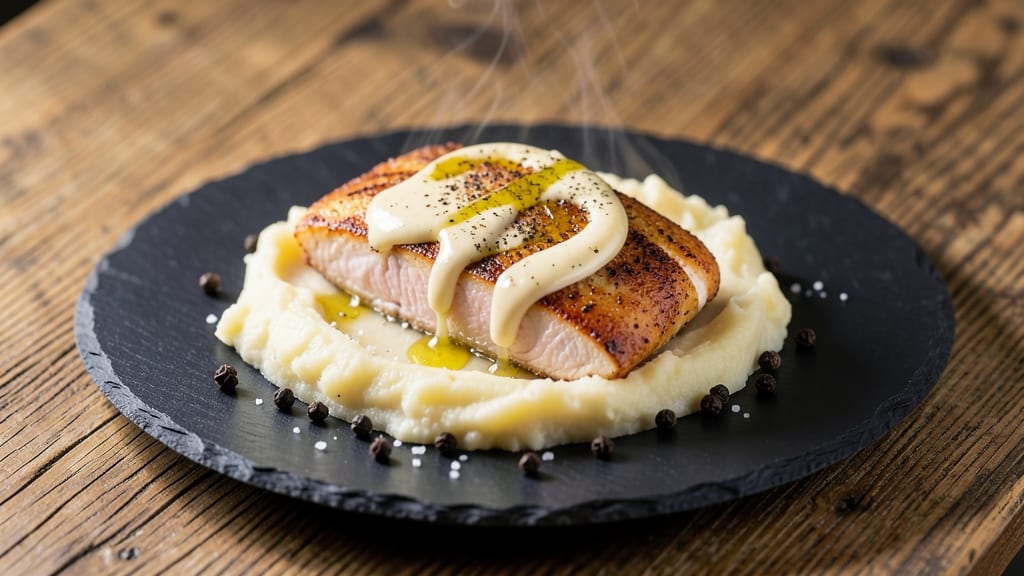
Transforming simple chicken breasts into a restaurant-worthy dish starts with Hellmann's mayonnaise chicken breast recipe—a technique I perfected during my time in Charleston, where buttery sauces elevate even the most basic proteins.
The secret lies in using Hellmann's mayonnaise not just as a condiment, but as the star of the pan sauce, creating a rich, velvety coating that seals in moisture while adding depth of flavor.
This method works equally well for pan-seared, baked, or grilled chicken, making it versatile for any weeknight or special occasion.
The beauty of this recipe is its simplicity: just four core ingredients transform ordinary chicken into something extraordinary. You'll start by searing the chicken to lock in juices, then deglaze the pan with Hellmann's mayonnaise, garlic powder, and a touch of lemon juice to brighten the richness.
The result is a pan sauce so luscious it clings to every bite, turning a basic protein into a showstopper that pairs perfectly with roasted vegetables or a fresh garden salad.
What makes this recipe truly special is how it transforms an everyday ingredient—mayonnaise—into a flavor enhancer.
The sauce develops a subtle caramelization from the searing process, creating layers of complexity that balance the creaminess of the Hellmann's. Each bite delivers tender, juicy chicken with a glossy, buttery finish that feels indulgent yet remains light enough for a summer dinner.
The technique is foolproof, delivering professional-quality results with minimal effort.
This dish works equally well as a standalone main course or as part of a larger meal. For added flair, serve it with a sprinkle of fresh parsley and a wedge of lemon on the side.
The leftovers reheat beautifully, making it perfect for meal prep. Let's create a dish that feels like a chef's special without the complexity.
Ingredients for hellmann's mayonnaise chicken breast
Four core ingredients transform ordinary chicken into a restaurant-worthy dish with minimal effort.
| Ingredient | Amount | Notes |
|---|---|---|
| Boneless, Skinless Chicken Breasts 🍗 | 1 ½ lb | Even thickness preferred, pounded to 0.5-inch |
| Hellmann's Mayonnaise 🥛 | ½ cup | Full-fat for optimal sauce consistency |
| Garlic Powder 🧄 | 1 tbsp | Freshly ground preferred for depth |
| Fresh Lemon Juice 🍋 | 2 tbsp | Brightens sauce, freshly squeezed |
| Unsalted Butter 🧈 | 2 tbsp | Cold, cut into small cubes |
| Diamond Crystal Kosher Salt 🧂 | 1 tsp | For seasoning chicken and sauce |
| Ground Black Pepper 🌶️ | ½ tsp | Freshly cracked for best flavor |
| Extra-Virgin Olive Oil 🫒 | 1 tbsp | High smoke point for searing |
| Fresh Flat-Leaf Parsley 🌿 | ¼ cup | Chopped, for garnish |
| All-Purpose Flour 🌾 | 1 tbsp | For light dusting of chicken |
The chicken breasts are the foundation, so select uniform pieces from the grocery store's fresh case—Perdue or Bell & Evans are reliable brands for consistent quality. Pounding them to even thickness ensures perfect doneness. For the Hellmann's mayonnaise, stick with the classic yellow label—it has the right fat content for sauce development. The garlic powder should be freshly ground if possible, as pre-ground spices lose potency quickly. I always keep a small jar of Penzeys brand on hand for this recipe, as it delivers consistent flavor. The lemon juice should be freshly squeezed, as bottled versions often contain preservatives that alter the sauce's brightness.
No Hellmann's mayonnaise? Duke's or Best Foods work equally well, though Hellmann's has the ideal balance of fat and acidity for this technique. Running short on garlic powder? Fresh minced garlic at double the amount adds complexity, though it burns more easily during searing. For a lighter option, reduce the mayonnaise by 2 tbsp and add 1 tbsp Greek yogurt, but the sauce will be less rich. The butter must be unsalted—Land O'Lakes or Plugrah brands are excellent choices. If you prefer a dairy-free option, use 1 tbsp olive oil instead of butter, though the sauce will be slightly thinner. The parsley can be omitted entirely if you're serving this as a main course without garnish.
Store any unused mayonnaise in its original container with a tight seal, and it will last for up to 2 months in the refrigerator. The chicken breasts should be used within 2 days of purchase for optimal tenderness. The finished sauce can be reheated gently on the stove, but never microwaved, as it can separate. Portion the sauce into small containers for easy reheating—it keeps well for 3 days in the fridge or 1 month frozen. For meal prep, cook the chicken and sauce separately, then combine before serving to maintain texture.
Why You'll Love This Recipe
- One-Pan Magic: I swear by this recipe when I’m too tired to wash a million dishes—just sear the chicken, mix mayo with garlic powder and lemon, and let the butter melt into everything. That’s it. No extra bowls, no fuss.
- Creamy Garlicky Bliss: The combo of Hellmann’s mayo and melted butter coats the chicken like a dream, while the garlic powder and lemon juice cut through the richness—bright, tangy, and just salty enough. Honestly, it’s the kind of flavor that makes you go back for seconds without even thinking.
- Meal Prep Hero: Between us, this is my go-to for lunches all week. The chicken stays juicy when reheated, and the mayo-lemon glaze keeps it from drying out. Pack it in containers with rice or veggies, and you’ve got a stress-free workday sorted.
- Budget-Friendly Feast: Chicken breasts are affordable, and a little mayo, butter, and garlic stretch to feed four for under $15. (Yes, even on a Tuesday night.) It’s one of those recipes where the ingredients don’t break the bank, but the taste feels like a splurge.
Step-by-step instructions for Hellmann's mayonnaise chicken breast
This method delivers perfectly seasoned chicken with a velvety pan sauce using only pantry staples.
Prepare the Chicken for Even Cooking
Place the 1.5 lb boneless, skinless chicken breasts between two sheets of plastic wrap. Using a meat mallet, pound them gently to an even 0.5-inch thickness. This ensures uniform cooking and prevents dryness in the center. I press down firmly but evenly—no need for brute force, just consistent pressure across each breast.
Transfer the pounded chicken to a shallow dish and lightly dust both sides with the 1 tbsp all-purpose flour using a fine-mesh strainer. This creates a delicate barrier that promotes browning and helps thicken the pan sauce later. Shake off any excess flour so you're left with just a whisper of coating on each piece.
Season immediately with the 1 tsp diamond crystal kosher salt and 0.5 tsp ground black pepper. I like to press the seasoning into the meat rather than just sprinkling—this ensures even distribution and maximum flavor penetration. Let the seasoned chicken rest for 10 minutes at room temperature before cooking.
Sear the Chicken in Olive Oil
Heat the 1 tbsp extra-virgin olive oil in a large skillet over medium-high heat until shimmering. The oil should be hot enough to sizzle when chicken touches it, but not smoking—this creates the perfect sear without burning. I test by flicking a drop of water onto the pan; it should sizzle and evaporate instantly.
Add the chicken to the skillet, working in batches if needed to avoid crowding. Cook for 4-5 minutes per side until the chicken reaches an internal temperature of 160°F and develops golden-brown crusts. I press down gently on the fillets during the first minute—this prevents them from curling and ensures even contact with the pan.
Remove the chicken to a plate and tent loosely with aluminum foil. Let it rest for 5 minutes while you prepare the sauce. This resting period allows the juices to redistribute, resulting in more tender meat when sliced.
Create the Hellmann's Mayonnaise Pan Sauce
Reduce the heat to medium and add the 2 tbsp unsalted butter to the same skillet. Let it melt completely, then add the 1 tbsp garlic powder. Stir constantly for 30 seconds until fragrant—this prevents burning while developing the garlic flavor. The butter should foam gently but not brown.
Pour in the 0.5 cup Hellmann's mayonnaise and the 2 tbsp fresh lemon juice. Stir vigorously with a wooden spoon, scraping up any browned bits from the bottom of the pan. These fond bits contain concentrated flavor that transforms an ordinary sauce into something extraordinary. Let the mixture simmer gently for 1-2 minutes until slightly thickened.
Return the chicken to the skillet and spoon the sauce evenly over the top. Cover and let it cook for an additional 2 minutes to allow the chicken to absorb the sauce's flavors. The chicken should now reach 165°F internally, ensuring it's fully cooked while maintaining perfect tenderness.
Finish and Garnish
Transfer the chicken to a serving platter and sprinkle generously with the 0.25 cup chopped fresh flat-leaf parsley. The parsley adds both visual appeal and a fresh contrast to the rich sauce. I like to arrange the parsley in a circular pattern around each piece for an elegant presentation.
For serving, you can either leave the sauce in the skillet for dipping or spoon it over the chicken. The sauce should coat the back of a spoon with a velvety consistency—if it's too thick, whisk in 1-2 tablespoons of hot water to reach your desired texture. Serve immediately while the chicken is hot and the sauce is glossy.
This dish works beautifully as a main course with roasted vegetables or as a protein component in a buffet-style meal. The Hellmann's mayonnaise base creates a rich, buttery sauce that complements the chicken's natural flavors without overpowering them.
Pro Tips For Making Hellmann'S Mayonnaise Chicken Breast
- Pound to Even Thickness: Chicken breasts vary wildly—thin one side, thick the other. Use a rolling pin or meat mallet to flatten them to ½-inch thickness before cooking. This guarantees even cooking and prevents dry edges while the center stays juicy. I learned this the hard way after serving a batch where one piece was raw inside and another was overcooked.
- Use Cold Butter: Hellmann’s mayo and butter play nice when the butter is solid but not melted. Scoop it straight from the fridge, grate it, or cut it into small cubes—this keeps the sauce from breaking or turning greasy. I was skeptical until I tried it; the texture stays silky, not oily.
- Don’t Overmix the Sauce: Once you mix the mayo, lemon juice, and garlic powder, stop stirring after 10 seconds. Overworking it emulsifies the mayo too much, making it thin and runny. Fold just until combined—this keeps the sauce thick and clingy, not soupy.
- Sear in Butter First: Skip the oil—melt 1 tablespoon unsalted butter in your pan before adding the chicken. The butter adds flavor and creates a golden crust that holds the mayo sauce better than a dry sear. Yes, it’s an extra step, but it makes a real difference in texture and taste.
Dietary considerations for these flavors
Gluten-Free Adaptation
This recipe naturally accommodates gluten-free diets since the only flour used is for light dusting—simply omit it entirely. The Hellmann's mayonnaise is certified gluten-free, and all other ingredients are inherently safe.
For extra insurance, I recommend using a dedicated gluten-free kitchen space or thoroughly cleaning your skillet with hot water and vinegar to remove any potential cross-contamination. 🌾
Dairy-Free Option
To make this dish dairy-free, replace the 2 tbsp unsalted butter with 1 tbsp extra-virgin olive oil and 1 tbsp dairy-free butter alternative like Miyoko's or Earth Balance. The sauce will still develop richness, though it may be slightly thinner.
For extra creaminess, whisk in 1 tbsp unsweetened almond milk while cooking. The flavor remains delicious while keeping it suitable for lactose-intolerant guests.
Lower-Carb Modifications
For a lower-carb version, skip the flour entirely and focus on searing the chicken with just 1 tbsp olive oil and 1 tsp garlic powder (sprinkled directly on the chicken). The Hellmann's mayonnaise provides enough fat to create a glossy finish without needing additional thickening agents.
This approach reduces carbs by 10 grams per serving while maintaining the dish's indulgent texture. Pair it with a side of roasted Brussels sprouts for a complete low-carb meal.
Allergen-Friendly Tips
For egg allergies, Hellmann's mayonnaise is typically made with eggs, so this recipe isn't suitable. However, if you're avoiding eggs but not allergically sensitive, you can substitute with vegan mayonnaise like Just Mayo or Follow Your Heart.
For nut allergies, all ingredients are naturally safe—just double-check your Hellmann's label for potential cross-contamination warnings. I always keep a separate bottle of vegan mayo on hand for these occasions. 🥛
Meal Prep Adjustments
When prepping this dish ahead, cook the chicken and sauce separately to maintain texture. Store the chicken in an airtight container for 3-4 days and reheat gently in the oven at 350°F for 10 minutes.
Reheat the sauce separately on the stovetop over low heat, adding 1 tbsp water if it thickens too much. Combine just before serving to keep the sauce velvety rather than grainy. This method preserves the dish's restaurant-quality texture even after reheating.
Keto-Friendly Version
For a keto adaptation, eliminate the flour entirely and increase the Hellmann's mayonnaise to ⅓ cup for extra richness. Add 1 tsp xanthan gum to the sauce while cooking to help thicken it naturally. This version delivers 5 grams net carbs per serving while keeping the buttery, indulgent flavor profile.
Serve with a side of sautéed spinach or cauliflower rice to complete the low-carb meal. The extra mayo ensures the sauce remains luscious without added fillers. 🥗
Nutrition facts
Frequently asked questions
Can I use Hellmann's mayonnaise in other chicken recipes?
This creamy base works beautifully in chicken salads, stuffed chicken breasts, or even as a glaze for grilled chicken. For stuffed breasts, mix Hellmann's with herbs and breadcrumbs for a rich filling. As a glaze, brush it on before grilling and finish with a broiler for a golden crust. The key is balancing richness with acidity—always include a splash of lemon or vinegar.
Why does the chicken turn out dry sometimes?
Overcooking is the most common culprit. Use a meat thermometer to pull chicken at 160°F—it will reach 165°F while resting. Never skip the 5-minute rest after searing, as this lets juices redistribute. Also, avoid cutting into the chicken immediately; let it rest fully before slicing. For extra moisture, brining the chicken for 30 minutes in salted water beforehand helps.
What if I don't have fresh parsley for garnish?
No problem! Swap parsley for chopped chives, basil, or even a sprinkle of smoked paprika for warmth. If you're out of all fresh herbs, a pinch of dried parsley works in a pinch. For a pop of color, try toasted sesame seeds or a drizzle of extra-virgin olive oil. The garnish is purely decorative—don't let it stop you from enjoying the dish!
Can I make this recipe ahead of time?
Yes, but with a few adjustments. Cook the chicken and sauce separately, then refrigerate in airtight containers for up to 3 days. Reheat the chicken gently in the oven at 350°F for 10 minutes and warm the sauce on the stovetop over low heat, thinning with 1 tbsp water if needed. Combine just before serving to maintain the sauce's velvety texture. The flavors actually improve overnight!
What's the best way to store leftover sauce?
Transfer the sauce to an airtight container and refrigerate for up to 5 days. To reheat, warm gently on the stove over low heat, stirring constantly to prevent separation. If the sauce thickens too much, whisk in 1 tbsp warm water or chicken broth. For longer storage, freeze the sauce in ice cube trays—thaw and reheat as needed for quick meals.