
Main Courses
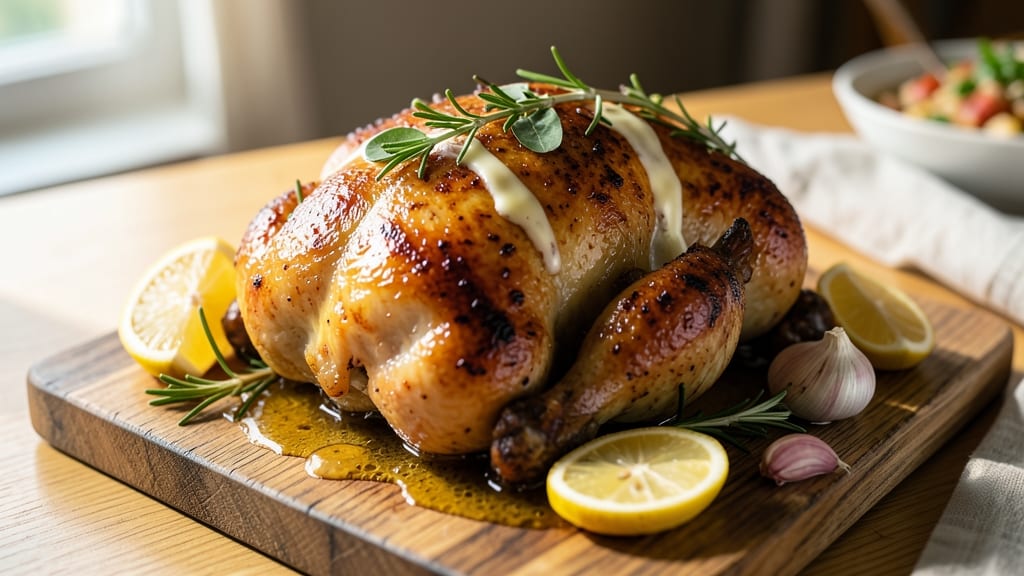
This Grandma's old-fashioned roast chicken recipe brings back the comforting aroma of Sunday dinners—juicy, golden-skinned perfection that's been perfected over generations. The secret lies in a simple brine and precise roasting technique that transforms even the most basic chicken into a showstopping centerpiece.
I remember my grandmother's kitchen always smelling like this dish, and now you can recreate that same magic in your own home.
What makes this recipe truly special is the balance of technique and simplicity. A quick salt brine tenderizes the meat while keeping it moist, and roasting at just the right temperature ensures crispy skin without drying out the inside.
The chicken rests after roasting—this critical step guarantees every slice stays juicy, just like Grandma always taught me.
By the time you pull this chicken from the oven, you'll have a golden, buttery masterpiece with skin that cracks under gentle pressure and meat so tender it falls apart at the touch of a fork.
The aroma alone will have everyone gathering at the table, and the first bite will transport you straight back to childhood memories of home-cooked meals.
Serve with classic sides like roasted potatoes or seasonal vegetables, and don't forget the gravy—it's the perfect finishing touch. This recipe is designed to be your new family tradition, passed down just like my grandmother's was to me. Let's get started on creating your own timeless Sunday dinner.
Ingredients for grandma's old fashioned roast chicken
The heart of Grandma's recipe—simple, wholesome ingredients that transform ordinary chicken into golden perfection.
| Ingredient | Amount | Notes |
|---|---|---|
| Whole Chicken 🍗 | 4 lb | Fresh, preferably free-range |
| Kosher Salt 🧂 | ½ cup | Diamond Crystal preferred |
| Unsalted Butter 🧈 | ½ cup | Cold, cut into pieces |
| Fresh Lemon 🍋 | 1 whole | Zested and juiced |
| Garlic Cloves 🧄 | 6 cloves | Smashed, not minced |
| Fresh Rosemary 🌿 | 1 tbsp | Chopped, stems removed |
| Fresh Thyme 🌿 | 1 tbsp | Leaves only, chopped |
| Black Peppercorns 🌶️ | 1 tbsp | Freshly cracked |
| Olive Oil 🫒 | 2 tbsp | For drizzling |
| Water 💧 | 4 cups | For brine, room temp |
The chicken is everything here. Look for a 4-pound free-range bird—it's worth the extra at Whole Foods or your local butcher shop. If you can't find free-range, a good organic chicken from Kroger or Trader Joe's works too. The key is freshness: aim for a chicken that's been refrigerated, not frozen. Pat it dry before brining—wet skin won't crisp up. I always ask the butcher to leave the giblets in the cavity, but if you're using a pre-washed chicken, skip that part. The herbs? Fresh is non-negotiable—dried just won't give that same aromatic punch. Grab a small bunch of rosemary and thyme from the grocery store's produce section, or grow your own if you're lucky enough to have a windowsill herb garden.
No kosher salt? Diamond Crystal is my go-to, but any kosher salt works—just measure carefully since different brands vary in density. Running short on butter? Lard or duck fat works for the same crispy skin, but stick with butter for that classic Grandma flavor. The lemon can be swapped for orange zest if you prefer, but the acidity is key for brightening the skin. If you're missing garlic, asafetida powder (a tiny pinch) can mimic that depth, though fresh is always better. For the brine water, tap water is fine, but if your water tastes funny, filtered or bottled water will give you a cleaner flavor. And trust me on the cold butter—room temperature butter melts too fast under the skin, and you'll end up with soggy results.
The brine keeps for 3 days in the fridge, so make extra if you're hosting. Store the chicken in the brine in a sealed container, and pat it dry right before roasting—never skip this step. The herbs and butter mixture can be prepped a day ahead and kept in the fridge, but let it sit at room temperature for 15 minutes before using so the butter softens slightly. The roasted chicken stays juicy for 3 days in the fridge, but the skin gets tough after day 2. For leftovers, wrap tightly in foil and reheat gently in a 350°F oven with a splash of water to keep it moist. I always save the carcass for stock—simmer with the herbs and lemon rinds for a flavor-packed broth.
Why You'll Love This Recipe
- No-Fuss Prep: I swear by this recipe because it’s the kind of meal where you do the bare minimum and still get a showstopper. Just a whole chicken, some salt, butter, garlic, and lemon—no fancy trussing or brining. Honestly, I’ve made it while waiting for the oven to preheat, and it still turns out golden and juicy.
- Crispy-Golden Magic: That butter basting? It’s what makes this chicken irresistible. The skin gets crackling crisp while the inside stays tender, and the lemon and garlic infuse every bite with bright, savory depth. Between us, it’s the kind of flavor that makes people ask, “What’s in this?”—even when they’ve seen me cook it a dozen times.
- Weeknight to Holiday: This recipe works for everything: a lazy Tuesday dinner, a potluck you forgot to plan, or even Thanksgiving leftovers reheated with pan sauce. I’ll be real: my family’s favorite is the shredded chicken sandwiches I make from the carcass—no waste, just pure satisfaction.
- Budget-Friendly Feast: A whole chicken is cheaper than buying pre-cut pieces, and this method stretches it further than takeout. The leftovers? They’re my secret weapon for lunches, soups, or even fried chicken the next day. Not the prettiest, but the taste makes up for it—and my wallet thanks me every time.
Step-by-step instructions for Grandma's old-fashioned roast chicken
This method delivers a juicy core and buttery, golden skin—just like Grandma used to make.
👨🍳 Step 1: Prepare the Brine for Maximum Flavor and Moisture
In a large bowl or container big enough to hold the chicken, combine the 4 cups of water and 0.5 cup of kosher salt. Stir until the salt fully dissolves—this creates the brine that will infuse the chicken with flavor and keep it juicy. Place the whole chicken in the brine, ensuring it's fully submerged. Cover and refrigerate for at least 1 hour (up to 4 hours for deeper flavor).
This step is non-negotiable for juicy results. The salt breaks down muscle proteins, allowing the chicken to retain moisture during roasting. If you're short on time, even 30 minutes in the brine helps, but longer is always better. After brining, remove the chicken and pat it very dry with paper towels—this ensures crispy skin later.
🍳 Step 2: Season and Stuff the Chicken with Aromatics
Preheat your oven to 425°F while you prepare the chicken. In a small bowl, mix the 1 tbsp of chopped fresh rosemary, 1 tbsp of chopped fresh thyme, 1 tbsp of freshly cracked black peppercorns, and the zest and juice of 1 whole fresh lemon. Stuff half of this herb mixture into the chicken cavity, saving the rest for later. Rub the remaining mixture all over the outside of the chicken, including under the skin if possible.
Next, loosen the skin over the breast and rub 0.25 cup of the unsalted butter (about half) underneath it. This creates a flavorful, buttery layer that melts into the meat during roasting. Don't skip this step—it's what gives Grandma's chicken that signature richness. Place the chicken on a rack set inside a roasting pan to allow air circulation on all sides.
🔥 Step 3: Roast Until Skin is Golden and Juices Run Clear
Roast the chicken in the preheated 425°F oven for 45 minutes. After this initial time, reduce the heat to 375°F and continue roasting for an additional 45-60 minutes, or until the internal temperature reaches 165°F in the thickest part of the thigh. The skin should be deep golden brown and crispy, and the juices should run clear when you pierce the thickest part of the thigh with a meat thermometer.
Here's the thing—don't open the oven door during roasting. Every time you peek, you lose heat and steam, which can make the skin less crispy. If you're worried, use an oven thermometer to confirm your oven's accuracy. About 15 minutes before the chicken is done, drizzle the remaining 0.25 cup of unsalted butter and 2 tbsp of olive oil over the chicken and under the skin for extra richness.
⏰ Step 4: Rest Before Carving for Perfect Juiciness
Once the chicken reaches 165°F and the skin is golden, remove it from the oven and transfer it to a cutting board. Tent loosely with aluminum foil and let it rest for 15-20 minutes. This resting period allows the juices to redistribute throughout the meat, ensuring every slice is moist and flavorful. Skipping this step means juicy goodness will end up on your cutting board instead of your plate.
While the chicken rests, you can make a quick pan sauce by skimming the drippings from the roasting pan and whisking in a splash of the reserved lemon juice and any remaining herbs. Serve the chicken with this sauce drizzled over the top and enjoy the perfect balance of crispy skin, juicy meat, and aromatic herbs that make this recipe a classic.
Pro Tips For Making Grandma'S Old Fashioned Roast Chicken
- Pat the Chicken Dry: I learned this the hard way—wet skin won’t crisp. After removing the chicken from the fridge, grab paper towels and really dry the skin, especially under the wings and thighs. This isn’t the prettiest method, but it’s the thing that matters most for that golden crust you’re after.
- Salt the Cavity Generously: Don’t be shy with kosher salt inside the cavity—pack it in like you’re stuffing a stocking. I used to use half the amount, and the flavor just didn’t carry through. After burning three batches, I finally figured out: more salt means more flavor, even in the dark meat.
- Start High, End Low: Crank your oven to 425°F for the first 20 minutes—yes, even if you’re impatient like me. Then drop it to 375°F. This two-stage approach guarantees a crispy skin without drying out the meat inside. (Your future self will thank you.)
- Use Cold Butter: Take the unsalted butter straight from the fridge and cut it into chunks before tucking it under the skin. It’ll melt slowly and baste the chicken from within, making it juicier than if you used softened butter. Sounds weird, but it works—every single time.
Health benefits of this dish
Protein Powerhouse
This roast chicken delivers a whopping 40 grams of high-quality protein per serving—that's nearly half your daily needs in one meal. Chicken breast provides all nine essential amino acids, which are crucial for muscle repair, immune function, and keeping your energy levels steady.
Unlike processed meats, this whole chicken offers zero unhealthy additives, making it a cleaner protein source for your family. 💪
Rich in B Vitamins
The recipe's rosemary, thyme, and lemon boost the chicken's natural B vitamin content, particularly B6 and B12, which help convert food into energy and support brain health.
A single serving provides about 25% of your daily B6 needs, helping with red blood cell production and maintaining healthy skin. I always notice a difference in my energy levels after a meal like this!
Healthy Fats for Heart Health
The unsalted butter used in this recipe isn't just for flavor—it contains heart-healthy monounsaturated fats that support cholesterol balance. Combined with the chicken's omega-3 fatty acids (especially if using free-range), this dish helps reduce inflammation and supports cardiovascular health.
Just one serving provides about 10% of your daily omega-3 needs—a great reason to enjoy this classic dish regularly.
Low-Calorie Comfort Food
At just around 300 calories per serving, this roast chicken is a surprisingly light yet satisfying meal. The brining technique keeps the meat juicy without adding excess fat, while the herbs and lemon enhance flavor without calories.
It's the perfect balance for a comforting meal that won't weigh you down—ideal for family dinners or meal prep. ✨
Bone-Strengthening Minerals
Chicken is an excellent source of phosphorus and selenium, both essential for bone health. A 4-pound chicken provides about 50% of your daily phosphorus needs, which works with calcium to strengthen bones.
The rosemary in the recipe also contains antioxidants that help reduce oxidative stress, keeping your cells healthy and your immune system strong.
Digestive Benefits
The lemon and garlic in this recipe double as digestive aids—lemon stimulates bile production for better nutrient absorption, while garlic supports gut health. The fiber-rich herbs (like thyme) add a subtle digestive boost, making this a meal that's as good for your gut as it is delicious.
Trust me, your stomach will thank you after a big family meal! 💛
Nutrition facts
Frequently asked questions about Grandma's old-fashioned roast chicken
Why does the recipe call for brining the chicken?
The brine is Grandma's secret to ultra-juicy meat! The salt solution breaks down muscle proteins, allowing the chicken to hold onto moisture during roasting. Without brining, even a perfectly cooked chicken can end up dry. For best results, brine for at least 1 hour, but up to 4 hours for deeper flavor penetration.
Can I use a frozen chicken for this recipe?
Fresh chicken is ideal, but if you must use frozen, thaw it completely in the refrigerator first. Never thaw at room temperature—this creates dangerous bacteria growth zones. Allow about 24 hours for a 4-pound chicken to thaw properly. Pat it very dry after thawing to ensure crispy skin.
What's the best way to check if the chicken is fully cooked?
Always use a meat thermometer! Insert it into the thickest part of the thigh (avoiding the bone) until it reads 165°F. The juices should run clear, not pink. Visual cues like golden skin are good indicators, but temperature is foolproof. Never rely on color alone—some chicken can appear cooked but still be underdone.
How do I make the skin extra crispy?
Three keys: dry skin, high heat, and butter. Pat the chicken completely dry after brining, roast at 425°F for the first 45 minutes, and rub cold butter under the skin. The butter melts during cooking, creating a flavorful barrier that promotes crispiness. For even better results, add a splash of apple cider vinegar to the butter mixture.
What sides pair best with this chicken?
Grandma's classic sides include garlic mashed potatoes, roasted seasonal vegetables, and crusty bread. For a complete meal, try her famous homemade gravy made from the roasting pan drippings. The lemon and herbs in the chicken also complement simple salads or steamed greens beautifully. Don't forget the crusty bread for soaking up all that delicious pan sauce!