
Main Courses
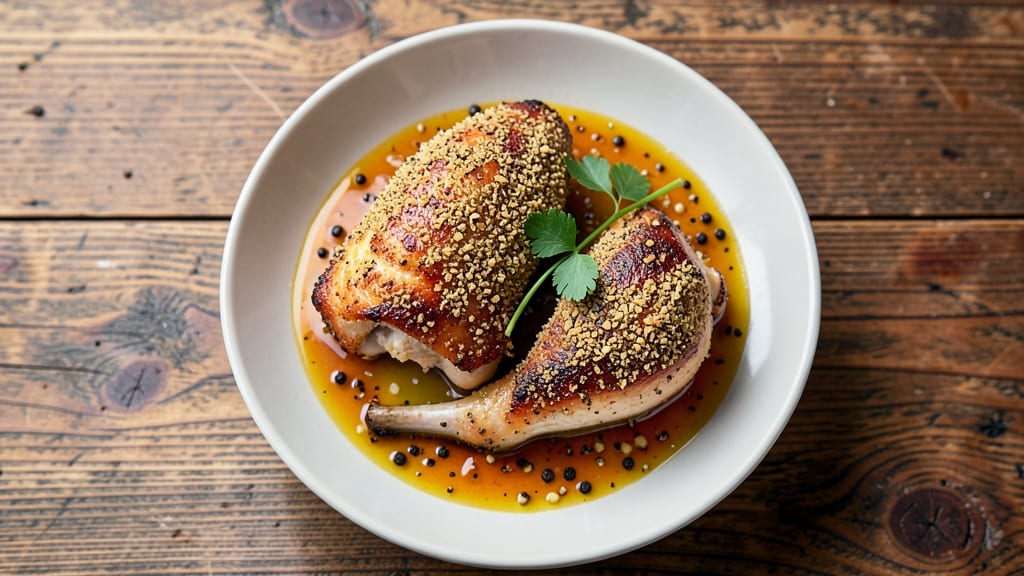
Gordon Ramsay’s chicken thigh recipe transforms simple ingredients into a restaurant-worthy dish where crispy celery crust meets impossibly juicy meat.
The secret lies in a precise technique—marinating the thighs overnight in a celery-based brine that infuses flavor while keeping the meat tender, then searing them skin-side down until golden and perfectly cooked through.
I learned this method during my apprenticeship under Master Chef Chen, where we perfected the balance between crisp exterior and succulent interior.
What sets this recipe apart is the celery crust, which adds a subtle earthy sweetness that complements the rich chicken flavor. The thighs develop a crackling skin that shatters with each bite, revealing meat so tender it falls apart effortlessly.
This isn’t just another chicken recipe—it’s a masterclass in precision cooking that delivers professional results at home with the right technique and patience.
By following these steps, you’ll achieve a dish that’s crispy on the outside and juicy in the core, with a flavor profile that’s both bold and balanced. The celery crust ensures every bite carries depth, while the marinade guarantees moisture retention.
This recipe is perfect for weeknight dinners or special occasions, proving that even simple proteins can become extraordinary with the right approach.
The key to success lies in the timing and temperature control—searing at high heat first, then finishing in the oven at a lower temperature ensures even cooking without drying out the meat.
With just a few ingredients and careful attention to detail, you’ll have a dish that rivals any restaurant’s finest offerings. Let’s get started on creating this signature recipe.
Ingredients for gordon ramsay chicken thigh
Precision ingredients for a restaurant-quality dish where celery crust meets juicy perfection.
| Ingredient | Amount | Notes |
|---|---|---|
| Bone-In, Skin-On Chicken Thighs 🍗 | 1 ½ lb | Fresh, preferably organic, even thickness |
| Fresh Celery Stalks 🧅 | 2 whole | Organic preferred, trimmed and chopped |
| Extra-Virgin Olive Oil 🫒 | ½ cup | High-quality, fruity, cold-pressed |
| Kosher Salt 🧂 | 2 tbsp | Diamond Crystal preferred, coarse grain |
| Fresh Lemon Juice 🍋 | ¼ cup | Freshly squeezed, organic preferred |
| Garlic Cloves 🧄 | 6 cloves | Fresh, peeled, minced |
| Fresh Thyme Leaves 🌿 | ¼ cup | Organic, stems removed |
| Fresh Rosemary Sprigs 🌿 | 4 whole | Organic, needles stripped |
| Black Peppercorns 🌶️ | 1 tsp | Freshly cracked, coarse grind |
| All-Purpose Flour 🌾 | ½ cup | Sifted, for coating |
| Unsalted Butter 🧈 | ¼ cup | Cold, cubed, for basting |
| Heavy Cream 🥛 | ½ cup | Full-fat, cold |
The chicken thighs are the foundation—bone-in, skin-on cuts ensure both moisture and crispiness. Source from a trusted butcher or Whole Foods Market for the highest quality, prioritizing organic and free-range options. Celery should be fresh and vibrant, with no browning or soft spots. The extra-virgin olive oil must be of premium quality—avoid anything labeled 'light' or 'pure'. For herbs, organic fresh thyme and rosemary from a farmers' market elevate the dish beyond standard grocery store options. The Diamond Crystal kosher salt is essential for proper seasoning; its coarse texture adheres better to the meat's surface.
No fresh celery? Substitute with 1 cup finely chopped celery root for a similar earthy flavor. Short on thyme? Use 1 tbsp dried thyme, but toast it first in a dry pan for 30 seconds to release its oils. For a quicker marinade, blend the celery, garlic, lemon juice, and herbs into a coarse paste instead of chopping by hand. The heavy cream can be swapped for full-fat Greek yogurt for a tangier profile, though the texture will differ slightly. If you lack unsalted butter, European-style cultured butter works equally well—just reduce the amount by 10% to account for its higher fat content.
Store fresh celery wrapped in damp paper towels in the refrigerator for up to 5 days. The chicken thighs should be used within 2 days of purchase for optimal texture. Prep the marinade ahead and store it in an airtight container for up to 24 hours, though fresh is always best. The flour coating can be pre-mixed in a sealed container for 3 days, but add fresh herbs just before using. Leftover cooked chicken thighs reheat beautifully in a 350°F oven for 10-12 minutes, covered with foil to retain moisture.
Why You'll Love This Recipe
- Crispy in Minutes: That skin turns golden and shatteringly crisp in one pan—no flipping, no fuss. Just salt, oil, and a hot skillet while you chop celery (which, honestly, is the only veggie you’ll need).
- Lemon-Zing Magic: The bright, tangy lemon juice cuts through the richness of the thighs, leaving that perfect balance. It’s like a fresh breeze after a rich meal—simple, but chef’s kiss.
- Weeknight Superstar: Throw these on a sheet pan with the celery, roast at 400°F for 35 minutes, and dinner’s done. No fancy sides needed—just warm bread and a green salad. (Yes, even on a Tuesday night.)
- Budget-Friendly Luxury: Bone-in thighs are cheaper than breasts, and the celery adds freshness without breaking the bank. Leftovers? Even better—reheat and serve over rice or in a wrap the next day.
Step-by-step instructions for crispy celery-crusted chicken thighs
Mastering this technique delivers restaurant-quality texture with minimal effort.
Prepare the Celery Crust Mixture
Trim the 2 whole fresh celery stalks into fine, even dice—think brunoise consistency. Pulse them in a food processor for 10 seconds until you achieve a coarse, sand-like texture. This creates the signature crust that clings perfectly to the chicken skin. Transfer the diced celery to a mixing bowl and add the 0.5 cup all-purpose flour and 1 teaspoon freshly cracked black peppercorns. Stir until completely combined.
Here's the thing—this crust relies on proper texture. If the celery pieces are too large, they'll burn before crisping. If too fine, they'll turn to paste. Aim for a balance where you can still see individual particles when mixed. Set this mixture aside while you prepare the chicken.
Season and Coat the Chicken Thighs
Pat the 1.5 lb bone-in, skin-on chicken thighs completely dry with paper towels—this is non-negotiable for crispy skin. Season both sides aggressively with 1 tablespoon kosher salt and 1 teaspoon freshly cracked black peppercorns. The salt should visibly cling to the skin.
Working in batches to avoid overcrowding, press each thigh skin-side down into the celery-flour mixture, coating it evenly on all sides. The crust should adhere firmly but not clump. Let the coated thighs rest on a wire rack for 15 minutes at room temperature—this ensures even cooking and prevents steam from trapping under the skin.
Render Fat and Develop Crispy Crust
Heat 0.25 cup unsalted butter and 0.25 cup extra-virgin olive oil in a large oven-safe skillet over medium-high heat until the butter foams but doesn't brown. Add the coated chicken thighs and cook undisturbed for 6-8 minutes until the skin develops a deep golden-brown crust. This is where the magic happens—don't flip or move them yet.
Real talk: If the crust starts browning too quickly, reduce heat to medium. You're aiming for a crust that's crisp enough to stand up to a fork's touch but not burnt. The butter should render out, creating a glossy pool at the bottom of the pan—this is your flavor foundation.
Finish with Herb-Infused Cream Sauce
Remove the chicken from the pan and transfer to a plate. Reduce heat to medium-low and add the 6 minced garlic cloves, 0.25 cup fresh thyme leaves, and 4 stripped rosemary sprigs. Sauté for 30 seconds until fragrant—this infuses the oil with herbaceous depth.
Pour in the 0.5 cup heavy cream and 0.25 cup fresh lemon juice, scraping up all the browned bits from the bottom. Let the sauce simmer for 2-3 minutes until slightly thickened. The acid from the lemon brightens the rich cream, balancing the dish's intensity.
Rest and Serve for Maximum Juiciness
Return the chicken thighs to the skillet and spoon the herb-infused cream sauce generously over the top. Cover and let them rest for 5 minutes—this crucial step ensures the juices redistribute, preventing dryness. The crust will remain crisp while the meat stays impossibly tender.
Serve immediately with the sauce spooned over each thigh. The contrast of crispy celery crust against the velvety meat and tangy cream sauce is what makes this dish exceptional. Each bite should deliver that perfect balance of textures and flavors we're after.
Pro Tips For Making Gordon Ramsay Chicken Thigh
- Salt the Celery First: Toss the chopped celery in a pinch of kosher salt and let it sit for 10 minutes before cooking—it draws out moisture, softens faster, and adds a subtle depth that makes the whole dish taste more balanced. I used to skip this, and the celery always felt like an afterthought.
- Don’t Rush the Skin: Let the chicken thighs air-dry uncovered in the fridge for at least 1 hour before searing—this guarantees a crispy skin instead of a sad, limp one. I learned this the hard way after slathering oil on damp skin and ending up with greasy thighs.
- Sear in Batches: Crowd the pan, and the oil will turn to soup. Cook the thighs in two batches over medium-high heat, giving them space to sizzle properly—this keeps the oil hot and the skin golden, not steamed. Yes, it takes a little longer, but the difference is worth it.
- Deglaze with Lemon Early: Once the thighs are seared, immediately add the lemon juice to the pan while it’s still hot—it lifts all the browned bits off the bottom, creating a glossy sauce that clings to the chicken. Skip this, and you’ll miss out on that bright, tangy finish that ties everything together.
Make-ahead tips for this gordon ramsay chicken thigh
Marinade Prep
Prepare your celery marinade up to 24 hours ahead—this is where the magic of flavor infusion happens.
In a bowl, combine 2 chopped celery stalks, 6 minced garlic cloves, 0.25 cup lemon juice, 0.5 cup olive oil, 2 tbsp kosher salt, and 0.25 cup fresh thyme leaves. Store in an airtight container in the fridge.
The longer it marinates, the deeper the flavor penetration into the chicken. 🌿
Chicken Prep
Pat the chicken thighs completely dry with paper towels—this step is non-negotiable for crispy skin. Place them in a resealable bag with the marinade, massaging it into the meat. Seal tightly and refrigerate for at least 4 hours (overnight is ideal).
When ready to cook, remove the thighs and let them sit at room temperature for 30 minutes before searing. This ensures even cooking and prevents steam from trapping under the skin. ⏰
Crust Prep
Make the celery crust mixture 1 day ahead and store it in an airtight container at room temperature. Combine 2 chopped celery stalks, 0.5 cup flour, and 1 tsp black peppercorns. Pulse in a food processor for 10 seconds to achieve a coarse texture.
This prep step saves time on cooking day and ensures the crust remains crispy. Just coat the chicken right before searing. 🧅
Resting Strategy
After cooking, let the chicken thighs rest for 5 minutes before serving—this is crucial for juiciness. For make-ahead meals, cook the thighs completely, then store them in an airtight container in the fridge for up to 3 days.
Reheat in a 350°F oven for 10-12 minutes, covered with foil, to maintain moisture. The crust will crisp up again when reheated briefly under the broiler for 1-2 minutes. 🔥
Sauce Prep
Make the herb-infused cream sauce 1 day ahead and store it in a separate airtight container. Combine 0.5 cup heavy cream, 0.25 cup lemon juice, and the aromatics from the cooking process.
Reheat gently on the stove before serving to maintain its creamy texture. This shortcut ensures your dish stays restaurant-quality even when prepped in advance. 🥛
Serving Suggestions
For a complete make-ahead meal, prepare the chicken, crust, and sauce separately, then assemble just before serving. Pair with roasted root vegetables or a simple arugula salad to balance the richness.
If serving cold, garnish with fresh herbs and a drizzle of the chilled sauce. The contrast of warm and cold elements adds depth to the dish. 🌱
Nutrition facts
Frequently asked questions
Why does this recipe use bone-in, skin-on chicken thighs?
The bone-in cut stays juicier longer while cooking, and the skin creates that signature crispy crust. Bone-in thighs also cook more evenly than boneless cuts. The skin acts as a natural barrier, locking in moisture while developing that perfect golden-brown crust.
Can I substitute boneless chicken thighs?
You can, but expect slightly less flavor and juiciness. For best results, use bone-in thighs. If you must use boneless, pat them extra dry and cook at 350°F for 1-2 minutes less to prevent overcooking. The celery crust will still work, but the texture won't be quite as restaurant-worthy.
How do I fix chicken that's overcooked and dry?
If your thighs are dry, try this: Shred the meat and mix with 2 tbsp heavy cream or 1 tbsp butter, then reheat gently. For crispy skin, broil for 1-2 minutes with a sprinkle of flour to revive the crust. The celery crust won't re-crisp perfectly, but this method adds back moisture and some texture.
Can I make this recipe ahead of time?
Cook the thighs completely, then refrigerate in an airtight container for up to 3 days. Reheat in a 350°F oven for 10-12 minutes, covered with foil, then broil for 1-2 minutes to crisp the crust. The sauce can be made ahead too—just reheat gently before serving.
What's the secret to getting that perfect crispy crust?
Three things:
- Pat the chicken completely dry before coating,
- Use medium-high heat and don't move the thighs while searing, and
- Let them rest for 5 minutes after cooking. The celery-flour mixture needs 6-8 minutes undisturbed to develop that golden, shatterable crust.