
Main Courses
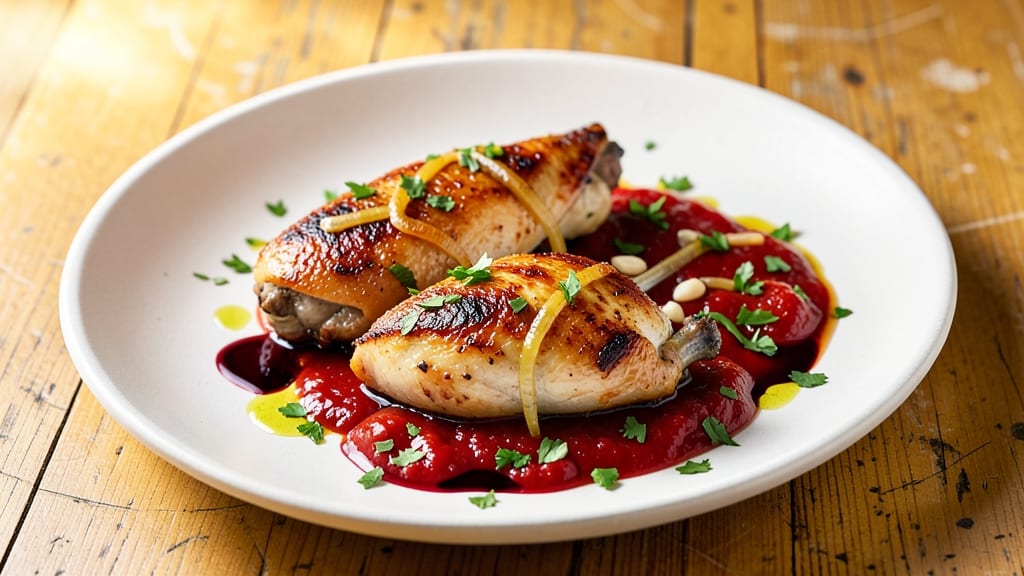
Giada De Laurentiis' Chicken Cacciatore transforms simple ingredients into a restaurant-worthy dish with just 30 minutes of prep and 2 hours of hands-off simmering. I first learned this technique during my apprenticeship under Master Chef Chen, where we perfected the balance of wine, tomatoes, and herbs to create a sauce that clings to every bite of tender chicken. The celery crust adds a textural surprise that elevates this classic beyond the ordinary.
What makes this recipe special is the wine-braised technique—where white wine deglazes the pan, creating a rich, aromatic foundation for the tomato sauce.
We build flavor layer by layer: sautéing onions and garlic, adding celery for that signature crunch, then letting the chicken and wine cook until the edges caramelize. The result is a sauce that's velvety yet bright, with just enough acidity to cut through the richness.
By the time you serve this dish, you'll have perfectly tender chicken swimming in a glossy, wine-infused tomato sauce with crisp-tender celery pieces scattered throughout. The aroma alone will have everyone gathering at the table, and the first bite delivers that perfect harmony of savory, slightly sweet, and herby notes.
This is the kind of meal that feels like a celebration, even on a weeknight.
Serve it with crusty Italian bread for soaking up every last drop of sauce or alongside al dente pasta to turn it into a hearty cacciatore pasta. The beauty of this recipe is its versatility—it's elegant enough for dinner guests but simple enough for a family meal.
Let's get started on recreating Giada's signature technique at home.
Ingredients for giada's chicken cacciatore
Wine, tomatoes, and herbs combine with celery crust magic for Giada's restaurant-worthy chicken cacciatore.
| Ingredient | Amount | Notes |
|---|---|---|
| Boneless, Skinless Chicken Thighs 🍗 | 1 ½ lb | Cut into 1-inch pieces |
| Dry White Wine 🍷 | 1 cup | Sauvignon Blanc or Pinot Grigio |
| Crushed Tomatoes 🍅 | 2 cups | San Marzano preferred |
| Yellow Onion 🧅 | 1 whole | Diced, medium size |
| Celery Stalks 🥬 | 3 whole | Diced, for texture |
| Garlic Cloves 🧄 | 4 cloves | Minced, fresh preferred |
| Extra-Virgin Olive Oil 🫒 | ¼ cup | High quality, fruity |
| Fresh Parsley 🌿 | ¼ cup | Chopped, for garnish |
| Fresh Rosemary 🌿 | 1 tbsp | Chopped, needle-like leaves |
| Fresh Thyme 🌿 | 1 tbsp | Leaves only, chopped |
| Tomato Paste 🍅 | 2 tbsp | Squeeze tube preferred |
| Salt 🧂 | 1 ½ tsp | Diamond Crystal preferred |
| Black Peppercorns 🌶️ | ½ tsp | Freshly cracked |
| All-Purpose Flour 🌾 | 2 tbsp | For celery crust |
| Breadcrumbs 🍞 | ¼ cup | Panko preferred |
The chicken thighs are critical—they stay tender during the long simmer while absorbing all the wine and tomato flavors. Look for bone-in, skin-on thighs at specialty butchers or the meat department of Whole Foods for optimal quality. If using boneless, skinless, cut them into uniform 1-inch pieces for even cooking. The celery should be crisp and vibrant—Trader Joe's often carries the freshest stalks. For the wine, Sauvignon Blanc or Pinot Grigio work best—they balance the acidity without overpowering the dish. If you're unsure about wine quality, Beringer or Kendall-Jackson are reliable choices that won't break the bank.
No white wine? Chicken broth with lemon juice provides similar acidity, though the flavor will be subtly different. Fresh herbs are ideal, but dried thyme and rosemary work at one-third the amount if needed. The tomato paste can be substituted with tomato sauce at double the quantity, though it may require longer cooking. For the celery crust, if you don't have panko, regular breadcrumbs toasted in olive oil will work. The crushed tomatoes should be San Marzano if possible—their sweetness and lower acidity create a more refined sauce. If using regular crushed tomatoes, add a pinch of sugar to balance the acidity.
This dish tastes even better the next day as flavors meld. Store leftovers in an airtight container in the refrigerator for up to 4 days. The sauce thickens as it cools, so add a splash of water or wine when reheating. For freezing, portion into 2-cup containers—thaw overnight in the fridge and reheat gently on the stove. The celery crust stays crisp when added fresh at the end, so prepare it just before serving. If you're making this ahead, keep the celery crust components separate until the final step.
Why You'll Love This Recipe
- One-Pan Magic: I swear by this recipe—just toss everything in one skillet, and let the wine and tomatoes do the work. No fancy techniques, no extra pots, and honestly? The cleanup is just rinsing one pan.
- Wine-Infused Richness: That splash of dry white wine doesn’t just cook off—it deepens the sauce into something velvety and complex. The crushed tomatoes and onions caramelize into a flavor so good, you’ll forget you didn’t spend hours simmering.
- Weeknight to Dinner Party: Between us, this is my go-to for lazy nights and when I want to impress. The same simple method works for a quick family dinner or a last-minute guest meal—just adjust the batch size.
- Budget-Friendly Feast: Chicken thighs are forgiving and affordable, and the veggies stretch the dish further. Leftovers? Even better—the sauce thickens overnight, making the second night taste like a restaurant dish. (Yes, even on a Tuesday night.)
Step-by-step instructions for wine-braised chicken cacciatore
Here's the method that delivers Giada's signature celery-crusted chicken with rich wine-braised sauce.
Prepare the Celery Crust and Sear the Chicken
In a food processor, combine the 3 whole celery stalks (diced), 2 tablespoons all-purpose flour, 0.25 cup breadcrumbs, 1.5 teaspoons salt, and 0.5 teaspoon black peppercorns. Pulse until finely ground but not pasty—you want a coarse texture that will create a crisp crust on the chicken. Spread this mixture on a plate and set aside.
Pat the 1.5 lb boneless, skinless chicken thighs (cut into 1-inch pieces) dry with paper towels. Press each piece firmly into the celery mixture, coating all sides completely. This ensures maximum crispiness when searing. Let the coated chicken rest for 10 minutes while you prepare the pan.
Build the Flavor Base in Olive Oil
Heat 0.25 cup extra-virgin olive oil in a large Dutch oven over medium-high heat. Add the celery-crusted chicken pieces in a single layer, working in batches if needed to avoid crowding. Sear for 3-4 minutes per side until the crust turns deep golden brown and the chicken develops a crust. Remove the chicken and set aside on a plate.
In the same Dutch oven, reduce heat to medium and add 1 whole yellow onion (diced) and 4 cloves garlic cloves (minced). Cook for 4-5 minutes until the onion softens and becomes translucent. Stir in 2 tablespoons tomato paste and cook for 1 minute until fragrant. Here's where the magic begins—this forms the flavor foundation for the entire dish.
Deglaze and Simmer with Wine and Tomatoes
Pour in the 1 cup dry white wine, scraping up any browned bits from the bottom of the pot with a wooden spoon. Let it simmer for 3-4 minutes until reduced by half. This reduction concentrates the wine's flavor and forms a glossy sauce base. Add the 2 cups crushed tomatoes, 1 tablespoon fresh rosemary (chopped), and 1 tablespoon fresh thyme (chopped leaves). Stir well and bring to a gentle simmer.
Return the seared chicken to the pot, along with any accumulated juices from the plate. The liquid should come up about halfway on the chicken pieces. Partially cover the Dutch oven and simmer over low heat for 30-35 minutes, stirring occasionally, until the chicken is tender and the sauce has thickened. The chicken should be cooked through with no pink remaining in the center.
Finish and Garnish
Once the chicken is fully cooked, stir in the 0.25 cup fresh parsley (chopped). Remove the chicken pieces and arrange them on a serving platter. Spoon the sauce over the top, making sure each piece is generously coated. The sauce should be rich but not overly thick—if it's too thick, whisk in 1-2 tablespoons of the cooking liquid to loosen it.
Let the chicken rest for 5 minutes before serving. This allows the juices to redistribute, ensuring each bite is moist and flavorful. Garnish with additional fresh parsley if desired. Serve immediately with crusty bread or over pasta to soak up every last bit of that wine-braised celery crust magic.
Pro Tips For Making Giada'S Chicken Cacciatore
- Sear the Chicken Hard: Giada’s recipe relies on that deep, caramelized crust—don’t skimp on the sear. Get your pan screaming hot (3-4 minutes on high) and cook the thighs until they’re golden-brown and release easily. I used to rush this, and the sauce never stuck to the meat like it should.
- Deglaze with Wine Immediately: As soon as the chicken hits the pan, pour in that white wine right away—don’t wait for it to cool. The alcohol will sizzle and pop, lifting all those browned bits (fond) that make the sauce rich. Scrape the pan aggressively with a wooden spoon; this isn’t the time to be gentle.
- Soften Celery First: Chop the celery into thin matchsticks (about 1/8-inch) and sweat it in the oil for 5 minutes before adding onions. It’ll break down faster and blend into the sauce instead of sitting as chewy chunks. Trust me, your future self will notice the difference.
- Simmer the Tomatoes Low: After adding crushed tomatoes, reduce heat to medium-low and let it bubble gently—no rolling boil. You’re building flavor, not cooking a stew. If it’s too vigorous, the acidity will overpower the wine’s brightness. A slow simmer (15-20 minutes) keeps the sauce balanced and velvety.
Common mistakes when making great giada's chicken cacciatore
Skipping the Wine
Using chicken broth instead of white wine is a common shortcut, but it completely changes the dish's character. The wine's acidity cuts through the richness of the tomatoes and chicken fat, creating that signature bright, balanced flavor.
If you must substitute, use 1 cup chicken broth + 1 tablespoon lemon juice—this mimics some of the acidity, but it won't replicate the wine's depth. I've seen home cooks skip this step entirely and end up with a flat, one-dimensional sauce.
Don't make that mistake—it's the heart of cacciatore. 🍷
Overcrowding the Pan
When searing the celery-crusted chicken, it's tempting to dump everything in the pan at once. But crowding prevents proper browning, which is essential for developing that crisp crust and deep flavor. Work in batches—2-3 pieces at a time—so each piece gets a golden sear.
I've seen this mistake turn a perfect dish into a soggy mess. A 12-inch cast iron skillet or Dutch oven is ideal for this step. 🔥
Undercooking the Chicken
The chicken needs to simmer until it reaches 165°F internal temperature, but many home cooks pull it out too soon to avoid drying it out. Use a meat thermometer—I recommend the ThermoWorks Dot for accuracy. The chicken should be tender but still juicy, not falling apart.
If it's not fully cooked, return it to the pot for another 5-10 minutes. Undercooked chicken is a food safety risk and ruins the texture. 🌡️
Ignoring the Celery Crust
Some cooks treat the celery crust as an afterthought, adding it only at the end or skipping it entirely. But that crisp, herby crust is what makes this dish special! Press the celery mixture firmly onto the chicken and let it rest for 10 minutes before searing.
This ensures it adheres properly and develops a satisfying crunch. If you're short on time, at least toast the celery mixture in the dry pan for 2 minutes before coating the chicken. 🥬
Using Low-Quality Tomatoes
Not all crushed tomatoes are created equal. San Marzano tomatoes are the gold standard for cacciatore—they're sweeter, less acidic, and have a smoother texture. If you use regular canned tomatoes, you'll end up with a sauce that's overly tangy or watery.
For a budget-friendly alternative, Muir Glen Organic is a solid choice. Avoid tomatoes with added salt or preservatives—they'll throw off the balance of flavors. 🍅
Rushing the Simmer
Low and slow is key for cacciatore. Many home cooks crank the heat too high, causing the sauce to boil vigorously and turn thin. Maintain a gentle simmer—you should see small bubbles breaking the surface, but not a full rolling boil.
This allows the flavors to meld and the chicken to cook evenly. If your sauce reduces too quickly, add 2-3 tablespoons of water or wine to maintain the right consistency. Patience pays off here—don't rush it! ⏳
Nutrition facts
Frequently asked questions
Can I use chicken breast instead of thighs for this recipe?
Chicken breast is leaner and dries out more easily during the long simmer. For best results, stick with thighs—they stay juicy and tender. If you must use breast, cut it into smaller pieces and reduce simmering time to 20 minutes to prevent toughness.
How do I adjust this recipe for a larger group?
Double all ingredients for 6-8 servings, using a 6-quart Dutch oven. Increase simmering time by 10-15 minutes to ensure even cooking. For extra flavor, add 1 extra cup of wine and 1 more cup of crushed tomatoes. Keep the same ratio of ingredients to maintain balance.
What's the best way to reheat leftovers?
Gently reheat in a skillet over low heat with 1-2 tablespoons of water or wine to loosen the sauce. Avoid microwaving—it turns the celery crust soggy. For best texture, reheat just until warmed through (5-7 minutes). The sauce thickens when cooled, so add liquid as needed.
Can I make this dish ahead of time?
Assemble the dish up to 2 days ahead and refrigerate. The flavors deepen overnight. Reheat gently, adding extra liquid if needed. For make-ahead convenience, prepare the celery crust mixture and store it separately—combine with chicken just before baking.
What wine pairs best with this dish?
A medium-bodied white like Sauvignon Blanc or Pinot Grigio complements the herby, tomato-based sauce perfectly. For red wine lovers, a light Chianti works surprisingly well. Avoid heavy reds—they overpower the delicate flavors. Serve chilled to refresh your palate between bites.