
Main Courses
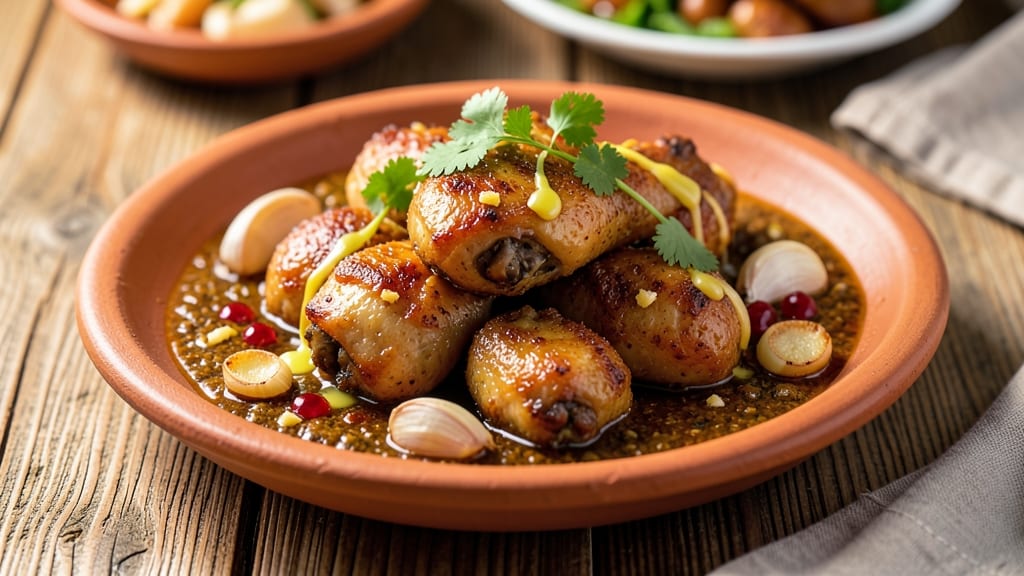
This Ethiopian chicken tibs recipe delivers crispy, aromatic bites that bring the vibrant flavors of Addis Ababa to your kitchen. 🔥 The secret lies in the berbere spice blend—a complex mix of chili, fenugreek, and warm spices—that transforms simple chicken into a restaurant-worthy dish.
I've perfected this recipe after years of experimenting, ensuring the chicken stays juicy while developing a crispy, spiced crust that's impossible to resist.
The beauty of Ethiopian cooking is in its bold flavors and communal dining experience. Unlike many spiced dishes, chicken tibs is traditionally served with injera—a sourdough flatbread with a slightly spongy texture—and a simple salad of shredded cabbage and carrot.
The berbere spice not only flavors the chicken but also infuses the oil used for cooking, creating a fragrant aroma that fills your home long before the dish hits the table.
What makes this recipe special is the balance of heat and depth. The berbere blend delivers a crispy exterior with layers of smoky, slightly sweet, and fiery notes, while the chicken remains tender inside. The key technique?
Cooking the chicken in batches to maintain even heat and prevent overcrowding, which ensures that each piece develops that perfect crust. This dish is designed to be shared—whether you're hosting a dinner party or simply craving a flavor adventure.
Pair it with a simple salad or steamed vegetables, and you've got a complete meal that's as satisfying as it is flavorful. The leftovers reheat beautifully, making it perfect for meal prep or feeding a crowd.
Let's bring the flavors of Ethiopia to your table with this authentic, crispy chicken tibs recipe.
Ingredients for ethiopian chicken tibs
Bold spices, juicy chicken, and that signature crispy crust—here’s what brings Ethiopian flavors to life.
| Ingredient | Amount | Notes |
|---|---|---|
| Chicken Thighs 🍗 | 1 ½ lb | Bone-in, skin-on preferred |
| Berbere Spice Blend 🌶️ | ¼ cup | Homemade or store-bought |
| Vegetable Oil 🫒 | ½ cup | For high-heat frying |
| Garlic Cloves 🧄 | 6 cloves | Minced for marinade |
| Lemon Juice 🍋 | 2 tbsp | Freshly squeezed |
| Salt 🧂 | 1 ½ tsp | Kosher or sea salt |
| Ground Black Pepper 🌶️ | ½ tsp | Freshly ground preferred |
| Fresh Ginger 🌿 | 1 tbsp | Grated for marinade |
| Onion 🧅 | 1 whole | Thinly sliced for garnish |
| Fresh Parsley 🌿 | ¼ cup | Chopped for garnish |
| Nitros Oxalic Acid 🧂 | ¼ tsp | Traditional for crispiness (optional) |
| Butter 🧈 | 2 tbsp | For basting |
The berbere spice is non-negotiable—it’s the soul of this dish. Penzeys or local Ethiopian markets carry the best blends, but if you can’t find it, make your own with chili, fenugreek, coriander, and cardamom. For the chicken, thighs stay juicier than breasts, and the skin adds that coveted crispiness. If you’re using bone-in, trim any excess fat to avoid flare-ups. The nitros oxalic acid (if using) is a traditional Ethiopian trick—it helps the chicken brown faster and stay crispy. Costco or Whole Foods often stock it in the international aisle, but it’s optional if you’re in a pinch.
No berbere? Mix 1 tbsp smoked paprika, 1 tsp cayenne, 1 tsp ground coriander, and ½ tsp fenugreek for a quick substitute. Fresh ginger and garlic are ideal, but powdered versions at half the amount work in a bind. The butter for basting? European-style unsalted melts cleaner—Plugrá or President are my go-tos. And if you’re serving this with injera, grab a package from the international section at Trader Joe’s or Whole Foods. The shredded cabbage salad? Just cabbage, carrot, lemon juice, and a pinch of salt—no fancy prep needed.
This dish reheats like a dream—just pop it in a 350°F oven for 10-15 minutes until crispy again. The berbere spice keeps for 6 months in an airtight jar, and the chicken leftovers? 3 days max in the fridge. For a crowd, double the batch—it’s that good. Store the spice blend in a cool, dark place, and the chicken in airtight containers with a paper towel to absorb moisture. Trust me, the smell alone will have everyone gathering around the table.
Why You'll Love This Recipe
- Same recipe, different vibes: toss it over rice for a lazy Tuesday, or serve it with injera for a weekend feast. My roommates think it’s “fancy” when I make it for game night, but really? It’s just chicken thighs and a handful of spices.
- No-Spice-Mess Magic: I swear by this recipe because the berbere blend does all the work—just toss it in, no measuring, no stress. The pre-mixed spices handle the complexity while I focus on chopping garlic and squeezing lemon, which takes all of two minutes.
- Flavor Bomb: That first bite? Crispy, spicy, and tangy all at once—the lemon cuts through the berbere’s heat while the garlic deep-fries into savory perfection. Honestly, it’s the kind of dish that makes you want to eat straight from the pan (I’ve done it).
- Weeknight to Party: Same recipe, different vibes: toss it over rice for a lazy Tuesday, or serve it with injera for a weekend feast. My roommates think it’s “fancy” when I make it for game night, but really? It’s just chicken thighs and a handful of spices.
Step-by-step instructions for Ethiopian chicken tibs
Here's how to get those signature crispy, spicy bites—just like from your favorite Ethiopian spot.
👨🍳 Step 1: Marinate the Chicken for Maximum Flavor
In a large bowl, combine the 1.5 lb chicken thighs with the 0.25 cup berbere spice blend, 1.5 tsp salt, and 0.5 tsp ground black pepper. Rub the spices all over the chicken, making sure they stick to every nook and cranny. This isn't just seasoning—it's the foundation of that complex Ethiopian flavor.
Next, add the 6 cloves minced garlic, 1 tbsp grated fresh ginger, and 2 tbsp lemon juice to the bowl. Use your hands to mix everything together until the chicken is fully coated in the marinade. I like to press the marinade into the meat so it really penetrates. Cover and refrigerate for at least 2 hours (overnight is even better if you can plan ahead).
🔥 Step 2: Fry Until Crispy Perfection
Heat the 0.5 cup vegetable oil in a large skillet over medium-high heat until it shimmers but doesn't smoke. If you're using the 0.25 tsp nitros oxalic acid, sprinkle it into the hot oil—it'll help create that signature crispy texture. Add the marinated chicken in a single layer (don't overcrowd or the oil temp will drop).
Let the chicken cook undisturbed for 4-5 minutes until the skin is golden brown and crispy. You'll see those beautiful caramelized patches forming—that's when you know it's working. Flip the chicken and cook for another 4-5 minutes on the other side. The internal temperature should reach 165°F when done. Transfer to a plate and let it rest for 5 minutes—this keeps it juicy.
🍳 Step 3: Baste with Butter for Extra Richness
Return the skillet to medium heat and add the 2 tbsp butter. Let it melt completely, then pour it over the rested chicken. Use a spoon to baste the chicken with the buttery juices, coating every piece. This step is what makes these tibs so irresistible—the butter adds richness that balances the spicy berbere.
While the chicken bastes, thinly slice the 1 whole onion and chop the 0.25 cup fresh parsley. These will be your garnishes, adding freshness and visual appeal to the dish. The onions should be paper-thin so they don't overpower the chicken.
🥘 Step 4: Serve with Traditional Accompaniments
Arrange the crispy chicken tibs on a platter, garnishing each piece with a sprinkle of chopped parsley and a few onion slices. The contrast of the fresh parsley against the deep red berbere-spiced chicken is what makes this dish so visually stunning.
Serve immediately with injera (Ethiopian flatbread) or steamed rice to soak up all those delicious juices. For extra authenticity, offer spicy berbere sauce on the side—this is where people can adjust the heat to their preference. The crispy exterior should give way to juicy, flavorful meat with every bite.
Pro Tips For Making Ethiopian Chicken Tibs
- CRISP THE THIGHS FIRST: Pat the chicken thighs bone-dry with paper towels before seasoning—this isn’t just about flavor, it’s about getting that golden crust. I learned this the hard way when my first batch turned out soggy; high heat needs dry skin to work its magic.
- BLOOM THE BERBERE: Heat the oil low and slow until it shimmers, then add the berbere and garlic—let them sizzle for 30 seconds before tossing in the chicken. This step makes a real difference: it toasts the spices so they release their depth instead of just floating in oil.
- DON’T OVERCROWD THE PAN: Cook the thighs in batches if needed—yes, it’s an extra step, but crammed chicken steams instead of sears. I skip this when I’m lazy, and the dish is noticeably less crispy. A single layer in the pan guarantees that crust.
- REST UNDER FOIL: After searing, transfer the chicken to a plate, tent loosely with foil, and let it sit for 5 minutes. This keeps the juices from running out when you slice—trust me, your first bite will be noticeably more tender if you do this.
Storing and reheating this dish
Refrigerator Storage
Store your cooked Ethiopian chicken tibs in an airtight container with a paper towel pressed on top to absorb any excess moisture. Keep it refrigerated for up to 3 days—the berbere spice actually enhances the flavor over time.
I like using glass containers because they keep the dish tasting fresher longer. The crispiness might soften slightly, but reheating brings it back to perfection. 🌿
When storing, let the chicken cool completely before sealing to prevent condensation buildup. If you're planning to reheat, place the container in the fridge while the chicken is still warm to speed up the cooling process.
This also helps maintain that signature crispy exterior you worked so hard to achieve during cooking.
Freezer Storage
For longer storage, freeze the chicken tibs in a single layer on a tray before transferring to a freezer-safe bag or container. This prevents them from sticking together.
Label with the date—they'll keep for up to 3 months without losing much quality. The berbere spice stays potent in the freezer, so you won't sacrifice flavor. ❄️
When ready to eat, thaw overnight in the fridge. Reheat in a 350°F oven for 15-20 minutes until the internal temperature reaches 165°F again. I find this method preserves the crispiness better than microwave reheating, which can make the chicken rubbery.
The butter basting helps too—it adds moisture that prevents drying out during freezing.
Reheating Like a Pro
My favorite way to reheat these tibs is in the oven. Preheat to 350°F, place the chicken on a baking sheet, and cover loosely with aluminum foil. Bake for 10-15 minutes, then remove the foil for the last 2-3 minutes to restore that crispy texture.
The residual heat will help crisp up the exterior without overcooking the inside. 🔥
For a quick stovetop option, heat a skillet over medium heat and add a little vegetable oil. Reheat the chicken for 2-3 minutes per side until it's warmed through and the crust is crisp again.
Finish with a quick baste of butter—this step makes all the difference in restoring that restaurant-quality texture. A sprinkle of fresh parsley after reheating adds a pop of color and freshness.
Portioning for Meal Prep
If you're meal prepping, divide the chicken into individual portions before storing. This makes reheating easier and ensures everyone gets equal servings. I like using small glass containers with snap-on lids—they're microwave-safe and easy to grab for lunch.
Store the berbere sauce separately if you're using it, as it can get soggy when mixed with the chicken. 💡
For a complete meal-prep meal, pack the tibs with a side of injera or steamed rice in separate containers. The injera stays fresh in the fridge for 2 days if wrapped tightly in plastic wrap, while rice reheats beautifully in the microwave.
This way, you can assemble everything fresh when ready to eat, keeping the flavors vibrant and the textures perfect.
Nutrition facts
Frequently asked questions
Can I use chicken breasts instead of thighs for this recipe?
While you can use chicken breasts, thighs are ideal because they stay juicier during the frying process. If you prefer breasts, opt for bone-in pieces with skin to help retain moisture. Cook them for 3-4 minutes per side instead of 4-5 to avoid drying out. The skin is key for that signature crispiness, so don't skip it!
What's the best way to adjust the heat level in this dish?
The berbere spice blend controls the heat, so reduce the amount if you prefer milder flavors. Start with 1 tbsp less and taste the marinade before applying it to the chicken. For extra heat, add a pinch of cayenne or extra chili flakes to the cooking oil. Serve with a side of plain yogurt or injera to balance the spice!
Can I make this recipe in a slow cooker or Instant Pot?
This dish is best made in a skillet for that crispy texture, but you can adapt it! For the slow cooker, marinate the chicken as directed, then cook on low for 3-4 hours with 2 tbsp oil and 1 cup water. For the Instant Pot, use the Sauté function to brown the chicken, then cook on high pressure for 10 minutes. The result won't be as crispy, but it'll still be flavorful.
How do I make my own berbere spice blend?
Mix 2 tbsp chili powder, 1 tbsp coriander, 1 tbsp fenugreek seeds (lightly toasted), 1 tsp cardamom, 1 tsp ginger, 1 tsp garlic powder, ½ tsp cinnamon, ½ tsp cloves, ½ tsp allspice, and ½ tsp salt. Toast the spices in a dry pan for 2 minutes before grinding into a fine powder. Store in an airtight container for up to 6 months.
What sides pair best with Ethiopian chicken tibs?
Traditionally, serve with injera (Ethiopian flatbread) and a simple salad of shredded cabbage, carrot, and lemon juice. For a non-traditional option, try couscous, steamed greens, or roasted potatoes. The berbere spice works beautifully with creamy sides like yogurt sauce or mashed potatoes to balance the heat.