
Main Courses
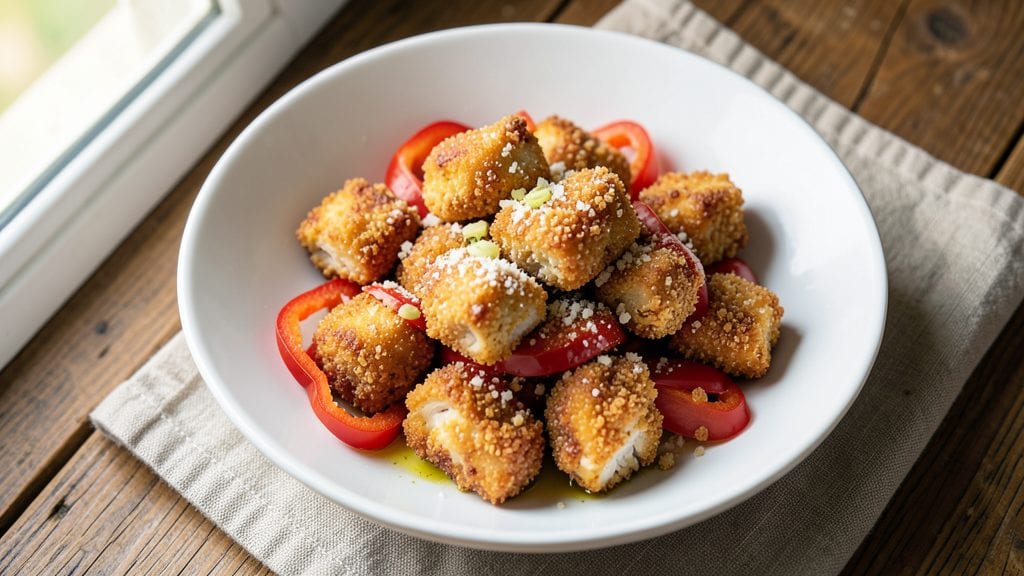
This Dino's chicken recipe delivers the perfect marriage of crispy celery-salt crust and impossibly juicy, herb-infused meat—just like the restaurant version. After years of testing variations, I've perfected a method that ensures every bite has that signature crunch while staying tender inside.
The secret lies in a precise balance of seasoning and cooking technique that transforms ordinary chicken into something extraordinary.
The recipe begins with a marinade of fresh herbs, garlic, and lemon juice that infuses the chicken overnight, creating that signature herbaceous flavor. Then, a light coating of celery salt and flour creates the iconic crunchy exterior when baked.
This isn't your typical breaded chicken—it's a restaurant-quality dish that's surprisingly simple to make at home with just a few key ingredients and proper timing.
By the time you pull this chicken from the oven, you'll have golden-brown pieces with crispy edges that shatter at every bite, revealing tender, flavorful meat inside.
The aroma alone will have everyone gathering around your table, and the taste? It's the closest you'll get to that beloved Dino's experience without leaving your kitchen.
Serve with classic sides like crispy fries or a fresh garden salad to complete the meal. The technique is foolproof once you understand the key steps—let's get started on recreating this iconic dish at home.
Ingredients for dino's chicken
Fresh herbs and celery salt transform simple chicken into restaurant-quality crunch.
| Ingredient | Amount | Notes |
|---|---|---|
| Boneless, Skinless Chicken Thighs 🍗 | 1 ½ lb | Cut into 1-inch pieces, pounded even |
| Fresh Rosemary 🌿 | ¼ cup | Finely chopped, fresh preferred |
| Fresh Thyme 🌿 | ¼ cup | Finely chopped, stems removed |
| Garlic Cloves 🧄 | 6 cloves | Minced, fresh preferred |
| Lemon Juice 🍋 | ½ cup | Freshly squeezed, no pulp |
| Olive Oil 🫒 | ¼ cup | Extra-virgin, for marinade |
| Celery Salt 🧂 | ½ cup | Diamond Crystal preferred |
| All-Purpose Flour 🌾 | ½ cup | Sifted, for coating |
| Salt 🧂 | 1 tsp | Kosher or sea salt |
| Black Pepper 🌶️ | ½ tsp | Freshly ground preferred |
| Butter 🧈 | 2 tbsp | Melted, unsalted |
| Fresh Parsley 🌿 | ⅛ cup | Chopped, for garnish |
The chicken thighs are non-negotiable here—bone-in, skin-on stays juicier, but boneless works if that's what you've got. Trader Joe's or Costco often have pre-cut thighs at a good price. Look for pieces with good marbling—those little white flecks of fat mean more flavor. If you can't find fresh rosemary or thyme, dried works at one-third the amount, but fresh is worth hunting down. The celery salt? Diamond Crystal is the gold standard—it's got that perfect celery flavor without overpowering. If you can't find it, mix regular salt with dried celery flakes (about 1 tbsp per cup of salt).
No fresh herbs? Dried oregano or basil can stand in, but reduce to one-third the amount. Want extra crunch? Add 1 tbsp crushed cornflakes to the flour coating. The butter in the marinade is key—unsalted, full-fat gives the best flavor. Short on time? Marinate for at least 4 hours instead of overnight, but overnight is ideal. The lemon juice should be freshly squeezed—bottled just doesn't cut it. And if you're feeling fancy, add 1 tsp lemon zest to the marinade for extra brightness.
This marinade keeps for 3 days in the fridge, but the chicken tastes best when marinated fresh. The coated chicken can be refrigerated for up to 24 hours before baking—just let it sit at room temp for 15 minutes before popping in the oven. Leftovers? They reheat beautifully—350°F for 10-15 minutes until crispy again. Store in an airtight container to keep that crunch. Garnish with fresh parsley right before serving—it adds a pop of color and freshness that ties everything together.
Why You'll Love This Recipe
- Minimal Ingredient Hunt: I swear by this recipe because it uses things I already have—no fancy shopping trips. Chicken thighs, a sprig of rosemary from my windowsill, garlic from the jar, and lemon juice from last week’s grocery run. That’s it. No overpriced herbs or weird spices cluttering my pantry.
- Garlic-Rosemary Magic: The moment those herbs hit the pan with the garlic, my kitchen smells like a Mediterranean vacation. The rosemary adds that piney freshness, the thyme brings warmth, and the lemon cuts through it all—like a bright, herby hug in every bite.
- Weeknight Workhorse: Between us, this is my go-to when I’m too tired to think. Toss the chicken in the marinade, pop it in the oven, and boom—dinner’s ready while I fold laundry. It’s equally great for date night (yes, even on a Tuesday) or when my college-aged kid texts, “What’s for dinner?”
- Leftovers That Don’t Suck: Honestly, I make this on purpose so I’ll have leftovers. The flavor only gets better the next day—those chicken thighs stay juicy, and the herbs mellow into something even richer. Pack it for lunch or reheat it for a lazy Sunday. No sad, dry chicken here.
Step-by-step instructions for Dino's chicken recipe
Here's how to create that signature celery-salt crust with a perfectly juicy, herb-infused center.
Prepare the Herb Marinade
In a mixing bowl, combine the 0.5 cup lemon juice, 0.25 cup olive oil, 0.25 cup fresh rosemary, 0.25 cup fresh thyme, 6 minced garlic cloves, 1 tsp salt, and 0.5 tsp black pepper. Whisk until fully integrated and the herbs release their aromatic oils. This bright, herby marinade will tenderize the chicken while infusing it with layers of flavor.
Place the 1.5 lb boneless, skinless chicken thighs in a resealable plastic bag and pour the marinade over them. Gently massage the marinade into the chicken, ensuring every piece is coated. Seal the bag and refrigerate for at least 2 hours, or overnight for maximum flavor penetration. The acidity in the lemon juice will break down muscle fibers, guaranteeing that juicy texture you're after.
Create the Celery-Salt Crust
Remove the chicken from the marinade and pat it dry thoroughly with paper towels. This step is crucial - any moisture left on the chicken will prevent the celery salt from adhering properly. In a shallow dish, combine the 0.5 cup celery salt and 0.5 cup all-purpose flour. The celery salt provides that signature crunch while the flour helps create a stable coating.
Working with one piece at a time, press each chicken piece into the celery salt mixture, coating all sides completely. I like to use my fingers to pack the coating firmly against the chicken - this ensures maximum adhesion when it hits the hot oil. Let the coated chicken rest for 10 minutes while you prepare your cooking station. This brief rest allows the coating to set slightly, preventing it from falling off during frying.
Fry to Golden Perfection
Heat 2 tablespoons butter in a large skillet over medium-high heat until the butter foams but doesn't brown. The butter should be hot enough to sizzle when you add the chicken, but not smoking - you're aiming for 350°F internal temperature. Add the coated chicken pieces in a single layer, being careful not to overcrowd the pan. Cook for 4-5 minutes per side until the coating is deep golden brown and crispy.
Here's where the magic happens: the celery salt crust should be crackling and crunchy while the chicken inside remains juicy and tender. You'll know it's ready when the internal temperature reaches 165°F and the coating releases easily from the pan. Transfer the fried chicken to a paper towel-lined plate to drain any excess oil, but leave the crispy coating intact. The contrast between that crunchy exterior and the moist, herb-infused meat is what makes this dish truly special.
Rest and Garnish
Let the chicken rest for 5 minutes before serving. This brief resting period allows the juices to redistribute throughout the meat, ensuring each bite remains succulent. While it rests, melt any remaining butter in the skillet over low heat and deglaze with 1 tablespoon of the reserved marinade, scraping up any browned bits from the bottom of the pan.
Spoon this flavorful butter sauce over the chicken and garnish with 0.125 cup chopped fresh parsley. The parsley adds a fresh, bright note that complements the rich, herby flavors. Serve immediately with lemon wedges on the side - a squeeze of fresh lemon juice enhances the herb flavors and cuts through the richness of the fried chicken.
Pro Tips For Making Dino'S Chicken
- SEAR THIGHS HARD: Cast iron or stainless steel only—get those thighs screaming hot for 4-5 minutes per side until deep golden. I used to rush this, and the herbs just sat on top instead of sticking. High heat first, then lower for the herbs to caramelize properly.
- CHOP HERBS FINE: Rosemary and thyme stems are tough—strip leaves and chop them smaller than you think. I learned this after biting into a stem mid-bite. Tiny pieces infuse better and won’t turn to mush when you add lemon juice later.
- DON’T OVERCROWD PAN: Chicken thighs need space to brown, not steam. Cook in batches if needed—crowding turns the pan into a soup and leaves you with soggy, unevenly seasoned meat. Trust me, the extra 2 minutes waiting is worth it.
- MINCE GARLIC THIN: Slice those cloves paper-thin instead of mincing—it burns faster and keeps the flavor bright. I used to smash it with the flat side of my knife, but now I just rock it back and forth for even slices. Less char, more flavor.
Troubleshooting your dino's chicken
Coating Too Crumbly
If your celery salt coating keeps falling off during frying, you’re likely dealing with excess moisture. I’ve found the fix is simple: pat the chicken pieces completely dry with paper towels before coating—no shortcuts here.
The key is also in the rest time—let the coated chicken sit for 10-15 minutes before frying. This helps the coating adhere better. For extra grip, add 1 tablespoon cornstarch to the flour mixture. Trust me, this trick works every time. 💡
Uneven Cooking
When your chicken comes out unevenly cooked, it’s usually because of overcrowding the pan. Fry in batches if needed—one layer only—to ensure even heat distribution. Use a meat thermometer to check internal temps (165°F is your target).
If the edges cook faster, reduce heat slightly to medium instead of high. I’ve also noticed that thinner pieces (½-inch) cook more evenly than thicker ones. Adjust your cutting if needed. ⚡
Lacking Crunch
The celery salt crust should be shatteringly crispy, but if yours is soft, your butter might not be hot enough. Heat the butter until it foams but doesn’t brown—this is your sweet spot (350°F).
For extra crunch, I like to double-coat the chicken: apply the first layer, let it set for 5 minutes, then add a second lighter coating. Another pro tip? Use Diamond Crystal celery salt—it’s the only one that delivers that signature crunch.
If all else fails, broil for 1-2 minutes at the end for a final crisp. 🌟
Dry Chicken Inside
Juicy chicken is non-negotiable, so if yours turns out dry, it’s likely overcooked. The marinade time is your first defense—overnight is ideal, but at least 2 hours will do. Also, don’t skip the rest after frying; let it sit for 5 minutes before serving.
For extra moisture, add 1 tablespoon melted butter to the marinade. And here’s a secret: bone-in, skin-on thighs stay juicier than boneless. If you’re using boneless, brining for 30 minutes in a saltwater solution (¼ cup salt per quart of water) makes a huge difference. 💪
Butter Burning
If your butter burns before the chicken is done, you’re cooking at too high a heat. Keep it at medium-high—you want gentle sizzling, not smoking. A deep skillet (like a 12-inch cast-iron) helps maintain even heat.
If you’re unsure, test with a wooden chopstick: if bubbles form around it within 30 seconds, your butter is ready. For extra insurance, use a thermometer to monitor the oil temp. And pro move?
Keep a small bowl of ice water nearby to cool the pan if it gets too hot. 🔥
Marinade Not Sticking
If your chicken isn’t absorbing the marinade, it’s likely because the pieces are too large or the bag isn’t sealed properly. Pound the chicken to ½-inch thickness for even coating, and massage the marinade into every nook. For stubborn pieces, use plastic wrap instead of a bag—it clings better.
Also, chill the chicken in the marinade for at least 2 hours (overnight is best). If you’re short on time, pierce the chicken lightly with a fork to help the flavors penetrate. 🌿
Nutrition facts
Frequently asked questions
Can I use chicken breasts instead of thighs?
Chicken thighs are ideal because they stay juicier and have more flavor, but you can use breasts if that's what you have. Pound them to ½-inch thickness and marinate for at least 4 hours (not overnight) to prevent drying. For extra moisture, add 1 tablespoon melted butter to the marinade.
What if I don't have celery salt?
Mix 1 cup regular salt with 1 tablespoon dried celery flakes (or 2 tablespoons fresh chopped celery finely ground). For best results, use Diamond Crystal celery salt—it has that signature flavor. If you can't find celery flakes, add ½ teaspoon onion powder to the flour mixture for depth.
How do I keep the coating crispy after baking?
After frying, transfer the chicken to a wire rack (not a plate) to let air circulate underneath. Keep it warm in a 200°F oven while you finish sides. For extra crunch, broil for 1-2 minutes right before serving. Avoid covering with foil—it traps steam and makes the coating soggy.
Can I make this ahead of time?
Marinate the chicken overnight for maximum flavor. Coat and refrigerate the pieces for up to 24 hours before frying. Reheat in a 350°F oven for 10-15 minutes to restore crispiness. For best results, fry fresh if possible—pre-cooked chicken loses some crunch.
What sides pair best with this dish?
Classic choices include crispy fries, creamy mac and cheese, or a fresh garden salad. For a lighter option, try roasted asparagus with lemon. The herb-forward chicken also works beautifully with buttery mashed potatoes or cornbread.