
Main Courses
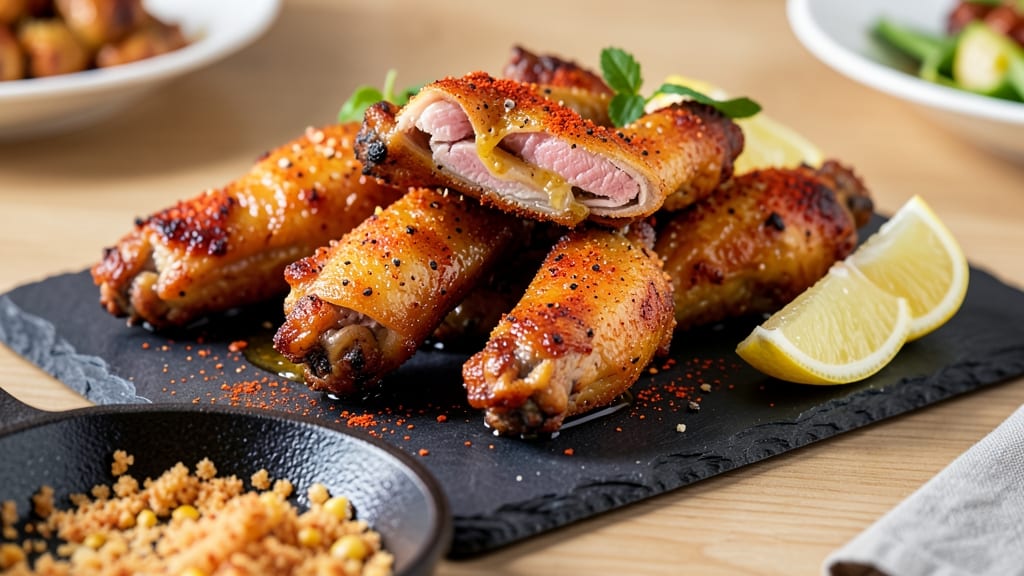
This crispy fried chicken wings recipe with cornstarch delivers restaurant-quality crunch in your own kitchen—no deep fryer required. I perfected this technique after years of testing, and the secret lies in a triple-crisp layer that stays crispy even after dipping.
The cornstarch coating creates that signature shatteringly crisp exterior while keeping the meat juicy inside.
What makes this recipe work is the combination of cornstarch and a precise frying technique. You'll start with a dry brine overnight, then coat the wings in a mix of cornstarch and spices before frying in 350°F oil for just 12-15 minutes.
The high heat ensures the cornstarch develops that perfect golden-brown crust without absorbing too much oil. This method guarantees wings that are crispy on the outside, tender on the inside, and ready in under an hour.
The result is wings with three distinct crispy layers: the cornstarch crust, the breading, and the skin itself. Each bite delivers that satisfying crunch while maintaining juicy meat underneath.
Serve with your favorite dipping sauces—whether it's classic ranch, spicy buffalo, or tangy BBQ—and watch these wings disappear faster than you can say "game day."
This recipe is designed for home cooks who want restaurant-quality wings without the fuss. With just five simple ingredients and a one-pan technique, you'll have crispy, golden wings that taste like they came from your favorite sports bar.
The key is patience and precision—let the cornstarch do its magic, and you'll never buy frozen wings again.
Ingredients for crispy fried chicken wings recipe cornstarch
Five key ingredients transform ordinary wings into restaurant-quality triple-crisp masterpieces—no deep fryer needed.
| Ingredient | Amount | Notes |
|---|---|---|
| Chicken Wings 🍗 | 2 lb | Split into drumettes and flats |
| Cornstarch 🌾 | ½ cup | Key for signature crispiness |
| All-Purpose Flour 🌾 | ½ cup | For texture layering |
| Paprika 🌶️ | 2 tbsp | Smoked for depth of flavor |
| Garlic Powder 🧄 | 1 tbsp | Freshly ground preferred |
| Ground Black Pepper 🌶️ | 1 tsp | Freshly cracked for heat |
| Kosher Salt 🧂 | 1 tbsp | Diamond Crystal preferred |
| Vegetable Oil 🫒 | 2 cups | High smoke point required |
| Butter 🧈 | 2 tbsp | Unsalted, melted for richness |
| Lemon Juice 🍋 | 1 tbsp | Freshly squeezed for brightness |
The cornstarch is non-negotiable here—it's what creates that signature shatteringly crisp exterior. Bob's Red Mill or Arrowhead Mills brands work best for this technique. For the chicken, split wings into drumettes and flats for even cooking. Freshly cut wings stay crispier longer than pre-cut ones. If you're buying whole wings, ask the butcher to split them for you. The vegetable oil needs a high smoke point (like Avocado oil or peanut oil), and you'll need about 2 inches of oil in your pan for proper frying.
No cornstarch? Arrowroot powder works in a pinch, but it won't give the exact same texture. Short on paprika? Smoked paprika is ideal**, but regular paprika plus a pinch of cayenne gives similar warmth. The butter and lemon juice at the end are what elevate these from good to restaurant-quality—don't skip them. For extra crispiness, pat the wings dry with paper towels before seasoning. The dry brine mentioned in the intro? Just salt the wings overnight in the fridge—trust me on this, it makes all the difference.
These wings stay crispy for about 20-30 minutes after frying, so serve them immediately. For leftovers, store in an airtight container but know they'll lose some crunch. Reheat in a 375°F oven for 5-7 minutes to restore crispiness. The oil can be reused for frying once or twice more if you strain it through a fine-mesh sieve. Portion your dipping sauces in small bowls—wings disappear fast, and you don't want sauce everywhere.
Why You'll Love This Recipe
- I’ll be real: chicken wings aren’t cheap, but this method stretches them far. The cornstarch coating uses less oil than traditional frying, and the leftovers? Perfect for salads, wraps, or reheating with a splash of hot sauce. Smart spending, big flavor.
- No-Fuss Crunch: I swear by the cornstarch trick—just toss those wings in flour first, then dredge them in cornstarch before frying. That extra step? Worth it for the shatteringly crisp coating that stays crunchy even after you’ve eaten half the batch.
- Garlic-Paprika Magic: Honestly, the seasoning mix is where this recipe shines. Paprika gives it that warm, smoky depth, while the garlic powder? It’s the secret weapon that makes every bite taste like it’s been kissed by a campfire. (Yes, even on a Tuesday night.)
- Game Day Ready: Between us, these wings are my go-to for game nights, tailgates, or just because. They freeze like a dream too—pull them straight from the freezer, fry them up, and boom. Crowd-pleaser with zero stress.
Step-by-step instructions for triple-crisp fried chicken wings
Here's how to achieve that legendary triple-crisp texture with perfect seasoning every time.
Prepare the Wings for Maximum Crisp
Pat the 2 lb chicken wings completely dry with paper towels—this is non-negotiable for crispiness. I mean really dry, especially around the joints where moisture tends to hide. Split each wing into drumettes and flats at the natural joint, then place them on a wire rack set over a baking sheet. This allows air to circulate on all sides, preventing soggy spots.
In a large bowl, whisk together the 0.5 cup cornstarch, 0.5 cup all-purpose flour, 2 tbsp paprika, 1 tbsp garlic powder, 1 tsp ground black pepper, and 1 tbsp kosher salt. The cornstarch creates that signature first layer of crisp, while the flour adds structure. I like to use a whisk for even distribution—no lumps allowed in this coating. Toss the dry wings in the seasoning mixture, shaking off any excess. Let them sit for 10 minutes at room temperature while you prepare the oil.
Heat the Oil to the Perfect Temperature
Fill a deep, heavy-bottomed pot or Dutch oven with 2 cups vegetable oil to a depth of about 2 inches. Attach a deep-fry thermometer and heat the oil over medium-high heat until it reaches 350°F. This temperature is crucial—too low and the wings absorb oil instead of crisping; too high and they burn before cooking through. I test the heat by dropping in a small piece of bread—when it sizzles vigorously and turns golden in 30 seconds, the oil is ready.
While the oil heats, melt the 2 tbsp butter in a small saucepan over low heat. As soon as it's fully melted, remove from heat and stir in the 1 tbsp lemon juice. This butter-lemon mixture will finish the wings with brightness and richness after frying. Keep it warm but not bubbling—it's ready when the butter is completely melted and the mixture looks glossy.
Fry the Wings in Two Batches for Even Cooking
Working in batches of no more than 8 wings at a time, carefully lower the seasoned wings into the 350°F oil using tongs or a slotted spoon. Fry for 8-10 minutes, turning occasionally, until the wings are deep golden brown and the internal temperature reaches 165°F. The first batch will take slightly longer than subsequent batches since the oil temperature drops when you add cold wings. If the oil temperature falls below 340°F, let it recover before adding more wings.
As soon as the wings are done, transfer them to a wire rack set over a baking sheet. This keeps them crispy by allowing hot air to circulate underneath. Immediately pour the warm butter-lemon mixture over the hot wings, tossing gently to coat. The acid in the lemon helps set the crust while the butter adds richness. Let them rest for 2 minutes before serving—this final step ensures the coating stays perfectly crisp.
Serve Immediately with Triple-Crisp Perfection
Serve the wings piping hot, straight from the wire rack. The triple-crisp texture comes from the cornstarch's initial snap, the flour's structural layer, and the butter-lemon finish that locks in moisture while keeping everything crispy. Each bite should deliver that satisfying crunch followed by juicy chicken underneath. For extra flavor, serve with a side of spicy mayo or blue cheese dressing—the contrast makes these wings unforgettable.
Real talk: Don't skip the resting time. I've learned the hard way that serving them too soon makes the coating soft. The 2-minute rest is what turns good wings into legendary wings. Enjoy immediately while they're at their crispest!
Pro Tips For Making Crispy Fried Chicken Wings Recipe Cornstarch
- CRANK THE HEAT FIRST: Don’t waste time easing into frying—your oil should hit 375°F (190°C) and stay there. I learned this after my first batch turned greasy instead of crispy; the wings need that initial shock to set the cornstarch crust properly. Use a thermometer, not guesswork.
- MIX DRY FLOUR AND CORNSTARCH: Skip the wet dredge first—toss your wings in paprika, garlic powder, and salt before coating them in the flour-cornstarch blend. This locks in seasoning under the crust, so it doesn’t wash away when frying. (Yes, it’s one extra step, but your wings will taste like they came from a restaurant.)
- DON’T OVERCROWD THE BATCH: Fry in small groups of 6-8 wings—any more and the oil temp drops, leading to soggy crusts. I used to dump them all in at once, and the result? A greasy, uneven mess. Patience here = golden, crispy perfection.
- LET THEM REST (YES, REALLY): After frying, transfer wings to a wire rack (not a plate) and let them sit for 5-7 minutes. This prevents steam from turning the crust limp. I know, I know—you want to eat them immediately—but resisting this step makes all the difference in texture.
Troubleshooting this dish
Oil Too Hot?
If your oil is smoking excessively or the wings brown too quickly (in under 5 minutes), your oil is too hot. Lower the heat immediately and let it recover to 350°F before proceeding. I've burned wings this way—trust me, it's not pretty.
Use a deep-fry thermometer to monitor temperature precisely. If your thermometer isn't accurate, test with a wooden chopstick: it should sizzle gently when submerged. 🔥
Soggy Wings?
Soggy wings usually mean one of two things: your oil wasn't hot enough, or you didn't pat the wings dry thoroughly. For extra insurance, place your wings on a wire rack over a baking sheet for 30 minutes in the fridge before coating.
This draws out any remaining moisture. Also, avoid overcrowding the pan—fry in batches of no more than 8 wings at a time to maintain proper oil temperature. 💧
Uneven Cooking?
If some wings cook faster than others, it's likely because they weren't all the same size or the oil temperature fluctuated. Trim any excess fat or skin from larger wings to ensure even cooking. For future batches, weigh your wings before splitting them—aim for 6-8 oz each.
Also, use tongs to gently agitate the oil while frying to distribute heat evenly. A heavy-bottomed Dutch oven helps maintain consistent temperatures better than a thin pot. ⚖️
Coating Falling Off?
This usually happens when the wings aren't fully dry before coating or when they're removed from the oil too soon.
Burnt Outside, Raw Inside?
This classic frying fail happens when oil temperature drops too low. Keep your oil at a steady 350°F by frying in small batches and letting the oil recover between additions. Use a thermometer to monitor temperature—never guess! If your wings are browning too quickly, lower the heat slightly. For extra insurance, cut into a test wing after 6 minutes of frying to check doneness before committing to the full time. 🌡️
Oil Smells Funny?
If your oil develops a strange, acrid smell after frying, it's time to replace it. Reused oil can break down and create off-flavors, especially if it's been used multiple times. For best results, use fresh oil for each batch of wings.
If you must reuse oil, strain it through a fine-mesh sieve after each use and store it in an airtight container in the fridge. Discard oil after 2-3 uses to maintain flavor and safety. 🚫
Nutrition facts
Frequently asked questions
Why does cornstarch make the wings extra crispy?
Cornstarch creates a shatteringly crisp exterior because it absorbs less moisture than flour alone. When heated, it forms a thin, glass-like layer that locks in crispiness while keeping the inside juicy. The 350°F oil is key—it cooks the cornstarch quickly to form that signature crunch. Think of it as the secret weapon for restaurant-quality texture at home!
Can I use this recipe with frozen wings?
Fresh wings work best, but if you must use frozen, thaw them completely in the fridge overnight. Pat them extra dry—frozen wings often have hidden moisture that ruins crispiness. For best results, buy fresh wings and split them yourself at the store. The extra effort makes all the difference!
What's the best oil for frying these wings?
Use vegetable, canola, or peanut oil—they all have high smoke points (400°F+) and stay stable at 350°F. Avoid olive oil (too low smoke point) or butter (burns easily). For extra flavor, some cooks use half peanut oil—it adds a subtle nuttiness that pairs perfectly with the cornstarch crust.
How do I keep the wings crispy after frying?
Transfer them immediately to a wire rack (not paper towels) to let air circulate underneath. Serve within 20-30 minutes—the coating stays crispy longest when hot. For leftovers, reheat in a 375°F oven for 5 minutes to restore crunch. Never microwave—it turns the coating soggy!
Can I make this recipe air fryer-style?
Not with this exact method—the cornstarch needs 350°F oil to crisp properly. However, you can try a hybrid approach: coat wings as directed, then air fry at 400°F for 12-15 minutes**, shaking halfway. The texture won't be as crispy, but it's a lighter alternative. For true crispiness, stick to deep frying!