
Main Courses
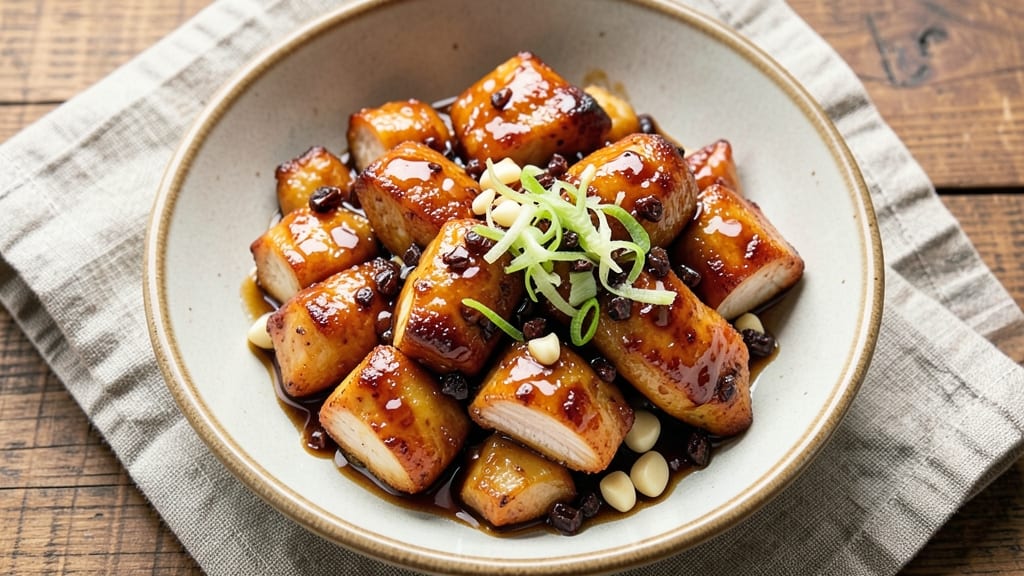
This copycat teriyaki chicken recipe delivers the same sticky, glossy sauce and perfectly balanced flavors you crave from your favorite Asian restaurant. The secret lies in a precise blend of soy sauce, mirin, and brown sugar that caramelizes beautifully while maintaining that signature tangy-sweet profile.
I’ve perfected this method over countless batches, ensuring the sauce clings to every bite without being overly sweet or cloying.
The process begins with marinating the chicken in a mixture of soy sauce, garlic, and ginger—this step infuses the meat with deep, aromatic flavors that develop as it cooks. Whether you grill, bake, or pan-sear, the technique remains the same: high heat for a caramelized crust and a tender interior.
The sauce itself is a foolproof combination of ingredients simmered to the perfect consistency, thick enough to coat but still silky smooth.
What you’ll end up with is restaurant-quality teriyaki chicken: golden-brown, juicy pieces glistening under a velvety sauce that balances sweet, salty, and umami notes. The sauce doesn’t just drip off the plate—it sticks to every bite, delivering that satisfying combination of textures and flavors.
This recipe is designed to impress, whether you’re serving it over rice, in a bowl with noodles, or straight from the pan.
Ready to recreate this dish at home? The instructions walk you through marinating, cooking, and sauce preparation with precision, ensuring you achieve the same results as the original. Let’s get started—your taste buds will thank you.
Ingredients for copycat teriyaki chicken
Sticky, glossy sauce and tender chicken—just nine ingredients make this restaurant favorite.
| Ingredient | Amount | Notes |
|---|---|---|
| Boneless, Skinless Chicken Thighs 🍗 | 1 ½ lb | Cut into 1-inch pieces |
| Kosher Soy Sauce 🍶 | ½ cup | High-quality, low-sodium preferred |
| Mirin 🍶 | ¼ cup | Sweet rice wine, not imitation |
| Dark Brown Sugar 🍚 | ⅓ cup | Packed, not lightly spooned |
| Garlic Cloves 🧄 | 6 cloves | Minced, fresh preferred |
| Fresh Ginger 🌿 | 2 tbsp | Finely grated, peeled |
| Sesame Oil 🫒 | 1 tbsp | Toasted, for aroma |
| Cornstarch 🌾 | 1 tbsp | For sauce thickening |
| Water 💧 | ¼ cup | Room temperature |
| Rice Vinegar 🍶 | 1 tbsp | White vinegar substitute |
| Sesame Seeds 🌰 | 1 tbsp | Toasted, for garnish |
| Vegetable Oil 🫒 | 2 tbsp | High smoke point |
| Diamond Crystal Kosher Salt 🧂 | ½ tsp | For seasoning |
| Black Pepper 🌶️ | ¼ tsp | Freshly cracked |
The chicken thighs are non-negotiable here—bone-in, skin-on if you can find them, but boneless works too. Trader Joe's or Whole Foods carry great cuts, but any grocery store's frozen section has pre-cut thighs. Look for pieces that are plump but not icy cold. Fresh ginger and garlic are worth the extra minute to peel and grate—pre-minced jars lack the punch. For the sauce, mirin is essential—don't substitute with regular rice wine. The Kikkoman brand soy sauce is reliable, but any high-quality kosher soy will do. Brown sugar should be dark and moist, not light and grainy.
No mirin? Substitute with 1 tbsp honey plus 1 tbsp water—it won't be identical, but it works in a pinch. Short on sesame oil? Toasted peanut oil adds a different but still delicious nutty depth. The cornstarch is key for that signature glossy finish—arrowroot powder works too, but cornstarch gives the classic texture. For the vinegar, white vinegar or apple cider vinegar both work, but rice vinegar's mildness is ideal. The sauce thickens as it cools, so start with slightly less cornstarch if you prefer it thinner. If you're making this ahead, store the sauce separately and reheat gently to maintain its silkiness.
Marinated chicken keeps 2 days in the fridge, but the sauce is best made fresh—it thickens beautifully when reheated. Portion the sauce into ice cube trays for easy storage, then transfer to a freezer bag. 3 months in the freezer, no problem. The chicken reheats best in a skillet over medium heat, just until warmed through. For extra crispiness, broil for 1-2 minutes at the end. Garnish with toasted sesame seeds right before serving—they add that crucial crunch and aroma that takes it from homemade to restaurant-quality.
Why You'll Love This Recipe
- One-Pan Magic: I swear by this recipe because it’s all about minimal cleanup. Toss the chicken thighs and sauce in one pan, let the mirin and brown sugar caramelize into that glossy glaze, and boom—done. No pots, no pans, no stress. (Yes, even on a Tuesday night.)
- Sweet-Savory Balance: That combo of kosher soy, mirin, and brown sugar? It’s like a flavor explosion in your mouth. The garlic cloves add a punch, but the sweetness keeps it from being overpowering—more like "I’d eat this every day" good.
- Lunchbox Hero: Between us, this is my go-to for meal prep. The sauce clings to the thighs, so they stay juicy even cold. Pack a few pieces with rice, and you’ve got a lunch that’ll make coworkers ask for the recipe.
- Budget Winner: Chicken thighs are cheaper than breasts, and this recipe stretches easily. Double the batch, freeze half, and you’ve got a reliable, tasty meal for when you’re short on time—or cash. (My wallet thanks me.)
Step-by-step instructions for glossy teriyaki chicken
This method delivers that signature sticky-sweet sauce that clings perfectly to each bite.
Prepare the Chicken and Marinate
Cut the 1.5 lb boneless, skinless chicken thighs into 1-inch pieces and place them in a bowl. In a separate small bowl, whisk together the 0.5 cup kosher soy sauce, 0.25 cup mirin, 0.33 cup dark brown sugar, 6 cloves minced garlic cloves, and 2 tbsp finely grated fresh ginger. Pour this marinade over the chicken and toss gently to coat evenly.
Let the chicken marinate for at least 30 minutes at room temperature. This step ensures the flavors penetrate deeply and the sugar begins caramelizing slightly, which is key for that authentic teriyaki depth. If you're short on time, even 15 minutes will work, but longer marinating yields better results.
Cook the Chicken Until Caramelized
Heat 2 tbsp vegetable oil in a large skillet over medium-high heat until shimmering. Working in batches if needed, add the marinated chicken pieces, leaving space between them to prevent steaming. Cook undisturbed for 3-4 minutes per side until the chicken is golden brown and caramelized in spots.
Here's the thing—don't overcrowd the pan. You want those beautiful caramelized edges that make this dish so special. If the chicken releases easily from the pan, it's ready to move. Transfer the cooked chicken to a plate and set aside, keeping it warm.
Build the Glossy Sauce
Reduce the heat to medium and add the 1 tbsp sesame oil to the same skillet. Let it warm for 30 seconds until fragrant. Sprinkle in the 1 tbsp cornstarch, stirring constantly for 1 minute to toast it lightly—this helps thicken the sauce properly without making it pasty.
Gradually pour in the 0.25 cup room temperature water while whisking vigorously to prevent lumps. Add the 1 tbsp rice vinegar and bring the mixture to a gentle simmer. Let it cook for 2-3 minutes until it thickens slightly and becomes glossy. The sauce should coat the back of a spoon smoothly.
Finish and Serve
Return the cooked chicken to the skillet and toss gently to coat in the sauce. Simmer for 1-2 minutes until the chicken is heated through and fully glazed. The sauce should be thick enough to cling but still glossy—if it's too thick, add 1-2 tbsp water to loosen it.
Transfer the chicken to a serving platter and sprinkle with 1 tbsp toasted sesame seeds. Serve immediately over steamed rice or noodles, ensuring each bite delivers that perfect balance of sweet, salty, and umami flavors. The sauce should be sticky enough to drip slightly when lifted with chopsticks—this is the hallmark of great teriyaki.
Pro Tips For Making Copycat Teriyaki Chicken
- Sear the Thighs First: Hit the chicken with a screaming-hot pan—no oil needed, just the natural fats—and let those thighs brown for 3-4 minutes per side before adding sauce. I used to skip this, thinking it’d make the sauce stick better, but the difference in flavor? Night and day. That crust locks in moisture and carries the teriyaki like it’s supposed to.
- Toast the Garlic: Mince those cloves fine, then cook them in the same pan where you seared the chicken—just until fragrant, about 30 seconds. Overcooking turns them bitter, and you’ll taste it in every bite. (Yes, even if you’re impatient like me.) This step makes the sauce sing without overpowering it.
- Reduce the Sauce Low: After deglazing the pan with mirin and soy sauce, crank the heat to medium-high to boil it off fast, then drop it to a simmer and let it reduce for 5-7 minutes. Skipping this step leaves you with a thin, watery glaze instead of that sticky, caramelized goodness. Trust me, the wait is worth it.
- Skip the Substitutes: If your recipe calls for mirin, don’t swap in white wine or rice vinegar—it’s not the same. The sweetness and umami in mirin are non-negotiable for that authentic teriyaki depth. (I know, it’s pricey, but your taste buds will notice the difference.) Use the cheap stuff if you must, but don’t cut corners here.
Make-ahead tips for leftovers
Marinate Ahead
The chicken marinade can be prepped 24 hours in advance—just store it in an airtight container in the fridge. I like to marinate overnight because the flavors meld beautifully, and the sugar starts caramelizing slightly.
If using, bring the chicken and marinade to room temperature for 30 minutes before cooking to ensure even cooking. The sauce itself should be made fresh, but you can prep the sauce ingredients separately and mix them when ready to cook. 💫
Sauce Prep Shortcut
Make the sauce base 1 day ahead by combining all ingredients except cornstarch and water. Store in an airtight container in the fridge. When ready to cook, simply add the cornstarch slurry (mix cornstarch with water) and simmer until thickened.
This saves time without sacrificing flavor. The sauce thickens further when reheated, so start with slightly less cornstarch if you prefer a smoother consistency. ✨
Freezer-Friendly Sauce
Portion the completed sauce into ice cube trays and freeze. Once solid, transfer cubes to a freezer bag for up to 3 months. Thaw overnight in the fridge before using.
To reheat, warm in a saucepan over low heat with 1 tbsp water to restore glossiness. Avoid microwaving—it breaks down the sauce’s silky texture. 🥶
Chicken Make-Ahead
Cooked teriyaki chicken stores well in the fridge for 3 days in an airtight container. Reheat in a skillet over medium heat with 1 tbsp water or sauce to prevent drying.
For extra crispiness, broil for 1-2 minutes at the end. Garnish with fresh sesame seeds right before serving to keep them toasted and aromatic. 🍗
Batch Cooking Tips
Double the recipe for meal prep—teriyaki chicken reheats beautifully for 3-4 days in the fridge. Store sauce and chicken separately to maintain texture. When ready to serve, reheat the sauce first, then toss with chicken.
For leftovers, serve over rice or noodles to keep the dish balanced. The sauce will thicken when chilled, so add a splash of water when reheating. 🍚
Garnish Last-Minute
Toast sesame seeds fresh before serving—they add crucial crunch and aroma. Use a dry skillet over medium heat for 1-2 minutes** until golden. Sprinkle over chicken just before serving to prevent sogginess.
For extra flair, add thinly sliced green onions or a drizzle of sesame oil. This final touch elevates homemade teriyaki to restaurant-quality. 🌟
Nutrition facts
Frequently asked questions
Can I use chicken breast instead of thighs?
You can, but thighs are preferred for this recipe. Chicken breast cooks faster and can dry out if overcooked. If using breast, cut into 1-inch cubes and cook for only 2-3 minutes per side at medium-high heat to maintain moisture. The sauce will still cling beautifully, but the texture will be slightly less tender.
Why is my teriyaki sauce too thin?
Sauce consistency depends on simmering time and cornstarch activation. If it's too thin, reduce heat to low and simmer uncovered for 2-3 more minutes, stirring constantly. For a thicker sauce next time, toast the cornstarch in oil for 30 seconds longer before adding water. If it's still runny, mix 1 tsp cornstarch with 1 tbsp water and stir in.
What's the best way to store leftovers?
Store cooked teriyaki chicken and sauce separately in airtight containers for up to 3 days in the fridge. To reheat, warm the sauce first in a saucepan over low heat with 1 tbsp water, then toss with chicken. For crispiness, broil for 1-2 minutes at the end. Garnish with fresh sesame seeds right before serving.
Can I make this in a slow cooker?
Yes, but with adjustments. Marinate chicken as directed, then place in the slow cooker with 0.25 cup sauce ingredients (excluding cornstarch). Cook on low for 4 hours, then remove chicken. Simmer the remaining sauce ingredients separately until thickened, then toss with chicken. The sauce won't be as glossy, but the flavors will be deep and tender.
How do I adjust the sweetness level?
For less sweetness, reduce brown sugar to 0.25 cup and add 1 tbsp extra rice vinegar. For more sweetness, increase brown sugar to 0.4 cup and add 1 tsp honey. Taste the sauce before adding chicken—it should balance sweet, salty, and umami. Adjust gradually to avoid overpowering the dish.