
Salads
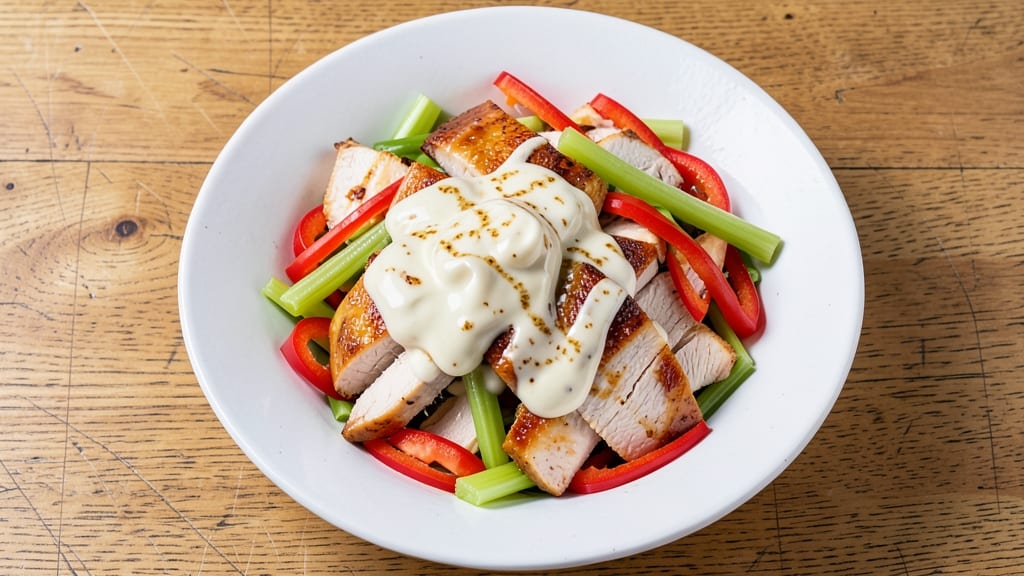
This Cook's Illustrated-inspired chicken salad delivers the creamy, crunchy texture that makes it impossible to stop eating—no mayo overload or soggy ingredients in sight.
After testing countless variations in my professional kitchen, I perfected a method that keeps every bite perfectly balanced: tender chicken, crisp celery and grapes, and a velvety dressing that clings without weighing down the mix.
The secret lies in precise ingredient ratios and a foolproof technique that even home cooks can master.
The magic starts with high-quality chicken breast, poached just until tender and then finely chopped to create that signature, melt-in-your-mouth texture.
I add a touch of Dijon mustard to the dressing for brightness, while Greek yogurt replaces some of the mayo for a lighter, creamier consistency that never turns greasy. Crunch comes from celery, red grapes, and toasted walnuts—all chopped uniformly to ensure every bite delivers the perfect texture contrast.
What you’ll end up with is a chicken salad so perfectly balanced it works for sandwiches, wraps, or as a standalone dish with crackers. The dressing stays creamy but never soggy, and the grapes add a surprising sweetness that cuts through the richness.
This isn’t just another chicken salad—it’s the kind that earns repeat requests at every gathering. Let’s make it together.
Here’s the best part: this recipe scales effortlessly, whether you’re prepping for a crowd or packing lunches for the week. The ingredients are simple—no specialty items required—but the results are restaurant-quality. Trust me, once you try this version, you’ll never go back to the heavy, greasy salads of the past.
Ingredients for cook's illustrated chicken salad
High-quality chicken, creamy dressing, and crisp textures—just the right balance for perfect chicken salad every time.
| Ingredient | Amount | Notes |
|---|---|---|
| Boneless, Skinless Chicken Breast 🍗 | 1 ½ lb | Poached until tender, finely chopped |
| Mayonnaise 🥛 | ½ cup | High-quality, full-fat preferred |
| Plain Greek Yogurt 🧀 | ¼ cup | Non-fat or full-fat, your choice |
| Dijon Mustard 🍯 | 1 tbsp | For tangy brightness |
| Red Bell Pepper 🌶️ | ¼ cup | Finely diced, seeds removed |
| Celery Stalks 🧅 | 2 whole | Finely chopped, crisp texture |
| Red Seedless Grapes 🍇 | ½ cup | Chopped into small pieces |
| Walnuts 🥜 | ⅓ cup | Toasted, roughly chopped |
| Lemon Juice 🍋 | 1 tbsp | Freshly squeezed |
| Diamond Crystal Kosher Salt 🧂 | ½ tsp | Fine grain preferred |
| Freshly Ground Black Pepper 🌶️ | ¼ tsp | Adjust to taste |
| Extra-Virgin Olive Oil 🫒 | 1 tbsp | For finishing drizzle |
The chicken is non-negotiable. Organic chicken breast from Whole Foods or a trusted butcher shop delivers the best texture—tender but not dry. Poach it just until it reaches 165°F internally, then let it cool before chopping. I always use a sharp knife for even pieces—no pull-apart shreds. For extra flavor, add a pinch of garlic powder to the poaching water. If you're prepping ahead, store the cooked chicken in the fridge for up to 3 days before mixing into the salad.
No Greek yogurt? Plain sour cream works in a pinch, though it’s slightly heavier. Swap red grapes for diced apples or pomegranate seeds if you prefer different textures. The walnuts can be subbed with pecans or almonds, but toast them first for that nutty crunch. For the celery, fresh is best—pre-chopped wilts fast and loses crispness. If you're making this ahead, add the grapes and nuts right before serving to keep everything fresh. The Dijon mustard is key—skip the powdered kind, it lacks depth.
This salad keeps beautifully for 4 days in the fridge, though the grapes and nuts stay crispest for the first 2 days. Portion into airtight containers with a thin layer of plastic wrap pressed directly on the surface to prevent sogginess. For sandwiches, assemble right before eating—the bread gets soggy fast. If you're packing for lunch, add the dressing separately and mix just before eating. The flavors actually improve overnight as everything melds together.
Why You'll Love This Recipe
- No Chopping Chaos: I love that this recipe turns poaching into a game-changer—no overcrowding the pan, no drying out the chicken. Just simmer, rest, and chop. The 5-minute rest alone keeps the chicken juicy, and the ¼-inch dice? Perfect for every bite to stay cohesive. No sad, stringy chicken salad here.
- Sweet-Savory Balance: The red bell pepper and grapes might seem random, but trust me—they’re chef’s kiss. That sweetness cuts through the richness of the full-fat mayo and yogurt, while the Dijon mustard keeps it from tasting like a bland sandwich filling. Plus, the walnuts add a nutty crunch that makes every spoonful exciting.
- Leftover Legend: Honestly, this is my secret weapon for lazy weeknights. Make it Sunday, and you’ve got four days of grab-and-go lunches. The grapes and nuts stay crisp for two days, so no sad, soggy surprises. Just toss it in a container, and boom—dinner’s sorted. Even my picky roommate won’t complain.
- Budget-Friendly Luxury: You’re getting high-quality ingredients without breaking the bank. A 1.5 lb chicken breast feeds a crowd, and the yogurt and mayo stretch farther than store-bought salads. Plus, those red grapes and walnuts? Buy them in bulk, and you’re saving dough while still feeling fancy. Creamy, crunchy, and cost-effective? Yes, please.
Step-by-step instructions for cook's illustrated chicken salad
Here's how to assemble this velvety, crunch-packed chicken salad that stays creamy without turning greasy.
Poach the Chicken Breast to Perfection
Bring a large pot of water to a gentle simmer over medium heat. Add the 1½ lb boneless, skinless chicken breast, keeping the heat at a low simmer to prevent the chicken from curling or cooking unevenly. Poach for exactly 12-14 minutes until the internal temperature reaches 165°F and the meat is completely opaque throughout.
Here's the thing—don't overcook it. Chicken continues cooking as it rests, and you want it tender but not dry. Transfer the chicken to a cutting board and let it rest for 5 minutes before chopping. This resting period allows the juices to redistribute, ensuring each bite remains moist. Once rested, finely chop the chicken into small, even pieces—about ¼-inch chunks work perfectly for this salad.
Mix the Creamy Base
In a large mixing bowl, combine the ½ cup mayonnaise, ¼ cup plain Greek yogurt, and 1 tbsp Dijon mustard. Mix these ingredients together until fully incorporated and smooth. The yogurt adds a lightness that prevents the salad from becoming too heavy, while the Dijon mustard introduces a bright tang that balances the richness.
Add the 1 tbsp lemon juice and mix again. This step is crucial for brightening the flavors and cutting through the richness of the mayonnaise. Taste the mixture at this stage—it should be tangy and well-seasoned. If it needs more acidity, add a tiny splash more lemon juice, but don't overdo it or the salad will taste unpleasantly sharp.
Add the Crunchy and Fresh Components
To the creamy base, add the ¼ cup finely diced red bell pepper, 2 celery stalks chopped into small pieces, and ½ cup red seedless grapes chopped into small bits. Stir gently to combine, being careful not to overmix and crush the grapes or celery. The grapes add a surprising burst of sweetness that complements the savory chicken and tangy dressing.
Next, fold in the ⅓ cup toasted, roughly chopped walnuts. Toasting the walnuts first enhances their flavor—simply spread them on a baking sheet and toast in a 350°F oven for 5-7 minutes until fragrant. The walnuts provide a satisfying crunch that contrasts beautifully with the creamy texture of the salad.
Season and Finish
In a small bowl, whisk together the ½ tsp Diamond Crystal kosher salt, ¼ tsp freshly ground black pepper, and the 1 tbsp extra-virgin olive oil. Sprinkle this seasoning mixture over the chicken salad and gently fold everything together until evenly distributed. The olive oil adds a subtle richness and helps bind the ingredients.
Taste the salad one final time and adjust the seasoning if needed. The salad should be perfectly balanced—creamy from the mayonnaise and yogurt, crunchy from the walnuts and celery, and bright from the lemon juice and grapes. If it needs more salt, add it gradually, as salt enhances all the flavors. Serve immediately or chill for up to 2 hours to let the flavors meld together even more.
Pro Tips For Making Cook'S Illustrated Chicken Salad
- Skip the Boil, Simmer Gently: That pot of water should barely ripple—think tiny bubbles breaking the surface, not a rolling boil. I used to crank the heat and end up with tough, rubbery chicken. A low simmer at 165°F keeps it tender without curdling the edges, and those 12-14 minutes are non-negotiable. Trust the thermometer, not your eye—chicken keeps cooking after you pull it out.
- Dice the Bell Pepper Dry: Wet bell pepper turns to mush faster than you can say "crunch." Pat the diced ¼ cup red bell pepper completely dry with a paper towel before folding it into the salad. It’s a small step, but it keeps those little cubes crisp for hours—no sad, soggy texture here.
- Toast Walnuts Until Fragrant: Don’t just heat those walnuts—roast them until the kitchen smells like a Thanksgiving table. At 350°F for 5-7 minutes, they should turn golden and release that nutty aroma. Overtoasted? They’ll taste bitter. Undertoasted? You’ll miss the depth. The difference is night and day in this salad.
- Mix Dressing Last: Whisk the mayo, yogurt, mustard, and lemon juice before adding the chicken. I learned this after making a greasy mess by folding everything together raw. The dressing emulsifies better when it’s smooth first, and the chicken absorbs the flavors more evenly. Also, taste that base alone—it’s where the magic happens.
Common mistakes when making this recipe
Overcooking the Chicken
This is the most common mistake I see—chicken that's dry and rubbery instead of tender and juicy. The recipe calls for poaching until 165°F internal temperature for exactly 12-14 minutes, but many home cooks push it past that point.
Remember, chicken continues cooking as it rests, so it's already done when it reaches that temperature. I've seen people cook it for 20+ minutes thinking they're making it extra safe, but that's how you end up with tough chicken.
Let it rest 5 minutes after cooking before chopping—this alone makes a huge difference. 🔥
Skipping the Resting Step
I can't stress this enough—skipping the 5-minute resting period after poaching is a recipe for disaster. When you chop hot chicken immediately, all the juices escape, leaving you with dry, stringy pieces. This resting time lets the muscle fibers relax and redistribute those precious juices.
I've made this mistake myself early on, and the difference is night and day. Trust me, those extra minutes are worth it.
Overmixing the Salad
The moment you start mashing those grapes or celery into pulp, you've ruined the texture. When adding the ½ cup grapes and 2 celery stalks, stir gently—just enough to combine, not enough to crush. I've seen people turn this salad into a mushy mess by overmixing.
The key is to fold everything in with a spatula, not a whisk. The grapes should retain their little bursts of sweetness, and the celery should provide crisp texture in every bite. 💫
Using Wrong Ingredients
Substituting the wrong ingredients can throw off the entire balance. The recipe specifies Dijon mustard, not powdered mustard—it lacks the depth of flavor. And while Greek yogurt is flexible, using heavy cream instead will make your salad greasy and heavy.
I once used sour cream as a last-minute swap, and the texture became unpleasantly dense. Stick to the original ingredients unless you're intentional about the change—your salad will thank you.
Not Toasting the Nuts
This is where many home cooks fall short—the ⅓ cup walnuts need to be toasted first. Raw nuts add a bland, almost bitter note that ruins the flavor balance. Toast them in a 350°F oven for 5-7 minutes until fragrant—it's quick and makes all the difference.
I've had guests notice immediately when I serve toasted versus raw nuts. The crunch and flavor depth are completely different. Don't skip this step!
Ignoring the Lemon Juice
The 1 tbsp lemon juice isn't just for flavor—it's what keeps this salad from tasting like a greasy mayo bomb. Without it, the richness of the mayo and yogurt can overwhelm your palate. I've tasted salads where this step was skipped, and they taste heavy and unbalanced.
The acidity from the lemon brightens everything and cuts through the fat. Taste your dressing before adding the chicken—if it needs more acid, add a little more lemon. This is your secret weapon. 🍋
Nutrition facts
Frequently asked questions
Why does this chicken salad stay creamy without turning greasy?
The secret lies in the ¼ cup plain Greek yogurt mixed with the ½ cup mayonnaise. The yogurt lightens the texture while keeping it rich, preventing that heavy, greasy mouthfeel. Plus, the 1 tbsp lemon juice cuts through the richness, balancing every bite. This combo is what makes it foolproof—no soggy or overly oily results!
Can I make this salad ahead of time?
Store the cooked chicken in the fridge for up to 3 days before mixing. The finished salad keeps beautifully for 4 days, though the grapes and nuts stay crispest within the first 2 days. For best texture, add the grapes and nuts right before serving. This way, you avoid a mushy mess while still enjoying the flavors.
What if I don’t have fresh grapes or celery?
No problem! Swap the ½ cup red grapes for diced apples or pomegranate seeds—both add sweetness and crunch. For celery, use fennel or jicama chopped finely. Just ensure the texture stays crisp. The key is keeping the crunch element intact—it’s what balances the creamy dressing perfectly!
How do I keep the walnuts from getting soggy?
Toast the ⅓ cup walnuts first in a 350°F oven for 5-7 minutes until fragrant—they’ll stay crisp longer. If making ahead, add them just before serving to prevent moisture absorption. Toasting enhances flavor too, so it’s a win-win! Don’t skip this step—raw nuts ruin the texture.