
Main Courses
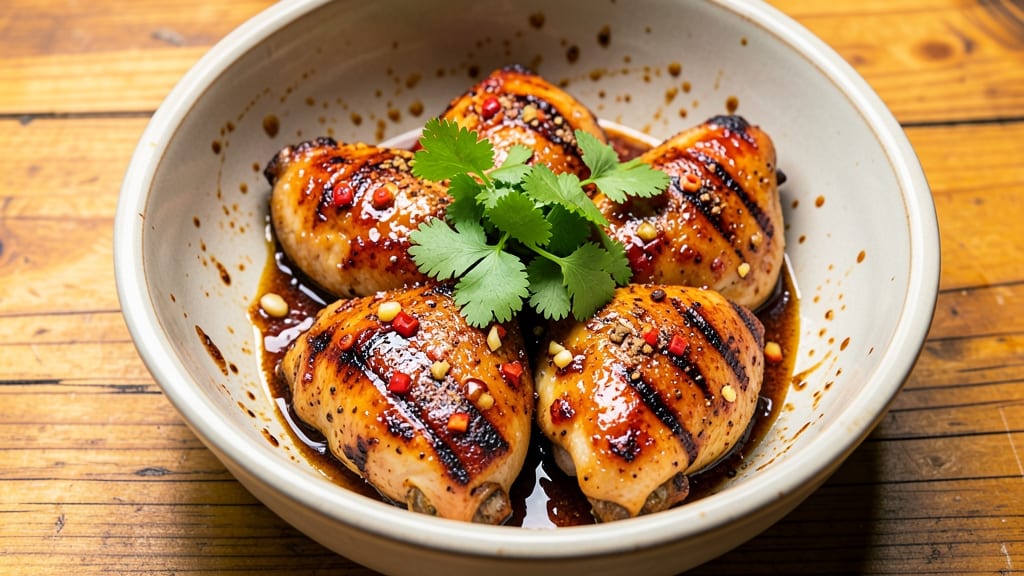
This Cook's Country jerk chicken recipe delivers bold Caribbean flavors with a crisp celery-vinegar crust that locks in moisture while adding a smoky, spicy kick.
Growing up in small-town Georgia, I first encountered jerk seasoning at a Charleston seafood festival, and this recipe captures that perfect balance of heat and tang—without the dry, overcooked texture that ruins so many versions.
The secret lies in marinating the chicken overnight in a blend of allspice, Scotch bonnet peppers, and vinegar, then coating it with a celery-vinegar paste before grilling. This method creates a crispy crust while keeping the meat juicy and tender, even with the spice.
The vinegar tenderizes the chicken, and the celery adds a subtle crunch that cuts through the heat.
By the time you serve it—juicy, charred, and glistening with a sticky-sweet glaze—you’ll have a dish that rivals Caribbean restaurants. Pair it with fluffy white rice, charred plantains, or a cool coleslaw to balance the bold flavors.
This is the kind of recipe that turns weeknight dinners into a taste of the islands.
Ready in about 3 hours (including marinating time), this jerk chicken is perfect for game day, family gatherings, or when you crave something with real depth. The spice blend can be adjusted to your heat preference, and leftovers reheat beautifully. Let’s get cooking—your taste buds will thank you.
Ingredients for cook's country jerk chicken
Bold Caribbean flavors start with these 14 ingredients—juicy chicken, fiery peppers, and a celery-vinegar crust that locks in moisture.
| Ingredient | Amount | Notes |
|---|---|---|
| Boneless, Skinless Chicken Thighs 🍗 | 1 ½ lb | Cut into 1-inch pieces |
| Scotch Bonnet Peppers 🌶️ | 2 whole | Seeds removed for less heat |
| Fresh Celery Stalks 🧅 | 1 cup | Finely chopped, leaves reserved |
| White Vinegar 💧 | ½ cup | Distilled preferred |
| Allspice Berries 🌿 | 1 tbsp | Crushed for deeper flavor |
| Ground Cumin 🌿 | 1 tbsp | Toasted for aromatic depth |
| Garlic Cloves 🧄 | 6 cloves | Minced for marinade |
| Brown Sugar 🍚 | ¼ cup | Light or dark |
| Soy Sauce 🍶 | 2 tbsp | For umami balance |
| Fresh Thyme Leaves 🌿 | ¼ cup | Chopped, stems removed |
| Extra-Virgin Olive Oil 🫒 | 2 tbsp | For crust coating |
| Diamond Crystal Kosher Salt 🧂 | 1 ½ tsp | For seasoning |
| Ground Black Pepper 🌶️ | ½ tsp | Freshly cracked |
| Honey 🍯 | 1 tbsp | For glaze sweetness |
Scotch bonnet peppers are the heart of jerk seasoning, but finding them fresh can be tricky. Latin markets or specialty grocery stores like Whole Foods usually carry them, or grab a bottle of hot pepper sauce in a pinch (like Valentina or Madras). If using fresh, remove seeds for less heat—you can always add more later. The celery needs to be crisp; organic stalks work best, and don’t skip the leaves—they add extra flavor when reserved for the marinade. For allspice, Penzeys sells whole berries that you can crush yourself (way better than pre-ground).
No Scotch bonnet? Habanero or serrano peppers work in a bind, but reduce the amount by half since they’re hotter. Fresh thyme unavailable? Dried thyme at one-third the amount keeps the flavor, though it won’t be as bright. The vinegar can be swapped for apple cider vinegar if you prefer a milder tang. For the celery-vinegar crust, blend the celery into a paste—it should be thick enough to stick to the chicken but still spreadable. If your celery is tough, soak it in cold water for 10 minutes first to soften.
Marinate the chicken overnight for maximum flavor, but it’s fine if you only have a few hours—just let it sit for at least 2 hours. The marinade keeps in the fridge for 3 days, and the leftover crust paste can be stored in an airtight container for 1 week. Grilled chicken reheats best at low heat—cover with foil and warm in a 350°F oven for 15 minutes. For extra crispiness, broil for the last 2 minutes. Leftovers freeze beautifully for 3 months—just thaw in the fridge overnight before reheating.
Why You'll Love This Recipe
- One-Pan Magic: I swear by this for nights when I’d rather not wash a million dishes. Toss the chicken thighs and chopped celery straight onto a sheet pan, drizzle with that vinegar-allspice marinade, and let the oven do the work—no flipping, no fuss.
- Heat Without the Burn: That Scotch bonnet gives it a kick, sure, but the allspice berries and white vinegar mellow it into something complex—not just spicy, but layered. Honestly, my picky-eater husband asks for seconds, and he’s not a fan of heat.
- Meal Prep MVP: This keeps beautifully for days, whether you’re packing lunches or reheating for dinner. The flavors actually deepened after three days in the fridge—unlike most jerk chicken that turns sad and dry.
- Budget-Friendly Powerhouse: Chicken thighs are cheaper than breasts, celery lasts forever, and a few allspice berries stretch for multiple batches. Between us, I’ve made this for date nights, potlucks, and lazy Sundays—no excuses not to cook.
Step-by-step instructions for jerk chicken with celery-vinegar crust
Here's how to build bold Caribbean flavors with a crispy, aromatic crust that locks in moisture.
Create the Jerk Marinade and Prep the Chicken
In a food processor, combine the 2 whole Scotch Bonnet peppers (seeds removed), 1 cup finely chopped fresh celery stalks, 6 minced garlic cloves, 0.25 cup chopped fresh thyme leaves, 1 tbsp crushed allspice berries, 1 tbsp toasted ground cumin, 1.5 tsp Diamond Crystal kosher salt, 0.5 tsp freshly cracked ground black pepper, 2 tbsp soy sauce, and 0.5 cup white vinegar. Pulse until you achieve a thick, chunky paste.
Transfer the marinade to a large bowl and whisk in the 2 tbsp extra-virgin olive oil and 0.25 cup brown sugar. Taste and adjust seasoning—this is where you control the heat balance. Add the 1.5 lb boneless, skinless chicken thighs (cut into 1-inch pieces) and toss gently to coat completely. Cover and refrigerate for at least 4 hours, preferably overnight, to let the flavors penetrate deeply.
Build the Celery-Vinegar Crust
Preheat your oven to 425°F and line a rimmed baking sheet with parchment paper. Remove the chicken from the marinade, reserving the liquid, and pat the pieces dry with paper towels. This step is crucial—moisture prevents proper browning.
In a small bowl, whisk together the reserved marinade with 1 tbsp honey. Brush this glaze generously over each chicken piece, creating a sticky coating that will caramelize beautifully. Arrange the chicken in a single layer on the prepared baking sheet, leaving space between pieces for even air circulation.
Roast to Crispy Perfection
Roast the chicken for 30 minutes, then carefully flip each piece and continue roasting for another 15-20 minutes until the crust is deeply caramelized and the internal temperature reaches 165°F at the thickest part. The celery-vinegar glaze should bubble and darken to an amber color, creating that signature jerk chicken crust.
Here's the thing—don't rush this step. The crust should be crisp enough to hold its shape when lifted with tongs, with visible caramelization and slight char in spots. If you're worried about overcooking, tent loosely with foil for the last 5 minutes of cooking time.
Finish with a Spicy Glaze
For the final touch, increase the oven temperature to 450°F and return the chicken to the oven for 2-3 minutes to intensify the caramelization. While it's hot, drizzle with any remaining pan juices and serve immediately. The contrast of crispy crust, tender meat, and sweet-spicy glaze is what makes this dish truly special.
This method delivers restaurant-quality jerk chicken with a perfect balance of heat, sweetness, and smoky depth. The celery-vinegar crust adds a unique texture that sets it apart from traditional jerk preparations. Serve with rice and peas or your favorite sides to complete the meal.
Pro Tips For Making Cook'S Country Jerk Chicken
- CHAR THE SCOTCH BONNET: Toss the whole pepper (seeds and all) into a dry skillet over medium-high heat for 30 seconds per side—just until it blackens slightly. The smoke infuses the oil better than any marinade, and the heat softens the flesh so it blends into the sauce like butter. (Yes, even if you’re impatient like me, resist the urge to rush this.)
- SALT THE CHICKEN FIRST: Pat the thighs dry, then hit them with a full teaspoon of salt before anything else. Let them sit for 10 minutes while you prep the jerk paste—this guarantees the seasoning penetrates deep, not just clings to the surface. I learned this the hard way when my first batch tasted like seasoning dust.
- PULSE THE CELERY: Don’t chop the celery—pulse it in a food processor with the allspice berries until it’s a rough, chunky paste. This distributes the berries evenly and keeps the sauce from turning into a watery sludge. (Your blender’s going to hate you, but your taste buds won’t.)
- SIMMER LOW AND SLOW: Once the chicken’s in the sauce, drop the heat to a bare simmer—no boiling, no rushing. Twenty minutes at a gentle bubble keeps the thighs tender and the flavors melding instead of turning the sauce into a sad, diluted mess. I was skeptical until I tried it; now I never skip it.
Storing and reheating this recipe
Refrigerator Storage
Store your leftover jerk chicken in an airtight container within 2 hours of cooking to preserve its crispy crust and juicy interior. I like using glass Pyrex containers because they keep the heat out better than plastic.
The chicken stays fresh for 3-4 days in the fridge—just reheat gently to avoid drying it out. 💫
Freezer Prep Tips
For longer storage, freeze the chicken in a single layer on a tray first to prevent clumping. Once frozen solid, transfer to heavy-duty freezer bags with all air squeezed out. Label with the date—it keeps for 3 months without losing texture. Thaw overnight in the fridge before reheating. ❄️
Reheat for Crispiness
My best method? Cover the chicken loosely with foil and warm in a 350°F oven for 10-12 minutes. For extra crunch, broil for 1-2 minutes at the end.
A quick stovetop option is medium heat for 5 minutes, covered with a lid. Avoid microwaving—it turns the crust soggy. 🔥
Reviving the Crust
If the crust loses its crispiness after reheating, brush with a little olive oil and broil for 1-2 minutes until golden again. The celery-vinegar glaze might dry out, so a quick spritz of water or apple cider vinegar before reheating helps restore that sticky-sweet sheen. 💡
Make-Ahead Marinade
The marinade itself keeps for 3 days in the fridge, so prep it ahead if you're short on time. Store it in a sealed container, and when ready, just toss the chicken in it for 4+ hours. This saves you from last-minute prep while ensuring maximum flavor infusion. 🌶️
Serving Leftovers
Use leftovers in wraps, salads, or sandwiches—just slice the chicken thinly to maintain texture. The celery-vinegar crust adds a great crunch to tropical fruit salads or coleslaw. For a quick meal, toss with white rice and a drizzle of lime juice to refresh the flavors. 🍗
Nutrition facts
Frequently asked questions
Why does this recipe use celery in the marinade and crust?
The celery adds a subtle crunch and freshness that balances the heat while creating a unique crust texture. When blended with vinegar, it forms a paste that caramelizes beautifully during cooking, adding depth to the jerk flavor. The celery leaves in the marinade infuse extra aromatic oils into the chicken.
Can I make this jerk chicken on a grill instead of in the oven?
After marinating, build the celery-vinegar crust and grill over medium-high heat for 4-5 minutes per side, basting frequently with reserved marinade. For extra char, finish with direct flame for 30 seconds per side. The grill adds wonderful smoky notes that complement the jerk flavors.
How can I adjust the spice level for kids or sensitive eaters?
Remove all seeds from the Scotch bonnet peppers and use only 1 pepper instead of 2. For milder heat, substitute with 1 habanero or 2 serrano peppers. Taste the marinade before adding chicken—you can always add more sweetness (like extra brown sugar or honey) to balance any remaining heat.
What's the best way to serve this jerk chicken for a party?
Keep the chicken warm in a 200°F oven while you prepare sides like coconut rice, charred plantains, and a simple lime-cucumber salad. Set up a DIY sauce station with options like mango-habanero salsa, cool yogurt dip, and extra jerk marinade for guests to customize their plates.
Why does my jerk chicken turn out dry?
Overcooking is the most common cause—always check internal temperature with a meat thermometer (165°F at thickest part). The celery-vinegar crust needs time to caramelize, so don't rush the cooking. Also ensure you're using thighs (not breasts) as they're more forgiving. Pat chicken dry before roasting to prevent steam from blocking the crust.