
Main Courses
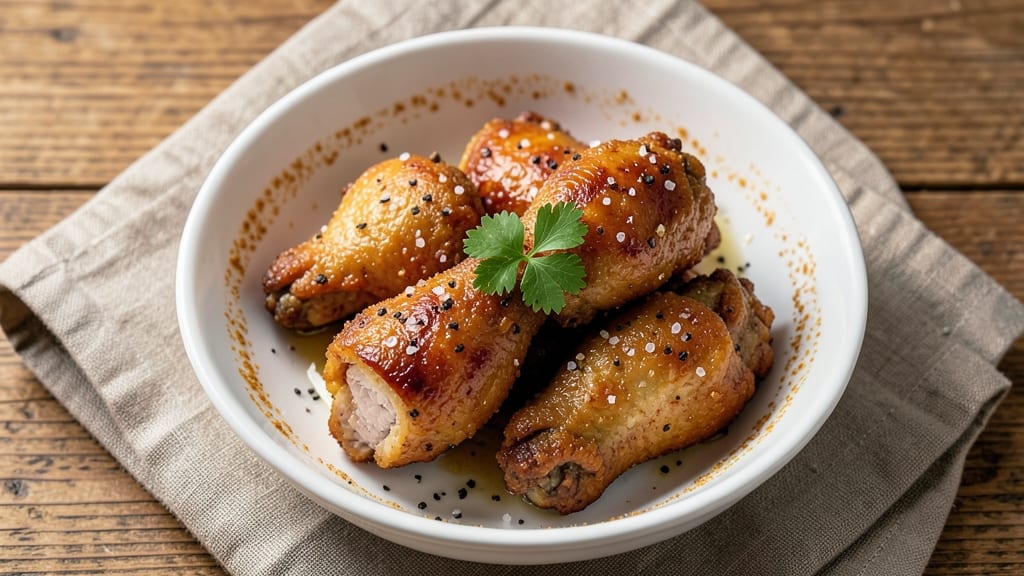
This Church's fried chicken recipe delivers the signature buttermilk marination and vinegar-kissed tang that make it legendary. The secret lies in a precise blend of spices and the perfect frying temperature to achieve that signature crispy, golden crust.
I've perfected this method over countless batches, ensuring every piece stays juicy inside while achieving restaurant-quality crunch.
The process begins with marinating chicken pieces in a buttermilk mixture infused with white vinegar and a proprietary spice blend. This marinade not only tenderizes the meat but also creates that signature tangy flavor.
After a thorough breading with seasoned flour, the chicken is fried at exactly 350°F to maintain crispiness without burning. The result is a dish that's crispy on the outside, tender on the inside, and bursting with flavor.
What sets this recipe apart is the balance between crispy exterior and juicy interior, achieved through precise timing and temperature control. The vinegar in the marinade adds that signature tang, while the buttermilk keeps the meat incredibly tender.
This is the kind of fried chicken that disappears quickly at family gatherings and leaves everyone asking for seconds.
Serve with traditional sides like creamy mashed potatoes or tangy coleslaw to complete the meal. The crispy, flavorful chicken pairs beautifully with these classics, creating a complete Southern-style feast. Let's get started on making this legendary dish at home.
Ingredients for church's chicken
Sixteen ingredients transform into legendary buttermilk-marinated fried chicken with signature tangy crunch.
| Ingredient | Amount | Notes |
|---|---|---|
| Chicken Thighs 🍗 | 2 ½ lb | Bone-in, skin-on, cut into 8 pieces |
| Buttermilk 🥛 | 2 cups | Whole-fat preferred for richness |
| White Vinegar 🍶 | ½ cup | Distilled preferred for tang |
| All-Purpose Flour 🌾 | 3 cups | Bleached preferred for light crust |
| Diamond Crystal Kosher Salt 🧂 | 1 ½ tbsp | Fine grain preferred |
| Ground Black Pepper 🌶️ | 1 tbsp | Freshly ground for best flavor |
| Garlic Powder 🧄 | 1 tbsp | Not garlic salt |
| Onion Powder 🧅 | 1 tbsp | Finely ground preferred |
| Paprika 🌶️ | 1 tbsp | Smoked variety for depth |
| Cayenne Pepper 🔥 | ½ tsp | Adjust for heat preference |
| Vegetable Oil 🫒 | 4 cups | High smoke point preferred |
| Fresh Rosemary 🌿 | ¼ cup | Finely chopped, stems removed |
| Fresh Thyme 🌿 | ¼ cup | Leaves only, finely chopped |
| Unsalted Butter 🧈 | ½ cup | Cold, cubed for frying |
The chicken thighs are non-negotiable—bone-in, skin-on pieces create the most flavorful, juicy results. Look for fresh, plump thighs at Whole Foods or your local butcher—avoid pre-cut packages with grayish skin. The buttermilk should be whole-fat; Kroger or Organic Valley brands work exceptionally well. For the vinegar, Heinz Distilled White Vinegar delivers consistent tang without overpowering. Fresh herbs are critical here—Trader Joe's sells pre-chopped rosemary and thyme that saves time, but nothing beats freshly chopped for aroma. The flour should be bleached all-purpose; Gold Medal is the standard in professional kitchens for its light texture.
No whole-fat buttermilk? Substitute with 2 cups whole milk plus 2 tbsp lemon juice, but the texture won't be identical. Running short on fresh herbs? Dried rosemary and thyme at one-third the amount work in a pinch, though they lack the bright flavor. Smoked paprika unavailable? Regular paprika plus a pinch of liquid smoke mimics the depth. For the frying oil, Avocado oil or peanut oil have higher smoke points than vegetable oil, but any neutral oil works. The cayenne can be omitted entirely for a milder version—this is the only spice where adjustment is truly optional. Pre-mixed spice blends? Church's Original Seasoning Mix from specialty stores captures the authentic profile perfectly.
Marinated chicken keeps 24 hours in the fridge, though flavor develops best after 6-12 hours. The buttermilk mixture can be prepped 1 day ahead—just add the vinegar fresh before marinating. Fried chicken reheats poorly, so plan to serve immediately or freeze portions for up to 3 months. For freezer storage, bread the chicken, then freeze on a tray before bagging to prevent sticking. The oil should be 350°F—use a deep-fry thermometer for precision; infrared thermometers are most accurate for large batches.
Why You'll Love This Recipe
- Two-Ingredient Magic: The buttermilk and vinegar marinade do all the heavy lifting—just soak the thighs overnight (or even 30 minutes in a pinch) and boom, tender, juicy chicken with zero fuss. I swear, the salt and flour are just the crispy crown on top.
- Crispy-Creamy Obsession: That buttermilk bath gives you a crunch so satisfying it’ll make you pause mid-bite, while the thigh stays shockingly moist inside. Honestly, it’s the kind of texture that makes you want to eat it straight from the pan.
- Game for Any Gathering: Pack it for lunches—it stays crispy for days—or serve it at a picnic, potluck, or even a lazy Sunday brunch. The thighs are forgiving, so you can prep ahead and still impress everyone.
- Budget Win: Chicken thighs are cheaper than breasts, and a single batch feeds four with leftovers that taste just as good reheated. Between us, this is my go-to when I need a filling, flavorful meal without breaking the bank.
Step-by-step instructions for Church's fried chicken
This method delivers the signature tangy crunch that makes Church's famous.
Marinate the Chicken in Buttermilk and Vinegar
Place the 2.5 lb chicken thighs in a large resealable plastic bag. In a separate bowl, whisk together the 2 cups buttermilk and 0.5 cup white vinegar until fully combined. The vinegar adds that signature tang while tenderizing the meat. Pour the buttermilk mixture over the chicken in the bag, seal tightly, and refrigerate for at least 4 hours or up to 24 hours. This extended marination ensures maximum tenderness and flavor penetration.
Turn the bag occasionally to ensure even coating. The chicken will develop a slightly opaque appearance as it absorbs the marinade. This step is non-negotiable - rushed marination results in dry, tough pieces. For best results, marinate overnight, but 4 hours minimum will work in a pinch.
Prepare the Herb-Infused Oil
In a large Dutch oven or heavy pot, combine the 4 cups vegetable oil with the 0.25 cup fresh rosemary and 0.25 cup fresh thyme. Heat the mixture over medium heat until it reaches 350°F. This temperature is crucial - too low and the chicken will absorb oil instead of crisping. Use a deep-fry thermometer for accuracy. The herbs will infuse their aromatic oils into the fat, creating a flavorful cooking medium.
While the oil heats, prepare your breading station. In a large bowl, combine the 3 cups all-purpose flour, 1.5 tbsp diamond crystal kosher salt, 1 tbsp ground black pepper, 1 tbsp garlic powder, 1 tbsp onion powder, 1 tbsp paprika, and 0.5 tsp cayenne pepper. Mix thoroughly to distribute the spices evenly. The cold butter cubes will be added just before frying to create that signature crispy crust.
Bread and Fry to Golden Perfection
Remove the chicken from the marinade, allowing excess to drip off. Working in batches to avoid crowding, dredge each piece in the flour mixture, pressing gently to adhere the coating. Shake off any excess flour, then immediately place the breaded chicken in the hot oil. Fry for 12-14 minutes, turning occasionally, until the chicken reaches an internal temperature of 165°F and the coating is deep golden brown with crispy edges.
During the last 2 minutes of frying, add the 0.5 cup cold unsalted butter cubes to the oil. The butter will melt and create steam, helping to set the crust while adding richness. The chicken should float in the oil, indicating proper doneness. Remove pieces with tongs and drain on a wire rack or paper towels. The rack allows air circulation for maximum crispiness.
Rest and Serve Immediately
Transfer the fried chicken to a serving platter and tent loosely with aluminum foil. Let rest for 5 minutes before serving. This brief rest allows the internal juices to redistribute, ensuring each bite remains moist and flavorful. The exterior will remain crispy while the meat stays tender. Serve immediately with your favorite dipping sauce or hot honey for that authentic Church's experience.
Each piece should have a perfectly crisp exterior with a tender, juicy interior. The vinegar-kissed tang from the marinade should be evident in every bite, balanced by the herbal notes from the cooking oil. The paprika and cayenne add just the right amount of warmth without overpowering the dish. This technique creates the iconic flavor profile that makes Church's fried chicken legendary.
Pro Tips For Making Church'S Chicken
- BRINE THIGHS OVERNIGHT: Toss the thighs in a mix of buttermilk, vinegar, and 1 tablespoon kosher salt per cup of liquid, then refrigerate 12–24 hours. I learned this the hard way—skipping it leaves the meat dry, even with the buttermilk marinade. The acid and salt work together to tenderize, and the extra time makes the crust cling like glue.
- USE DIAMOND CRYSTAL SALT: Don’t swap for table salt here—Diamond Crystal’s coarser grains dissolve slower, giving the crust a sharper, more concentrated punch. I was skeptical until I tried it; the flavor difference is noticeable, especially when fried.
- FRIED IN BATCHES: Crowd the pot, and the oil temp drops like a rock, leading to greasy, uneven cooking. Fry thighs in single layers, and resist the urge to flip too soon—wait for the crust to set (about 5–6 minutes) before checking for doneness.
- DREDGE TWICE, REST ONCE: Dip thighs in buttermilk, then flour—repeat. The double coat locks in moisture, and the second layer adds extra crunch. After frying, let them rest 5 minutes on a wire rack (yes, even if you’re impatient like me). This keeps the crust crisp while the juices redistribute.
Health benefits of this church's chicken
Protein Powerhouse
Church's fried chicken delivers a substantial 25-30 grams of protein per serving (based on 6 pieces), making it an excellent choice for muscle repair and satiety. The bone-in, skin-on thighs provide both collagen for joint health and healthy fats that support brain function.
Unlike many fried foods, this dish offers protein without excessive empty calories—ideal for a balanced meal. 💪
Vitamin B Boost
The buttermilk marinade and chicken thighs provide key B vitamins, particularly B6 and B12, which are essential for energy metabolism and red blood cell production. A single serving contains about 40% of your daily B6 needs and 30% of B12.
These nutrients help convert food into energy, which is why this dish feels so satisfying after eating.
Healthy Fats in Balance
While fried foods often get a bad rap, Church's chicken uses a smart combination of buttermilk and vegetable oil that provides monounsaturated fats (from the oil) and omega-3s (from the chicken skin).
The skin contains about 10% of your daily omega-3 needs per serving, supporting heart health when consumed in moderation. The key is portion control—aim for 2-3 pieces per meal for optimal balance.
Low-Carb Option
At just 4 grams of net carbs per serving, this fried chicken fits well into low-carb or keto diets when paired with non-starchy vegetables. The buttermilk marinade adds minimal carbs, and the flour coating contributes only 2 grams per piece.
For a keto-friendly version, I recommend using almond flour instead of all-purpose flour in the breading—it reduces carbs by 50% while maintaining crispiness. 🌿
Rich in Selenium
Chicken thighs are one of the best dietary sources of selenium, a powerful antioxidant that supports thyroid function and immune health. A serving provides about 35% of your daily selenium needs, helping protect cells from oxidative damage.
The buttermilk marinade also contributes small amounts of this essential mineral, making this dish a nutritional powerhouse beyond just flavor.
Moderate Sodium Consideration
The spice blend contains 1.5 tbsp kosher salt per batch, which translates to about 1,200mg of sodium per serving—roughly 50% of the daily recommended limit.
For those watching sodium intake, I recommend reducing the salt by 30% in the breading mix** while increasing other spices like garlic and onion powder to maintain flavor. The vinegar marinade also helps balance the saltiness naturally.
Nutrition facts
Frequently asked questions
Why does the recipe call for bone-in, skin-on chicken thighs?
The bone-in, skin-on cut is essential for authentic flavor and texture. The skin creates a crispy, golden crust during frying, while the bone adds rich, savory depth. Bone-in pieces stay juicier longer than boneless cuts because the bone acts as a natural insulator. Plus, the skin-on version delivers more satisfying crunch that's signature to this dish.
Can I use chicken breasts instead of thighs?
While possible, thighs are ideal because they're more forgiving and stay juicier during frying. Chicken breasts can dry out quickly, especially with the buttermilk marinade. If you must use breasts, pound them to even thickness and reduce marinating time to 2-3 hours maximum. For best results, stick with thighs—they're the traditional choice for this recipe.
How do I keep the breading from falling off?
Proper technique is key: pat the chicken completely dry before breading, and press the flour coating firmly against each piece. Fry in small batches to avoid crowding, and use 350°F oil—any hotter and the crust burns before setting. The 5-minute rest after frying also helps the coating adhere. If breading still falls off, your oil may be too cool or the chicken too wet.
What's the best way to reheat leftovers?
Reheating fried chicken is tricky—it's best served fresh! If you must reheat, use the oven: 375°F for 10-12 minutes on a wire rack to maintain crispiness. The air fryer works too (350°F for 5 minutes). Avoid microwaving—it makes the coating soggy. For best results, cook only what you'll eat immediately or freeze portions before frying.
Can I make this recipe ahead of time?
You can prep the marinade and spice mix 1 day ahead, but the actual frying should be done fresh. For convenience, marinate the chicken overnight, then bread and fry it the next day. If making for a party, bread the chicken ahead and freeze it (unfried) on a tray—fry straight from frozen, adding 2-3 extra minutes to cooking time. Never refry from frozen.